
एकल क्रिस्टल कास्टिंग IN713LC गैस टरबाइन नोजल रिंग
परिचय
नोजल रिंग्स गैस टर्बाइनों के उच्च-दबाव वाले खंड में महत्वपूर्ण प्रवाह-निर्देशित घटक होते हैं। अत्यधिक तापमान, संक्षारक गैसों और उच्च यांत्रिक तनाव के अधीन, इन घटकों को लंबे सेवा चक्रों में आयामी स्थिरता बनाए रखनी चाहिए और क्रीप का प्रतिरोध करना चाहिए। एकल क्रिस्टल कास्टिंग अनाज सीमाओं को समाप्त कर देती है, जिससे टरबाइन के गर्म खंडों में नोजल रिंग्स की यांत्रिक प्रदर्शन क्षमता में काफी वृद्धि होती है।
न्यूवे एयरोटेक उन्नत वैक्यूम इन्वेस्टमेंट कास्टिंग और दिशात्मक ठोसीकरण प्रौद्योगिकियों का उपयोग करके IN713LC नोजल रिंग्स के निर्माण में विशेषज्ञता रखता है। हमारे घटकों का उपयोग बिजली उत्पादन, एयरोस्पेस, और समुद्री टरबाइन सिस्टम में किया जाता है जिन्हें शीर्ष-स्तरीय उच्च-तापमान प्रदर्शन की आवश्यकता होती है।
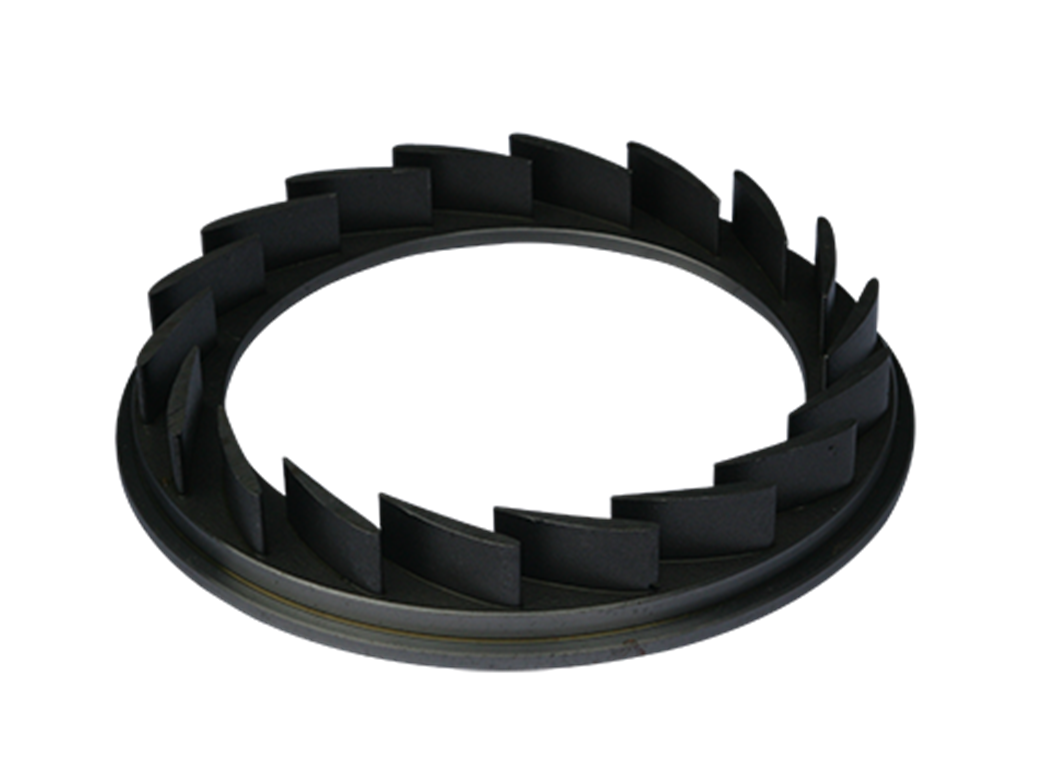
IN713LC एकल क्रिस्टल नोजल रिंग कास्टिंग की मुख्य प्रौद्योगिकी
मोम पैटर्न निर्माण इंजेक्शन मोल्डिंग का उपयोग करके उच्च-सटीकता वाले मोम पैटर्न विकसित किए जाते हैं, जो ±0.05 मिमी के आयामी सहनशीलता और विस्तृत खंड ज्यामिति सुनिश्चित करते हैं।
शेल मोल्ड असेंबली रिफ्रैक्टरी सिरेमिक शेल्स को कई परतों में निर्मित किया जाता है, जो >1450°C पर कास्टिंग के दौरान संरचनात्मक अखंडता और थर्मल शॉक प्रतिरोध प्राप्त करते हैं।
सर्पिल सेलेक्टर डिजाइन एक हेलिकल अनाज सेलेक्टर को कास्टिंग बेस पर एकीकृत किया जाता है ताकि [001] अक्ष के साथ एकल क्रिस्टल वृद्धि का मार्गदर्शन किया जा सके और अनाज सीमाओं को समाप्त किया जा सके।
वैक्यूम इंडक्शन मेल्टिंग IN713LC को वैक्यूम (≤10⁻³ Pa) के तहत वैक्यूम इंडक्शन मेल्टिंग का उपयोग करके पिघलाया जाता है, जो रासायनिक शुद्धता और धातुकर्म एकरूपता सुनिश्चित करता है।
दिशात्मक ठोसीकरण मोल्ड को नियंत्रित दर (~3 मिमी/मिनट) पर गर्म क्षेत्र से वापस लिया जाता है, जिससे नोजल रिंग आर्क के पूरे हिस्से में एक मोनोक्रिस्टलाइन संरचना बनती है।
शेल हटाना और सफाई कास्टिंग के बाद, ब्लास्टिंग और एसिड लीचिंग का उपयोग करके सिरेमिक मोल्ड्स को हटा दिया जाता है, जिससे कूलिंग स्लॉट्स और अटैचमेंट फीचर्स की सटीकता संरक्षित रहती है।
हॉट आइसोस्टेटिक प्रेसिंग (HIP) HIP 1150°C और 150 MPa पर किया जाता है ताकि सूक्ष्म-रिक्तियों को समाप्त किया जा सके और थकान शक्ति बढ़ाई जा सके।
हीट ट्रीटमेंट 1200°C पर सॉल्यूशन ट्रीटमेंट के बाद 850°C पर एजिंग, सटीक हीट ट्रीटमेंट के माध्यम से γ' फेज को परिष्कृत करती है, जिससे क्रीप और ऑक्सीकरण प्रतिरोध में सुधार होता है।
नोजल रिंग्स के लिए IN713LC की सामग्री गुण
IN713LC एक निकल-आधारित सुपरएलॉय है जिसने उच्च-तापमान, उच्च-लोड टरबाइन अनुप्रयोगों में सिद्ध प्रदर्शन दिखाया है:
अधिकतम कार्य तापमान: 982°C (1800°F)
अंतिम तन्य शक्ति: ≥1034 MPa
क्रीप रप्चर स्ट्रेंथ: 760°C पर 1000 घंटे के लिए ≥200 MPa
अनाज अभिविन्यास: एकल क्रिस्टल [001], <2° विचलन
ऑक्सीकरण प्रतिरोध: गर्म गैस एक्सपोजर के तहत उत्कृष्ट
गामा प्राइम स्ट्रेंथनिंग: >50% फेज वॉल्यूम अंश
केस स्टडी: गैस टरबाइन के लिए IN713LC एकल क्रिस्टल नोजल रिंग
प्रोजेक्ट पृष्ठभूमि
न्यूवे एयरोटेक को 120 MW औद्योगिक गैस टरबाइन के लिए एक प्रथम-चरण नोजल रिंग का उत्पादन करने का कार्य सौंपा गया था। आवश्यकता: शून्य अनाज सीमाओं वाली और ±0.05 मिमी के भीतर आयामी सहनशीलता वाली एक क्रीप- और ऑक्सीकरण-प्रतिरोधी रिंग सेगमेंट।
नोजल रिंग अनुप्रयोग
पावर टर्बाइन (जैसे, जीई फ्रेम 7EA): प्रथम-चरण नोजल रिंग्स दहन गैसों को घूर्णन ब्लेड्स के माध्यम से निर्देशित करती हैं, जिसके लिए सटीक प्रवाह प्रोफाइल और थर्मल स्थिरता की मांग होती है।
एयरोइंजन टर्बाइन (जैसे, CFM56): नोजल रिंग्स का उपयोग गर्म गैस पथ खंडों में किया जाता है, जहां चक्रीय थकान और ऑक्सीकरण प्रमुख चिंताएं हैं।
समुद्री गैस टर्बाइन (जैसे, LM2500): संक्षारक नमक-लदे वातावरण में संचालित होने वाली नोजल रिंग्स को लंबे चक्रों में ज्यामिति और अखंडता बनाए रखनी चाहिए।
संयुक्त चक्र संयंत्र: नोजल रिंग्स जो उच्च-दक्षता टर्बाइनों में लगातार संचालित होती हैं, जो अनुकूलित ईंधन उपयोग और उत्सर्जन नियंत्रण में योगदान करती हैं।
IN713LC नोजल रिंग निर्माण प्रक्रिया
मोम पैटर्न डिजाइन और सेलेक्टर प्लेसमेंट कस्टम-डिज़ाइन किए गए मोम पैटर्न में दिशात्मक ठोसीकरण नियंत्रण के लिए सर्पिल सेलेक्टर्स शामिल होते हैं, जो CFD विश्लेषण पर आधारित होते हैं।
वैक्यूम इन्वेस्टमेंट कास्टिंग निष्पादन IN713LC मिश्र धातु को वैक्यूम स्थितियों में डाला जाता है, और दिशात्मक वापसी रिंग प्रोफाइल के माध्यम से मोनोक्रिस्टलाइन अनाज वृद्धि शुरू करती है।
HIP और थर्मल प्रोसेसिंग कास्टिंग के बाद, हॉट आइसोस्टेटिक प्रेसिंग और सॉल्यूशन-एजिंग हीट ट्रीटमेंट थकान जीवन और यांत्रिक एकरूपता में सुधार करते हैं।
CNC मशीनिंग और EDM सटीक छेद, बॉस और सेगमेंट इंटरफेस सुपरएलॉय CNC मशीनिंग और EDM के माध्यम से अंतिम रूप दिए जाते हैं।
आयामी और संरचनात्मक निरीक्षण ब्लेड्स को अभिविन्यास और आंतरिक सुदृढ़ता के लिए CMM, एक्स-रे, और धातुविज्ञान मूल्यांकन द्वारा सत्यापित किया जाता है।
निर्माण चुनौतियाँ
बड़े व्यास वाले रिंग सेक्शनों में भटके हुए अनाज के निर्माण को रोकना
असममित आर्क ज्यामिति में एकसमान ठोसीकरण सुनिश्चित करना
दरार या गर्म आँसू को रोकने के लिए थर्मल ग्रेडिएंट्स का प्रबंधन करना
HIP के बाद मेटिंग सतहों पर तंग सहनशीलता बनाए रखना
परिणाम और सत्यापन
सभी नोजल रिंग्स <2° अनाज विचलन के साथ एकल क्रिस्टल संरचना की पुष्टि की गई
HIP और NDT निरीक्षण के बाद शून्य आंतरिक दोषों का पता चला
तन्य और क्रीप गुण 1034 MPa और 200 MPa बेंचमार्क से अधिक थे
360° रिंग इंटरफेस में आयामी सटीकता ±0.03 मिमी के भीतर बनाए रखी गई
अक्सर पूछे जाने वाले प्रश्न
गैस टरबाइन नोजल रिंग्स के लिए एकल क्रिस्टल कास्टिंग का उपयोग क्यों किया जाता है?
IN713LC नोजल रिंग्स कितने अधिकतम तापमान को सहन कर सकती हैं?
न्यूवे एयरोटेक नोजल रिंग्स में एकल क्रिस्टल वृद्धि कैसे सुनिश्चित करता है?
टरबाइन नोजल रिंग्स के लिए किस पोस्ट-प्रोसेसिंग की आवश्यकता होती है?
क्या HIP और एक्स-रे निरीक्षण नोजल रिंग निर्माण के लिए मानक हैं?
