
Rene N6 वैक्यूम इन्वेस्टमेंट कास्टिंग जेट इंजन टर्बाइन नोजल निर्माता
परिचय
Rene N6 तीसरी पीढ़ी का एक सिंगल-क्रिस्टल निकल-आधारित सुपरएलॉय है जो टर्बाइन घटकों के लिए इंजीनियर किया गया है जो तापमान और यांत्रिक तनाव की चरम सीमाओं पर कार्य करते हैं। यह 1150°C से अधिक तापमान पर उद्योग-अग्रणी क्रीप प्रतिरोध, ऑक्सीकरण स्थिरता और फेज अखंडता प्रदान करता है। एक पेशेवर वैक्यूम इन्वेस्टमेंट कास्टिंग निर्माता के रूप में, हम उन्नत दिशात्मक ठोसीकरण का उपयोग करके Rene N6 सिंगल-क्रिस्टल जेट इंजन टर्बाइन नोजल का निर्माण करते हैं, जिससे सटीक [001] अभिविन्यास, ±0.05 मिमी के भीतर आयामी सटीकता और 1% से काली छिद्रता प्राप्त होती है।
हमारे Rene N6 टर्बाइन नोजल घटक आधुनिक एयरो इंजन के सबसे गर्म क्षेत्रों में तैनात किए जाते हैं, जहां स्थायित्व, थर्मल थकान प्रतिरोध और वायुगतिकीय सटीकता प्रणोदन दक्षता और इंजन विश्वसनीयता के लिए महत्वपूर्ण हैं।
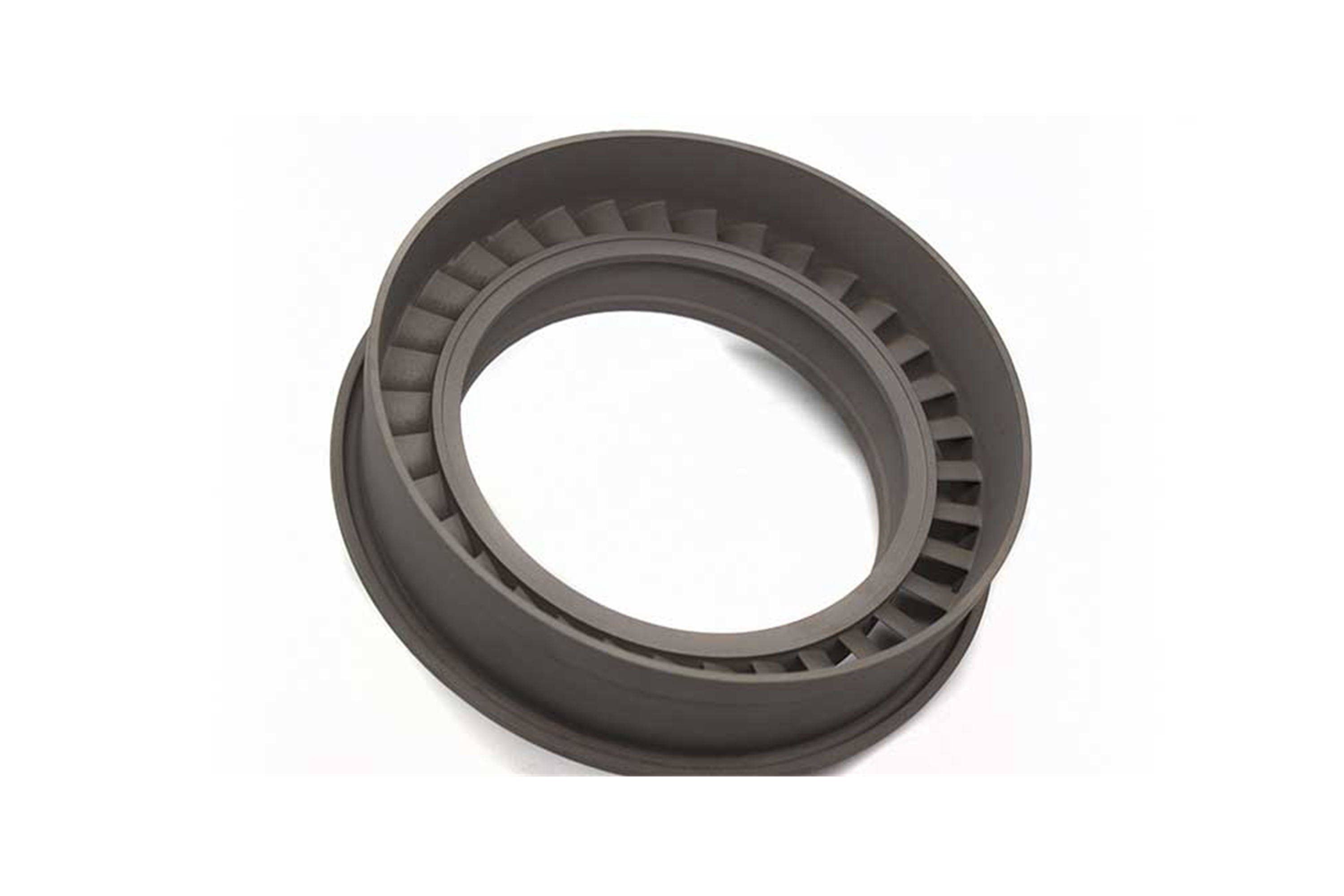
मुख्य प्रौद्योगिकी: Rene N6 की वैक्यूम इन्वेस्टमेंट कास्टिंग
हम Rene N6 टर्बाइन नोजल को सिंगल-क्रिस्टल [001] अनाज अभिविन्यास के साथ कास्ट करने के लिए ब्रिजमैन प्रक्रिया का उपयोग करते हुए वैक्यूम दिशात्मक ठोसीकरण लागू करते हैं। मिश्र धातु को ~1460°C पर पिघलाया जाता है और ~1100°C तक पूर्व-तप्त सिरेमिक शेल मोल्ड्स (8–10 परतें) में डाला जाता है। मोल्ड्स को उच्च वैक्यूम (<10⁻³ टोर) के तहत 1–3 मिमी/मिनट की दर से वापस खींचा जाता है ताकि एकदिशीय ठ�सीकरण सुनिश्चित हो सके, अनाज सीमाओं को समाप्त किया जा सके और पतली-दीवार नोजल ज्यामिति में क्रीप प्रतिरोध को अनुकूलित किया जा सके।
Rene N6 मिश्र धातु की सामग्री विशेषताएं
Rene N6 एक उच्च γ′-आयतन अंश वाला सिंगल-क्रिस्टल निकल सुपरएलॉय है जो उच्च तापमान पर असाधारण यांत्रिक प्रदर्शन और सूक्ष्म संरचनात्मक स्थिरता प्रदान करता है। इसका व्यापक रूप से प्रथम-चरण ब्लेड और नोजल में उपयोग किया जाता है। प्रमुख गुणों में शामिल हैं:
गुण | मान |
|---|---|
घनत्व | 8.86 ग्राम/सेमी³ |
अंतिम तन्य शक्ति (980°C पर) | ≥1150 एमपीए |
क्रीप रप्चर शक्ति (1000h @ 1093°C) | ≥220 एमपीए |
कार्य तापमान सीमा | 1200°C तक |
ऑक्सीकरण प्रतिरोध | उत्कृष्ट |
अनाज संरचना | सिंगल क्रिस्टल [001] |
ये गुण Rene N6 को नोजल गाइड वेन्स और स्टेटर सेगमेंट के लिए आदर्श बनाते हैं जो गंभीर थर्मल ग्रेडिएंट, दबाव उतार-चढ़ाव और लंबे इंजन सेवा चक्रों के अधीन होते हैं।
केस स्टडी: जेट इंजन टर्बाइन नोजल परियोजना
परियोजना पृष्ठभूमि
एक एयरोस्पेस इंजन OEM को एक बड़े वाणिज्यिक टर्बोफैन इंजन के हाई-प्रेशर टर्बाइन (HPT) के लिए सिंगल-क्रिस्टल नोजल गाइड वेन सेगमेंट की आवश्यकता थी जो 1150°C से अधिक इनलेट तापमान पर कार्य करता है। इसके क्रीप रप्चर शक्ति और ऑक्सीकरण स्थिरता के कारण Rene N6 का चयन किया गया। हमने पूरी तरह से मशीनीकृत, HIP-उपचारित और EB-PVD लेपित घटक वितरित किए जो AMS 5959 और NADCAP एयरोस्पेस गुणवत्ता आवश्यकताओं को पूरा करते थे।
विशिष्ट जेट इंजन टर्बाइन नोजल अनुप्रयोग
GE9X हाई-प्रेशर टर्बाइन नोजल: GE9X इंजन के प्रथम-चरण टर्बाइन सेक्शन में स्थापित सिंगल-क्रिस्टल Rene N6 नोजल, जो चरम दबाव और प्रवाह वेग के तहत 1150°C से ऊपर लगातार कार्य करने के लिए डिज़ाइन किए गए हैं।
Pratt & Whitney PW1100G-JM गाइड वेन्स: गियर्ड टर्बोफैन आर्किटेक्चर में उपयोग किए जाने वाले, Rene N6 गाइड वेन्स टर्बाइन रोटर में इष्टतम एयरफ्लो के लिए उच्च थर्मल थकान प्रतिरोध और कड़ा आयामी नियंत्रण प्रदान करते हैं।
Rolls-Royce Trent XWB एग्जिट गाइड सेगमेंट: HPT क्षेत्र में लागू Rene N6 नोजल सेगमेंट, जो लंबी दूरी की उड़ान की स्थितियों में आक्रामक थर्मल साइक्लिंग और ऑक्सीकरण का सामना करते हुए निकास दिशा को प्रबंधित करने के लिए उपयोग किए जाते हैं।
F135 आफ्टरबर्नर स्टेज नोजल घटक (F-35): Rene N6 वेन्स आफ्टरबर्नर स्टेज नोजल में उपयोग किए जाते हैं जहां थर्मल शॉक, कंपन थकान और थ्रस्ट वेक्टरिंग प्रदर्शन के लिए सिंगल-क्रिस्टल स्थिरता आवश्यक है।
ये इंजन-विशिष्ट अनुप्रयोग आधुनिक प्रणोदन प्रणालियों में Rene N6 के मूल्य को प्रदर्शित करते हैं जिन्हें टर्बाइन हॉट सेक्शन में विस्तारित सेवा जीवन, न्यूनतम क्रीप विरूपण और अधिकतम थर्मल स्थिरता की मांग होती है।
Rene N6 नोजल के लिए विनिर्माण समाधान
कास्टिंग प्रक्रिया वैक्स असेंबली को सिरेमिक मोल्ड्स में निवेशित किया जाता है और ~1460°C पर वैक्यूम के तहत कास्ट किया जाता है। ब्रिजमैन भट्टी में नियंत्रित मोल्ड वापसी (1–3 मिमी/मिनट) [001] अभिविन्यास के साथ सिंगल-क्रिस्टल वृद्धि सुनिश्चित करती है। जटिल वेन ज्यामिति में भटकते अनाजों को रोकने और विरूपण को कम करने के लिए शीतलन प्रोफाइल को अनुकूलित किया जाता है।
पोस्ट-प्रोसेसिंग 1190°C और 100 एमपीए पर हॉट आइसोस्टेटिक प्रेसिंग (HIP) संरचना को सघन करती है और संकुचन शून्यता को समाप्त करती है। सटीक ताप उपचार उच्च क्रीप और थकान प्रतिरोध के लिए आवश्यक γ′ फेज आकृति विज्ञान विकसित करता है।
पोस्ट मशीनिंग रूट फिट, फ्लैंज और मेटिंग सतहों को परिष्कृत करने के लिए CNC मशीनिंग का उपयोग किया जाता है। EDM सटीक एज और स्लॉट फिनिशिंग सक्षम करता है। जटिल शीतलन मार्ग बनाने के लिए डीप होल ड्रिलिंग का उपयोग किया जाता है।
सतह उपचार थर्मल बैरियर कोटिंग्स (TBC) जैसे YSZ को EB-PVD के माध्यम से लगाया जाता है ताकि धातु की सतह की रक्षा की जा सके और थर्मल थकान को कम किया जा सके। एल्युमिनाइड या प्लैटिनम-एल्युमिनाइड डिफ्यूजन कोटिंग्स ऑक्सीकरण और संक्षारण प्रतिरोध को बढ़ाती हैं।
परीक्षण और निरीक्षण प्रत्येक नोजल [001] अभिविन्यास, γ′ स्थिरता और सतह अखंडता की पुष्टि करने के लिए एक्स-रे NDT, CMM आयामी सत्यापन, क्रीप और तन्य परीक्षण, और धातुविज्ञानीय निरीक्षण से गुजरता है।
मुख्य विनिर्माण चुनौतियाँ
पतली-दीवार, उच्च-पहलू नोजल ज्यामिति में दोष-मुक्त [001] सिंगल-क्रिस्टल संरचना बनाए रखना।
दिशात्मक ठोसीकरण और पोस्ट-प्रोसेसिंग के दौरान थर्मल क्रैकिंग और भटकते अनाजों के निर्माण को रोकना।
कड़े एयरोस्पेस विनिर्देशों के तहत शीतलन मार्ग अखंडता और आयामी सहनशीलता सुनिश्चित करना।
परिणाम और सत्यापन
लाउ एक्स-रे विवर्तन ने वास्तविक [001] क्रिस्टल अभिविन्यास की पुष्टि की।
HIP के बाद रेडियोग्राफिक निरीक्षण के माध्यम से काली छिद्रता <1% की पुष्टि की गई।
5-अक्ष CMM स्कैनिंग के माध्यम से ±0.05 मिमी के भीतर आयामी सहनशीलता मान्य की गई।
1000-घंटे के परीक्षण चक्रों पर 1093°C पर क्रीप रप्चर ≥220 एमपीए मान्य किया गया।
1200°C पर 1000 थर्मल थकान चक्रों के बाद कोई ऑक्सीकरण क्षरण या γ′ मोटा होना नहीं।
अक्सर पूछे जाने वाले प्रश्न
सिंगल-क्रिस्टल जेट इंजन टर्बाइन नोजल घटकों के लिए Rene N6 का उपयोग क्यों किया जाता है?
क्रिस्टल अभिविन्यास सुनिश्चित करने के लिए कौन से दिशात्मक ठोसीकरण नियंत्रणों का उपयोग किया जाता है?
Rene N6 नोजल सेगमेंट में जटिल शीतलन मार्ग कैसे मशीनीकृत किए जाते हैं?
Rene N6 नोजल के सेवा जीवन को बढ़ाने के लिए कौन सी कोटिंग्स का उपयोग किया जाता है?
कौन सी निरीक्षण विधियाँ एयरोस्पेस-ग्रेड गुणवत्ता और स्थायित्व की गारंटी देती हैं?
