
PWA 1480 वैक्यूम इन्वेस्टमेंट कास्टिंग एयरोस्पेस एक्जॉस्ट सिस्टम घटक निर्माता
परिचय
PWA 1480, प्रैट एंड व्हिटनी द्वारा विकसित एक एकल-क्रिस्टल निकल-आधारित सुपरएलॉय है, जिसे अधिकतम उच्च-तापमान प्रदर्शन, क्रीप प्रतिरोध और ऑक्सीकरण स्थिरता की आवश्यकता वाले टरबाइन इंजन अनुप्रयोगों के लिए तैयार किया गया है। एक विश्वसनीय वैक्यूम इन्वेस्टमेंट कास्टिंग निर्माता के रूप में, हम एयरोस्पेस एक्जॉस्ट सिस्टम के लिए सटीक PWA 1480 घटकों का निर्माण करते हैं, जिसमें एकल-क्रिस्टल [001] अभिविन्यास, ±0.05 मिमी आयामी सटीकता और 1% से कम सरंध्रता प्राप्त करने के लिए दिशात्मक ठोसीकरण का उपयोग किया जाता है।
हमारे कास्टिंग्स को आधुनिक जेट इंजन एक्जॉस्ट घटकों, जिसमें नोजल गाइड वेन, ट्रांजिशन डक्ट और हॉट-सेक्शन संरचनात्मक हार्डवेयर शामिल हैं, की कठोर थर्मल और यांत्रिक मांगों को पूरा करने के लिए डिज़ाइन किया गया है।
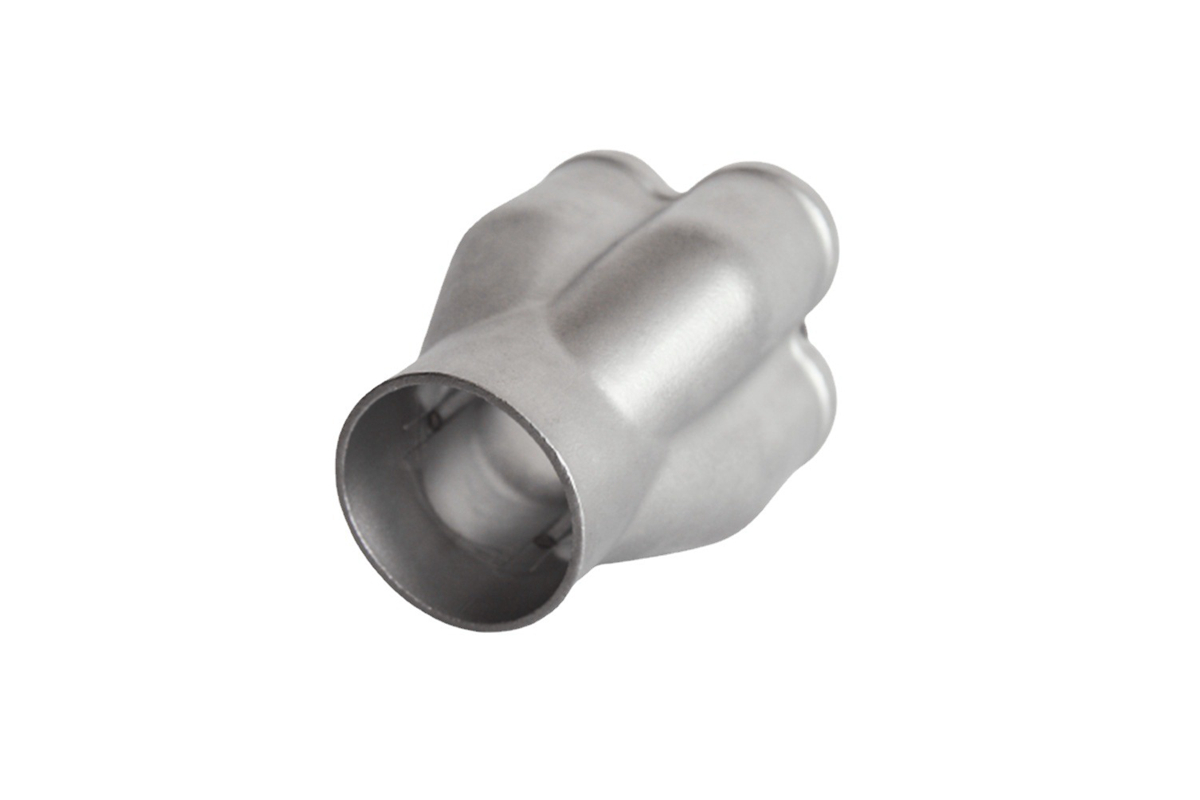
मुख्य प्रौद्योगिकी: PWA 1480 की वैक्यूम इन्वेस्टमेंट कास्टिंग
हम एकल-क्रिस्टल PWA 1480 घटकों के निर्माण के लिए वैक्यूम कास्टिंग वातावरण में दिशात्मक ठोसीकरण का उपयोग करते हैं। मिश्रधातु को वैक्यूम में पिघलाकर ~1450°C पर सिरेमिक शेल मोल्ड्स में डाला जाता है, जिन्हें पहले ~1100°C तक गर्म किया जाता है। ब्रिजमैन भट्टी में [001] अभिविन्यास प्राप्त करने और कण सीमाओं को समाप्त करने के लिए मोल्ड वापसी को 1–3 मिमी/मिनट पर सटीक रूप से नियंत्रित किया जाता है, जिससे अत्यधिक थर्मल चक्रण के तहत क्रीप शक्ति और ऑक्सीकरण प्रदर्शन में सुधार होता है।
PWA 1480 मिश्रधातु की सामग्री विशेषताएं
PWA 1480 एक निकल-आधारित γ′-दृढ़ सुपरएलॉय है, जिसका उपयोग टरबाइन एयरफॉइल और एक्जॉस्ट पार्ट्स के लिए एकल-क्रिस्टल रूप में किया जाता है। इसमें उत्कृष्ट उच्च-तापमान क्रीप प्रतिरोध, थर्मल थकान जीवन और ऑक्सीकरण प्रतिरोध होता है। मुख्य गुणों में शामिल हैं:
गुण | मान |
|---|---|
घनत्व | 8.9 g/cm³ |
तन्य शक्ति (1093°C पर) | ≥1150 MPa |
क्रीप रप्चर शक्ति (1000h @ 1093°C) | ≥200 MPa |
कार्य तापमान सीमा | 1200°C तक |
ऑक्सीकरण प्रतिरोध | उत्कृष्ट |
कण संरचना | एकल क्रिस्टल [001] |
ये विशेषताएं PWA 1480 को उच्च गैस तापमान, दबाव भार और लगातार स्टार्ट-स्टॉप चक्रों के संपर्क में आने वाली महत्वपूर्ण एक्जॉस्ट संरचनाओं के लिए आदर्श बनाती हैं।
केस स्टडी: PWA 1480 एक्जॉस्ट घटक निर्माण
परियोजना पृष्ठभूमि
एक एयरोस्पेस प्रोपल्शन OEM को एक सैन्य जेट इंजन प्लेटफॉर्म के लिए उच्च-तापमान एक्जॉस्ट नोजल सपोर्ट संरचनाओं और ट्रांजिशन वेन्स की आवश्यकता थी। इसके एकल-क्रिस्टल क्रीप शक्ति और ऑक्सीकरण प्रतिरोध के कारण PWA 1480 का चयन किया गया। हमने AMS 5391 और OEM-विशिष्ट आयामी आवश्यकताओं को पूरा करने वाले वैक्यूम-कास्ट, [001]-अभिविन्यासित घटकों को HIP, मशीनिंग और EB-PVD कोटिंग के साथ वितरित किया।
विशिष्ट एयरोस्पेस एक्जॉस्ट सिस्टम अनुप्रयोग
F119 नोजल गाइड वेन सेगमेंट्स (F-22 रैप्टर): F119 इंजन के एक्जॉस्ट सेक्शन में उपयोग किए जाने वाले एकल-क्रिस्टल PWA 1480 वेन्स, जो सुपरसोनिक उड़ान के दौरान 1150°C से अधिक तापमान पर क्रीप प्रतिरोध और थर्मल स्थिरता बनाए रखते हैं।
F135 आफ्टरबर्नर ट्रांजिशन सेगमेंट्स (F-35 लाइटनिंग II): कम्बस्टर और नोजल थ्रोट को जोड़ने वाले स्थिर घटक, जो स्टील्थ फाइटर इंजन एक्जॉस्ट फ्लो पाथ में परिवर्तनशील बैकप्रेशर और थर्मल चक्रण के संपर्क में आते हैं।
JT8D एक्जॉस्ट फ्रेम रिंग्स (लेगेसी कमर्शियल जेट्स): रियर एक्जॉस्ट असेंबली में उपयोग की जाने वाली उच्च-तापमान संरचनात्मक रिंग्स, जो उच्च टेकऑफ लोड के तहत लंबी उम्र और थर्मल विरूपण प्रतिरोध प्रदान करती हैं।
PW901A APU टरबाइन एक्जिट केसिंग्स (बोइंग 747 & 777): सहायक बिजली इकाइयों के लिए टिकाऊ एक्जॉस्ट केसिंग्स, जहां उच्च चक्र दक्षता और कम रखरखाव के लिए वजन और थर्मल थकान प्रतिरोध आवश्यक हैं।
ये विशिष्ट उदाहरण कुछ सबसे चुनौतीपूर्ण जेट इंजन एक्जॉस्ट वातावरण में संरचनात्मक शक्ति, आयामी सटीकता और उच्च-तापमान सहनशीलता प्रदान करने में PWA 1480 की भूमिका को उजागर करते हैं।
PWA 1480 घटकों के लिए निर्माण समाधान
कास्टिंग प्रक्रिया नेट-शेप मोल्ड निर्माण के लिए वैक्स पैटर्न बनाए जाते हैं। PWA 1480 मिश्रधातु को ~1450°C पर वैक्यूम कास्ट करके सिरेमिक शेल मोल्ड्स में डाला जाता है, जिसमें नियंत्रित वापसी का उपयोग करके दिशात्मक ठोसीकरण किया जाता है। कण सीमा विफलता को रोकने के लिए एयरफॉइल और प्लेटफॉर्म ज्यामिति में [001] अभिविन्यास को बनाए रखा जाता है।
पोस्ट-प्रोसेसिंग किसी भी शेष सरंध्रता को समाप्त करने के लिए 1190°C और 100 MPa पर हॉट आइसोस्टेटिक प्रेसिंग (HIP) का उपयोग किया जाता है। अधिकतम उच्च-तापमान यांत्रिक शक्ति के लिए γ′ फेज वितरण को अनुकूलित करने के लिए हीट ट्रीटमेंट्स (सॉल्यूशन + एजिंग) लागू किए जाते हैं।
पोस्ट मशीनिंग CNC मशीनिंग सीलिंग सतहों, फास्टनर छिद्रों और एयरफॉइल ट्रेलिंग एज को पूरा करती है। कूलिंग स्लॉट डिटेलिंग के लिए EDM का उपयोग किया जाता है, और फिल्म-कूलिंग और एयर पैसेज एकीकरण के लिए डीप होल ड्रिलिंग की जाती है।
सतह उपचार तापमान कम करने और सतह ऑक्सीकरण सुरक्षा के लिए YSZ जैसे थर्मल बैरियर कोटिंग्स (TBC) को EB-PVD का उपयोग करके लगाया जाता है। अनकोटेड क्षेत्रों के लिए एलुमिनाइड या प्लैटिनम-एलुमिनाइड कोटिंग्स उपलब्ध हैं।
परीक्षण और निरीक्षण सभी घटकों को क्रिस्टल अभिविन्यास, फेज एकरूपता और γ′ स्थिरता की पुष्टि करने के लिए एक्स-रे NDT, CMM आयामी सत्यापन, क्रीप और थकान परीक्षण, और धातुविज्ञानीय विश्लेषण से गुजरना पड़ता है।
मुख्य निर्माण चुनौतियां
जटिल एक्जॉस्ट वेन ज्यामिति में [001] एकल-क्रिस्टल अभिविन्यास सुनिश्चित करना।
दिशात्मक ठोसीकरण और हीट ट्रीटमेंट के बाद सतह अखंडता और आयामी सटीकता बनाए रखना।
पतली-दीवार वाले खंडों में ठंडा करने और पोस्ट-प्रोसेसिंग के दौरान माइक्रोक्रैकिंग को रोकना।
परिणाम और सत्यापन
लाउ विवर्तन और ऑप्टिकल विश्लेषण का उपयोग करके एकल-क्रिस्टल संरचना सत्यापित की गई।
3D CMM के माध्यम से ±0.05 मिमी के भीतर आयामी सटीकता की पुष्टि की गई।
1000-घंटे के स्ट्रेस टेस्ट के माध्यम से 1093°C पर क्रीप रप्चर शक्ति ≥200 MPa मान्य की गई।
1200°C पर 1000 थर्मल चक्रों के बाद उत्कृष्ट ऑक्सीकरण प्रतिरोध और फेज स्थिरता बनाए रखी गई।
अक्सर पूछे जाने वाले प्रश्न
एयरोस्पेस एक्जॉस्ट सिस्टम घटकों के लिए PWA 1480 क्या लाभ प्रदान करता है?
कास्टिंग के दौरान [001] एकल-क्रिस्टल अभिविन्यास कैसे बनाए रखा जाता है?
क्या PWA 1480 पार्ट्स को एकीकृत कूलिंग या थर्मल बैरियर के साथ डिज़ाइन किया जा सकता है?
थकान और ऑक्सीकरण प्रदर्शन के लिए कौन से पोस्ट-प्रोसेसिंग चरण आवश्यक हैं?
एयरवर्थनेस अनुपालन सुनिश्चित करने के लिए कौन सी प्रमाणपत्र और परीक्षण विधियां हैं?
