
निमोनिक 90 वैक्यूम इन्वेस्टमेंट कास्टिंग हाई-प्रेशर रिएक्टर कंपोनेंट्स निर्माता
परिचय
निमोनिक 90 एक निकल-क्रोमियम-कोबाल्ट सुपरएलॉय है जिसे उच्च तापमान शक्ति, ऑक्सीकरण प्रतिरोध और दबाव में उत्कृष्ट क्रीप और थकान प्रदर्शन के लिए डिज़ाइन किया गया है। एक विशेष वैक्यूम इन्वेस्टमेंट कास्टिंग निर्माता के रूप में, हम निमोनिक 90 कंपोनेंट्स का उत्पादन करते हैं जो हाई-प्रेशर रिएक्टर सिस्टम के लिए सटीक सहनशीलता (±0.05 मिमी), नियंत्रित कण संरचना और 1% से कम सरंध्रता के साथ बनाए जाते हैं।
हमारे कास्टिंग्स को परमाणु, ऊर्जा और रासायनिक रिएक्टर अनुप्रयोगों में दीर्घकालिक विश्वसनीयता के लिए इंजीनियर किया गया है, जहां उच्च तापमान और दबाव प्रतिरोध महत्वपूर्ण हैं।
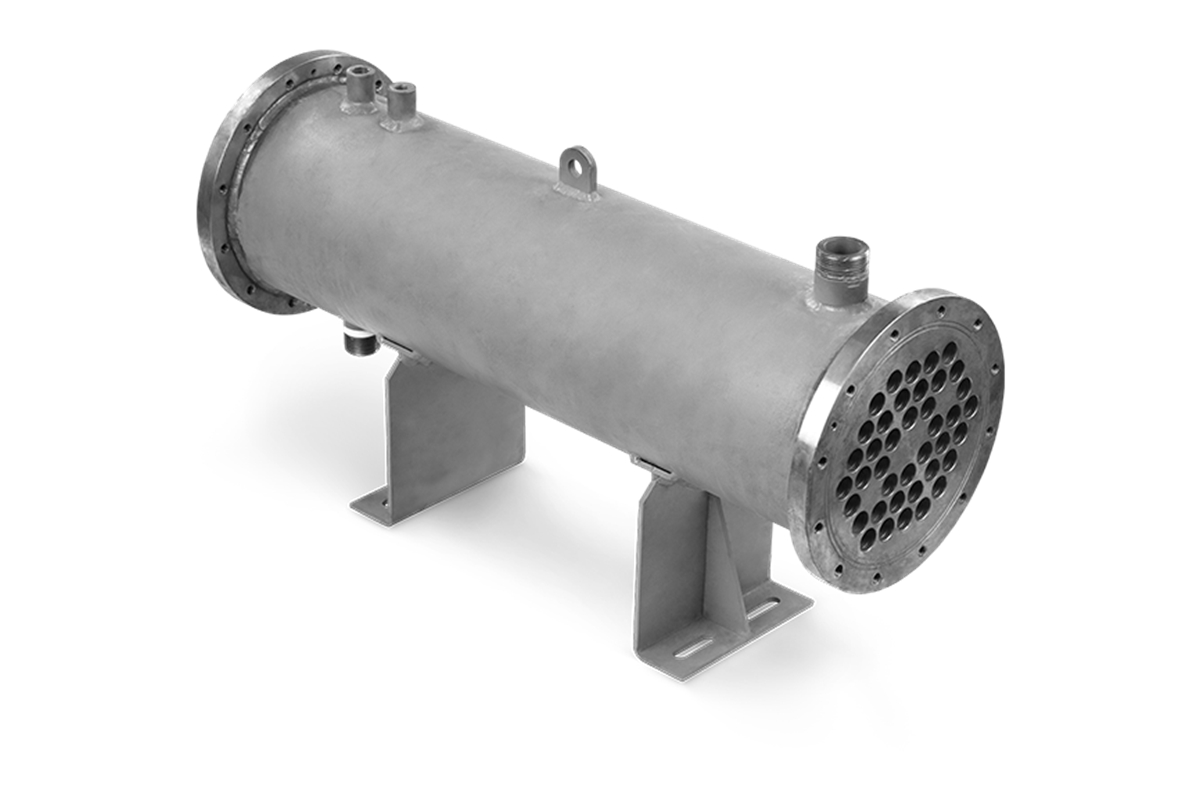
मुख्य तकनीक: निमोनिक 90 की वैक्यूम इन्वेस्टमेंट कास्टिंग
हमारी कास्टिंग प्रक्रिया 8–10 परत सिरेमिक शेल मोल्ड्स और ~1380°C पर वैक्यूम पिघलने का उपयोग करती है। 1050–1100°C पर मोल्ड प्रीहीटिंग पूर्ण मोल्ड भराई और धातुकर्म स्वच्छता सुनिश्चित करती है। नियंत्रित ठोसीकरण (40–90°C/मिनट) 0.5–2 मिमी के समान अक्षीय कण आकार प्रदान करता है, और कास्टिंग सहनशीलता ±0.05 मिमी पर बनाए रखी जाती है, जो दबाव नियंत्रण अखंडता और सीलिंग इंटरफेस के लिए आवश्यक है।
निमोनिक 90 मिश्र धातु की सामग्री विशेषताएं
निमोनिक 90 एक अवक्षेप-दृढ़ निकल मिश्र धातु है जिसका व्यापक रूप से उच्च तनाव और तापमान के अधीन गर्म-खंड घटकों में उपयोग किया जाता है। प्रमुख गुणों में शामिल हैं:
गुण | मान |
|---|---|
पिघलने की सीमा | 1320–1380°C |
घनत्व | 8.18 ग्राम/सेमी³ |
तन्य शक्ति (900°C पर) | ≥900 एमपीए |
उपज शक्ति (900°C पर) | ≥650 एमपीए |
बढ़ाव | ≥18% |
क्रीप रप्चर शक्ति (1000h @ 900°C) | ≥200 एमपीए |
ऑक्सीकरण प्रतिरोध | 1000°C तक उत्कृष्ट |
ये गुण निमोनिक 90 को दबाव सीमा भागों और चक्रीय थर्मल और दबाव लोडिंग के संपर्क में आने वाले यांत्रिक तत्वों के लिए आदर्श बनाते हैं।
केस स्टडी: निमोनिक 90 रिएक्टर घटक उत्पादन
परियोजना पृष्ठभूमि
एक परमाणु ऊर्जा उपकरण आपूर्तिकर्ता को 900°C पर 30 एमपीए के तहत काम करने वाले हाई-प्रेशर फ्लैंज रिंग्स और कंटेनमेंट वेसल क्लोजर की आवश्यकता थी। हमारी टीम ने सटीक वैक्यूम-कास्ट निमोनिक 90 भागों को उत्कृष्ट कण संरचना और प्रमाणित क्रीप और थकान प्रदर्शन के साथ वितरित किया, जो पूरी तरह से ASME सेक्शन III और RCC-M परमाणु-ग्रेड आवश्यकताओं के अनुरूप हैं।
निमोनिक 90 के लिए विशिष्ट रिएक्टर अनुप्रयोग
ईपीआर (यूरोपीयन प्रेशराइज्ड रिएक्टर) फ्लैंज सील्स: ईडीएफ/फ्रामाटोम ईपीआर इकाइयों के दबाव सीमाओं में उपयोग किए जाने वाले उच्च-शक्ति रेडियल सीलिंग घटक। निमोनिक 90 विस्तारित थर्मल चक्रों पर ऑक्सीकरण प्रतिरोध और सीलिंग स्थिरता सुनिश्चित करता है।
एचटीजीआर (हाई टेम्परेचर गैस-कूल्ड रिएक्टर) कंट्रोल मैकेनिज्म केसिंग्स: चीन के एचटीआर-पीएम जैसे रिएक्टरों में नियंत्रण रॉड ड्राइव्स के लिए सटीक-कास्ट आवरण, जो 900–950°C हीलियम कूलेंट एक्सपोजर का सामना करने के लिए डिज़ाइन किए गए हैं।
एपी1000 स्टीम जनरेटर इनलेट मैनिफोल्ड्स: पैसिव सेफ्टी-आधारित पीडब्ल्यूआर स्टीम जनरेटर्स के इनलेट सेक्शन के लिए डिज़ाइन किए गए सुपरएलॉय मैनिफोल्ड्स, जिन्हें 15 एमपीए दबाव के तहत क्रीप प्रतिरोध और एंटी-ऑक्सीकरण व्यवहार की आवश्यकता होती है।
वीवीईआर-1200 रिएक्टर कोर बैफल रिंग्स: रूसी-डिज़ाइन वीवीईआर-1200 इकाइयों में संतृप्त भाप और थर्मल फ्लक्स वातावरण में काम करने वाले उच्च-तापमान लोड-असर वाले घटक, संरचनात्मक अखंडता और आयामी सटीकता के लिए निर्मित।
ये उदाहरण दुनिया भर में दबाव-असर, उच्च-तापमान और विकिरण-गहन रिएक्टर वातावरण में निमोनिक 90 की क्षमता को उजागर करते हैं।
रिएक्टर घटकों के लिए विनिर्माण समाधान
कास्टिंग प्रक्रिया वैक्स पैटर्न्स को सिरेमिक शेल मोल्ड्स में असेंबल किया जाता है, ~1380°C पर वैक्यूम कास्ट किया जाता है, और नियंत्रित थर्मल ग्रेडिएंट के तहत ठोस किया जाता है। आंतरिक कोर तत्वों का उपयोग जटिल ज्यामिति वाले खोखले कास्टिंग्स के लिए किया जाता है।
पोस्ट-प्रोसेसिंग ~1180°C और 100 एमपीए पर हॉट आइसोस्टेटिक प्रेसिंग (एचआईपी) सरंध्रता को दूर करके घनत्व और थकान सहनशीलता सुनिश्चित करती है। अंतिम मशीनिंग सटीक फ्लैंज, बोल्ट पैटर्न और सीलिंग सतहों को प्रदान करती है।
पोस्ट मशीनिंग कास्टिंग और एचआईपी के बाद, घटक अनुप्रयोग आवश्यकताओं के आधार पर विशेष मशीनिंग से गुजरते हैं। सीएनसी मशीनिंग का उपयोग सटीक सीलिंग सतहों, बोल्ट छेद और समतलता नियंत्रण के लिए किया जाता है। गहरी आंतरिक ज्यामिति या बोर पैसेज के लिए, डीप होल ड्रिलिंग का उपयोग किया जाता है। कठोर समोच्च या तंग कोनों के मामलों में, ईडीएम (इलेक्ट्रिकल डिस्चार्ज मशीनिंग) यांत्रिक तनाव के बिना जटिल फिनिशिंग सक्षम करती है।
सतह उपचार यदि आवश्यक हो, तो घटकों को एल्युमिनाइड या सिरेमिक-आधारित ऑक्सीकरण कोटिंग्स के साथ उपचारित किया जा सकता है। सतह फिनिशिंग तकनीकें, जैसे कि ग्राइंडिंग या लैपिंग, लीक-मुक्त सीलिंग के लिए गैस्केट फेस समतलता सुनिश्चित करती हैं।
परीक्षण और निरीक्षण प्रत्येक भाग को एक्स-रे रेडियोग्राफिक निरीक्षण, सीएमएम आयामी विश्लेषण, और 900°C पर तन्य और क्रीप परीक्षण का उपयोग करके मान्य किया जाता है। धातुविज्ञान विश्लेषण सूक्ष्म संरचना, कण सीमा स्थिति और γ′ चरण स्थिरता की पुष्टि करता है।
रिएक्टर-ग्रेड निमोनिक 90 कास्टिंग्स की मुख्य विनिर्माण चुनौतियां
दबाव प्रतिरोध के लिए न्यूनतम सरंध्रता के साथ मोटी-दीवार वाले घटकों को कास्ट करना।
10,000+ घंटे के थर्मल एक्सपोजर के बाद क्रीप शक्ति और ऑक्सीकरण सुरक्षा बनाए रखना।
महत्वपूर्ण बोल्टेड असेंबली में आयामी अनुपालन और सीलिंग प्रदर्शन सुनिश्चित करना।
परिणाम और सत्यापन
एक्स-रे और पोस्ट-एचआईपी धातुविज्ञान द्वारा सत्यापित सरंध्रता <1%।
फ्लैंज और सील फेस पर ±0.05 मिमी की आयामी सटीकता।
900°C पर तन्य शक्ति ≥900 एमपीए और क्रीप रप्चर शक्ति ≥200 एमपीए।
सिम्युलेटेड 1000-चक्र थर्मल-प्रेशर थकान परीक्षण के बाद कोई रिसाव या वार्पिंग नहीं।
अक्सर पूछे जाने वाले प्रश्न
निमोनिक 90 हाई-प्रेशर और हाई-टेम्परेचर रिएक्टर घटकों के लिए उपयुक्त क्यों है?
सीलिंग और फ्लैंज सतहों के लिए कौन सी कास्टिंग सहनशीलता हासिल की जा सकती है?
आप कास्ट निमोनिक 90 भागों में क्रीप और थकान प्रतिरोध कैसे सुनिश्चित करते हैं?
क्या निमोनिक 90 घटकों को परमाणु-ग्रेड मानकों के लिए अनुकूलित किया जा सकता है?
दबाव-सीमा कास्टिंग्स की अखंडता की पुष्टि करने वाली कौन सी परीक्षण प्रक्रियाएं हैं?
