
निमोनिक 80A निवेश ढलाई बिजली उत्पादन टर्बाइन घटक फाउंड्री
परिचय
निमोनिक 80A टाइटेनियम और एल्यूमीनियम से प्रबलित एक अवक्षेप-दृढ़ निकल-क्रोमियम मिश्र धातु है, जो 870°C तक उत्कृष्ट उच्च-तापमान शक्ति, ऑक्सीकरण प्रतिरोध और क्रीप प्रतिरोध प्रदान करती है। हमारी विशेष निवेश ढलाई फाउंड्री में, हम बिजली उत्पादन टर्बाइनों के लिए सटीक निमोनिक 80A घटकों का निर्माण करते हैं, जिनमें कड़ा आयामी नियंत्रण (±0.05 मिमी), समान अनाज संरचना और 1% से कम सरंध्रता स्तर होता है।
हमारे ढलाई उत्पादों को औद्योगिक भाप और गैस टर्बाइनों में लंबी आयु, उच्च-भार संचालन के लिए डिज़ाइन किया गया है, जहां तापीय स्थिरता और थकान प्रतिरोध आवश्यक है।
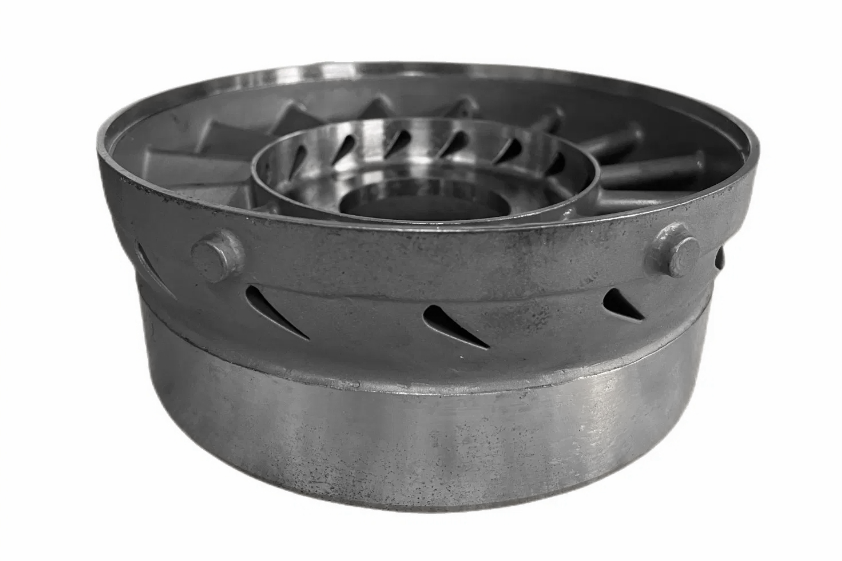
मुख्य प्रौद्योगिकी: निमोनिक 80A की निवेश ढलाई
हमारे निमोनिक 80A टर्बाइन घटक सिरेमिक शेल वैक्यूम के तहत निवेश ढलाई का उपयोग करके निर्मित किए जाते हैं, जिसमें मिश्र धातु 1350–1380°C पर डाली जाती है और साँचे को 1000–1100°C पर पूर्व-तप्त किया जाता है। नियंत्रित ठोसीकरण (शीतलन दर: 40–90°C/मिनट) 0.5–2 मिमी के समान-अक्षीय अनाज आकार प्रदान करता है। सहनशीलता ±0.05 मिमी के भीतर बनाए रखी जाती है, जो क्लोज-फिट टर्बाइन अनुप्रयोगों के लिए आदर्श है।
निमोनिक 80A मिश्र धातु की सामग्री विशेषताएँ
निमोनिक 80A एक निकल-आधारित मिश्र धातु है जिसका व्यापक रूप से टर्बाइन ब्लेड, बोल्ट, डिस्क और अन्य हॉट-सेक्शन हार्डवेयर में उपयोग किया जाता है। यह निरंतर तापीय तनाव के तहत शक्ति, थकान प्रतिरोध और ऑक्सीकरण स्थिरता को जोड़ती है। मुख्य गुणों में शामिल हैं:
गुण | मान |
|---|---|
गलनांक सीमा | 1320–1380°C |
घनत्व | 8.19 ग्राम/सेमी³ |
तन्य शक्ति (750°C पर) | ≥825 एमपीए |
उपज शक्ति (750°C पर) | ≥590 एमपीए |
दीर्घीकरण | ≥20% |
संचालन तापमान सीमा | ~870°C |
ऑक्सीकरण प्रतिरोध | उत्कृष्ट |
क्रीप प्रतिरोध (1000h @ 750°C) | ≥140 एमपीए |
ये गुण निमोनिक 80A को घूर्णन और स्थिर टर्बाइन असेंबलियों में उच्च तनाव और तापीय चक्रण के अधीन घटकों के लिए एक उत्कृष्ट सामग्री बनाते हैं।
केस स्टडी: निमोनिक 80A टर्बाइन घटक उत्पादन
परियोजना पृष्ठभूमि
एक वैश्विक ऊर्जा उपकरण निर्माता को एक औद्योगिक भाप टर्बाइन में 800–850°C पर निरंतर सेवा के लिए सक्षम टर्बाइन व्हील सेगमेंट और स्टेटर सपोर्ट ब्रैकेट की आवश्यकता थी। हमने एएसटीएम बी637 मानकों के अनुरूप वैक्यूम-कास्ट निमोनिक 80A भाग वितरित किए, जिनमें सुसंगत दीवार मोटाई, कम संकुचन और चक्रीय तापीय परिस्थितियों के तहत मजबूत क्रीप प्रदर्शन था।
विशिष्ट बिजली उत्पादन टर्बाइन अनुप्रयोग
भाप टर्बाइन नोजल रिंग्स: स्थिर रिंग्स निमोनिक 80A में ढाली गई हैं ताकि बेस-लोड उपयोगिता प्रणालियों में 700–850°C पर तापीय आघात और ऑक्सीकरण का प्रतिरोध कर सकें।
गैस टर्बाइन ब्लेड प्लेटफॉर्म: सटीक घटक जो घूर्णन और स्थिर तत्वों के बीच संक्रमण क्षेत्रों में स्थित होते हैं, जहां थकान प्रतिरोध महत्वपूर्ण है।
टर्बाइन स्टेटर सपोर्ट ब्रैकेट: निश्चित असेंबलियाँ जो ब्लेड सरणियों को धारण करती हैं, जिन्हें भारी भार चक्रों के तहत सुसंगत यांत्रिक शक्ति और आयामी स्थिरता की आवश्यकता होती है।
टर्बाइन रिटेनिंग बोल्ट और सील प्लेट्स: ढाले गए घटक जो हॉट-सेक्शन असेंबलियों को एंकर करने के लिए उपयोग किए जाते हैं, जो कंपन और दीर्घकालिक ताप एक्सपोजर के संपर्क में आते हैं।
ये घटक मांगलिक संचालन वातावरण में बिजली टर्बाइनों की तापीय दक्षता और संरचनात्मक अखंडता का समर्थन करते हैं।
टर्बाइन घटक विनिर्माण समाधान
ढलाई प्रक्रिया वैक्स पैटर्न को 8–10 शेल परतें बनाने के लिए सिरेमिक घोल से लेपित किया जाता है। डीवैक्सिंग और सिंटरिंग के बाद, साँचों को ~1360°C पर वैक्यूम कास्ट किया जाता है। नियंत्रित ठोसीकरण पृथक्करण से बचाता है और क्रीप शक्ति के लिए कार्बाइड और γ′ वितरण की एकरूपता सुनिश्चित करता है।
पोस्ट-प्रोसेसिंग भागों को माइक्रोसरंध्रता को समाप्त करने और थकान जीवन बढ़ाने के लिए 1175°C और 100 एमपीए पर हॉट आइसोस्टेटिक प्रेसिंग (HIP) के अधीन किया जाता है। अंतिम सीएनसी मशीनिंग आयामी सटीकता और सीलिंग सतह समतलता की गारंटी देती है।
सतह उपचार सेवा स्थान के आधार पर, थर्मल बैरियर कोटिंग्स (TBC) या ऑक्सीकरण-प्रतिरोधी कोटिंग्स प्लाज्मा स्प्रे के माध्यम से लगाई जाती हैं ताकि उच्च-तापमान गैस प्रवाह या भाप अपरदन के तहत भाग जीवन बढ़ाया जा सके।
परीक्षण और निरीक्षण प्रत्येक भाग का एक्स-रे रेडियोग्राफी, सीएमएम आयामी स्कैनिंग, और उच्च-तापमान तन्यता परीक्षण द्वारा निरीक्षण किया जाता है। धातुविज्ञान विश्लेषण अनाज शोधन और कार्बाइड एकरूपता की पुष्टि करता है।
निमोनिक 80A टर्बाइन भागों की मुख्य विनिर्माण चुनौतियाँ
जटिल ज्यामिति वाली पतली दीवार वाली संरचनाओं को ढालते समय हॉट टियरिंग और संकुचन को रोकना।
रोटर- और स्टेटर-माउंटेड हार्डवेयर के लिए सरंध्रता <1% और ±0.05 मिमी के भीतर आयामी नियंत्रण प्राप्त करना।
बहु-दशकीय परिचालन भार के तहत दीर्घकालिक क्रीप प्रतिरोध और ऑक्सीकरण स्थायित्व सुनिश्चित करना।
परिणाम और सत्यापन
वितरित घटकों ने प्रदर्शित किया:
सुसंगत अनाज संरचना (0.5–2 मिमी) और 1% से कम सरंध्रता।
750°C पर तन्य शक्ति ≥825 एमपीए और उपज शक्ति ≥590 एमपीए।
3डी सीएमएम मापों द्वारा सत्यापित उच्च आयामी पुनरावृत्ति।
850°C पर 1000-घंटे के चक्रीय ऑक्सीकरण परीक्षण के बाद कोई कोटिंग विच्छेदन या सतह गिरावट नहीं।
अक्सर पूछे जाने वाले प्रश्न
निमोनिक 80A को बिजली टर्बाइन घटकों के लिए आदर्श क्या बनाता है?
निवेश ढलाई का उपयोग करके कौन से आयामी सहनशीलता प्राप्त की जा सकती है?
क्या निमोनिक 80A घटकों को आंतरिक शीतलन विशेषताओं के साथ अनुकूलित किया जा सकता है?
हॉट-सेक्शन भागों के लिए विशिष्ट पोस्ट-प्रोसेसिंग और कोटिंग विकल्प क्या हैं?
वितरण से पहले ढलाई अखंडता और यांत्रिक अनुपालन कैसे सत्यापित किया जाता है?
