
उच्च-तापमान मिश्रधातु सटीक फोर्जिंग उच्च-तनाव फिटिंग्स
परिचय
उच्च-तापमान मिश्रधातुओं की सटीक फोर्जिंग उन उच्च-तनाव फिटिंग्स के निर्माण के लिए आवश्यक है जिन्हें अत्यधिक यांत्रिक भार, संक्षारक तरल पदार्थ और उच्च तापमान का सामना करना पड़ता है। न्यूवे एयरोटेक में, हम निकल- और कोबाल्ट-आधारित सुपरएलॉय—जैसे इंकोनेल 718, हेस्टेलॉय एक्स, और रेने 41—को फ्लैंज, एल्बो, टीज़ और कपलिंग फिटिंग जैसे घटकों में फोर्ज करते हैं, जिनका उपयोग रासायनिक प्रसंस्करण, बिजली उत्पादन, और एयरोस्पेस प्रणालियों में किया जाता है।
हमारी फोर्ज की गई फिटिंग्स उत्कृष्ट अनाज प्रवाह, उच्च पराभव सामर्थ्य (>900 MPa), और उत्कृष्ट आयामी सटीकता (±0.02 mm) प्रदान करती हैं, जो 700°C से अधिक तापमान पर भी रिसाव-रोधी प्रदर्शन और क्रीप, थकान और ऑक्सीकरण प्रतिरोध सुनिश्चित करती हैं।
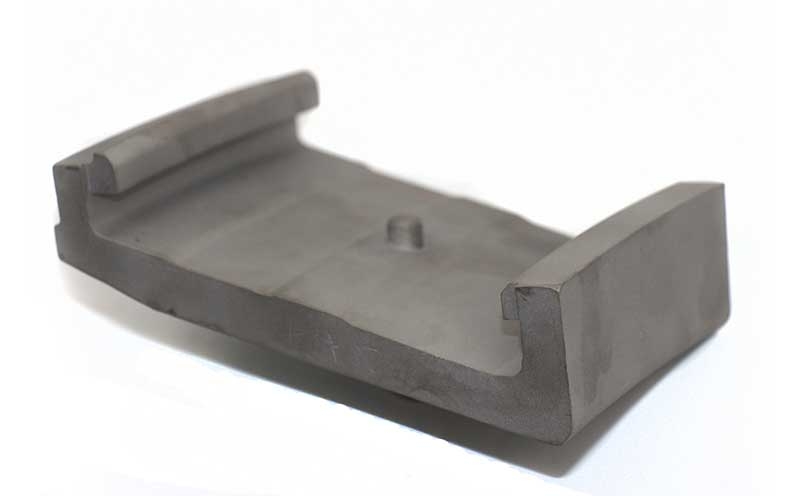
सटीक फोर्जिंग उच्च-तनाव फिटिंग्स की मुख्य तकनीक
बिलेट चयन और तापन: सुपरएलॉय इनगॉट्स (जैसे, इंकोनेल, हेस्टेलॉय) को इष्टतम प्रवाह और सूक्ष्मसंरचना शोधन के लिए 1050–1150°C के बीच फोर्जिंग तापमान तक प्रीहीट किया जाता है।
क्लोज्ड-डाई फोर्जिंग: फिटिंग्स को कस्टम डाई सेट में उच्च दबाव के तहत आकार दिया जाता है, जिससे अनाज प्रवाह को तनाव पथों के साथ संरेखित किया जाता है ताकि थकान और क्रीप प्रतिरोध बढ़ाया जा सके।
अनाज संरचना नियंत्रण: थ्रेडेड या वेल्डेड जोड़ों में विफलता को रोकने के लिए दिशात्मक अभिविन्यास के साथ अनाज आकार ASTM 10–12 तक नियंत्रित किया जाता है।
ताप उपचार: सॉल्यूशन और एजिंग उपचार यांत्रिक गुणों को बढ़ाता है और फोर्जिंग के बाद चरण संतुलन को पुनर्स्थापित करता है।
सटीक सीएनसी मशीनिंग: मल्टी-एक्सिस सीएनसी उपकरण पर अंतिम मशीनिंग सीलिंग फेस, थ्रेड्स और बोर पर ±0.02 mm सहनशीलता प्राप्त करती है।
सतह उपचार (वैकल्पिक): संक्षारण प्रतिरोध में सुधार और गैलिंग को कम करने के लिए पैसिवेशन, नाइट्राइडिंग या कोटिंग प्रक्रियाएं लागू की जाती हैं।
फोर्ज्ड सुपरएलॉय फिटिंग्स की सामग्री विशेषताएं
मिश्रधातु | अधिकतम कार्य तापमान | पराभव सामर्थ्य | ऑक्सीकरण प्रतिरोध | सामान्य अनुप्रयोग |
|---|---|---|---|---|
इंकोनेल 718 | 700°C | ≥1000 MPa | उत्कृष्ट | पावर प्लांट स्टीम लाइनें, एयरोस्पेस वाल्व |
हेस्टेलॉय X | 1100°C | ≥690 MPa | उत्कृष्ट | दहन प्रणालियाँ, रासायनिक रिएक्टर |
रेने 41 | 980°C | ≥900 MPa | बहुत उच्च | जेट इंजन केसिंग, उच्च-दबाव पाइपिंग |
केस स्टडी: एयरोस्पेस ईंधन लाइनों के लिए फोर्ज्ड इंकोनेल 718 उच्च-दबाव कपलिंग
प्रोजेक्ट पृष्ठभूमि
एक एयरोस्पेस OEM को जेट इंजन ईंधन वितरण प्रणाली के लिए उच्च-दबाव फिटिंग्स की आवश्यकता थी। फिटिंग्स को 400 बार आंतरिक दबाव का सामना करना, 650°C से अधिक तापमान पर कार्य करना और 50,000 थर्मल चक्रों के बाद आयामी अखंडता बनाए रखनी थी। इंकोनेल 718 का चयन किया गया और न्यूनतम पोस्ट-मशीनिंग के साथ आकार में फोर्ज किया गया।
विशिष्ट फोर्ज्ड उच्च-तनाव फिटिंग्स
वेल्ड नेक फ्लैंज (हेस्टेलॉय X): उच्च-दबाव रासायनिक सेवा के लिए उत्कृष्ट ऑक्सीकरण और पिटिंग प्रतिरोध के साथ फोर्ज किए गए।
एल्बो और बेंड (इंकोनेल 718): उच्च-वेग स्टीम या ईंधन लाइनों में टाइट-रेडियस प्रवाह दिशा प्रदान करते हैं, थर्मल थकान का प्रतिरोध करते हैं।
थ्रेडेड कपलिंग (रेने 41): जेट इंजन असेंबली और दबाव पात्रों में उपयोग किए जाते हैं, जो सामर्थ्य और थर्मल क्रीप प्रतिरोध को जोड़ते हैं।
रिड्यूसर और टीज़: टर्बाइन एग्जॉस्ट और पावर पाइपिंग में उपयोग किए जाने वाले कस्टम फोर्ज्ड ट्रांजिशन, क्रैक-फ्री वेल्डेबिलिटी सुनिश्चित करते हैं।
फोर्जिंग और फिनिशिंग समाधान
बिलेट तैयारी: मिश्रधातुओं को आकार के अनुसार काटा जाता है और ऑक्सीकरण को कम करने के लिए नियंत्रित-वातावरण भट्टियों में 1100°C तक गर्म किया जाता है।
सटीक क्लोज्ड-डाई फोर्जिंग: फोर्जिंग हाइड्रोलिक प्रेस पर उन डाई का उपयोग करके की जाती है जो भाग ज्यामिति और तनाव प्रोफाइल के अनुरूप बनाई गई हैं।
ट्रिमिंग और प्री-मशीनिंग: ताप उपचार से पहले फ्लैश हटाया जाता है और सतहों को <2 mm फिनिश भत्ते तक मशीनीकृत किया जाता है।
ताप उपचार: घटकों को मिश्रधातु-विशिष्ट विनिर्देशों के अनुसार सॉल्यूशन-ट्रीटेड और एज्ड किया जाता है (जैसे, इंकोनेल 718: 980°C सॉल्यूशन + 720°C एजिंग)।
सीएनसी मशीनिंग: सभी सीलिंग सतहों, थ्रेड्स और जटिल पोर्ट्स को सीएनसी सिस्टम का उपयोग करके ±0.02 mm तक मशीनीकृत किया जाता है।
सतह परिष्करण: भागों को एप्लिकेशन-विशिष्ट संक्षारण आवश्यकताओं के आधार पर Ra <1.6 µm तक पॉलिश किया जाता है या पैसिवेटेड किया जाता है।
निरीक्षण: एक्स-रे और अल्ट्रासोनिक परीक्षण आंतरिक गुणवत्ता की पुष्टि करते हैं; सीएमएम निरीक्षण ज्यामिति सत्यापित करता है।
परिणाम और सत्यापन
यांत्रिक गुण: इंकोनेल 718 फिटिंग्स ने एजिंग के बाद 1000 MPa पराभव सामर्थ्य और 1450 MPa अंतिम तन्य सामर्थ्य से अधिक प्रदर्शन किया।
दबाव परीक्षण: हाइड्रोस्टैटिक बर्स्ट परीक्षण ने रिसाव या विरूपण के बिना 1.5x रेटेड दबाव पास किया।
थर्मल चक्रण:
150–650°C के बीच 50,000 चक्र थ्रेड रिलैक्सेशन या आयामी बदलाव के बिना पूरे किए गए।
आयामी सटीकता: मशीनीकृत सुविधाएं ±0.02 mm के भीतर रखी गईं; सीलिंग फेस फ्लैटनेस <0.01 mm सीएमएम द्वारा पुष्टि की गई।
सतह और संक्षारण प्रतिरोध: 1000-घंटे के नमक स्प्रे परीक्षण या नाइट्रिक एसिड विसर्जन (ASTM G48 के अनुसार) के बाद कोई गिरावट नहीं।
अक्सर पूछे जाने वाले प्रश्न
उच्च-तनाव फिटिंग्स के लिए कास्टिंग की तुलना में सटीक फोर्जिंग के क्या लाभ हैं?
सटीक फोर्ज्ड कपलिंग और फ्लैंज में सबसे अधिक उपयोग की जाने वाली उच्च-तापमान मिश्रधातुएं कौन सी हैं?
कस्टम फोर्ज्ड इंकोनेल या हेस्टेलॉय फिटिंग्स के लिए विशिष्ट लीड टाइम क्या है?
क्या फोर्ज्ड फिटिंग्स थ्रेडेड, फ्लैंज्ड, या सॉकेट-वेल्ड एंड्स के साथ आपूर्ति की जा सकती हैं?
गुणवत्ता सत्यापित करने के लिए न्यूवे एयरोटेक कौन सी एनडीटी और आयामी परीक्षण विधियों का उपयोग करता है?
