
समतुल्य कास्टिंग सुपरएलॉय टरबाइन ब्लेड वेल्डिंग निर्माता
हॉट सेक्शन प्रदर्शन के लिए समतुल्य सुपरएलॉय टरबाइन ब्लेड की विशेषज्ञ वेल्डिंग
समतुल्य सुपरएलॉय टरबाइन ब्लेड का उपयोग औद्योगिक और बिजली उत्पादन गैस टरबाइनों में आमतौर पर किया जाता है, क्योंकि इनमें मजबूत समदैशिक यांत्रिक गुण होते हैं और दिशात्मक रूप से ठोस या एकल क्रिस्टल वेरिएंट की तुलना में अपेक्षाकृत कम लागत होती है। हालांकि, इन कास्टिंग्स—विशेष रूप से इनकोनेल, रेनी मिश्र धातु, और हैस्टेलॉय से बने—को उनकी जटिल गामा प्राइम सूक्ष्म संरचना और कास्टिंग पोरोसिटी के कारण दरार, विरूपण और गुणों के क्षरण से बचने के लिए विशेषज्ञ वेल्डिंग तकनीकों की आवश्यकता होती है।
न्यूवे एयरोटेक एक पेशेवर सुपरएलॉय वेल्डिंग निर्माता है जो बिजली उत्पादन, एयरोस्पेस, और ऊर्जा प्रणालियों में उपयोग किए जाने वाले समतुल्य-कास्ट टरबाइन ब्लेड के लिए टीआईजी और लेजर वेल्डिंग सेवाएं प्रदान करता है। सेवाओं में टिप मरम्मत, एज बिल्डअप, सतह पुनर्स्थापना और ओईएम-अनुपालक वेल्ड एकीकरण शामिल हैं।
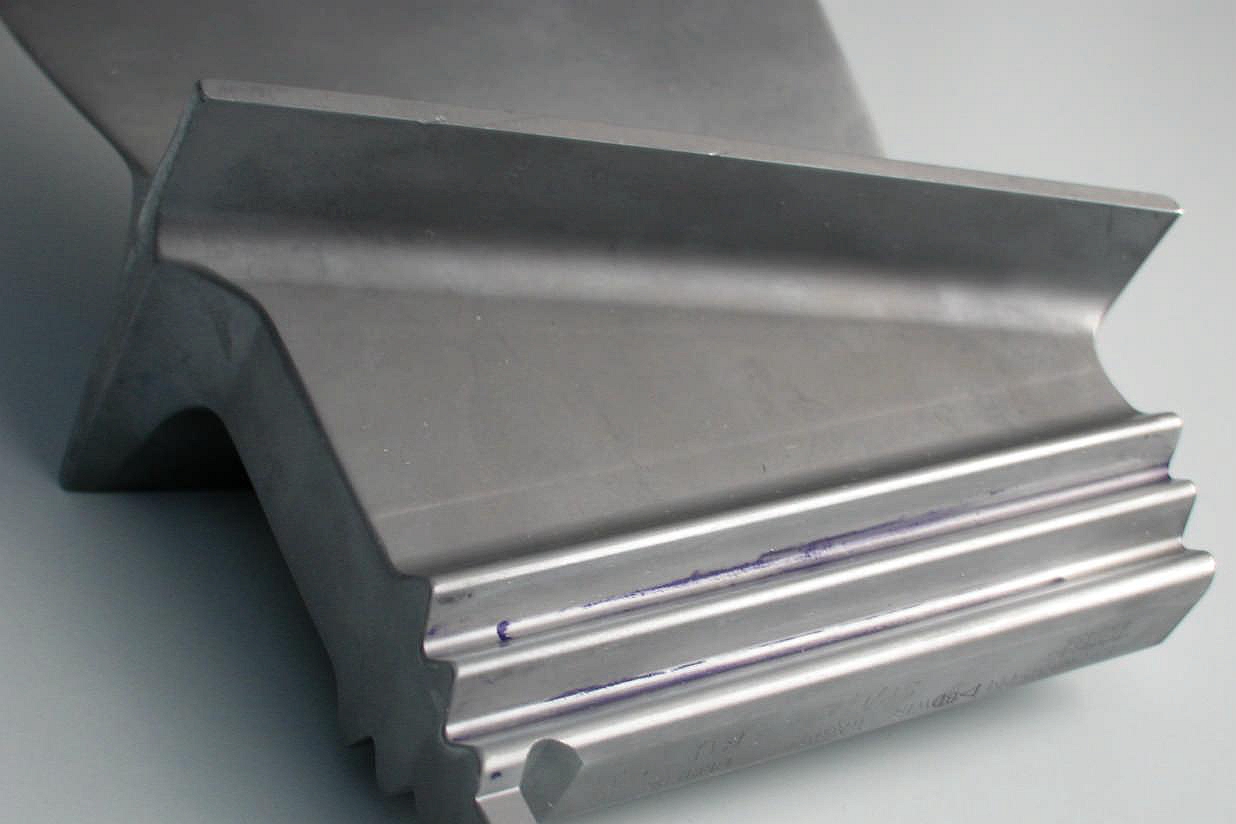
समतुल्य-कास्ट सुपरएलॉय ब्लेड के लिए वेल्डिंग प्रौद्योगिकियां
हमारा कार्यशाला थर्मली और मैकेनिकली स्ट्रेस्ड समतुल्य ब्लेड पर विश्वसनीय वेल्ड करने के लिए उन्नत सिस्टम से सुसज्जित है।
टीआईजी वेल्डिंग इनकोनेल, रेनी, और हैस्टेलॉय-मैच फिलर्स का उपयोग करके
लेजर वेल्डिंग पतली ट्रेलिंग एज और कम-विरूपण अनुप्रयोगों के लिए
वैक्यूम शील्डिंग चैंबर्स ऑक्सीकरण-संवेदनशील वेल्ड ज़ोन के लिए
पोस्ट-वेल्ड हीट ट्रीटमेंट फेज संतुलन और कठोरता को पुनर्स्थापित करने के लिए
सभी प्रक्रियाएं AS9100D, NADCAP, और OEM टरबाइन ब्लेड विनिर्देशों द्वारा समर्थित हैं।
ब्लेड वेल्डिंग में उपयोग की जाने वाली सामान्य सुपरएलॉय ग्रेड
मिश्र धातु | अधिकतम तापमान (°C) | यील्ड स्ट्रेंथ (MPa) | विशिष्ट ब्लेड अनुप्रयोग |
|---|---|---|---|
1050 | 880 | औद्योगिक टरबाइन ब्लेड | |
1040 | 960 | वेन रिंग्स, रोटर ब्लेड | |
1175 | 790 | गाइड वेन्स, एग्जॉस्ट ब्लेड | |
950 | 760 | टरबाइन व्हील ब्लेड |
ये मिश्र धातुएं समदैशिक शक्ति और वेल्डेबिलिटी के लिए समतुल्य विधियों का उपयोग करके कास्ट की जाती हैं।
केस स्टडी: रेनी 77 समतुल्य ब्लेड टिप टीआईजी वेल्ड मरम्मत
प्रोजेक्ट पृष्ठभूमि
50 MW गैस टरबाइन संचालित करने वाले एक ग्राहक को रेनी 77 समतुल्य ब्लेड पर वेल्ड मरम्मत की आवश्यकता थी जिनमें टिप क्रैकिंग और इरोजन दिखाई दे रहा था। टीआईजी वेल्डिंग मैच फिलर के साथ की गई, इसके बाद 980°C पर हीट ट्रीटमेंट और एक्स-रे परीक्षण किया गया ताकि पूर्ण फ्यूजन और दोष-मुक्त मरम्मत की पुष्टि हो सके।
विशिष्ट वेल्डेड ब्लेड प्रकार और उद्योग
ब्लेड मॉडल | विवरण | मिश्र धातु | उद्योग |
|---|---|---|---|
TBR-720 | 2 मिमी टीआईजी टिप बिल्डअप वाला हाई-प्रेशर टरबाइन ब्लेड | इनकोनेल 738 | |
VNS-500 | ट्रेलिंग एज पर लेजर सीम वेल्ड वाला वेन सेगमेंट | हैस्टेलॉय X | |
RBX-860 | टीआईजी वेल्ड और रूट प्रोफाइलिंग के साथ रोटर ब्लेड एज पुनर्स्थापना | रेनी 77 | |
STX-330 | श्राउड सीम वेल्ड और सीएमएम फिनिश वैलिडेशन वाला स्टेटर ब्लेड | इनकोनेल 713C |
सभी वेल्डों का थर्मल फटीग लाइफ और हाई-साइकल ड्यूरेबिलिटी के लिए परीक्षण किया जाता है।
समतुल्य टरबाइन ब्लेड मरम्मत में वेल्डिंग चुनौतियां
लिक्वेशन क्रैकिंग जोखिम बढ़ जाता है जब इंटरपास तापमान इनकोनेल 738 या रेनी 77 जैसी गामा प्राइम-समृद्ध समतुल्य मिश्र धातुओं में 175°C से अधिक हो जाता है।
HAZ कठोरता 420 HV से अधिक बनती है यदि ब्लेड एज या ट्रेलिंग वेल्ड के दौरान कूलिंग रेट अनियंत्रित होती है।
ऑक्सीकरण 500 ppm से ऊपर ऑक्सीजन पर टीआईजी आर्क में होता है, जिससे वेल्ड पूल सतह में पोरोसिटी और अल्फा केस हो जाता है।
वेल्ड विरूपण 0.02 मिमी से अधिक हो जाता है पतली ट्रेलिंग एज में बिना रोकथाम या प्रीहीट के समतुल्य ब्लेड सेक्शन के लिए।
अवशिष्ट तनाव प्रतिधारण >250 MPa वार्पिंग की ओर ले जाता है पोस्ट-मशीनिंग में यदि वेल्डिंग के बाद हीट ट्रीटमेंट ठीक से लागू नहीं किया जाता है।
सुपरएलॉय ब्लेड के लिए वेल्डिंग प्रक्रिया समाधान
ग्लवबॉक्स वेल्डिंग O₂ < 50 ppm के साथ ऑक्साइड समावेशन को समाप्त करती है और ट्रेलिंग एज और टिप वेल्ड पर पूर्ण फ्यूजन सुनिश्चित करती है।
इंटरपास तापमान ≤ 150°C बनाए रखा जाता है थर्मल सेंसर का उपयोग करके गामा प्राइम लिक्वेशन और ग्रेन बाउंडरी क्रैकिंग जोखिमों को कम करने के लिए।
ERNiCrMo-3 फिलर के साथ टीआईजी वेल्डिंग रसायन विज्ञान से मेल खाती है और 1050°C सेवा तापमान तक थर्मल फटीग के तहत लचीलापन बनाए रखती है।
980°C पर पोस्ट-वेल्ड हीट ट्रीटमेंट अवशिष्ट तनाव को दूर करती है और हीट-अफेक्टेड ज़ोन के भीतर ग्रेन संरचना को समरूप बनाती है।
1030°C, 100 MPa पर 4 घंटे के लिए HIP आंतरिक पोरोसिटी को बंद करती है और कास्ट समतुल्य ब्लेड मरम्मत की फटीग शक्ति को पुनर्स्थापित करती है।
परिणाम और सत्यापन
वेल्डिंग निष्पादन
टीआईजी वेल्डिंग आर्गन शील्डिंग के तहत मैच रेनी 77 फिलर का उपयोग करके लागू की गई थी। वेल्ड बिल्डअप ने ब्लेड लंबाई को ±0.01 मिमी सहनशीलता के भीतर पुनर्स्थापित किया।
पोस्ट-वेल्ड प्रसंस्करण
ब्लेड ने स्ट्रेस रिलीफ हीट ट्रीटमेंट 980°C पर 2 घंटे के लिए किया, इसके बाद वैकल्पिक HIP 1030°C, 100 MPa पर सबसरफेस वॉइड्स को समाप्त करने के लिए किया गया।
निरीक्षण
एक्स-रे निरीक्षण ने वेल्ड निरंतरता की पुष्टि की। सीएमएम ने एयरफॉइल प्रोफाइल को ±0.008 मिमी के भीतर पुष्टि की। एसईएम विश्लेषण ने सेकेंडरी फेज दोषों के बिना पूर्ण ग्रेन फ्यूजन दिखाया।
अक्सर पूछे जाने वाले प्रश्न
समतुल्य ब्लेड वेल्डिंग के लिए कौन सी रेनी और इनकोनेल मिश्र धातुएं उपयुक्त हैं?
टरबाइन ब्लेड वेल्डिंग के बाद किस हीट ट्रीटमेंट का उपयोग किया जाता है?
क्या पतली ट्रेलिंग एज को बिना विरूपण के लेजर वेल्ड किया जा सकता है?
आप वेल्डेड टरबाइन ब्लेड का निरीक्षण कैसे करते हैं?
क्या आप ब्लेड वेल्ड मरम्मत के बाद कोटिंग प्रदान करते हैं?
