
Corrax (CX) ऑन-डिमांड कस्टम ऑटोमोटिव पार्ट्स 3D प्रिंटिंग
ऑटोमोटिव 3D प्रिंटिंग के लिए Corrax स्टेनलेस टूल स्टील का परिचय
Corrax (CX) एक अवक्षेपण-कठोरित (precipitation-hardened) स्टेनलेस टूल स्टील है, जो अपनी उच्च शक्ति, संक्षारण प्रतिरोध और उत्कृष्ट पॉलिश करने की क्षमता के लिए जाना जाता है। एज हार्डनिंग के बाद इसकी आयामी स्थिरता और प्रदर्शन इसे उन ऑटोमोटिव मोल्ड, डाई इन्सर्ट, ब्रैकेट और प्रदर्शन घटकों के लिए आदर्श बनाता है जिन्हें परिशुद्धता और टिकाऊपन की आवश्यकता होती है।
Neway Aerotech में, हमारी स्टेनलेस स्टील 3D प्रिंटिंग सेवाएं चयनात्मक लेजर मेल्टिंग (SLM) का उपयोग करके कम लीड समय के साथ अनुकूलित ऑटोमोटिव टूलिंग और अंतिम उपयोग घटकों के लिए कस्टम Corrax पार्ट्स के ऑन-डिमांड विनिर्माण को सक्षम बनाती हैं।
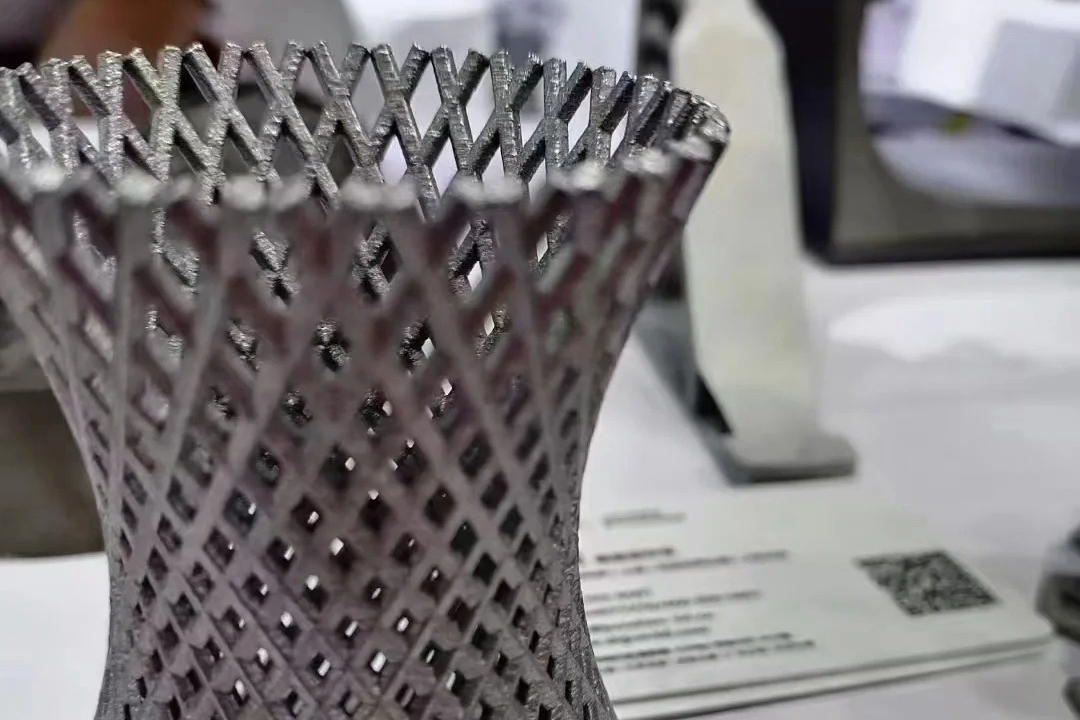
Corrax (CX) के लिए SLM योगात्मक विनिर्माण क्षमताएं
प्रक्रिया विनिर्देश
पैरामीटर | मान | ऑटोमोटिव घटकों के लिए प्रासंगिकता |
|---|---|---|
परत की मोटाई | 30–50 µm | उच्च विवरण रिज़ॉल्यूशन का समर्थन करता है |
सतह खुरदरापन (जैसा-निर्मित) | Ra 8–12 µm | मोल्ड और संपर्क सतहों के लिए आदर्श |
एजिंग के बाद कठोरता | ~48 HRC | घिसाव-प्रवण टूलिंग के लिए टिकाऊ |
निर्माण वातावरण | आर्गन | संक्षारण और यांत्रिक अखंडता बनाए रखता है |
मशीनेबिलिटी | एजिंग के बाद उत्कृष्ट | प्रिंट के बाद ड्रिलिंग और रीमिंग का समर्थन करता है |
ऑटोमोटिव अनुप्रयोगों के लिए Corrax आदर्श क्यों है
गुण | मान | ऑटोमोटिव उपयोग मामला |
|---|---|---|
तन्य शक्ति | ~1200 MPa (एज्ड) | उच्च-शक्ति वाले ब्रैकेट और इन्सर्ट घटक |
एजिंग प्रतिक्रिया | समायोज्य (H900–H1025) | कठोरता या कठोरता आवश्यकताओं के लिए ट्यून करने योग्य |
संक्षारण प्रतिरोध | 420 स्टेनलेस के तुलनीय | खुले हुड के नीचे के वातावरण के लिए उपयुक्त |
थर्मल स्थिरता | उत्कृष्ट | गर्म मोल्ड टूलिंग में आकार बनाए रखता है |
पॉलिश करने की क्षमता | बहुत उच्च | क्लास A सतह मोल्ड और हाउसिंग के लिए उपयुक्त |
पोस्ट-प्रोसेसिंग और फिनिशिंग रणनीति
हीट ट्रीटमेंट: वांछित शक्ति और आयामी परिशुद्धता के लिए 520–550°C पर एज हार्डेड।
CNC मशीनिंग: मोल्ड में माउंटिंग फेस, थ्रेडेड बोर्स या पार्टिंग लाइनों पर लागू किया जाता है।
पासीवेशन: फील्ड-तैनात घटकों के लिए संक्षारण प्रतिरोध में सुधार करता है।
सतह फिनिशिंग: अंतिम उपयोग के आधार पर पॉलिशिंग या ब्लास्टिंग (क्लास A सतहें या संरचनात्मक उपयोग)।
केस स्टडी: ऑटोमोटिव HVAC हाउसिंग टूल के लिए 3D प्रिंटेड Corrax मोल्ड इन्सर्ट
परियोजना पृष्ठभूमि
एक ऑटोमोटिव टियर 1 आपूर्तिकर्ता को एकीकृत क्लिप और अंडरकट्स वाले प्लास्टिक HVAC हाउसिंग घटक के लिए एक कस्टम इंजेक्शन मोल्ड इन्सर्ट की आवश्यकता थी। नमी वाले वातावरण और कूलिंग लुब्रिकेंट के बार-बार संपर्क में आने के कारण इन्सर्ट को संक्षारण प्रतिरोध की आवश्यकता थी।
विनिर्माण वर्कफ़्लो
डिज़ाइन: कूलिंग चैनलों और क्लिप-रिलीज़ सुविधाओं वाला विस्तृत इन्सर्ट मॉडल।
सामग्री: Corrax टूल स्टील पाउडर, D50 ~35 µm।
प्रिंटिंग: 40 µm लेयर हाइट, 350 W लेजर, आर्गन शील्डिंग के साथ SLM।
पोस्ट-प्रोसेसिंग:
4 घंटे के लिए 525°C पर हीट एज्ड।
मिलान सतहें ±0.01 मिमी तक CNC मशीन की गईं।
कूलिंग चैनलों को रीम और साफ किया गया।
सत्यापन:
कोर/कैविटी ज्यामिति का CMM निरीक्षण।
टूल स्थापित किया गया और शून्य घिसाव या विकृति के साथ 10,000 इंजेक्शन चक्र चलाए गए।
परिणाम और सत्यापन
Corrax इन्सर्ट ने पारंपरिक मशीनिंग की तुलना में मोल्ड विकास समय को 50% तक कम कर दिया। सतह पॉलिश VDI 3400 क्लास 12 फिनिश को पूरा करती है, और इन्सर्ट ने दरार शुरू होने या संक्षारण के किसी भी संकेत के बिना 200+ घंटे के उत्पादन के माध्यम से रूप बनाए रखा। ग्राहक ने अतिरिक्त सेंसर और ट्रिम टूलिंग के लिए इसके उपयोग का विस्तार किया।
अक्सर पूछे जाने वाले प्रश्न (FAQs)
ऑटोमोटिव मोल्ड में Corrax और H13 जैसे पारंपरिक टूल स्टील्स के बीच क्या अंतर है?
क्या Corrax 3D प्रिंटेड पार्ट्स का उपयोग टूलिंग से परे संरचनात्मक अनुप्रयोगों में किया जा सकता है?
क्या Corrax अंडरहुड ब्रैकेट या कंपन-अवशोषित असेंबली के लिए उपयुक्त है?
Corrax शक्ति बनाम लचीलेपन के लिए एजिंग हीट ट्रीटमेंट को कैसे अनुकूलित किया जाता है?
Corrax प्रिंट्स पर पॉलिश करने की क्षमता और संक्षारण सुरक्षा में किन सतह उपचारों से सुधार होता है?
