
जटिल सुपरमिश्र धातु टर्बो चार्जर पुर्जों के लिए 5-अक्ष सीएनसी मशीनिंग
उच्च-प्रदर्शन टर्बोचार्जर घटकों के लिए परिशुद्ध विनिर्माण
उच्च तापमान वाली सुपरमिश्र धातुओं से बने टर्बोचार्जर घटकों को चरम संचालन स्थितियों के तहत आयामी स्थिरता, तापीय प्रतिरोध और वायुगतिकीय दक्षता बनाए रखने के लिए परिशुद्ध मशीनिंग की आवश्यकता होती है। इम्पेलर, टर्बाइन व्हील, डिफ्यूज़र और हाउसिंग जैसे ये पुर्जे अक्सर जटिल वक्र ज्यामिति, पतली दीवार वाली संरचनाओं और गहरी गुहाओं वाले होते हैं, जिनके लिए माइक्रोन-स्तर की सटीकता के साथ एक साथ बहु-अक्ष मशीनिंग की आवश्यकता होती है।
Neway AeroTech उच्च-प्रदर्शन सुपरमिश्र धातुओं सहित Inconel 625, Rene 88, और Hastelloy X का उपयोग करके जटिल टर्बोचार्जर पुर्जों की 5-अक्ष सीएनसी मशीनिंग में विशेषज्ञता रखता है।
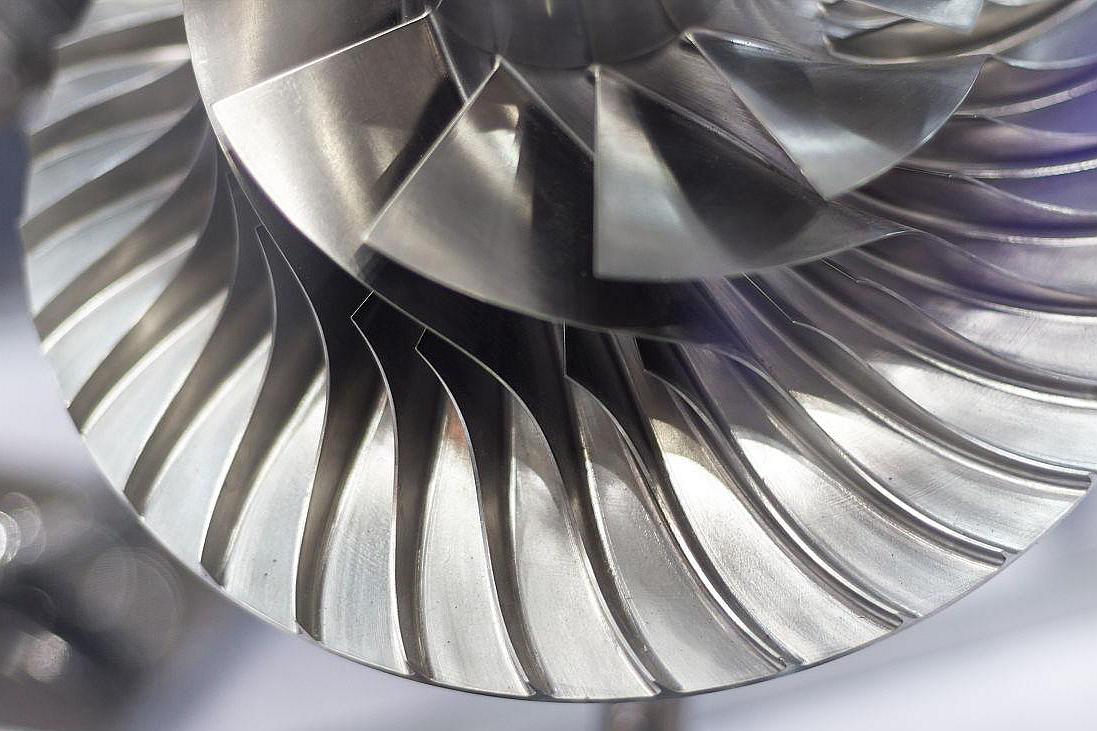
5-अक्ष टर्बोचार्जर मशीनिंग के लिए कोर तकनीकें
गहरी जेबों, यौगिक वक्रों और रेडियल सममिति वाले टर्बोचार्जर घटकों को तुल्यकालित गति और रीयल-टाइम परिशुद्धता नियंत्रण की आवश्यकता होती है।
अंडरकट्स, इम्पेलर वेन्स और आंतरिक सतहों के लिए 5-अक्ष एक साथ मिलिंग
रेडियल सममिति और पतली दीवार स्थिरता के लिए टूलपाथ अनुकूलन
बारीक किनारे विवरणों के लिए 30,000 आरपीएम तक हाई-स्पीड स्पिंडल मशीनिंग
±0.005 मिमी के भीतर स्थिति सुधार और दोहराने योग्य सहनशीलता नियंत्रण के लिए प्रक्रिया के दौरान जांच (इन-प्रोसेस प्रोबिंग)
सभी मशीनिंग संचालन AS9100D मानकों और टर्बोचार्जर उद्योग सहनशीलताओं का पालन करते हैं।
टर्बोचार्जर घटकों के लिए सुपरमिश्र धातुएं
मिश्र धातु | अधिकतम तापमान (°C) | यील्ड स्ट्रेंथ (MPa) | अनुप्रयोग |
|---|---|---|---|
980 | 827 | एग्जॉस्ट हाउसिंग, कंप्रेसर डिफ्यूज़र | |
980 | 1450 | टर्बाइन व्हील, रोटर ब्लेड | |
1175 | 790 | दहनक संक्रमण, टर्बो श्राउड |
ये सामग्रियां उच्च घूर्णी गति के तहत तापीय थकान प्रतिरोध, ऑक्सीकरण सुरक्षा और संरचनात्मक अखंडता प्रदान करती हैं।
केस स्टडी: Inconel 625 टर्बो डिफ्यूज़र की 5-अक्ष सीएनसी मशीनिंग
परियोजना पृष्ठभूमि
एक टर्बोचार्जर ओईएम (OEM) को आंतरिक वक्रता और सर्पिल वायु प्रवाह पथ वाले Inconel 625 डिफ्यूज़र की उच्च-परिशुद्धता मशीनिंग की आवश्यकता थी। सहनशीलता: वैन स्पेसिंग पर ±0.006 मिमी, रा (Ra) ≤ 0.4 μm सतह फिनिश, और माउंटिंग फ्लैंज भर में रनआउट <0.01 मिमी।
विशिष्ट टर्बोचार्जर पार्ट मॉडल और अनुप्रयोग
घटक | सामग्री | सटीकता | उद्योग |
|---|---|---|---|
इम्पेलर रोटर | Rene 88 | ±0.005 मिमी | |
डिफ्यूज़र हाउसिंग | Inconel 625 | ±0.006 मिमी | |
एग्जॉस्ट गाइड वैन | Hastelloy X | ±0.010 मिमी | |
शाफ्ट कपलिंग | Inconel 718 | ±0.004 मिमी |
सभी घटकों को यांत्रिक शक्ति, कंपन सहनशीलता और गैस प्रवाह अनुकूलन के लिए सत्यापित किया गया है।
सुपरमिश्र धातु टर्बो पुर्जों के लिए 5-अक्ष मशीनिंग चुनौतियां
बहु-प्रवेश कटिंग पथ के साथ बड़ी वक्र सतहों पर ±0.005 मिमी सहनशीलता बनाए रखना
उच्च कटिंग दबाव के तहत पतली दीवार वाले टर्बो कैसिंग में टूल विक्षेपण नियंत्रण
इम्पेलर वेन्स और आंतरिक ब्लेड के पिछले किनारों पर बर्र-मुक्त फिनिश
घूर्णी इंटरफेस पर रनआउट सीमा <0.01 मिमी
कम तापीय चालकता वाली मिश्र धातुओं में रफिंग के दौरान ऊष्मा नियंत्रण
जटिल टर्बोचार्जर घटक विनिर्माण के लिए सीएनसी समाधान
3डी कॉन्टूर पर ओवरकटिंग और किनारे विकृति को रोकने के लिए गतिशील टूलपाथ सिमुलेशन
उच्च-शक्ति वाली सामग्रियों में आयामी स्थिरता बनाए रखने के लिए कूलेंट-थ्रू उच्च-दृढ़ता टूलिंग
इम्पेलर ब्लेड फिलेट्स और वैन संक्रमण को तराशने के लिए बैरल टूल और बुल-नोज एंड मिल
सभी माउंटिंग चेहरों पर बोर संरेखण और रनआउट को सत्यापित करने के लिए प्रक्रिया के दौरान सीएमएम (CMM) और प्रोबिंग
वार्पिंग को कम करने के लिए फिनिश मिलिंग से पहले तनाव मुक्ति ऊष्मा उपचार
परिणाम और सत्यापन
विनिर्माण विधियां
सभी पुर्जों का उत्पादन वैक्यूम निवेश कास्टिंग या फोर्ज्ड ब्लैंक से किया गया था। अंतिम मशीनिंग 20–400 मिमी/मिन की कटिंग फीड दरों और 0.2 मिमी के स्टेपडाउन के साथ 5-अक्ष हाई-स्पीड सीएनसी का उपयोग करके की गई।
परिशुद्ध फिनिशिंग
महत्वपूर्ण प्रवाह सतहों को Ra ≤ 0.4 μm तक पॉलिश किया गया। अनुकूली टूलपाथ रणनीतियों का उपयोग करके ±0.005 मिमी सहनशीलता के साथ 0.2 मिमी से कम त्रिज्या वाले किनारे फिलेट्स को बनाए रखा गया।
पोस्ट-प्रोसेसिंग
मशीनिंग के बाद, पुर्जों का उपचार HIP और ऊष्मा उपचार के साथ किया गया। बढ़ी हुई तापीय टिकाऊपन के लिए आंतरिक सतहों पर वैकल्पिक TBC कोटिंग्स लगाई गईं।
निरीक्षण
CMM निरीक्षण ने ±0.006 मिमी के भीतर प्रोफाइल सहनशीलता सुनिश्चित की। एक्स-रे निरीक्षण ने संरचनात्मक अखंडता की पुष्टि की। SEM विश्लेषण ने मशीनिंग के बाद सतह की गुणवत्ता और सूक्ष्म संरचना को सत्यापित किया।
अक्सर पूछे जाने वाले प्रश्न (FAQs)
आप टर्बोचार्जर इम्पेलर मशीनिंग में अधिकतम जटिलता क्या प्राप्त कर सकते हैं?
आप Hastelloy या Inconel पुर्जों में ऊष्मा और विरूपण का प्रबंधन कैसे करते हैं?
क्या आप एक ही सेटअप में प्रवाह चैनलों और माउंटिंग सुविधाओं दोनों को मशीन कर सकते हैं?
आप शाफ्ट और रोटर जैसे घूर्णी घटकों पर किस तरह की सहनशीलता बनाए रख सकते हैं?
क्या आप टर्बोचार्जर पुर्जों के लिए कोटिंग या ईडीएम (EDM) एकीकरण प्रदान करते हैं?
