Ti-13V-11Cr-3Al (TC11)
सामग्री का परिचय
Ti-13V-11Cr-3Al (TC11) एक उच्च-शक्ति, उच्च-प्रदर्शन वाला टाइटेनियम मिश्र धातु है जिसे मांगपूर्ण एयरोस्पेस, ऊर्जा और रक्षा अनुप्रयोगों के लिए इंजीनियर किया गया है। एक अस्थिर बीटा टाइटेनियम मिश्र धातु के रूप में, TC11 उत्कृष्ट हार्डेनेबिलिटी, उत्कृष्ट फॉर्मेबिलिटी और एक बेहतर शक्ति-से-वजन अनुपात प्रदान करता है। जब Neway AeroTech के समर्पित सुपरलॉय 3D प्रिंटिंग और औद्योगिक टाइटेनियम 3D प्रिंटिंग जैसे उन्नत योगात्मक विनिर्माण प्रणालियों के माध्यम से संसाधित किया जाता है, तो TC11 जटिल आंतरिक चैनलों और अनुकूलित वायुगतिक ज्यामिति वाले हल्के, संरचनात्मक रूप से कुशल भागों के उत्पादन को सक्षम बनाता है। इसका असाधारण थकान प्रतिरोध, तापीय स्थिरता और संक्षारण प्रदर्शन इसे एयरोस्पेस इंजन घटकों, एयरफ्रेम संरचनाओं, ऊर्जा रूपांतरण असेंबलियों और उच्च-लोड ब्रैकेट के लिए उपयुक्त बनाता है जिन्हें परिवर्तनीय तापीय और यांत्रिक तनावों के تحت दीर्घकालिक टिकाऊपन की आवश्यकता होती है।
अंतर्राष्ट्रीय नाम या प्रतिनिधि ग्रेड
देश/क्षेत्र | सामान्य नाम | प्रतिनिधि ग्रेड |
|---|---|---|
USA | Ti-13V-11Cr-3Al | TC11 |
यूरोप | बीटा टाइटेनियम मिश्र धातु | BTi-13-11-3 |
जापान | उच्च-शक्ति टाइटेनियम मिश्र धातु | Ti-13V-11Cr-3Al |
चीन | TC11 टाइटेनियम मिश्र धातु | TC11 |
एयरोस्पेस उद्योग | बीटा टाइटेनियम संरचनात्मक मिश्र धातु | Ti-13-11-3 |
वैकल्पिक सामग्री विकल्प
प्रदर्शन और पर्यावरणीय आवश्यकताओं के आधार पर, कई टाइटेनियम और उच्च-तापमान वाली सामग्रियां विकल्प के रूप में कार्य करती हैं। संतुलित शक्ति और संक्षारण प्रतिरोध के लिए, Ti-6Al-4V (TC4) एयरोस्पेस और चिकित्सा घटकों के लिए व्यापक रूप से उपयोग किया जाने वाला विकल्प बना हुआ है। जब उच्च फ्रैक्चर टफनेस या बेहतर बायोकोम्पेटिबिलिटी की आवश्यकता होती है, तो Ti-6Al-4V ELI एक उपयुक्त विकल्प है। उच्च तापमान प्रतिरोध की आवश्यकता वाले अनुप्रयोगों के लिए, बीटा मिश्र धातु जैसे कि Beta C और Ti-5553 उच्च तापमान पर बेहतर यांत्रिक स्थिरता प्रदान करते हैं। चरम गर्मी और ऑक्सीकरण स्थितियों के लिए, निकेल-आधारित मिश्र धातु जैसे कि Inconel 718 या उच्च-शक्ति वाले कोबाल्ट मिश्र धातु जैसे कि Stellite 21 बेहतर तापीय सहनशीलता प्रदान करते हैं। ये विकल्प प्रदर्शन, लागत और संचालन पर्यावरण बाधाओं को पूरा करने वाली सामग्रियों का चयन करने में लचीलापन सुनिश्चित करते हैं।
डिज़ाइन उद्देश्य
TC11 मूल रूप से एक टाइटेनियम मिश्र धातु प्रदान करने के लिए डिज़ाइन किया गया था जो मध्यवर्ती तापमान पर असाधारण शक्ति और थकान स्थिरता बनाए रखते हुए अल्फा-बीटा ग्रेड की तुलना में वर्कएबिलिटी में सुधार कर सके। मिश्र धातु का वैनेडियम, क्रोमियम और एल्यूमीनियम का सावधानीपूर्वक संतुलन बीटा चरण को स्थिर करता है, जिससे बढ़ी हुई कोल्ड फॉर्मेबिलिटी, हीट ट्रीटेबिलिटी और वेल्डेबिलिटी सक्षम होती है। योगात्मक विनिर्माण में, यह डिज़ाइन इरादा हल्के और टोपोलॉजी-अनुकूलित घटक बनाने की ओर विकसित होता है जो यांत्रिक भार, तापीय चक्रण और संक्षारक संचालन वातावरण का सामना करते हैं, जबकि डिजाइनरों को संरचनात्मक प्रदर्शन से समझौता किए बिना द्रव्यमान कम करने में सक्षम बनाते हैं।
रासायनिक संरचना (विशिष्ट सीमा)
तत्व | संरचना (%) |
|---|---|
टाइटेनियम (Ti) | शेष |
वैनेडियम (V) | 13 |
क्रोमियम (Cr) | 11 |
एल्यूमीनियम (Al) | 3 |
लोहा (Fe) | ≤ 0.3 |
ऑक्सीजन (O) | ≤ 0.15 |
कार्बन (C) | ≤ 0.05 |
नाइट्रोजन (N) | ≤ 0.05 |
भौतिक गुण
गुण | मान |
|---|---|
घनत्व | ~4.65 g/cm³ |
गलनांक | ~1660°C |
तापीय चालकता | 7–10 W/m·K |
विद्युत प्रतिरोधकता | ~1.7 μΩ·m |
विशिष्ट ऊष्मा धारिता | ~540 J/kg·K |
यांत्रिक गुण
गुण | विशिष्ट मान |
|---|---|
तन्य शक्ति | 1100–1250 MPa |
उपज शक्ति | 980–1100 MPa |
दीर्घीकरण | 8–12% |
कठोरता | 38–42 HRC |
थकान शक्ति | उच्�� थकान सहनशीलता |
मुख्य सामग्री विशेषताएं
एयरोस्पेस संरचनात्मक घटकों के लिए बहुत उच्च शक्ति और उत्कृष्ट शक्ति-से-घनत्व अनुपात
चक्रीय लोडिंग और गतिशील तनाव के तहत बेहतर थकान प्रतिरोध
एक अस्थिर बीटा टाइटेनियम मिश्र धातु के लिए उत्कृष्ट फॉर्मेबिलिटी
यांत्रिक प्रदर्शन को ट्यून करने के लिए हीट ट्रीटमेंट का उत्कृष्ट प्रतिसाद
एयरोस्पेस और औद्योगिक स्थितियों में ऑक्सीकरण और संक्षारण के प्रति उच्च प्रतिरोध
मध्य-तापमान सीमा में स्थिर सूक्ष्म संरचना, ऊर्जा और विमानन घटकों के लिए आदर्श
योगात्मक विनिर्माण के साथ उत्कृष्ट संगतता, पतली दीवार और जटिल ज्यामिति को सक्षम बनाती है
चयनात्मक लेजर मेल्टिंग के बाद अच्छी वेल्डेबिलिटी और विनिर्माण योग्यता
महत्वपूर्ण भार-वाहक भागों के लिए उपयुक्त उच्च फ्रैक्चर टफनेस
हल्के, टोपोलॉजी-अनुकूलित डिजाइनों में मजबूत प्रदर्शन
विभिन्न प्रक्रियाओं में विनिर्माण योग्यता
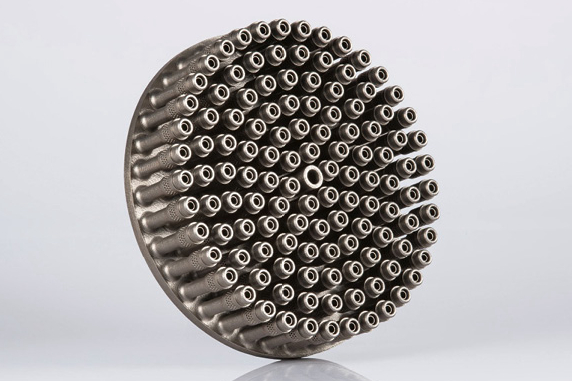
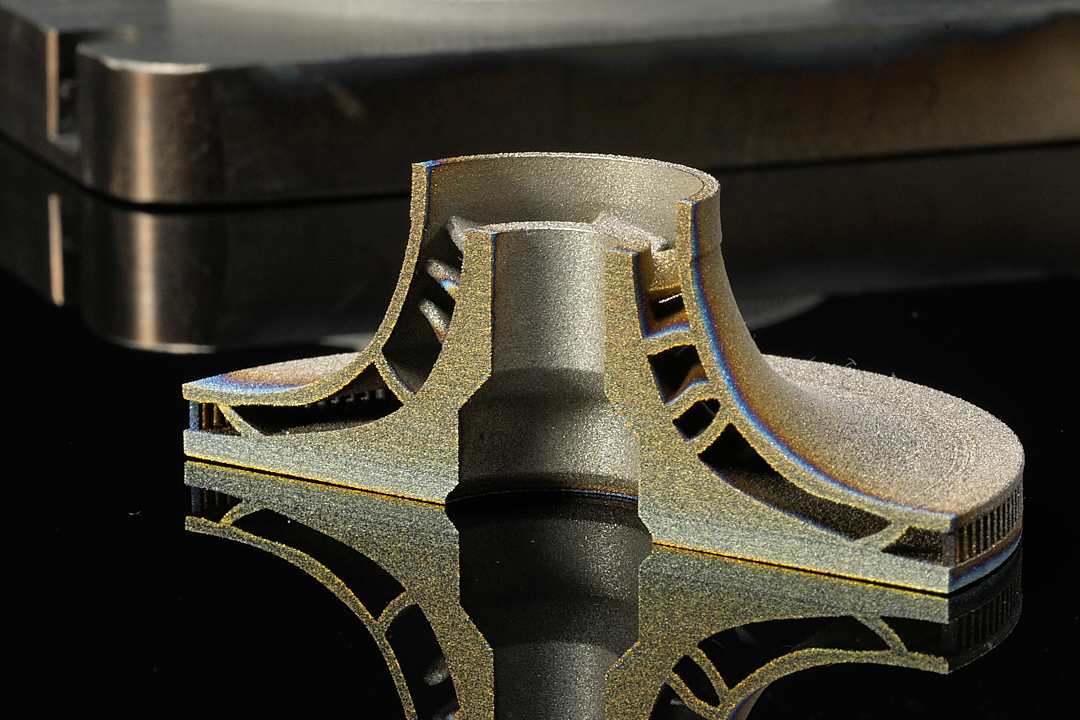
योगात्मक विनिर्माण: पाउडर बेड फ्यूजन हल्के, उच्च-शक्ति वाली संरचनाओं के सटीक निर्माण को सक्षम बनाता है; Neway की विशेषज्ञ टाइटेनियम 3D प्रिंटिंग के माध्यम से अनुकूलित।
CNC मशीनिंग: बीटा टाइटेनियम मिश्र धातुओं को नियंत्रित कटिंग पैरामीटर की आवश्यकता होती है, जो उन्नत सुपरलॉय CNC मशीनिंग क्षमताओं द्वारा समर्थित है।
EDM: जटिल चैनलों और दुर्गम ज्यामिति के लिए सुपरलॉय EDM के माध्यम से सटीक आकार देने के साथ संगत।
गहरा छिद्र ड्रिलिंग: विशेषज्ञ गहरा छिद्र ड्रिलिंग समाधानों का उपयोग करके संसाधित करने �र तापीय भार के तहत स्थिर प्रदर्शन।
हीट ट्रीटमेंट: इंजीनियर्ड सुपरलॉय हीट ट्रीटमेंट प्रक्रियाओं के माध्यम से बहु-चरणीय एजिंग और सॉल्यूशन ट्रीटमेंट का अच्छा प्रतिसाद।
वैक्यूम निवेश कास्टिंग: हालांकि आम तौर पर उपयोग नहीं किया जाता है, कुछ बीटा टाइटेनियम आकारों को टाइटेनियम मिश्र धातु कास्टिंग सिद्धांतों के साथ संरेखित किया जा सकता है।
वेल्डिंग: बीटा-स्थिरीकृत संरचना नियंत्रित पैरामीटर का उपयोग करके सुपरलॉय वेल्डिंग का उपयोग करके उच्च-गुणवत्ता वाले जुड़ाव का समर्थन करती है।
उपयुक्त पोस्ट-प्रोसेसिंग विधियां
छिद्रता को खत्म करने और थकान प्रदर्शन में सुधार करने के लिए HIP के माध्यम से हॉट आइसोस्टैटिक प्रेसिंग (HIP)
लक्षित शक्ति, तन्यता और कठोरता प्राप्त करने के लिए बहु-चरणीय हीट ट्रीटमेंट
एयरोस्पेस संरचनाओं में आयामी सटीकता के लिए सतह मशीनिंग
भार-वाहक घटकों में सतह खुरदरापन कम करने के लिए पॉलिशिंग और फिनिशिंग
उन्नत सामग्री परीक्षण का उपयोग करके गैर-विनाशकारी मूल्यांकन
योगात्मक विनिर्माण के बाद पाउडर हटाने के लिए रासायनिक और यांत्रिक सफाई
थकान प्रदर्शन को बढ़ाने के लिए शॉट पीनिंग या सतह प्रबलीकरण
सामान्य उद्योग और अनुप्रयोग
एयरोस्पेस फास्टनर, ब्रैकेट और संरचनात्मक कनेक्टर
विमान भार-वाहक रिब, फ्रेम और उच्च-तनाव लिंकेज
ऊर्जा क्षेत्र टर्बाइन घटक और दबाव-प्रतिरोधी भाग
रक्षा और सैन्य हल्के संरचनात्मक असेंबली
उच्च शक्ति और कम द्रव्यमान की आवश्यकता वाले ऑटोमोटिव रेसिंग घटक
थकान-प्रतिरोधी टाइटेनियम समाधानों की आवश्यकता वाली औद्योगिक मशीनरी
इस सामग्री का चयन कब करें
जब अत्यधिक उच्च शक्ति और थकान-प्रतिरोधी प्रदर्शन आवश्यक हो
जब एयरोस्पेस या ऊर्जा संरचनाओं के लिए हल्के टाइटेनियम मिश्र धातु की आवश्यकता हो
जब घटक चक्रीय लोडिंग के साथ मध्य-तापमान सेवा स्थितियों का अनुभव करते हैं
जब टोपोलॉजी-अनुकूलित या पतली-दीवार ज्यामिति को योगात्मक विनिर्माण के माध्यम से उत्पादित किया जाना चाहिए
जब अल्फा-बीटा टाइटेनियम मिश्र धातुओं की तुलना में बेहतर फॉर्मेबिलिटी और हीट-ट्रीटेबिलिटी की आवश्यकता हो
जब भार क्षमता से समझौता किए बिना वजन में कमी महत्वपूर्ण हो
जब संक्षारक या ऑक्सीकरण वातावरण दीर्घकालिक संरचनात्मक स्थिरता की मांग करते हैं
जब उच्च-परिशुद्धता असेंबलियों के लिए वेल्डेबिलिटी और स्थिर यांत्रिक गुण आवश्यक हों
संबंधित ब्लॉग एक्सप्लोर करें