चौथी पीढ़ी
सामग्री का परिचय
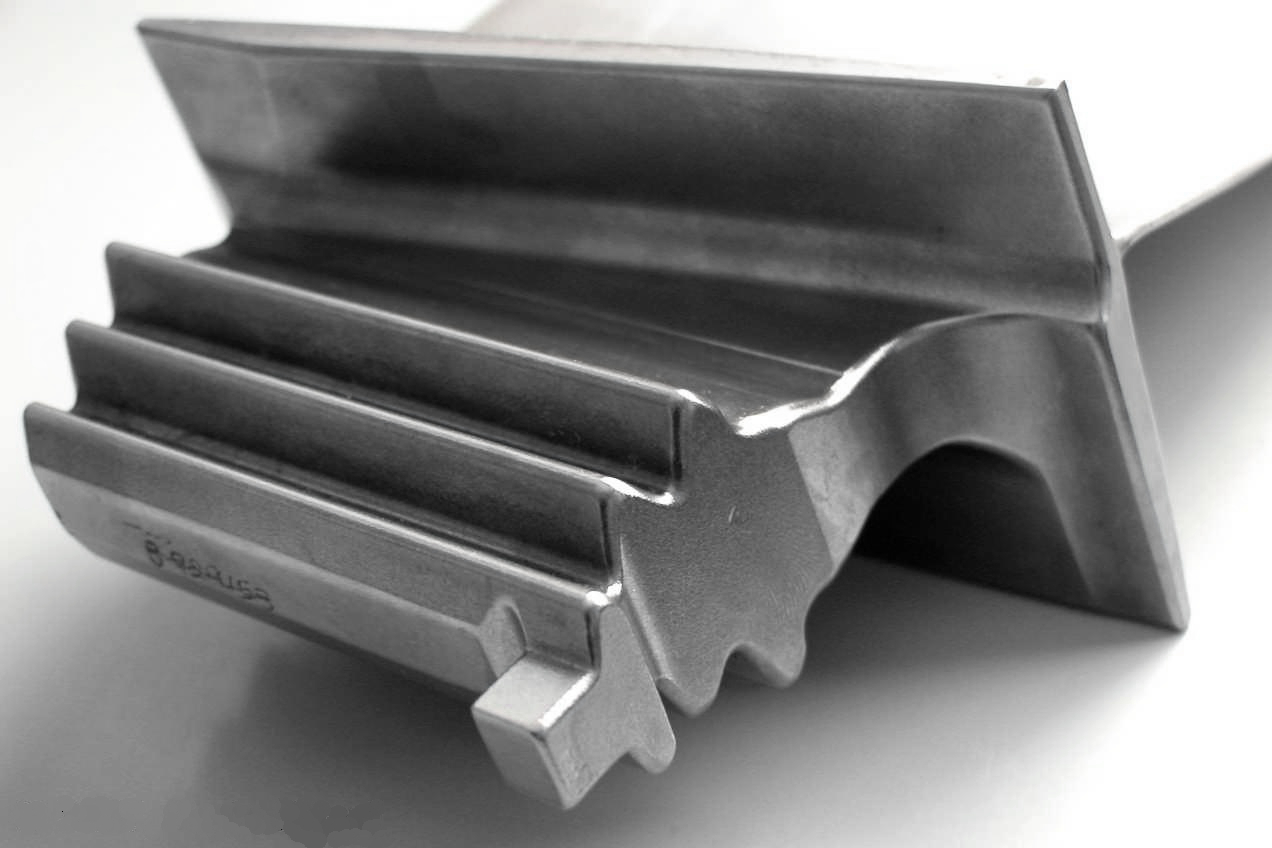
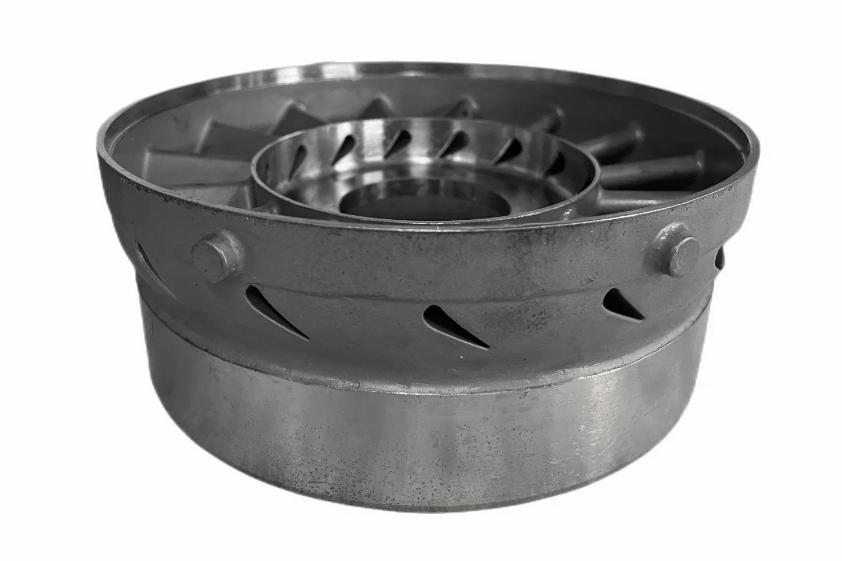
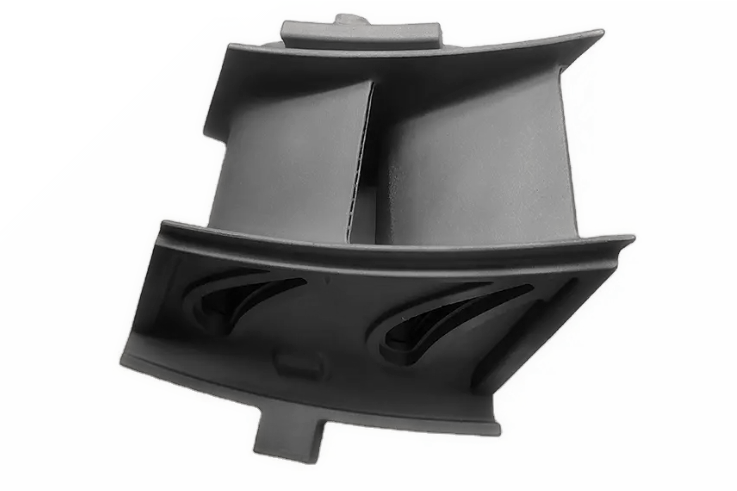
चौथी पीढ़ी की एकल क्रिस्टल सुपरमिश्र धातुएं निकेल-आधारित टर्बाइन सामग्रियों में वर्तमान अत्याधुनिक स्थिति का प्रतिनिधित्व करती हैं, जिन्हें विशेष रूप से उन चरम-तापमान अनुप्रयोगों के लिए डिज़ाइन किया गया है जहां पिछली पीढ़ियां अपने प्रदर्शन सीमाओं के करीब पहुंच जाती हैं। अत्यधिक नियंत्रित चौथी पीढ़ी एकल-क्रिस्टल कास्टिंग के माध्यम से उत्पादित, ये मिश्र धातुएं आमतौर पर रूथेनियम के साथ-साथ रेनियम और अन्य रिफ्रैक्टरी तत्वों के उच्च स्तर को शामिल करती हैं, जो अत्यधिक उच्च धातु तापमान पर क्रीप, ऑक्सीकरण और हॉट कोरोजन के खिलाफ असाधारण प्रतिरोध प्रदान करती हैं। Neway AeroTech के उन्नत वैक्यूम इन्वेस्टमेंट कास्टिंग प्लेटफॉर्म, परिशुद्ध थर्मल ग्रेडिएंट प्रबंधन, और अनुकूलित बीज तकनीक (seed technology) के साथ, चौथी पीढ़ी के एकल क्रिस्टल घटक अल्ट्रा-क्लीन माइक्रोस्ट्रक्चर, कसकर नियंत्रित क्रिस्टल ओरिएंटेशन, और न्यूनतम कास्टिंग दोष प्राप्त करते हैं। जब इनके साथ अनुकूलित हीट ट्रीटमेंट, HIP घनीकरण, और मजबूत थर्मल बैरियर कोटिंग सिस्टम को जोड़ा जाता है, तो ये मिश्र धातुएं उच्च टर्बाइन इनलेट तापमान, लंबी सेवा जीवन, और सबसे मांग वाली एयरोस्पेस इंजन और पावर जनरेशन टर्बाइनों के लिए सर्वोत्तम श्रेणी की दक्षता को सक्षम बनाती हैं।
वैक���्पिक सामग्री विकल्प
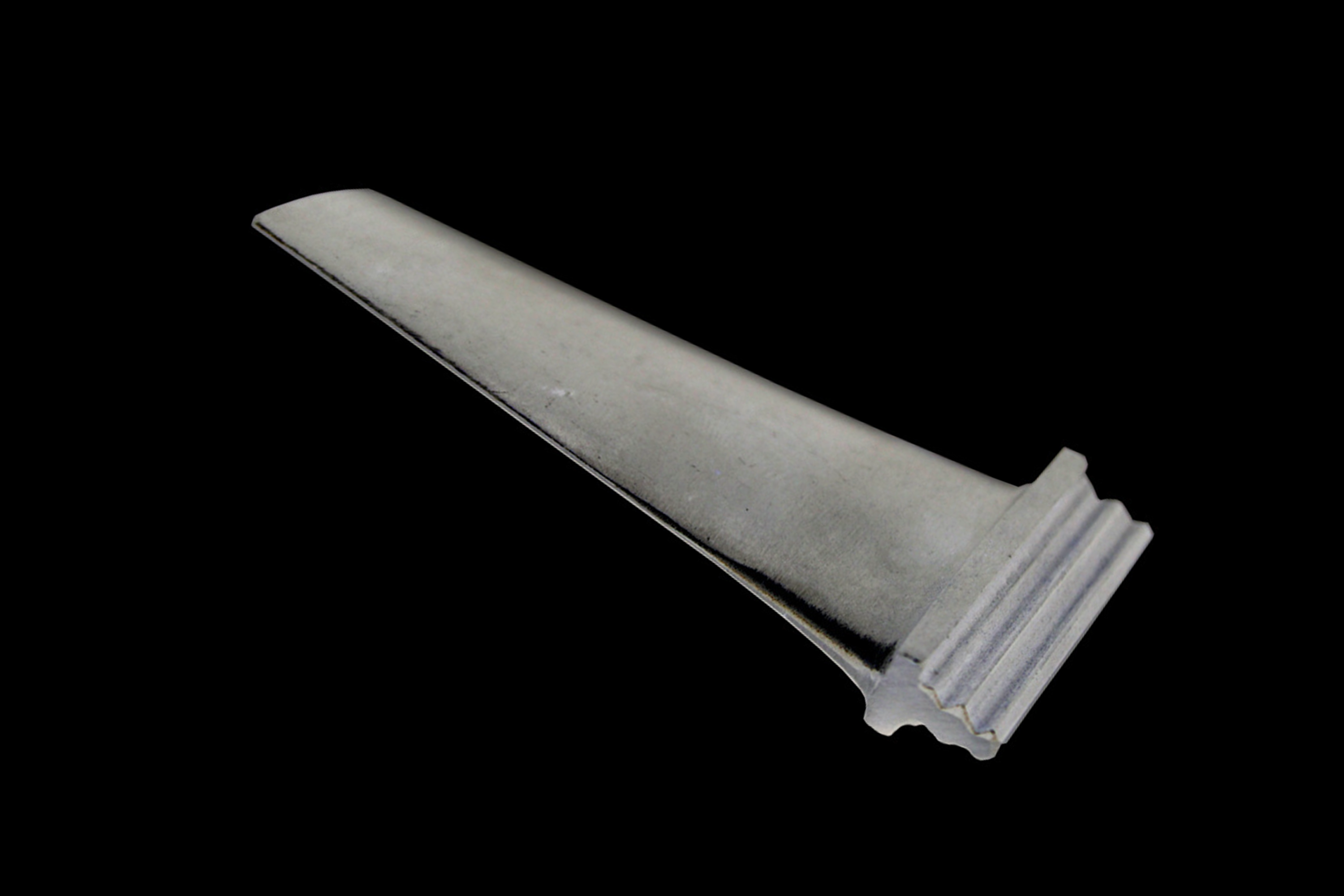
हालांकि चौथी पीढ़ी की एकल-क्रिस्टल मिश्र धातुएं उत्कृष्ट प्रदर्शन प्रदान करती हैं, लेकिन बजट, फायरिंग तापमान, और रखरखाव रणनीति के आधार पर अन्य सामग्री प्रणालियां अधिक उपयुक्त हो सकती हैं। उच्च प्रदर्शन लेकिन लागत-संतुलित कार्यक्रमों के लिए, तीसरी पीढ़ी की एकल क्रिस्टल मिश्र धातुएं थोड़ी कम मिश्र धातु जटिलता के साथ उत्कृष्ट क्रीप प्रतिरोध और टिकाऊपन प्रदान करती हैं। उन अनुप्रयोगों में जहां परिचालन तापमान नवीनतम इंजनों की तुलना में मध्यम हैं, दूसरी पीढ़ी और पहली पीढ़ी की एकल क्रिस्टल प्रणालियां अत्यंत विश्वसनीय और लागत प्रभावी बनी हुई हैं। जहां एकल क्रिस्टल प्रदर्शन की आवश्यकता नहीं है, वहीं निकेल या कोबाल्ट-आधारित मिश्र धातुओं की दिशात्मक कास्टिंग और समअक्षीय क्रिस्टल कास्टिंग अभी भी कई हॉट-सेक्शन घटकों का समर्थन करती है। भारी लोड वाले घूमने वाले डिस्क के लिए, FGH96 और FGH97 जैसे पाउडर मेटलर्जी टर्बाइन डिस्क उत्कृष्ट थकान प्रतिरोध प्रदान करते हैं। प्रारंभिक डिजाइन और कूलिंग विकास के दौरान, पूर्ण चौथी पीढ़ी की एकल क्रिस्टल टूलिंग के लिए प्रतिबद्ध होने से पहले त्वरित सत्यापन के लिए सुपरमिश्र धातु 3D प्रिंटिंग आदर्श है।
अंतरराष्ट्रीय समकक्ष / तुलनीय ग्रेड
देश/क्षेत्र | प्रतिनिधि चौथी पीढ़ी / उन्नत SC मिश्र धातुएं | विशिष्ट वाणिज्यिक ब्रांड / डेवलपर्स | नोट्स |
जापान | TMS-138, TMS-162, TMS-196, TMS-238 | अल्ट्रा-हाई टर्बाइन इनलेट तापमान और लंबे जीवन के लिए डिज़ाइन की गई Ru-बेरिंग चौथी पीढ़ी की SC प्रणालियां। | |
USA | Rene N6, Rene 104 (उन्नत SC परिवार) | अत्यधिक उच्च फायरिंग तापमान वाले उन्नत एयरो और औद्योगिक गैस टर्बाइन ब्लेड में उपयोग किया जाता है। | |
USA / वैश्विक OEMs | PWA 1484, EPM-102 | चौथी पीढ़ी की प्रणालियों की ओर बढ़ने के लिए बेसलाइन और सीढ़ी के रूप में व्यापक रूप से संदर्भित SC प्लेटफॉर्म। | |
चीन | DD6, SC180, RR3000 | उच्च फायरिंग तापमान वाले बड़े फ्रेम और एयरो गैस टर्बाइनों के लिए अनुकूलित आधुनिक SC मिश्र धातुएं। | |
वैश्विक OEM प्रथा | CMSX श्रृंखला, Rene 88, CMSX-486 | अत्यधिक लोड वाले एयरफॉइल्स में और अगली पीढ़ी की चौथी और पांचवीं पीढ़ी की मिश्र धातुओं के लिए विकास प्लेटफॉर्म के रूप में उपयोग किया जाता है। |
डिजाइन उद्देश्य
चौथी पीढ़ी की एकल क्रिस्टल सुपरमिश्र धातुओं को टर्बाइन दक्षता और पावर घनत्व में अगले कदम को अनलॉक करने के लिए विकसित किया गया था, जो तीसरी पीढ़ी की सामग्रियों की तुलना में еще उच्च फायरिंग तापमान और लंबे जीवन को सक्षम बनाती हैं। रूथेनियम का परिचय और रेनियम, टंगस्टन, और टैंटलम के अनुकूलित स्तर γ′ स्थिरता को बढ़ाने, टोपोलॉजिकली क्लोज़-पैक्ड (TCP) चरणों के निर्माण को दबाने, और विस्तृत एक्सपोजर पर माइक्रोस्ट्रक्चरल गिरावट को कम करने के उद्देश्य से हैं। ये मिश्र धातुएं विशेष रूप से उन्नत इंजनों में सबसे गर्म, सबसे भारी लोड वाले एयरफॉइल्स और श्राउड के लिए इंजीनियर की गई हैं, जो गंभीर थर्मल ग्रेडिएंट और संक्षारक दहन वातावरण के तहत काम करती हैं। परिष्कृत आंतरिक कूलिंग आर्किटेक्चर और उन्नत TBC सिस्टम के साथ जोड़ी गई, चौथी पीढ़ी की SC मिश्र धातुएं OEMs को अगली पीढ़ी के एयरोस्पेस, पावर जनरेशन, और रक्षा प्रणोदन प्लेटफॉर्म में आक्रामक दक्षता, उत्सर्जन, और विश्वसनीयता लक्ष्यों को पूरा करने में मदद करती हैं।
रासायनिक संरचना
तत्व | निकेल (Ni) | कोबाल्ट (Co) | क्रोमियम (Cr) | एल्युमीनियम (Al) | टैंटलम (Ta) | टंगस्टन (W) | मोलिब्डेनम (Mo) | रेनियम (Re) | रूथेनियम (Ru) | अन्य (Hf, Ti, आदि) |
विशिष्ट संरचना (%) | शेष (Balance) | 4.0–10.0 | 1.5–5.0 | 5.0–6.5 | 4.0–8.0 | 4.0–8.0 | 0.5–3.0 | 3.0–6.0 | 2.0–4.0 | 0.1–1.5 (प्रत्येक) |
भौतिक गुण
गुण | घनत्व | सोलिडस–लिक्विडस रेंज | थर्मल कंडक्टिविटी (RT) | थर्मल विस्तार | विशिष्ट ऊष्मा (RT) |
मान | ~8.7–9.2 g/cm³ | ~1280–1350°C | ~7–10 W/m·K | ~12–15 µm/m·°C | ~400–500 J/kg·K |
यांत्रिक गुण
गुण | तन्य शक्ति (RT) | यील्ड स्ट्रेंथ (RT) | दीर्घीकरण (RT) | क्रीप रप्चर स्ट्रेंथ | कठोरता |
मान | ~950–1150 MPa | ~750–950 MPa | ~3–6% | ~190–280 MPa at 1050–1100°C / 1000 h (मिश्र धातु-निर्भर) | पूर्ण हीट ट्रीटमेंट के बाद ~36–46 HRC |
मुख्य सामग्री विशेषताएं
एकल-क्रिस्टल माइक्रोस्ट्रक्चर ग्रेन बाउंड्री को समाप्त करता है, जिससे ग्रेन बाउंड्री क्रीप और इंटरग्रेन्युलर ऑक्सीकरण से संबंधित चिंताएं दूर हो जाती हैं।
Ru–Re से सुदृढ़ मैट्रिक्स और γ′ चरण उत्कृष्ट उच्च-तापमान क्रीप और स्ट्रेस-रप्चर प्रतिरोध प्रदान करते हैं।
बेहतर माइक्रोस्ट्रक्चरल स्थिरता उच्च तापमान पर लंबे एक्सपोजर के बावजूद TCP चरण निर्माण को दबाने में मदद करती है।
आक्रामक दहन वातावरण में उन्नत थर्मल बैरियर कोटिंग और डिफ्यूजन कोटिंग के साथ उत्कृष्ट संगतता।
कठोर स्टार्ट–स्टॉप और पीक-लोड ड्यूटी साइकिल में थर्मोमेकेनिकल थकान और थर्मल शॉक के प्रति उच्च प्रतिरोध।
अनुकूलित रसायन परिशुद्ध वैक्यूम इन्वेस्टमेंट कास्टिंग के माध्यम से उत्पादित जटिल आंतरिक कूलिंग डिजाइन का समर्थन करता है।
दूसरी और कई तीसरी पीढ़ी की मिश्र धातुओं की क्षमता से परे धातु तापमान पर यांत्रिक प्रदर्शन बनाए रखता है।
आंतरिक सरंध्रता को बंद करने और थकान प्रतिरोध को बढ़ाने के लिए HIP प्रोसेसिंग के साथ संगत।
उच्च टर्बाइन इनलेट तापमान को सक्षम बनाता है, जिससे इंजन चक्र दक्षता बढ़ती है और विशिष्ट ईंधन खपत और CO₂ उत्सर्जन कम होता है।
भविष्य के पांचवीं पीढ़ी और उससे आगे के एकल क्रिस्टल विकास के लिए एक मजबूत तकनीकी आधार प्रदान करता है।
विनिर्माण योग्यता और पोस्ट प्रोसेस
चौथी पीढ़ी की एकल क्रिस्टल कास्टिंग: फ्रेकल्स, भटकते ग्रेन, और पुनःक्रिस्टलीकरण से बचने के लिए थर्मल ग्रेडिएंट और वापसी दरों का अत्यंत कसकर नियंत्रण आवश्यक है।
वैक्यूम इन्वेस्टमेंट कास्टिंग: उच्च मिश्र धातु स्वच्छता, कम गैस पिकअप, और जटिल एयरफॉइल और प्लेटफॉर्म ज्यामिति के सटीक प्रतिकृति को सुनिश्चित करता है।
सिरेमिक कोर और शेल तकनीक: इंजीनियर्ड कोर जटिल आंतरिक कूलिंग पास को सक्षम बनाते हैं, जबकि शेल थर्मल स्थिरता और नियंत्रित धातु-मोल्ड इंटरैक्शन के लिए अनुकूलित होते हैं।
पोस्ट प्रोसेस: अंतिम मशीनिंग और कोटिंग से पहले गेट हटाने, ब्लेंडिंग, और आयामी बहाली शामिल है।
सुपरमिश्र धातु CNC मशीनिंग: जहां कसकर सहनशीलता और सतह फिनिश महत्वपूर्ण है, वहां सटीक रूट फॉर्म, श्राउड, और अटैचमेंट फीचर्स के लिए उपयोग किया जाता है।
इलेक्ट्रिकल डिस्चार्ज मशीनिंग (EDM): नियंत्रित रीकास्ट लेयर और उच्च स्थानीय सटीकता के साथ आकार दिए गए और मीटर किए गए कूलिंग छिद्र बनाता है।
सुपरमिश्र धातु डीप होल ड्रिलिंग: उत्कृष्ट सीधापन और सतह अखंडता के साथ लंबी आंतरिक चैनल और फीड पास बनाता है।
हॉट आइसोस्टेटिक प्रेसिंग (HIP): सिकुड़न और आंतरिक सरंध्रता को एकीकृत करता है, जिससे लो-साइकिल थकान प्रदर्शन और क्षति सहनशीलता बढ़ती है।
हीट ट्रीटमेंट: बहु-चरण समाधान और एजिंग चक्र प्रत्येक रसायन के लिए γ/γ′ रूप विज्ञान को परिष्कृत करने और अवशिष्ट कास्टिंग तनावों को हटाने के लिए अनुकूलित किए जाते हैं।
सामग्री परीक्षण और विश्लेषण: व्यापक NDT, यांत्रिक परीक्षण, और माइक्रोस्ट्रक्चरल विशेषता सुरक्षा-महत्वपूर्ण घटकों के लिए जीवन पूर्वानुमान और गुणवत्ता आश्वासन का समर्थन करती है।
मरम्मत तकनीक: उपयुक्त रीहीट ट्रीटमेंट चक्र के साथ संयुक्त होने पर योग्य वेल्डिंग, ब्रेजिंग, और रीकोटिंग मार्ग घटक जीवन को बढ़ा सकते हैं।
उपयुक्त सतह उपचार और कोटिंग
उन्नत थर्मल बैरियर कोटिंग: चरम गैस तापमान और चक्रीय थर्मल लोड का सामना करने के लिए अनुकूलित बॉन्ड कोट के साथ बहु-परत सिरेमिक सिस्टम।
एल्यूमिनाइड और MCrAlY बॉन्ड कोट: रु-रे युक्त मिश्र धातुओं पर सुरक्षात्मक एल्यूमिना स्केल बनाते हैं और मजबूत ऑक्सीकरण और हॉट कोरोजन प्रतिरोध प्रदान करते हैं।
ओवरले और डिफ्यूजन कोटिंग: दूषित ईंधन वाले तेल और गैस, समुद्री, और औद्योगिक वा�ावरण में हॉट कोरोजन से लड़ने के लिए अनुकूलित।
लेजर ड्रिलिंग और सतह टेक्सचरिंग: फिल्म-कूलिंग एग्जिट के चारों ओर कूलिंग-होल प्रदर्शन और कोटिंग आसंजन को बढ़ाते हैं।
परिशुद्ध पॉलिशिंग और सतह कंडिशनिंग: एरोडायनामिक नुकसान को कम करते हैं और गैस पथ सतहों पर कोटिंग तनाव एकाग्रता को नियंत्रित करते हैं।
पोस्ट-कोटिंग निरीक्षण और सामग्री विश्लेषण: CT, X-ray, और मेटलोग्राफी कोटिंग अखंडता सुनिश्चित करते हैं और बॉन्ड कोट गिरावट या स्पॉलेशन के प्रारंभिक चरणों का पता लगाते हैं।
सामान्य उद्योग और अनुप्रयोग
अल्ट्रा-हाई फायरिंग तापमान वाले फ्लैगशिप एयरोस्पेस इंजन में उच्च-दबाव टर्बाइन ब्लेड, वेन, और श्राउड।
अधिकतम दक्षता और कम ग्रीनहाउस गैस उत्सर्जन को लक्षित करने वाले उन्नत पावर जनरेशन गैस टर्बाइन।
सैन्य और रक्षा में उच्च-प्रदर्शन प्रणोदन प्रणालियां, जिसमें फाइटर इंजन और रणनीतिक प्लेटफॉर्म शामिल हैं।
गंभीर ड्यूटी साइकिल के अधीन तेल और गैस और ऊर्जा बुनियादी ढांचे के लिए महत्वपूर्ण यांत्रिक ड्राइव टर्बाइन।
अगली पीढ़ी के टर्बाइन वास्तुकला और अल्ट्रा-हाई तापमान सामग्री प्रणालियों को सत्यापित करने वाले प्रदर्शक और प्रोटोटाइप इंजन।
अपग्रेड और जीवन-विस्तार कार्यक्रम जहां विश्वसनीयता का त्याग किए बिना उच्च फायरिंग तापमान और पावर आउटपुट की आवश्यकता होती है।
इस सामग्री को कब चुनें
चरम फायरिंग तापमान: जब लक्ष्य टर्बाइन इनलेट तापमान तीसरी पीढ़ी की मिश्र धातुओं के सुरक्षित संचालन ल�फाफे से अ��िक हो जाता है तो आदर्श है।
गंभीर वातावरण में विस्तारित जीवन: जहां लंबी सेवा अंतराल और उच्च उपलब्धता महत्वपूर्ण वाणिज्यिक या मिशन ड्राइवर हैं, वहां अनुशंसित है।
अगली पीढ़ी के इंजन प्लेटफॉर्म: अधिकतम दक्षता और कम ईंधन खपत पर केंद्रित नए एयरोस्पेस और पावर जनरेशन कार्यक्रमों के लिए सबसे उपयुक्त है।
उच्च-जोखिम, सुरक्षा-महत्वपूर्ण प्रणालियां: रक्षा प्रणोदन, रणनीतिक पावर संपत्ति, और परमाणु-संबंधित अनुप्रयोगों के लिए उपयुक्त जहां विफलता अस्वीकार्य है।
अत्यधिक लोड वाले घूमने वाले एयरफॉइल: विशेष रूप से चरम अपकेंद्रीय और थर्मल तनाव के तहत काम करने वाले उच्च-दबाव टर्बाइन ब्लेड के लिए मूल्यवान है।
कठोर ईंधन या वायु वातावरण: जब संक्षारक प्रजातियां मिश्र धातु रसायन और कोटिंग सिस्टम के बीच मजबूत सहक्रिया की मांग करती हैं तो प्राथमिकता दी जाती है।
जीवन-चक्र लागत अनुकूलन: हालांकि मिश्र धातु और प्रसंस्करण लागत अधिक है, बेहतर दक्षता और कम ओवरहॉल आवृत्ति स्वामित्व की कुल लागत को काफी कम कर सकती है।
प्रौद्योगिकी नेतृत्व: टर्बाइन क्षमता में अत्याधुनिक प्रदर्शन और विभेदन चाहने वाले OEMs और ऑपरेटरों द्वारा चुना गया।
संबंधित ब्लॉग एक्सप्लोर करें