प्रथम पीढ़ी
सामग्री परिचय
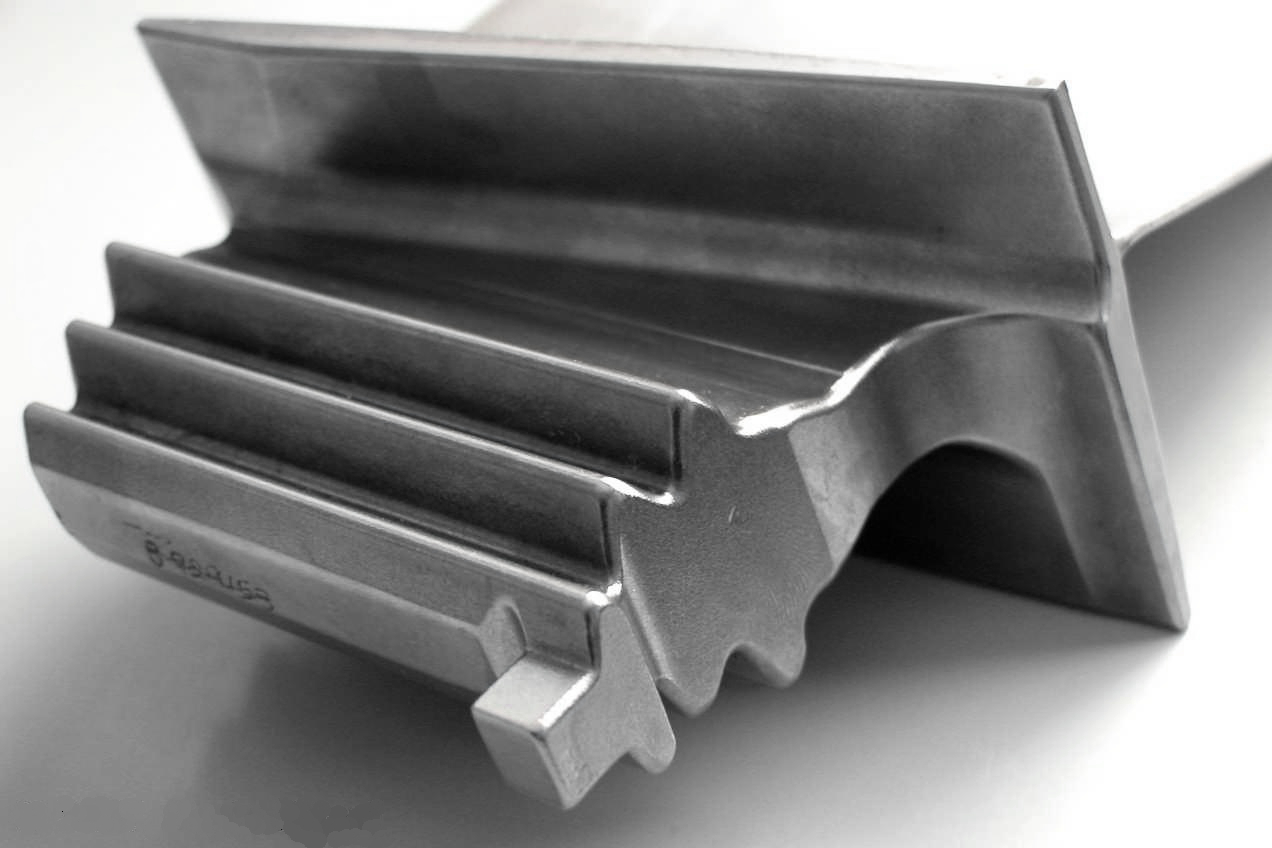
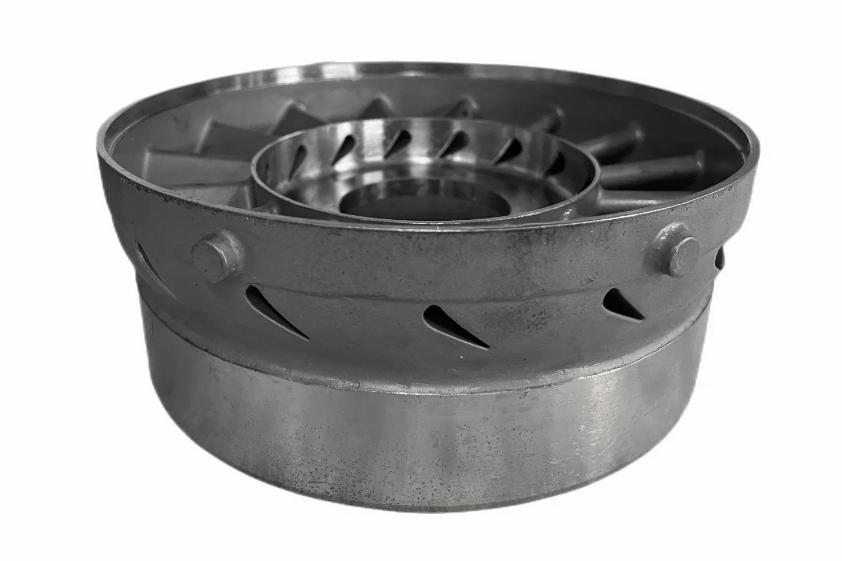
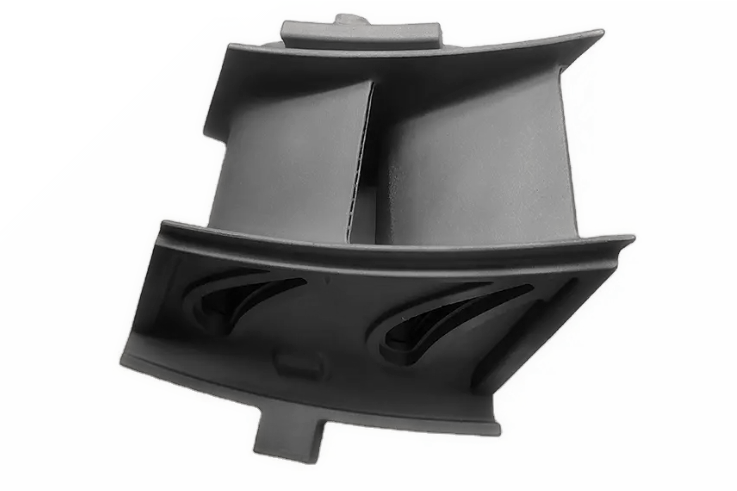
प्रथम पीढ़ी के एकल क्रिस्टल सुपरएलॉय एकल क्रिस्टल कास्टिंग तकनीक में सबसे पहले हुए ब्रेकथ्रू का प्रतिनिधित्व करते हैं, जो ग्रेन बाउंड्री के बिना टरबाइन ब्लेड और हॉट-सेक्शन घटकों के उत्पादन को सक्षम बनाते हैं। ग्रेन बाउंड्री की कमजोरियों को समाप्त करके, ये मिश्र धातु पारंपरिक समअक्षीय या दिशात्मक रूप से ठोस किए गए मिश्र धातुओं की तुलना में काफी बेहतर क्रीप प्रतिरोध, थर्मल थकान प्रदर्शन और ऑक्सीकरण व्यवहार प्राप्त करते हैं। प्रथम पीढ़ी के एकल क्रिस्टल सामग्रियों में आमतौर पर कोई रेनियम नहीं होता (Re-free) और ये उच्च तापमान प्रदर्शन के लिए संतुलित γ/γ′ प्रबलीकरण, ठोस-विलयन कठोरीकरण (Cr, Mo, W के माध्यम से), और स्थिर माइक्रोस्ट्रक्चर पर निर्भर करते हैं। जब न्यूवे एरोटेक के सटीक वैक्यूम निवेश कास्टिंग वातावरण में उत्पादित किया जाता है—जिसमें स्पाइरल सिलेक्टर और नियंत्रित ठोसीकरण का उपयोग किया जाता है—तो प्रथम पीढ़ी के एकल-क्रिस्टल मिश्र धातु उत्कृष्ट उच्च-तापमान स्थिरता, आयामी सटीकता और स्वच्छ माइक्रोस्ट्रक्चर प्रदान करते हैं, जो उन्हें टरबाइन ब्लेड, वेन्स, नोजल और उच्च-प्रदर्शन औद्योगिक गैस टरबाइन घटकों के लिए उपयुक्त बनाते हैं।
वैकल्पिक सामग्री विकल्प
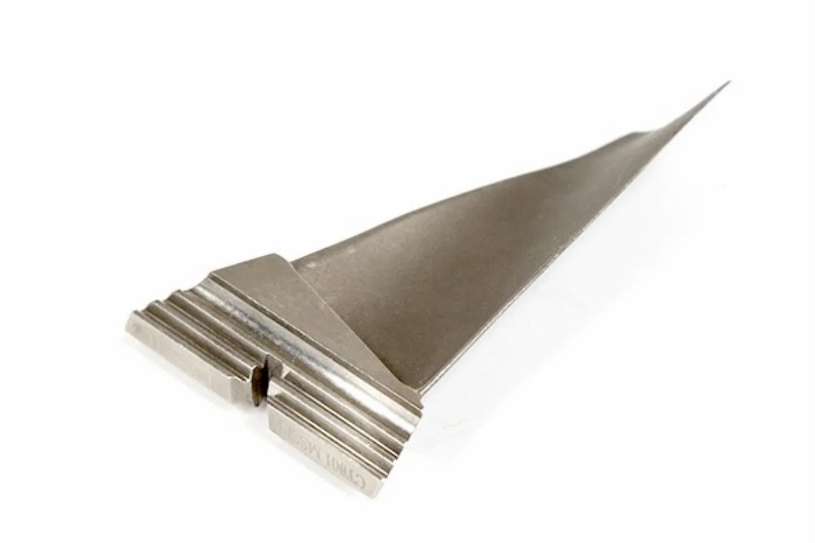
अधिक क्रीप शक्ति और उच्च टरबाइन इनलेट तापमान के लिए, दूसरी, तीसरी और चौथी पीढ़ी के एकल-क्रिस्टल मिश्र धातु—जो इन पदनामों के तहत उपलब्ध हैं—बेहतर स्थिरता के लिए बढ़ी हुई Re/Ta सामग्री प्रदान करते हैं। मध्यम-तापमान अनुप्रयोगों और कम लागत के लिए, समअक्षीय क्रिस्टल कास्टिंग या दिशात्मक कास्टिंग सुपरएलॉय अधिक उपयुक्त हो सकते हैं। जब क्रीप प्रदर्शन की तुलना में ऑक्सीकरण प्रतिरोध अधिक प्राथमिकता है, तो क्रोमियम-समृद्ध स्टेलाइट कोबाल्ट मिश्र धातु** बेहतर संक्षारण व्यवहार प्रदान करते हैं। कम तापमान पर काम करने वाले अति-हल्के घटकों के लिए, टाइटेनियम मिश्र धातु जैसे कि Ti-6Al-4V या Ti-6Al-2Sn-4Zr-2Mo का चयन किया जा सकता है। आक्रामक रासायनिक वातावरण के लिए, हैस्टेलॉय या मोनल** मिश्र धातु उपयुक्त विकल्प हैं।
अंतरराष्ट्रीय समकक्ष / तुलनीय ग्रेड
देश/क्षेत्र | समकक्ष / तुलनीय ग्रेड | विशिष्ट वाणिज्यिक ब्रांड | नोट्स |
USA | PWA 1480 | P&W PWA1480 | क्लासिक प्रथम पीढ़ी का एकल क्रिस्टल टरबाइन ब्लेड मिश्र धातु। |
USA | René N4 | GE René N4 | उत्कृष्ट क्रीप प्रतिरोध वाला प्रथम पीढ़ी का SC मिश्र धातु। |
EU | SRR 99 | SRR 99 (Rolls-Royce) | यूरोपीय टरबाइन इंजनों में व्यापक रूप से उपयोग किया जाने वाला प्रथम-जेन SC मिश्र धातु। |
China | DD3 / DD6 (प्रारंभिक संस्करण) | घरेलू प्रथम-जेन SC मिश्र धातु | एयरो-इंजन ब्लेड विकास के लिए उपयोग किया जाता है। |
ISO | SC Ni-आधारित सुपरएलॉय | वैश्विक SC ब्लेड मिश्र धातु | रसायन और यांत्रिक गुण आवश्यकताओं को परिभाषित करता है। |
Neway AeroTech | प्रथम पीढ़ी SC मिश्र धातु | स्वच्छ ठोसीकरण और स्थिर γ′ संरचना के लिए अनुकूलित। |
डिजाइन उद्देश्य
प्रथम पीढ़ी के एकल क्रिस्टल मिश्र धातुओं को ग्रेन बाउंड्री को समाप्त करने और टरबाइन ब्लेड और वेन्स में समअक्षीय कास्टिंग को बदलने के लिए बनाया गया था। इनका प्राथमिक उद्देश्य स्थिर, उच्च-तापमान यांत्रिक गुण प्रदान करना, क्रीप विरूपण को कम करना और गर्म गैस पथ में क्रीप-रप्चर जीवन को बढ़ाना है। ये मिश्र धातु दीर्घकालिक थर्मल एक्सपोज़र के दौरान आकार और शक्ति बनाए रखने के लिए संतुलित γ′ सामग्री और रिफ्रैक्टरी तत्वों (W, Mo, Ta) पर निर्भर करते हैं। क्योंकि इनमें रेनियम नहीं होता है, ये घनत्व और लागत को कम करते हैं और Re निर्माण से जुड़े चरण अस्थिरता से बचते हैं। इन्हें टरबाइन इनलेट तापमान क्षमता में पहले प्रमुख छलांग के लिए अनुकूलित किया गया है, जो उन्हें ब्लेड प्लेटफॉर्म, एयरफॉइल, कूलिंग पास और दहनकक्ष हॉट-सेक्शन घटकों के लिए उपयुक्त बनाता है।
रासायनिक संरचना
तत्व | Ni | Cr | Co | Al | Ti | Mo | W | Ta | अन्य |
विशिष्ट (%) | शेष | 8–12 | 5–10 | 4–6 | 2–4 | 1–2 | 3–6 | 2–5 | B, C, Hf (TRACE) |
भौतिक गुण
गुण | मान |
घनत्व | ~8.2–8.4 g/cm³ |
पिघलने की सीमा | ~1320–1380°C |
थर्मल चालकता | ~8–12 W/m·K |
विद्युत चालकता | ~2–4% IACS |
थर्मल विस्तार | ~13–15 µm/m·°C |
यांत्रिक गुण
तन्य शक्ति (RT) | ~900–1100 MPa |
उपज शक्ति (RT) | ~650–850 MPa |
दीर्घीकरण | ~3–6% |
उच्च-तापमान शक्ति | ~950°C तक विश्वसनीय |
क्रीप प्रतिरोध | मध्यवर्ती तापमान पर मजबूत |
ऑक्सीकरण प्रतिरोध | अच्छा लेकिन बाद की पीढ़ियों में बेहतर |
प्रमुख सामग्री विशेषताएं
ग्रेन बाउंड्री को समाप्त करता है, बाउंड्री स्लाइडिंग से जुड़े क्रीप और थकान क्षति को रोकता है।
स्थिर γ/γ′ माइक्रोस्ट्रक्चर गर्म टरबाइन वातावरण में विश्वसनीय प्रदर्शन सुनिश्चित करता है।
प्रारंभिक उच्च-तापमान टरबाइन ब्लेड आवश्यकताओं के लिए उत्कृष्ट क्रीप-रप्चर गुण।
1st-जनरेशन क्रीपिंग शासन के लिए अच्छा ऑक्सीकरण प्रतिरोध।
ग्रेन बाउंड्री असंततता की कमी के कारण उच्च थर्मल थकान प्रतिरोध।
γ′ वितरण को स्थिर करने के लिए उन्नत हीट ट्रीटमेंट** के साथ संगत।
एकल क्रिस्टल कास्टिंग** प्रक्रियाओं में उच्च कास्टेबिलिटी और ठोसीकरण स्थिरता।
Re युक्त बाद की पीढ़ियों की तुलना में कम घनत्व, घूर्णन दक्षता में सुधार।
दीर्घकालिक थर्मल लोडिंग के تحت अच्छा चरण स्थिरता।
औद्योगिक टरबाइन और प्रथम पीढ़ी के एयरो-इंजन अनुप्रयोगों के लिए उपयुक्त बेसलाइन मिश्र धातु।
विनिर्माण योग्यता और पोस्ट प्रोसेस
स्पाइरल या सीड सिलेक्टर का उपयोग करके एकल क्रिस्टल कास्टिंग** दोष-मुक्त ग्रेन ओरिएंटेशन सुनिश्चित करती है।
ऑक्सीकरण और संदूषण को रोकने में वैक्यूम निवेश कास्टिंग** महत्वपूर्ण है।
दिशात्मक ठोसीकरण समान [001] ओरिएंटेशन उत्पादित करने के लिए वापसी दर को नियंत्रित करती है।
उड़ान-महत्वपूर्ण घटकों के लिए माइक्रोस्ट्रक्चरल अखंडता को बढ़ाने हेतु HIP** घनत्व वृद्धि।
γ′ वितरण को परिष्कृत करने और क्रीप प्रदर्शन में सुधार करने के लिए हीट ट्रीटमेंट**।
ब्लेड रूट, प्लेटफॉर्म और एयरो-सतहों के लिए कसकर सहनशीलता उत्पादित करने हेतु CNC मशीनिंग**।
सटीक कूलिंग होल निर्माण सक्षम करने के लिए EDM**।
जहां डिजाइन द्वारा अनुमति दी गई है, शॉट पीनिंग थकान प्रतिरोध बढ़ाती है।
धातुграфिक और यांत्रिक अखंडता सुनिश्चित करने के लिए सामग्री परीक्षण और विश्लेषण**।
TBC** जैसी कोटिंग्स ऑक्सीकरण और थर्मल थकान प्रदर्शन में सुधार करती हैं।
उपयुक्त सतह उपचार
टरबाइन ब्लेड और वेन्स के लिए थर्मल बैरियर कोटिंग्स (TBC)।
ऑक्सीकरण प्रतिरोध बढ़ाने के लिए डिफ्यूजन एल्युमिनाइड कोटिंग्स।
बेहतर थकान प्रदर्शन के लिए शॉट पीनिंग।
कूलिंग चैनलों के लिए लेजर ड्रिलिंग और फिनिशिंग।
एयरफॉइल सतहों के लिए पॉलिशिंग और ग्राइंडिंग।
सामान्य उद्योग और अनुप्रयोग
एयरोस्पेस**: टरबाइन ब्लेड, वेन्स, नोजल, दहनकक्ष हॉट-सेक्शन घटक।
पावर जनरेशन**: गैस टरबाइन ब्लेड और उच्च-तापमान घूमने वाले भाग।
ऊर्जा प्रणालियां**: दीर्घकालिक स्थिरता की आवश्यकता वाले उच्च-तापमान संरचनात्मक घटक।
मरीन टरबाइन** जो परिवर्तनशील उच्च-तापमान चक्रों के तहत संचालित होती हैं।
औद्योगिक गैस टरबाइन जहां लागत-प्रभावी उच्च-तापमान ब्लेड की आवश्यकता होती है।
इस सामग्री को कब चुनें
उच्च-तापमान टरबाइन ब्लेड**: प्रथम पीढ़ी के प्रदर्शन शासन के लिए ~950°C तक उपयुक्त।
जब ग्रेन बाउंड्री प्रदर्शन को सीमित करेगी**: क्रीप और थकान क्षति को समाप्त करने के लिए आदर्श।
लागत-संवेदनशील टरबाइन डिजाइन**: महंगे Re योजकों के बिना मजबूत प्रदर्शन प्रदान करता है।
स्थिर γ′ संरचना की आवश्यकता वाले अनुप्रयोग**: दीर्घकालिक थर्मल एक्सपोज़र के लिए उत्कृष्ट।
पतली दीवार वाले एयरफॉइल और जटिल कूलिंग चैनल**: एकल क्रिस्टल कास्टिंग** डिजाइन स्वतंत्रता के लिए आदर्श।
औद्योगिक गैस टरबाइन**: पावर जनरेशन के लिए लागत-से-प्रदर्शन अनुपात संतुलित।
मध्यम क्रीप शासन**: प्रारंभिक हॉट-सेक्शन चरणों के लिए उपयुक्त।
जब ऑक्सीकरण व्यवहार महत्वपूर्ण हो**: प्रथम-जेन मिश्र धातु आवश्यकताओं के लिए अच्छा प्रदर्शन करता है।
संबंधित ब्लॉग एक्सप्लोर करें