
सुपरएलॉय वैक्यूम कास्टिंग टर्बाइन घटक उत्पादन कारखाना
परिचय
न्यूवे एयरोटेक उन्नत वैक्यूम इन्वेस्टमेंट कास्टिंग तकनीक का उपयोग करके उच्च-प्रदर्शन वाले टर्बाइन घटकों का निर्माण करता है। इन्कोनेल और सीएमएसएक्स मिश्र धातुओं जैसे विशेष सुपरएलॉय का लाभ उठाते हुए, हम टर्बाइन घटकों का उत्पादन करते हैं, जो ±0.05 मिमी के भीतर आयामी सहनशीलता और Ra ≤1.6 µm जितनी सटीक सतह परिष्करण प्राप्त करते हैं।
हमारी सुविधा में कठोर गुणवत्ता आश्वासन प्रक्रियाएं और सटीक-नियंत्रित वातावरण शामिल हैं, जो टर्बाइन भागों को 1100°C से अधिक तापमान पर विश्वसनीय रूप से संचालित करने में सक्षम बनाते हैं, जो एयरोस्पेस और बिजली उत्पादन उद्योग के मांगपूर्ण मानकों को पूरा करते हैं।
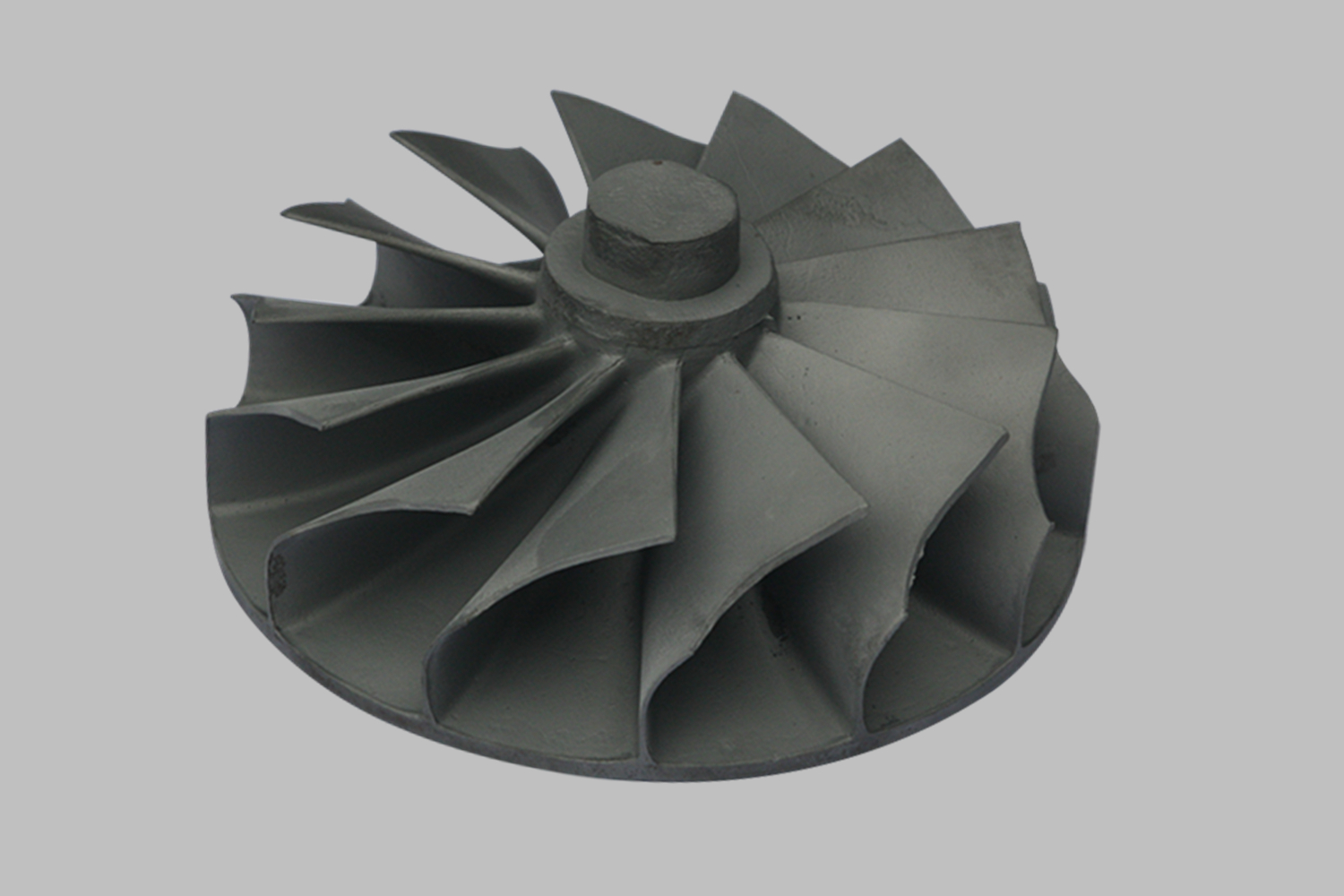
वैक्यूम कास्टिंग टर्बाइन घटकों की मुख्य चुनौतियाँ
सीएमएसएक्स-4, इन्कोनेल 713C, और हेस्टेलॉय एक्स जैसी उच्च-तापमान मिश्र धातुओं से टर्बाइन घटकों का निर्माण महत्वपूर्ण तकनीकी चुनौतियाँ प्रस्तुत करता है:
समान ठोसीकरण प्राप्त करना और अनाज संरचनाओं (एकल-क्रिस्टल, दिशात्मक, सम-अक्षीय) को नियंत्रित करना।
उच्च गलनांक तापमान (1300-1450°C) जिसके लिए उन्नत वैक्यूम भट्ठी क्षमताओं की आवश्यकता होती है।
जटिल ज्यामिति के लिए ±0.05 मिमी के भीतर सख्त आयामी सटीकता।
एयरोडायनामिक और थर्मल दक्षता के लिए आवश्यक उत्कृष्ट सतह अखंडता (Ra ≤1.6 µm)।
विस्तृत वैक्यूम कास्टिंग प्रक्रिया
टर्बाइन घटकों के लिए वैक्यूम कास्टिंग प्रक्रिया में निम्नलिखित प्रमुख चरण शामिल हैं:
मोम पैटर्न निर्माण: सीएनसी या योजक विनिर्माण तकनीकों का उपयोग करके बनाए गए सटीक मोम पैटर्न।
सिरेमिक शेल विकास: बार-बार घोल डुबोने और दुर्दम्य रेत लगाने के माध्यम से परतदार सिरेमिक शेल कोटिंग।
डीवैक्सिंग और शेल फायरिंग: ऑटोक्लेव (लगभग 150°C) के माध्यम से मोम को हटाना और फिर शेल की ताकत के लिए लगभग 1000°C पर फायरिंग।
वैक्यूम पिघलना और डालना: ऑक्सीकरण और अंतर्वेशन को खत्म करने, शुद्धता सुनिश्चित करने के लिए उच्च-वैक्यूम वातावरण (<0.01 Pa) में मिश्र धातु पिघलना।
नियंत्रित ठोसीकरण: वांछित अनाज संरचनाओं और उत्कृष्ट यांत्रिक गुणों को प्राप्त करने के लिए शीतलन दरों और दिशात्मक ठोसीकरण का सटीक नियंत्रण।
शेल हटाना और परिष्करण: सिरेमिक शेलों का यांत्रिक और रासायनिक निष्कासन, सटीक आयामी अनुपालन के लिए अंतिम सीएनसी मशीनिंग, और सतह परिष्करण वृद्धि।
टर्बाइन घटक विनिर्माण विधियों की तुलना
विधि | आयामी सटीकता | सतह परिष्करण (Ra) | अनाज संरचना नियंत्रण | यांत्रिक गुण | लागत दक्षता |
|---|---|---|---|---|---|
वैक्यूम इन्वेस्टमेंट कास्टिंग | ±0.05 मिमी | ≤1.6 µm | उत्कृष्ट | उत्कृष्ट | मध्यम |
पाउडर धातुकर्म | ±0.03 मिमी | ≤1.2 µm | उत्कृष्ट | उत्कृष्ट | उच्च |
सटीक फोर्जिंग | ±0.2 मिमी | ≤3.2 µm | अच्छा | अच्छा | मध्यम |
सीएनसी मशीनिंग | ±0.01 मिमी | ≤0.8 µm | सीमित | अच्छा | उच्च |
विनिर्माण विधि चयन मानदंड
टर्बाइन घटकों के लिए इष्टतम विनिर्माण विधि चयन में शामिल हैं:
वैक्यूम इन्वेस्टमेंट कास्टिंग: जटिल आकृतियों, स्वीकार्य आयामी सटीकता (±0.05 मिमी), उत्कृष्ट सतह गुणवत्ता (Ra ≤1.6 µm), और विशेष अनाज संरचनाओं के लिए सबसे उपयुक्त।
पाउडर धातुकर्म: उन्नत एयरोस्पेस टर्बाइनों में अति-उच्च यांत्रिक शक्ति और सटीकता (±0.03 मिमी) के लिए आदर्श।
सटीक फोर्जिंग: अच्छे यांत्रिक गुणों वाले मध्यम रूप से जटिल डिजाइनों के लिए उपयुक्त, बड़े पैमाने पर उत्पादन के लिए उपयुक्त।
सीएनसी मशीनिंग: प्रोटोटाइप, सीमित उत्पादन, या अत्यंत कड़े सहनशीलता (±0.01 मिमी) की मांग वाली परिष्करण संचालन के लिए प्रभावी।
सुपरएलॉय सामग्री प्रदर्शन मैट्रिक्स
मिश्र धातु | गलनांक सीमा (°C) | अधिकतम सेवा तापमान (°C) | तन्य शक्ति (MPa) | ऑक्सीकरण प्रतिरोध | विशिष्ट अनुप्रयोग |
|---|---|---|---|---|---|
1315-1345 | 1150 | 1250 | उत्कृष्ट | एकल-क्रिस्टल टर्बाइन ब्लेड | |
1310-1355 | 950 | 1200 | असाधारण | उच्च-तापमान टर्बाइन घटक | |
1260-1355 | 900 | 860 | उत्कृष्ट | दहन कक्ष घटक | |
1320-1360 | 950 | 1200 | उत्कृष्ट | उच्च-तापमान गैस टर्बाइन | |
1320-1365 | 1150 | 1150 | उत्कृष्ट | उन्नत एयरो-इंजन घटक | |
1260-1350 | 800 | 870 | उत्कृष्ट | घिसाव-प्रतिरोधी घटक |
सामग्री चयन दिशानिर्देश
रणनीतिक मिश्र धातु चयन में शामिल हैं:
सीएमएसएक्स-4: 1150°C तक के तापमान पर अत्यधिक क्रीप प्रतिरोध और शक्ति की आवश्यकता वाले एकल-क्रिस्टल टर्बाइन ब्लेड के लिए आदर्श।
इन्कोनेल 713C: उन्नत तापमान (950°C तक) पर संचालित होने वाले उच्च-शक्ति टर्बाइन घटकों के लिए इष्टतम।
हेस्टेलॉय एक्स: उत्कृष्ट ऑक्सीकरण प्रतिरोध और मध्यम तन्य शक्ति (860 MPa) की आवश्यकता वाले दहन कक्षों के लिए उपयुक्त।
निमोनिक 90: उच्च तन्य (1200 MPa) और क्रीप प्रतिरोध (950°C) की आवश्यकता वाले उच्च-तापमान टर्बाइन भागों के लिए सर्वोत्तम विकल्प।
रेनी एन5: चरम सेवा तापमान (1150°C) पर असाधारण थकान शक्ति के कारण उन्नत एयरोस्पेस टर्बाइन घटकों के लिए अनुशंसित।
स्टेलाइट 6: मध्यम तापमान (800°C) पर उच्च घिसाव प्रतिरोध की मांग वाले टर्बाइन अनुप्रयोगों के लिए चुना गया।
प्रमुख पोस्ट-प्रोसेसिंग तकनीकें
आवश्यक पोस्ट-प्रोसेसिंग में शामिल हैं:
हॉट आइसोस्टेटिक प्रेसिंग (HIP): आंतरिक सरंध्रता को समाप्त करता है, थकान जीवन को काफी बढ़ाता है।
थर्मल बैरियर कोटिंग (TBC): सिरेमिक कोटिंग घटक सतह के तापमान को कम करती हैं, परिचालन जीवनकाल को बढ़ाती हैं।
सटीक सीएनसी मशीनिंग: एयरोस्पेस-ग्रेड सटीकता (±0.01 मिमी) प्राप्त करते हुए अंतिम आयाम समायोजन।
नियंत्रित हीट ट्रीटमेंट: अनुकूलित एनीलिंग और एजिंग चक्र संरचनात्मक अखंडता और प्रदर्शन को बढ़ाते हैं।
परीक्षण विधियाँ और गुणवत्ता आश्वासन
न्यूवे एयरोटेक व्यापक परीक्षण और गुणवत्ता आश्वासन प्रोटोकॉल संचालित करता है, जिसमें शामिल हैं:
कोऑर्डिनेट मेजरिंग मशीन (CMM): सटीक आयामों (±0.005 मिमी सटीकता) को सत्यापित करता है।
एक्स-रे गैर-विनाशकारी परीक्षण: आंतरिक दोषों और सरंध्रता की पहचान करता है।
धातुविज्ञान सूक्ष्मदर्शी: अनाज संरचनाओं और सूक्ष्म संरचनात्मक अखंडता का मूल्यांकन करता है।
तन्य परीक्षण: सुनिश्चित करता है कि तन्य और उपज शक्तियाँ विनिर्देशों को पूरा करती हैं।
हमारी कठोर गुणवत्ता नियंत्रण प्रक्रियाएं AS9100 मानकों का कड़ाई से पालन करती हैं, जो चरम परिचालन वातावरण में विश्वसनीयता की गारंटी देती हैं।
केस स्टडी: सीएमएसएक्स-4 एकल-क्रिस्टल टर्बाइन ब्लेड
न्यूवे एयरोटेक ने एयरोस्पेस अनुप्रयोगों के लिए सीएमएसएक्स-4 टर्बाइन ब्लेड सफलतापूर्वक आपूर्ति की, जिसने प्रदर्शित किया:
परिचालन तापमान: 1150°C पर निरंतर संचालन
थकान जीवन: 40% द्वारा वृद्धि
आयामी सटीकता: ±0.03 मिमी बनाए रखा
प्रमाणन: AS9100 एयरोस्पेस मानकों के साथ पूर्ण अनुपालन
अक्सर पूछे जाने वाले प्रश्न
टर्बाइन घटकों के लिए वैक्यूम इन्वेस्टमेंट कास्टिंग के क्या लाभ हैं?
उच्च-तापमान टर्बाइन अनुप्रयोगों के लिए कौन सी मिश्र धातु सबसे उपयुक्त हैं?
वैक्यूम कास्टिंग कितनी आयामी सटीकता प्राप्त कर सकती है?
पोस्ट-प्रोसेसिंग उपचार टर्बाइन घटक प्रदर्शन को कैसे सुधारते हैं?
कौन सी परीक्षण विधियाँ टर्बाइन घटक गुणवत्ता और विश्वसनीयता सुनिश्चित करती हैं?
