
सुपरएलॉय माइनिंग टूल्स कस्टम पार्ट्स कास्टिंग सप्लायर
सुपरएलॉय माइनिंग टूल्स कास्टिंग का परिचय
खनन कार्यों को ऐसे उपकरणों की आवश्यकता होती है जो अत्यधिक घर्षण, संक्षारण और उच्च यांत्रिक तनावों को सहन कर सकें। न्यूवे एयरोटेक में, सुपरएलॉय पार्ट्स कास्टिंग के एक विशेष सप्लायर के रूप में, हम सटीक इंजीनियरिंग वाले खनन उपकरण घटकों का उत्पादन करते हैं जो विशेष रूप से मांग वाले खनन अनुप्रयोगों के लिए डिज़ाइन किए गए हैं। वैक्यूम इन्वेस्टमेंट कास्टिंग जैसी उन्नत तकनीकों का लाभ उठाते हुए, हम उच्च प्रदर्शन वाले पार्ट्स सुनिश्चित करते हैं जो असाधारण स्थायित्व, घर्षण प्रतिरोध और यांत्रिक शक्ति से विशेषित हैं।
हमारा व्यापक अनुभव और कठोर गुणवत्ता मानक हमें खनन सुपरएलॉय घटकों के लिए पसंदीदा भागीदार बनाते हैं।
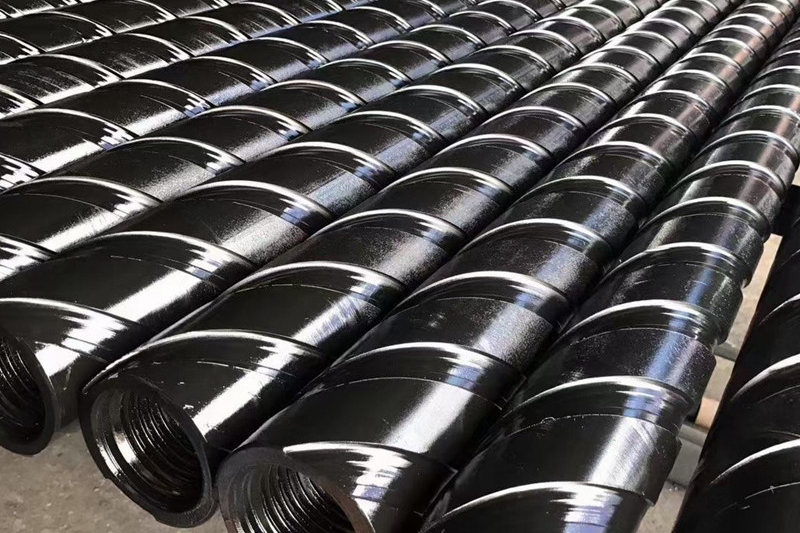
माइनिंग टूल्स में महत्वपूर्ण निर्माण चुनौतियाँ
खनन उपकरणों का उत्पादन करने में जटिल परिचालन आवश्यकताओं से निपटना शामिल है:
घर्षण और घिसाव प्रतिरोध: घटकों को अत्यधिक अपघर्षक परिस्थितियों का विरोध करना चाहिए और संरचनात्मक अखंडता बनाए रखनी चाहिए।
संक्षारण प्रतिरोध: खनन में आम आक्रामक रासायनिक वातावरण को सहन करने के लिए आवश्यक है।
उच्च यांत्रिक शक्ति: घटकों को भारी यांत्रिक भार को संभालने के लिए 900 MPa से अधिक तन्य शक्ति की आवश्यकता होती है।
सटीकता और आयामी स्थिरता: निर्माण सटीकता को ±0.10 mm की सहनशीलता और Ra 1.6 µm जितनी महीन सतह खुरदरापन मानकों को पूरा करना चाहिए।
विस्तृत माइनिंग टूल्स निर्माण प्रक्रियाएँ
वैक्यूम इन्वेस्टमेंट कास्टिंग
सटीक मोम पैटर्न जटिल उपकरण ज्यामिति की नकल करते हैं।
सिरेमिक साँचे बनाए जाते हैं और नियंत्रित परिस्थितियों (~180°C) में मोम हटा दिया जाता है।
वैक्यूम कास्टिंग (<0.01 Pa) शुद्धता और दोष-मुक्त संरचनाएँ सुनिश्चित करती है।
क्रमिक शीतलन (20–35°C/घंटा) आंतरिक तनाव और संरचनात्मक दोषों को कम करता है।
समक्षेत्रीय और दिशात्मक ठोसीकरण कास्टिंग
समक्षेत्रीय कास्टिंग समान रूप से वितरित दानेदार संरचनाएँ उत्पन्न करती है, जिससे कठोरता बढ़ती है।
दिशात्मक ठोसीकरण दानेदार संरचनाओं को संरेखित करके यांत्रिक प्रदर्शन में सुधार करता है, शक्ति को अनुकूलित करता है।
नियंत्रित तापीय प्रवणता (20–50°C/cm) वांछित दाने की अभिविन्यास और न्यूनतम दोष सुनिश्चित करती है।
माइनिंग टूल्स के लिए कास्टिंग विधियों का तुलनात्मक विश्लेषण
तकनीक | आयामी सटीकता | सतह परिष्करण | दक्षता | जटिलता |
|---|---|---|---|---|
वैक्यूम इन्वेस्टमेंट कास्टिंग | ±0.15 mm | Ra 3.2–6.3 µm | मध्यम | उच्च |
समक्षेत्रीय क्रिस्टल कास्टिंग | ±0.20 mm | Ra 6.3–12.5 µm | मध्यम | मध्यम |
दिशात्मक कास्टिंग | ±0.20 mm | Ra 6.3–12.5 µm | मध्यम | उच्च |
CNC मशीनिंग | ±0.01 mm | Ra 0.8–3.2 µm | मध्यम | मध्यम |
कास्टिंग प्रक्रिया चयन रणनीति
वैक्यूम इन्वेस्टमेंट कास्टिंग: जटिल आकृतियों के लिए पसंदीदा जिन्हें उच्च धातुकर्मीय शुद्धता और सटीकता (±0.15 mm) की आवश्यकता होती है।
समक्षेत्रीय क्रिस्टल कास्टिंग: सामान्य-उद्देश्य वाले खनन घटकों के लिए इष्टतम जिन्हें संतुलित कठोरता और शक्ति की आवश्यकता होती है।
दिशात्मक कास्टिंग: उपकरणों के लिए आदर्श जिन्हें दाने संरेखण के माध्यम से बढ़ी हुई यांत्रिक गुणों की आवश्यकता होती है।
CNC मशीनिंग: अंतिम सटीक मशीनिंग संचालन के लिए उपयुक्त ताकि सटीक आयामी सटीकता (±0.01 mm) प्राप्त की जा सके।
खनन अनुप्रयोगों के लिए सुपरएलॉय सामग्री प्रदर्शन मैट्रिक्स
मिश्र धातु सामग्री | तन्य शक्ति (MPa) | उपज शक्ति (MPa) | अधिकतम तापमान (°C) | घर्षण प्रतिरोध | खनन उपकरण अनुप्रयोग |
|---|---|---|---|---|---|
860 | 700 | 850 | असाधारण | कटिंग टूल्स, ड्रिल बिट्स | |
1240 | 1030 | 704 | उत्कृष्ट | उच्च-तनाव घटक | |
780 | 390 | 1093 | उत्कृष्ट | संक्षारण-प्रवण उपकरण | |
1200 | 760 | 900 | उत्कृष्ट | उच्च-तापमान ड्रिल्स | |
1300 | 1150 | 650 | श्रेष्ठ | संरचनात्मक खनन पार्ट्स | |
1300 | 1000 | 1150 | उत्कृष्ट | उच्च-तापमान ब्लेड |
सुपरएलॉय सामग्री चयन मानदंड
स्टेलाइट 6: अत्यधिक घिसाव प्रतिरोध के लिए इष्टतम, 850°C तक के तापमान पर काम करने वाले कटिंग टूल्स के लिए चुना गया।
इनकोनेल 718: संरचनात्मक खनन घटकों के लिए पसंदीदा जिन्हें महत्वपूर्ण यांत्रिक भार के तहत उच्च शक्ति (1240 MPa) की आवश्यकता होती है।
हेस्टेलॉय C-22: आक्रामक रासायनिक वातावरण के संपर्क में आने वाले खनन उपकरणों के लिए आदर्श, 1093°C पर अखंडता बनाए रखते हुए।
निमोनिक 90: उच्च-तापमान शक्ति (1200 MPa तन्य शक्ति) और असाधारण स्थायित्व की आवश्यकता वाले ड्रिल बिट्स के लिए चुना गया।
रेने 95: निरंतर यांत्रिक तनावों के तहत उच्चतम यांत्रिक स्थिरता (1300 MPa) की मांग वाले घटकों के लिए अनुशंसित।
CMSX-4: खनन अनुप्रयोगों में उपयोग किए जाने वाले एकल-क्रिस्टल ब्लेड के लिए सर्वोत्तम रूप से अनुकूल जिन्हें 1150°C तक के तापमान पर अंतिम क्रीप प्रतिरोध की आवश्यकता होती है।
मुख्य पोस्ट-प्रोसेसिंग तकनीकें
हॉट आइसोस्टेटिक प्रेसिंग (HIP): आंतरिक दोषों और सरंध्रता को समाप्त करता है, ~1200°C, 150 MPa पर घटक प्रदर्शन को बढ़ाता है।
थर्मल बैरियर कोटिंग (TBC): तापीय सुरक्षा प्रदान करता है, घटक जीवन को लम्बा करने के लिए सतह के तापमान को लगभग 200°C कम करता है।
इलेक्ट्रिकल डिस्चार्ज मशीनिंग (EDM): जटिल आंतरिक डिज़ाइन और ±0.005 mm सहनशीलता के भीतर सटीक आयामी नियंत्रण प्राप्त करता है।
हीट ट्रीटमेंट: नियंत्रित सूक्ष्म संरचना शोधन के माध्यम से यांत्रिक गुणों को बढ़ाता है, घिसाव और संक्षारण प्रतिरोध में सुधार करता है।
उद्योग केस स्टडी: स्टेलाइट माइनिंग ड्रिल बिट्स
न्यूवे एयरोटेक ने हाल ही में एक वैश्विक खनन उपकरण निर्माता को वैक्यूम इन्वेस्टमेंट-कास्ट स्टेलाइट 6 ड्रिल बिट्स की आपूर्ति की। उन्नत HIP और हीट ट्रीटमेंट प्रक्रियाओं का लाभ उठाते हुए, हमने श्रेष्ठ घर्षण प्रतिरोध, लम्बी सेवा जीवन और आयामी सटीकता (±0.15 mm) वाले घटक वितरित किए, जो प्रतिस्पर्धी उत्पादों से काफी बेहतर प्रदर्शन करते हैं।
हमारी मजबूत कास्टिंग क्षमताएँ और गहन सामग्री विशेषज्ञता ने उच्च-प्रदर्शन खनन घटकों के लिए एक विश्वसनीय सप्लायर के रूप में हमारी प्रतिष्ठा स्थापित की है।
अक्सर पूछे जाने वाले प्रश्न
कस्टम खनन घटकों के लिए आपका विशिष्ट उत्पादन लीड टाइम क्या है?
क्या आप खनन उपकरणों के लिए प्रोटोटाइप या छोटी-मात्रा वाले उत्पादन रन को समायोजित कर सकते हैं?
आपके खनन सुपरएलॉय घटक किन उद्योग प्रमाणपत्रों और मानकों का अनुपालन करते हैं?
अत्यधिक खनन परिस्थितियों के लिए आप कौन सी सुपरएलॉय सामग्रियों की सिफारिश करते हैं?
क्या आप सामग्री चयन और घटक डिज़ाइन अनुकूलन के लिए इंजीनियरिंग सहायता प्रदान करते हैं?
