
सुपरएलॉय माइनिंग टूल्स कस्टम पार्ट्स कास्टिंग फैक्ट्री
कस्टम सुपरएलॉय माइनिंग पार्ट्स कास्टिंग का परिचय
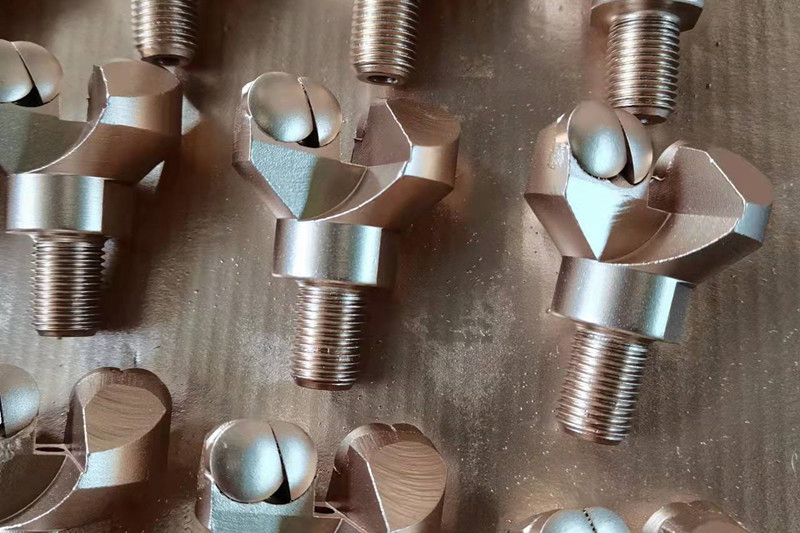
खनन कार्यों को अत्यधिक टिकाऊ उपकरणों की आवश्यकता होती है जो गंभीर घर्षण, संक्षारण और तीव्र यांत्रिक तनाव जैसी कठोर परिस्थितियों का सामना कर सकें। न्यूवे एयरोटेक, एक विशेष सुपरएलॉय कास्टिंग फैक्ट्री, कठोर खनन अनुप्रयोगों के लिए विशेष रूप से डिज़ाइन किए गए सटीक इंजीनियर घटक प्रदान करती है। वैक्यूम इन्वेस्टमेंट कास्टिंग जैसी उन्नत विधियों का उपयोग करते हुए, हम असाधारण सटीकता के साथ अत्यधिक विश्वसनीय, संक्षारण प्रतिरोधी और घर्षण प्रतिरोधी खनन उपकरणों का उत्पादन करते हैं।
हमारी व्यापक विशेषज्ञता हमें कस्टम सुपरएलॉय पार्ट्स कास्टिंग में एक विश्वसनीय भागीदार के रूप में स्थापित करती है।
सुपरएलॉय माइनिंग टूल्स के निर्माण में प्रमुख चुनौतियाँ
मुख्य निर्माण चुनौतियों में शामिल हैं:
घर्षण प्रतिरोध: उच्च घर्षण वाले वातावरण को श्रेष्ठ घर्षण प्रतिरोध वाले घटकों की आवश्यकता होती है।
संक्षारण प्रतिरोध: घटकों को खनन वातावरण में आम आक्रामक रासायनिक एक्सपोजर का सामना करना चाहिए।
उच्च यांत्रिक शक्ति: महत्वपूर्ण यांत्रिक तनावों का सामना करने के लिए भागों को 900 एमपीए से अधिक तन्य शक्ति की आवश्यकता होती है।
सटीकता आवश्यकताएँ: ±0.10 मिमी के भीतर सख्त आयामी सटीकता और रा 1.6 µm जितनी बारीक सतह खत्म बनाए रखना।
माइनिंग टूल्स के लिए विस्तृत सुपरएलॉय कास्टिंग प्रक्रियाएँ
वैक्यूम इन्वेस्टमेंट कास्टिंग
जटिल मोम पैटर्न घटक ज्यामिति को सटीक रूप से दोहराते हैं।
सिरेमिक मोल्ड मोम मॉडल के चारों ओर बनाए जाते हैं, और मोम को नियंत्रित तापमान (~180°C) पर हटा दिया जाता है।
वैक्यूम (<0.01 Pa) के तहत कास्टिंग सामग्री की शुद्धता और संरचनात्मक अखंडता सुनिश्चित करती है।
क्रमिक शीतलन दर (20–35°C/घंटा) आंतरिक तनावों और संरचनात्मक दोषों को कम करती है।
समक्षेत्रीय और दिशात्मक ठोसीकरण कास्टिंग
समक्षेत्रीय कास्टिंग एक समान अनाज संरचना प्रदान करती है, जिससे घटक की मजबूती बढ़ती है।
दिशात्मक ठोसीकरण अनाजों को संरेखित करता है, जिससे यांत्रिक शक्ति और क्रीप प्रतिरोध में उल्लेखनीय वृद्धि होती है।
नियंत्रित तापीय प्रवणता (20–50°C/सेमी) अनाज संरेखण सुनिश्चित करती है और दोषों को कम करती है।
खनन अनुप्रयोगों के लिए कास्टिंग विधियों की तुलना
कास्टिंग विधि | आयामी सटीकता | सतह खत्म | दक्षता | जटिलता |
|---|---|---|---|---|
वैक्यूम इन्वेस्टमेंट कास्टिंग | ±0.15 मिमी | रा 3.2–6.3 µm | मध्यम | उच्च |
समक्षेत्रीय क्रिस्टल कास्टिंग | ±0.20 मिमी | रा 6.3–12.5 µm | मध्यम | मध्यम |
दिशात्मक कास्टिंग | ±0.20 मिमी | रा 6.3–12.5 µm | मध्यम | उच्च |
सीएनसी मशीनिंग | ±0.01 मिमी | रा 0.8–3.2 µm | मध्यम | मध्यम |
निर्माण प्रक्रिया चयन रणनीति
वैक्यूम इन्वेस्टमेंट कास्टिंग: जटिल ज्यामिति के लिए सर्वोत्तम जिसे उच्च शुद्धता और सटीकता (±0.15 मिमी सटीकता) की आवश्यकता हो।
समक्षेत्रीय क्रिस्टल कास्टिंग: संतुलित यांत्रिक गुणों और विश्वसनीयता की आवश्यकता वाले घटकों के लिए अनुशंसित।
दिशात्मक कास्टिंग: अनाज संरचना संरेखण और श्रेष्ठ यांत्रिक शक्ति की आवश्यकता वाले उच्च प्रदर्शन वाले भागों के लिए आदर्श।
सीएनसी मशीनिंग: सटीक फिनिशिंग प्रक्रियाओं के लिए इष्टतम, ±0.01 मिमी के सख्त सहनशीलता प्राप्त करना।
माइनिंग टूल्स के लिए सुपरएलॉय सामग्री प्रदर्शन मैट्रिक्स
मिश्र धातु सामग्री | तन्य शक्ति | उपज शक्ति | अधिकतम तापमान | घर्षण प्रतिरोध | प्राथमिक खनन अनुप्रयोग |
|---|---|---|---|---|---|
860 एमपीए | 700 एमपीए | 850°C | असाधारण | कटिंग और ड्रिलिंग टूल्स | |
1240 एमपीए | 1030 एमपीए | 704°C | उत्कृष्ट | संरचनात्मक खनन भाग | |
750 एमपीए | 360 एमपीए | 1038°C | श्रेष्ठ | संक्षारण-प्रवण उपकरण | |
1200 एमपीए | 760 एमपीए | 900°C | उत्कृष्ट | उच्च-तापमान ड्रिल बिट्स | |
1300 एमपीए | 1150 एमपीए | 650°C | उत्कृष्ट | लोड-बेयरिंग घटक | |
1300 एमपीए | 1000 एमपीए | 1150°C | असाधारण | सिंगल-क्रिस्टल ब्लेड |
सामग्री चयन रणनीति
स्टेलाइट 6: 850°C तक के तापमान पर काम करने वाले खनन उपकरणों में अत्यधिक घर्षण प्रतिरोध के लिए चुना गया।
इनकोनेल 718: उच्च तन्य शक्ति (1240 एमपीए) और थकान प्रतिरोध की आवश्यकता वाले संरचनात्मक भागों के लिए आदर्श।
हैस्टेलॉय सी-276: संक्षारक खनन वातावरण में उपकरणों के लिए चुना गया, 1038°C तक के तापमान पर विश्वसनीय रूप से प्रदर्शन करता है।
निमोनिक 90: उच्च शक्ति (1200 एमपीए तन्य) और तापमान लचीलापन (~900°C) की आवश्यकता वाले ड्रिलिंग अनुप्रयोगों के लिए सबसे उपयुक्त।
रेनी 95: श्रेष्ठ शक्ति (1300 एमपीए) की आवश्यकता वाले भारी-भार संरचनात्मक खनन घटकों के लिए पसंदीदा।
सीएमएसएक्स-4: उच्च परिचालन तापमान (1150°C) पर अतुलनीय क्रीप प्रतिरोध वाले सिंगल-क्रिस्टल ब्लेड के लिए इष्टतम।
प्रमुख पोस्ट-प्रोसेसिंग प्रौद्योगिकियाँ
हॉट आइसोस्टेटिक प्रेसिंग (एचआईपी): ~1200°C पर 150 एमपीए दबाव में सरंध्रता को समाप्त करती है, संरचनात्मक अखंडता बढ़ाती है।
थर्मल बैरियर कोटिंग (टीबीसी): सतह के तापमान को लगभग 200°C कम करती है, जिससे उपकरण के जीवनकाल में उल्लेखनीय वृद्धि होती है।
इलेक्ट्रिकल डिस्चार्ज मशीनिंग (ईडीएम): सख्त सहनशीलता (±0.005 मिमी) के साथ सटीक जटिल ज्यामिति और आंतरिक विशेषताएँ प्राप्त करती है।
हीट ट्रीटमेंट: शक्ति, संक्षारण प्रतिरोध और घटक स्थायित्व बढ़ाने के लिए सूक्ष्म संरचना को अनुकूलित करता है।
उद्योग केस स्टडी: कस्टम स्टेलाइट ड्रिल बिट्स उत्पादन
न्यूवे एयरोटेक ने हाल ही में एक अंतरराष्ट्रीय खनन उपकरण कंपनी के लिए कस्टम-निर्मित स्टेलाइट 6 माइनिंग ड्रिल बिट्स की आपूर्ति की। एचआईपी और सटीक हीट ट्रीटमेंट के साथ संयुक्त उन्नत वैक्यूम इन्वेस्टमेंट कास्टिंग का लाभ उठाते हुए, हमने अतुलनीय घर्षण प्रतिरोध, आयामी सटीकता (±0.15 मिमी), और परिचालन दीर्घायु वाले भागों का उत्पादन किया - ग्राहक अपेक्षाओं और उद्योग मानकों को पार करते हुए।
हमारा व्यापक अनुभव और परिष्कृत प्रक्रियाएँ हमें खनन घटकों के लिए एक विश्वसनीय सुपरएलॉय कास्टिंग फैक्ट्री बनाती हैं।
अक्सर पूछे जाने वाले प्रश्न
कस्टम सुपरएलॉय माइनिंग पार्ट्स के लिए मानक उत्पादन लीड टाइम क्या है?
क्या आप खनन घटकों के लिए छोटी-मात्रा या प्रोटोटाइप उत्पादन सेवाएँ प्रदान करते हैं?
आपके खनन भाग कौन से उद्योग मानकों और प्रमाणपत्रों को पूरा करते हैं?
अत्यधिक घर्षक और संक्षारक खनन परिस्थितियों के लिए कौन से सुपरएलॉय की सिफारिश की जाती है?
क्या आप खनन अनुप्रयोगों के लिए सामग्री चयन और घटक डिज़ाइन अनुकूलन में तकनीकी सहायता प्रदान करते हैं?
