
निकल मिश्र धातु इनकोनेल 713C टर्बाइन ब्लेड सुपरएलॉय डायरेक्शनल कास्टिंग फैक्टरी
परिचय
इनकोनेल 713C एक अवक्षेप-दृढ़ निकल-आधारित सुपरएलॉय है जो अपनी श्रेष्ठ उच्च-तापमान शक्ति, ऑक्सीकरण प्रतिरोध और क्रीप प्रतिरोध के लिए प्रसिद्ध है, जो इसे टर्बाइन ब्लेड उत्पादन के लिए एक अग्रणी सामग्री बनाता है। न्यूवे एयरोटेक में, हम डायरेक्शनल सॉलिडिफिकेशन कास्टिंग सेवाओं में विशेषज्ञ हैं इनकोनेल मिश्र धातुओं के लिए। हम इनकोनेल 713C टर्बाइन ब्लेड्स का उत्पादन करते हैं जिनमें बेहतर थकान प्रदर्शन, सटीक आयामी सहनशीलता (±0.05 मिमी), और उत्कृष्ट थर्मल और यांत्रिक गुण होते हैं।
उन्नत डायरेक्शनल सॉलिडिफिकेशन तकनीक का उपयोग करते हुए, न्यूवे एयरोटेक टर्बाइन ब्लेड्स का निर्माण करता है जो एयरोस्पेस इंजनों, औद्योगिक गैस टर्बाइनों और बिजली उत्पादन प्रणालियों के लिए अनुकूलित हैं जो सबसे चुनौतीपूर्ण वातावरण में संचालित होते हैं।
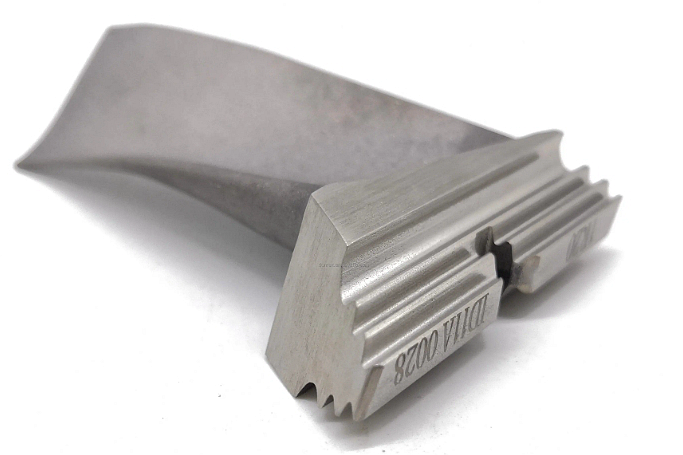
इनकोनेल 713C डायरेक्शनली सॉलिडिफाइड टर्बाइन ब्लेड्स के लिए मुख्य निर्माण चुनौतियाँ
डायरेक्शनल कास्टिंग के माध्यम से इनकोनेल 713C टर्बाइन ब्लेड्स का उत्पादन करने में महत्वपूर्ण चुनौतियाँ शामिल हैं:
क्रीप और थकान प्रतिरोध को अधिकतम करने के लिए, <001> क्रिस्टलोग्राफिक दिशा में संरेखित दोष-मुक्त स्तंभकार अनाज संरचनाएँ प्राप्त करना।
एयरफ़ॉइल प्रोफाइल्स, रूट फिट्स और असेंबली प्रदर्शन के लिए सख्त आयामी सहनशीलता (±0.05 मिमी) बनाए रखना आवश्यक है।
घुमावदार अनाज और फ्रेकल्स के निर्माण को दबाने के लिए ठोसीकरण दरों (~3–6 मिमी/मिनट) और तापीय प्रवणताओं को नियंत्रित करना।
धीमी शीतलन के दौरान तत्वीय पृथक्करण से बचना जो यांत्रिक गुणों को कम कर सकता है।
इनकोनेल 713C टर्बाइन ब्लेड्स के लिए डायरेक्शनल सॉलिडिफिकेशन कास्टिंग प्रक्रिया
हमारी अत्यधिक नियंत्रित डायरेक्शनल सॉलिडिफिकेशन प्रक्रिया में शामिल हैं:
वैक्स पैटर्न निर्माण: सीएनसी-मशीनीकृत वैक्स मोल्ड जो टर्बाइन ब्लेड ज्यामिति की सटीक प्रतिकृति बनाते हैं।
सिरेमिक शेल निर्माण: मजबूत, गर्मी-प्रतिरोधी मोल्ड बनाने के लिए बहु-परत सिरेमिक कोटिंग्स लगाई जाती हैं जो डायरेक्शनल कास्टिंग स्थितियों का सामना कर सकते हैं।
डीवैक्सिंग और शेल फायरिंग: ऑटोक्लेव के माध्यम से वैक्स हटाना, इसके बाद ~1000°C पर शेल फायरिंग जो मोल्ड की ताकत सुनिश्चित करती है।
वैक्यूम पिघलना और डालना: रासायनिक शुद्धता सुनिश्चित करने के लिए वैक्यूम (<0.01 Pa) के तहत इनकोनेल 713C सुपरएलॉय पिघलाया जाता है।
डायरेक्शनल सॉलिडिफिकेशन: सावधानीपूर्वक नियंत्रित गति से एक निश्चित तापमान प्रवणता (~15–20°C/सेमी) के माध्यम से नियंत्रित मोल्ड वापसी, ब्लेड अक्ष के समानांतर स्तंभकार अनाज वृद्धि को बढ़ावा देती है।
शेल हटाना और पोस्ट-कास्टिंग हीट ट्रीटमेंट: सिरेमिक हटाने के बाद सॉल्यूशन हीट ट्रीटमेंट (~1150°C) और एजिंग जो सूक्ष्म संरचना को परिष्कृत करती है और यांत्रिक गुणों को बढ़ाती है।
अंतिम सीएनसी मशीनिंग: अंतिम आयामी सहनशीलता (±0.01 मिमी) और सतह परिष्करण (Ra ≤1.6 µm) प्राप्त करना।
इनकोनेल 713C टर्बाइन ब्लेड्स के लिए निर्माण विधियों की तुलना
निर्माण विधि | आयामी सटीकता | सूक्ष्म संरचना | क्रीप प्रतिरोध | थकान प्रतिरोध | लागत दक्षता |
|---|---|---|---|---|---|
डायरेक्शनल सॉलिडिफिकेशन | ±0.05 मिमी | स्तंभकार अनाज | उत्कृष्ट | उत्कृष्ट | मध्यम |
सिंगल क्रिस्टल कास्टिंग | ±0.05 मिमी | सिंगल क्रिस्टल | श्रेष्ठ | श्रेष्ठ | मध्यम-उच्च |
इक्विआक्स्ड क्रिस्टल कास्टिंग | ±0.05–0.1 मिमी | इक्विआक्स्ड अनाज | अच्छा | अच्छा | उच्च |
निर्माण विधि चयन रणनीति
सर्वोत्तम कास्टिंग विधि का चयन प्रदर्शन मांगों और आर्थिक कारकों पर निर्भर करता है:
डायरेक्शनल सॉलिडिफिकेशन: लगातार उच्च-तापमान और यांत्रिक लोडिंग के संपर्क में आने वाले टर्बाइन ब्लेड्स के लिए आदर्श, इक्विआक्स्ड ब्लेड्स की तुलना में काफी बेहतर क्रीप और थकान प्रतिरोध प्रदान करता है, सिंगल क्रिस्टल विधियों की तुलना में लागत बचत के साथ।
सिंगल क्रिस्टल कास्टिंग: अधिकतम क्रीप जीवन और थर्मल थकान प्रतिरोध की आवश्यकता वाले प्रथम-चरण उच्च-दबाव टर्बाइन ब्लेड्स के लिए अनुशंसित।
इक्विआक्स्ड कास्टिंग: स्थिर या कम-तनाव वाले टर्बाइन ब्लेड्स के लिए उपयोग किया जाता है जहाँ उच्च क्रीप प्रतिरोध महत्वपूर्ण नहीं है।
इनकोनेल 713C प्रदर्शन मैट्रिक्स
गुण | मान | टिप्पणियाँ |
|---|---|---|
अधिकतम सेवा तापमान (°C) | 950 | निरंतर संचालन |
तन्य शक्ति (MPa) | 1200 | उच्च-तापमान शक्ति |
उपज शक्ति (MPa) | 860 | स्थिर यांत्रिक लोड क्षमता |
बढ़ाव (%) | 6–8% | थर्मल चक्रण के लिए लचीलापन |
क्रीप प्रतिरोध | उत्कृष्ट | डायरेक्शनल अनाज जीवन बढ़ाते हैं |
ऑक्सीकरण प्रतिरोध | श्रेष्ठ | उत्कृष्ट सतह स्थिरता |
इनकोनेल 713C डायरेक्शनली सॉलिडिफाइड टर्बाइन ब्लेड्स के लाभ
इनकोनेल 713C डायरेक्शनल सॉलिडिफाइड ब्लेड्स का उपयोग करने से कई महत्वपूर्ण लाभ मिलते हैं:
बढ़ा हुआ क्रीप प्रतिरोध: तनाव दिशा के साथ संरेखित स्तंभकार अनाज क्रीप विरूपण को काफी कम करते हैं।
बेहतर थकान जीवन: अनुप्रस्थ अनाज सीमाओं का उन्मूलन क्रैक प्रारंभ स्थलों को कम करता है।
श्रेष्ठ उच्च-तापमान शक्ति: 900–950°C पर लंबे समय तक संपर्क के दौरान यांत्रिक प्रदर्शन बनाए रखता है।
ऑक्सीकरण प्रतिरोध: टर्बाइन वातावरण में उत्कृष्ट गर्म गैस जंग सुरक्षा।
मुख्य पोस्ट-प्रोसेसिंग तकनीकें
श्रेष्ठ प्रदर्शन के लिए आवश्यक पोस्ट-प्रोसेसिंग चरण:
हॉट आइसोस्टेटिक प्रेसिंग (HIP): आंतरिक सरंध्रता को समाप्त करके और थकान गुणों में सुधार करके सामग्री को सघन करता है।
हीट ट्रीटमेंट: सॉल्यूशन एनीलिंग (~1150°C) इसके बाद चरण संतुलन और यांत्रिक शक्ति को अनुकूलित करने के लिए नियंत्रित एजिंग चक्र।
प्रिसिजन सीएनसी मशीनिंग: ब्लेड रूट्स और वायुगतिकीय सतहों पर सख्त आयामी सहनशीलता (±0.01 मिमी) प्राप्त करता है।
सुरक्षात्मक कोटिंग्स: उच्च तापमान पर परिचालन जीवन बढ़ाने के लिए टीबीसी (थर्मल बैरियर कोटिंग्स) का अनुप्रयोग।
परीक्षण विधियाँ और गुणवत्ता आश्वासन
न्यूवे एयरोटेक सुनिश्चित करता है कि प्रत्येक टर्बाइन ब्लेड सख्त एयरोस्पेस गुणवत्ता मानकों को पूरा करता है:
कोऑर्डिनेट मेजरिंग मशीन (CMM): ±0.005 मिमी सटीकता के साथ आयामी निरीक्षण।
एक्स-रे गैर-विनाशकारी परीक्षण: आंतरिक सरंध्रता और क्रैक का पता लगाना।
मेटलोग्राफिक माइक्रोस्कोपी: स्तंभकार अनाज निरंतरता सुनिश्चित करने के लिए अनाज संरचना सत्यापन।
तन्य और क्रीप परीक्षण: अनुकरण सेवा स्थितियों के तहत यांत्रिक शक्ति सत्यापन।
सभी प्रक्रियाएं पूरी तरह से AS9100 एयरोस्पेस निर्माण मानकों का अनुपालन करती हैं।
केस स्टडी: डायरेक्शनली सॉलिडिफाइड इनकोनेल 713C टर्बाइन ब्लेड्स
न्यूवे एयरोटेक ने एक प्रमुख औद्योगिक गैस टर्बाइन निर्माता के लिए इनकोनेल 713C डायरेक्शनल सॉलिडिफाइड टर्बाइन ब्लेड्स का सफलतापूर्वक उत्पादन किया:
सेवा तापमान: 950°C तक निरंतर संचालन
आयामी परिशुद्धता: महत्वपूर्ण विशेषताओं में लगातार ±0.05 मिमी प्राप्त
थकान जीवन: पारंपरिक इक्विआक्स्ड ब्लेड्स की तुलना में 35% सुधार
प्रमाणन: पूरी तरह से AS9100 एयरोस्पेस गुणवत्ता प्रणाली अनुपालन
अक्सर पूछे जाने वाले प्रश्न
टर्बाइन ब्लेड प्रदर्शन के लिए डायरेक्शनल सॉलिडिफिकेशन क्यों आवश्यक है?
इनकोनेल 713C निरंतर उच्च-तापमान वातावरण में कैसा प्रदर्शन करता है?
डायरेक्शनल कास्टिंग में प्राप्त करने योग्य आयामी सहनशीलताएं क्या हैं?
HIP इनकोनेल 713C टर्बाइन ब्लेड्स की गुणवत्ता में कैसे सुधार करता है?
न्यूवे एयरोटेक में डायरेक्शनल सॉलिडिफाइड ब्लेड्स के निर्माण के लिए किस गुणवत्ता मानक का उपयोग किया जाता है?
