
हैस्टेलॉय सैनिटरी वाल्व बॉडी कास्टिंग फाउंड्री
हैस्टेलॉय सैनिटरी वाल्व बॉडी कास्टिंग का परिचय
हैस्टेलॉय मिश्र धातु असाधारण संक्षारण प्रतिरोध, थर्मल स्थिरता और विश्वसनीयता के लिए प्रसिद्ध हैं, विशेष रूप से चुनौतीपूर्ण फार्मास्यूटिकल, रासायनिक प्रसंस्करण और खाद्य उत्पादन वातावरण में। न्यूवे एयरोटेक हैस्टेलॉय सैनिटरी वाल्व बॉडी, विशेष रूप से हैस्टेलॉय C-276, हैस्टेलॉय B-2, और हैस्टेलॉय C-22 जैसी मिश्र धातुओं की सटीक वैक्यूम इन्वेस्टमेंट कास्टिंग में विशेषज्ञता रखता है। हमारी उन्नत कास्टिंग तकनीकें उच्च आयामी सटीकता, श्रेष्ठ संक्षारण प्रतिरोध और कठोर स्वच्छता मानकों के अनुपालन को सुनिश्चित करती हैं।
सटीक विनिर्माण और गुणवत्ता नियंत्रण के प्रति हमारी प्रतिबद्धता हमें हैस्टेलॉय वाल्व बॉडी के लिए एक विश्वसनीय फाउंड्री भागीदार बनाती है।
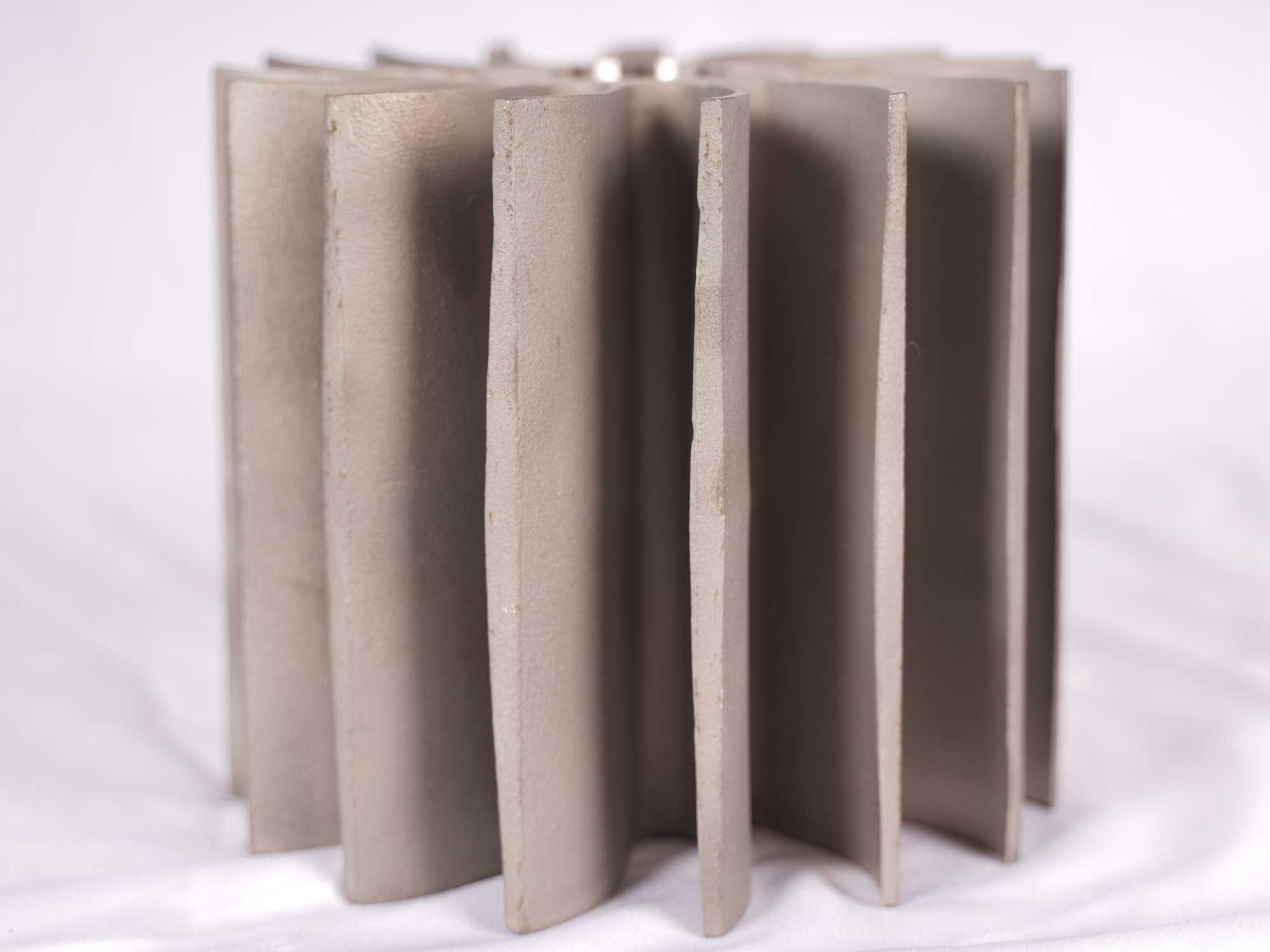
हैस्टेलॉय वाल्व बॉडी कास्टिंग में मुख्य चुनौतियाँ
हैस्टेलॉय वाल्व बॉडी कास्टिंग में कई तकनीकी चुनौतियाँ शामिल हैं:
संक्षारण प्रतिरोध: श्रेष्ठ रासायनिक प्रतिरोध के लिए समान मिश्र धातु संरचना और दोष-मुक्त सूक्ष्म संरचना सुनिश्चित करना।
आयामी सटीकता: विश्वसनीय वाल्व सीलिंग प्रदर्शन के लिए महत्वपूर्ण कड़े आयामी सहनशीलता (±0.1 मिमी) प्राप्त करना।
सतह गुणवत्ता: उद्योग स्वच्छता मानकों को पूरा करने के लिए सैनिटरी-ग्रेड फिनिश (Ra 0.8–3.2 µm) का उत्पादन करना।
जटिल ज्यामिति: जटिल वाल्व डिज़ाइन और आंतरिक मार्गों की सटीक कास्टिंग का प्रबंधन करना।
हैस्टेलॉय वाल्व बॉडी कास्टिंग प्रक्रिया का विस्तृत विवरण
वैक्स पैटर्न उत्पादन
सटीक वैक्स पैटर्न घटक आयामों को ±0.05 मिमी सटीकता के भीतर सटीक रूप से दोहराते हैं।
सिरेमिक शेल मोल्ड निर्माण
टिकाऊ सिरेमिक मोल्ड परत दर परत (8–12 मिमी मोटाई) बनाए जाते हैं जो कास्टिंग तापमान (~1400°C) को सहन करने में सक्षम होते हैं।
वैक्यूम पिघलना और सटीक कास्टिंग
नियंत्रित वातावरण (<0.1 Pa) में वैक्यूम इंडक्शन मेल्टिंग संदूषण को रोकती है, धातुकर्मीय शुद्धता सुनिश्चित करती है।
नियंत्रित ठोसीकरण समान अनाज संरचनाएँ उत्पन्न करता है, आंतरिक दोषों को कम करता है।
फिनिशिंग और मशीनिंग
सटीक सीएनसी मशीनिंग घटक आयामों को सख्त सहनशीलता (±0.1 मिमी) तक परिष्कृत करती है।
इलेक्ट्रोपोलिशिंग सैनिटरी अनुप्रयोगों के लिए स्वच्छ सतह फिनिश (Ra 0.8–3.2 µm) प्राप्त करती है।
कठोर गुणवत्ता निरीक्षण और परीक्षण एफडीए और फार्मास्यूटिकल उद्योग मानकों के अनुपालन को सुनिश्चित करते हैं।
वाल्व बॉडी के लिए विनिर्माण विधियों की तुलना
विनिर्माण विधि | आयामी सटीकता | सतह फिनिश | संक्षारण प्रतिरोध | दक्षता |
|---|---|---|---|---|
वैक्यूम इन्वेस्टमेंट कास्टिंग | ±0.10 मिमी | Ra 0.8–3.2 µm | उत्कृष्ट | उच्च |
सीएनसी मशीनिंग | ±0.005 मिमी | Ra 0.4–0.8 µm | अच्छा | मध्यम |
सटीक फोर्जिंग | ±0.2 मिमी | Ra 6.3–12.5 µm | बहुत अच्छा | उच्च |
योगात्मक विनिर्माण (SLM) | ±0.10 मिमी | Ra 6.3–12.5 µm | उत्कृष्ट | मध्यम |
विनिर्माण प्रक्रिया चयन रणनीति
वैक्यूम इन्वेस्टमेंट कास्टिंग: जटिल वाल्व बॉडी ज्यामिति के उत्पादन के लिए आदर्श जिसमें श्रेष्ठ संक्षारण प्रतिरोध और सटीक सहनशीलता की आवश्यकता होती है।
सीएनसी मशीनिंग: अत्यंत सटीक आंतरिक ज्यामिति और चिकनी सीलिंग सतहों को प्राप्त करने के लिए इष्टतम।
सटीक फोर्जिंग: मजबूत वाल्व बॉडी के लिए उपयुक्त जिन्हें उच्च यांत्रिक शक्ति और मध्यम सतह फिनिश आवश्यकताओं की आवश्यकता होती है।
चयनात्मक लेजर मेल्टिंग (SLM): जटिल आंतरिक चैनलों वाली वाल्व बॉडी के त्वरित प्रोटोटाइपिंग या उत्पादन के लिए लाभकारी।
हैस्टेलॉय मिश्र धातु प्रदर्शन मैट्रिक्स
मिश्र धातु | तन्य शक्ति | उपज शक्ति | संक्षारण प्रतिरोध | अधिकतम तापमान | विशिष्ट सैनिटरी अनुप्रयोग |
|---|---|---|---|---|---|
750 MPa | 350 MPa | उत्कृष्ट (अम्ल, क्लोराइड) | 1038°C | रासायनिक/फार्मा वाल्व बॉडी | |
690 MPa | 310 MPa | श्रेष्ठ (संक्षारक माध्यम) | 1050°C | अत्यधिक संक्षारक वाल्व बॉडी | |
760 MPa | 350 MPa | श्रेष्ठ (हाइड्रोक्लोरिक अम्ल) | 1000°C | अम्ल हैंडलिंग वाल्व | |
655 MPa | 276 MPa | बहुत अच्छा (मिश्रित अम्ल) | 980°C | सामान्य रासायनिक वाल्व | |
760 MPa | 345 MPa | उत्कृष्ट (उच्च तापमान ऑक्सीकरण) | 1093°C | उच्च-तापमान सैनिटरी वाल्व | |
790 MPa | 385 MPa | उत्कृष्ट (ऑक्सीकरण) | 1204°C | अत्यधिक-तापमान वाल्व |
हैस्टेलॉय सामग्री चयन रणनीति
हैस्टेलॉय C-276: अत्यधिक आक्रामक रासायनिक और फार्मास्यूटिकल तरल पदार्थों को संभालने वाले वाल्व के लिए श्रेष्ठ सामान्य-उद्देश्य मिश्र धातु।
हैस्टेलॉय C-22: ऑक्सीकरण अम्ल और क्लोराइड सहित गंभीर संक्षारक परिस्थितियों के संपर्क में आने वाली वाल्व बॉडी के लिए अनुशंसित।
हैस्टेलॉय B-2: सांद्रित हाइड्रोक्लोरिक अम्ल वातावरण को संभालने वाली सैनिटरी वाल्व बॉडी के लिए आदर्श।
हैस्टेलॉय G-30: फार्मास्यूटिकल और रासायनिक संयंत्रों में मिश्रित-अम्ल वातावरण में उपयोग किए जाने वाले वाल्व के लिए उत्कृष्ट विकल्प।
हैस्टेलॉय N: उच्च-तापमान ऑक्सीकरण परिस्थितियों में लगातार संचालित होने वाले वाल्व घटकों के लिए सर्वोत्तम।
हैस्टेलॉय X: श्रेष्ठ ऑक्सीकरण और संक्षारण प्रतिरोध की मांग वाले अत्यधिक-तापमान अनुप्रयोगों के लिए पसंदीदा मिश्र धातु।
मुख्य पोस्ट-प्रोसेसिंग तकनीकें
सटीक सीएनसी मशीनिंग: महत्वपूर्ण आयामी सटीकता और सीलिंग सतह सटीकता सुनिश्चित करती है।
इलेक्ट्रोपोलिशिंग और पैसिवेशन: सतह चिकनाई, संक्षारण प्रतिरोध और स्वच्छता को बढ़ाता है।
हॉट आइसोस्टेटिक प्रेसिंग (HIP): आंतरिक सरंध्रता को समाप्त करता है, संरचनात्मक अखंडता सुनिश्चित करता है।
अविनाशी परीक्षण (NDT): आंतरिक गुणवत्ता और बाहरी सतह का कठोर मानकों के अनुपालन सत्यापित करता है।
उद्योग केस स्टडी: फार्मास्यूटिकल सैनिटरी वाल्व उत्पादन
न्यूवे एयरोटेक ने हाल ही में एक प्रमुख फार्मास्यूटिकल ग्राहक को कस्टम हैस्टेलॉय C-276 वाल्व बॉडी वितरित की। सटीक वैक्यूम इन्वेस्टमेंट कास्टिंग का उपयोग करके, हमने आयामी सटीकता (±0.10 मिमी), उत्कृष्ट संक्षारण प्रतिरोध और स्वच्छ सतह फिनिश (Ra 0.8 µm) प्राप्त की, जो कठोर एफडीए नियामक मानकों को पूरा करती है। हमारी उन्नत कास्टिंग क्षमताओं ने महत्वपूर्ण फार्मास्यूटिकल प्रक्रियाओं के लिए वाल्व प्रदर्शन और परिचालन विश्वसनीयता में काफी सुधार किया।
हैस्टेलॉय मिश्र धातु कास्टिंग में हमारी विशेषज्ञता सटीकता और विश्वसनीयता के लिए हमारी उद्योग प्रतिष्ठा को मजबूत करती है।
अक्सर पूछे जाने वाले प्रश्न
कस्टम हैस्टेलॉय वाल्व बॉडी कास्टिंग के लिए आपका मानक लीड टाइम क्या है?
क्या आपकी हैस्टेलॉय वाल्व बॉडी एफडीए सैनिटरी मानकों को पूरा कर सकती हैं?
क्या आप हैस्टेलॉय सैनिटरी वाल्व डिज़ाइन के लिए रैपिड प्रोटोटाइपिंग प्रदान करते हैं?
हैस्टेलॉय मिश्र धातु कास्टिंग के दौरान आप कौन से गुणवत्ता नियंत्रण उपाय लागू करते हैं?
क्या आप हमारे अनुप्रयोग के लिए उपयुक्त हैस्टेलॉय मिश्र धातु चुनने में सहायता कर सकते हैं?
