
हैस्टेलॉय बी वाल्व पार्ट्स वैक्यूम इन्वेस्टमेंट कास्टिंग निर्माता
परिचय
हैस्टेलॉय बी एक निकल-मोलिब्डेनम मिश्र धातु है जिसे विशेष रूप से हाइड्रोक्लोरिक एसिड और अन्य आक्रामक रसायनों जैसे मजबूत अपचायक एजेंटों के खिलाफ असाधारण संक्षारण प्रतिरोध के लिए इंजीनियर किया गया है। न्यूवे एयरोटेक में, हम उन्नत वैक्यूम इन्वेस्टमेंट कास्टिंग के माध्यम से सटीक हैस्टेलॉय बी वाल्व पार्ट्स का निर्माण करते हैं, जो महत्वपूर्ण रासायनिक प्रक्रिया अनुप्रयोगों के लिए श्रेष्ठ धातुकर्मी अखंडता, उत्कृष्ट आयामी सटीकता और उत्कृष्ट संक्षारण प्रतिरोध सुनिश्चित करता है।
वैक्यूम इन्वेस्टमेंट कास्टिंग प्रौद्योगिकी का लाभ उठाकर, न्यूवे एयरोटेक हैस्टेलॉय बी वाल्व घटकों का उत्पादन करता है जिनमें रासायनिक प्रसंस्करण, फार्मास्यूटिकल और ऊर्जा क्षेत्रों द्वारा मांगी गई सुसंगत गुणवत्ता, न्यूनतम सरंध्रता और प्रदर्शन विश्वसनीयता होती है।
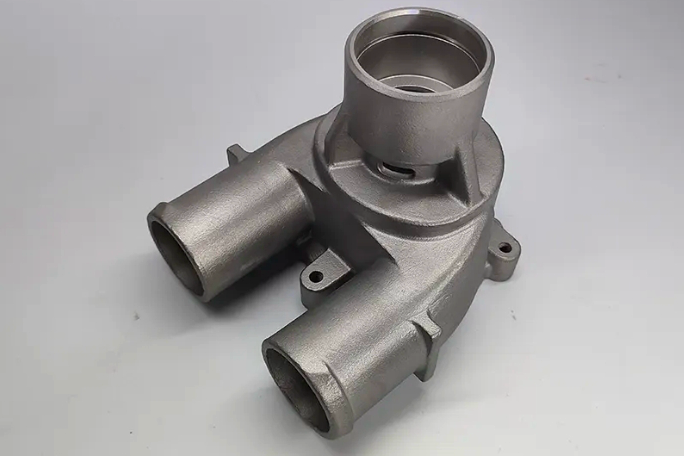
हैस्टेलॉय बी वाल्व पार्ट्स के लिए प्रमुख निर्माण चुनौतियाँ
सटीक रासायनिक नियंत्रण संक्षारण प्रतिरोध के लिए मोलिब्डेनम-समृद्ध संरचना बनाए रखने के लिए।
गैस अंतर्ग्रहण और अंतर्वेशन को न्यूनतम करना नियंत्रित वैक्यूम स्थितियों के माध्यम से।
आयामी सहनशीलता बनाए रखना वाल्व सीटिंग और सीलिंग सतहों के लिए ±0.03 मिमी के भीतर।
उत्तम सतह परिष्करण प्राप्त करना (Ra ≤1.6 µm) द्रव नियंत्रण प्रदर्शन के लिए।
हैस्टेलॉय बी वाल्व घटकों के लिए वैक्यूम इन्वेस्टमेंट कास्टिंग प्रक्रिया
हैस्टेलॉय बी वाल्व पार्ट्स के लिए कास्टिंग प्रक्रिया में शामिल हैं:
मोम पैटर्न उत्पादन: वाल्व ज्यामिति के इंजेक्शन-मोल्डेड उच्च-सटीक मोम प्रतिकृतियाँ।
शेल निर्माण: सिरेमिक घोल कोटिंग और बारीक दुर्दम्य रेत परत दर परत लगाई जाती है।
डीवैक्सिंग: स्टीम ऑटोक्लेव (~150°C) सिरेमिक मोल्ड को तोड़े बिना मोम को हटा देता है।
वैक्यूम पिघलना और डालना: हैस्टेलॉय बी मिश्र धातु को वैक्यूम (<10⁻³ Pa) के तहत पिघलाया और डाला जाता है ताकि ऑक्सीकरण और संदूषण को रोका जा सके।
नियंत्रित ठोसीकरण: एकसमान सूक्ष्म संरचना और कम अवशिष्ट तनाव के लिए धीमी शीतलन (~4–7°C/मिनट)।
शेल हटाना और अंतिम परिष्करण: शेल ब्रेक-ऑफ, सतह सफाई, सीएनसी मशीनिंग और कठोर गैर-विनाशकारी निरीक्षण।
वाल्व घटक निर्माण तकनीकों का तुलनात्मक विश्लेषण
प्रक्रिया | सतह परिष्करण | आयामी सटीकता | संक्षारण प्रतिरोध | उत्पादन जटिलता | लागत स्तर |
|---|---|---|---|---|---|
वैक्यूम इन्वेस्टमेंट कास्टिंग | उत्कृष्ट (Ra ≤1.6 µm) | उच्च (±0.03 मिमी) | श्रेष्ठ | उच्च (जटिल आकार) | मध्यम |
सैंड कास्टिंग | मध्यम (Ra ~12 µm) | मध्यम (±0.5 मिमी) | अच्छा | कम | कम |
फोर्जिंग + सीएनसी मशीनिंग | अच्छा (Ra ~3 µm) | बहुत उच्च (±0.01 मिमी) | उत्कृष्ट | कम (सरल आकार) | उच्च |
बिलेट से सीएनसी मशीनिंग | उत्कृष्ट (Ra ≤0.8 µm) | बहुत उच्च (±0.01 मिमी) | अच्छा | मध्यम | उच्च |
वाल्व निर्माण प्रक्रिया चयन रणनीति
वैक्यूम इन्वेस्टमेंट कास्टिंग जटिल हैस्टेलॉय बी वाल्व पार्ट्स के उत्पादन के लिए इष्टतम है जिन्हें उच्च संक्षारण प्रतिरोध और सटीकता की आवश्यकता होती है।
सैंड कास्टिंग बड़े, सरल वाल्व बॉडी पर लागू होती है जिनमें मध्यम प्रदर्शन आवश्यकताएँ होती हैं।
फोर्जिंग + सीएनसी मशीनिंग महत्वपूर्ण उच्च-दबाव वाल्व के लिए उपयुक्त है जिन्हें दोषरहित कण संरचना की आवश्यकता होती है।
सीएनसी मशीनिंग उच्चतम सटीकता प्रदान करती है लेकिन बढ़ी हुई सामग्री और उत्पादन लागत पर।
हैस्टेलॉय बी सामग्री प्रदर्शन मैट्रिक्स
सामग्री | तन्य शक्ति (MPa) | अधिकतम तापमान (°C) | संक्षारण प्रतिरोध | प्राथमिक अनुप्रयोग |
|---|---|---|---|---|
760 | 650 | मजबूत अपचायक एजेंटों के खिलाफ उत्कृष्ट प्रतिरोध | रासायनिक प्रसंस्करण वाल्व, हीट एक्सचेंजर | |
750 | 1038 | आक्रामक रसायनों के प्रति असाधारण प्रतिरोध | रिएक्टर, वाल्व घटक | |
690 | 650 | ऑक्सीकरण और अपचयन माध्यमों के खिलाफ श्रेष्ठ | रासायनिक वाल्व हाउसिंग | |
550 | 480 | समुद्री वातावरण में उत्कृष्ट | समुद्री वाल्व, पंप | |
930 | 980 | समुद्री जल और ऑक्सीकरण प्रतिरोध में श्रेष्ठ | ऑफशोर तेल वाल्व | |
890 | 800 | असाधारण घर्षण और संक्षारण प्रतिरोध | वाल्व सीट और ट्रिम |
हैस्टेलॉय बी सामग्री चयन का तर्क
हैस्टेलॉय बी: हाइड्रोक्लोरिक एसिड, सल्फ्यूरिक एसिड और मजबूत अपचयन माध्यम के संपर्क में आने वाले वाल्व पार्ट्स के लिए चुना गया।
हैस्टेलॉय सी-276: तब पसंद किया जाता है जब मिश्रित रासायनिक वातावरण के प्रति प्रतिरोध महत्वपूर्ण हो।
हैस्टेलॉय सी-22: ऑक्सीकरण और अपचयन एजेंटों के व्यापक प्रतिरोध की आवश्यकता वाले अनुप्रयोगों के लिए उपयोग किया जाता है।
मोनेल 400: बुनियादी संक्षारण प्रतिरोध की आवश्यकता वाले समुद्री द्रव वाल्व घटकों के लिए चुना गया।
इंकोनेल 625: ऑफशोर और उच्च-तापमान संक्षारण वातावरण के लिए आदर्श।
स्टेलाइट 6: उन जगहों पर लागू किया जाता है जह�ँ घर्षण और संक्षारण सह-अस्तित्व में होते हैं, जैसे वाल्व सीट और ट्रिम।
आवश्यक पोस्ट-प्रोसेसिंग तकनीकें
हॉट आइसोस्टेटिक प्रेसिंग (HIP): ~1160°C और 100 MPa पर आंतरिक सरंध्रता को दूर करता है, थकान और सीलिंग प्रदर्शन को बढ़ाता है।
सटीक सीएनसी मशीनिंग: वाल्व असेंबली के लिए महत्वपूर्ण सहनशीलता ±0.01 मिमी प्राप्त करती है।
सतह उपचार: संक्षारण सुरक्षा और सतह चिकनाई में सुधार करता है।
सामग्री परीक्षण और विश्लेषण: रासायनिक, यांत्रिक और धातुकर्मीय विनिर्देशों के अनुपालन सुनिश्चित करता है।
उद्योग अनुप्रयोग और केस स्टडी
न्यूवे एयरोटेक के हैस्टेलॉय बी वाल्व घटकों का व्यापक रूप से रासायनिक संयंत्रों, रिफाइनरियों और फार्मास्यूटिकल उद्योगों में उपयोग किया जाता है। एक हाइड्रोक्लोरिक एसिड हैंडलिंग परियोजना में, हैस्टेलॉय बी वाल्व ने निरंतर आक्रामक माध्यम के संपर्क में रहते हुए 4 वर्षों से अधिक की सेवा जीवन प्रदर्शित किया, मानक स्टेनलेस स्टील वाल्वों से 50% से अधिक बेहतर प्रदर्शन किया, जिससे सिस्टम डाउनटाइम और प्रतिस्थापन लागत में काफी कमी आई।
अक्सर पूछे जाने वाले प्रश्न
न्यूवे एयरोटेक हैस्टेलॉय बी वाल्व पार्ट्स के साथ कितनी आयामी सटीकता प्राप्त कर सकता है?
हैस्टेलॉय बी वाल्व निर्माण के लिए वैक्यूम इन्वेस्टमेंट कास्टिंग क्यों महत्वपूर्ण है?
रासायनिक प्रतिरोध में हैस्टेलॉय बी, हैस्टेलॉय सी-276 से कैसे भिन्न है?
कौन से उद्योग हैस्टेलॉय बी वाल्व घटकों से सबसे अधिक लाभान्वित होते हैं?
न्यूवे एयरोटेक हैस्टेलॉय बी कास्टिंग की र��सायनिक और यांत्रिक गुणवत्ता कैसे सुनिश्चित करता है?
