
CMSX-4 उच्च-दबाव टरबाइन ब्लेड मोनोक्रिस्टल मिश्र धातु ढलाई फाउंड्री
परिचय
CMSX-4 एक दूसरी पीढ़ी का निकल-आधारित एकल क्रिस्टल सुपरएलॉय है, जो 1100°C तक के तापमान पर श्रेष्ठ क्रीप प्रतिरोध, ऑक्सीकरण प्रतिरोध और उत्कृष्ट थकान शक्ति प्रदान करता है। लगभग 1350 MPa की तन्य शक्ति और अनुकूलित γ' चरण वितरण के साथ, CMSX-4 का उपयोग उन्नत एयरोस्पेस इंजनों और औद्योगिक गैस टर्बाइनों में उच्च-दबाव टरबाइन ब्लेड निर्माण के लिए व्यापक रूप से किया जाता है।
न्यूवे एयरोटेक में, हम सटीक मोनोक्रिस्टलाइन (एकल क्रिस्टल) वैक्यूम इन्वेस्टमेंट कास्टिंग के माध्यम से CMSX-4 उच्च-दबाव टरबाइन ब्लेड के उत्पादन में विशेषज्ञता रखते हैं, जिससे दोष-मुक्त सूक्ष्म संरचनाएं, सटीक आयामी नियंत्रण और उत्कृष्ट उच्च-तापमान यांत्रिक प्रदर्शन सुनिश्चित होता है।
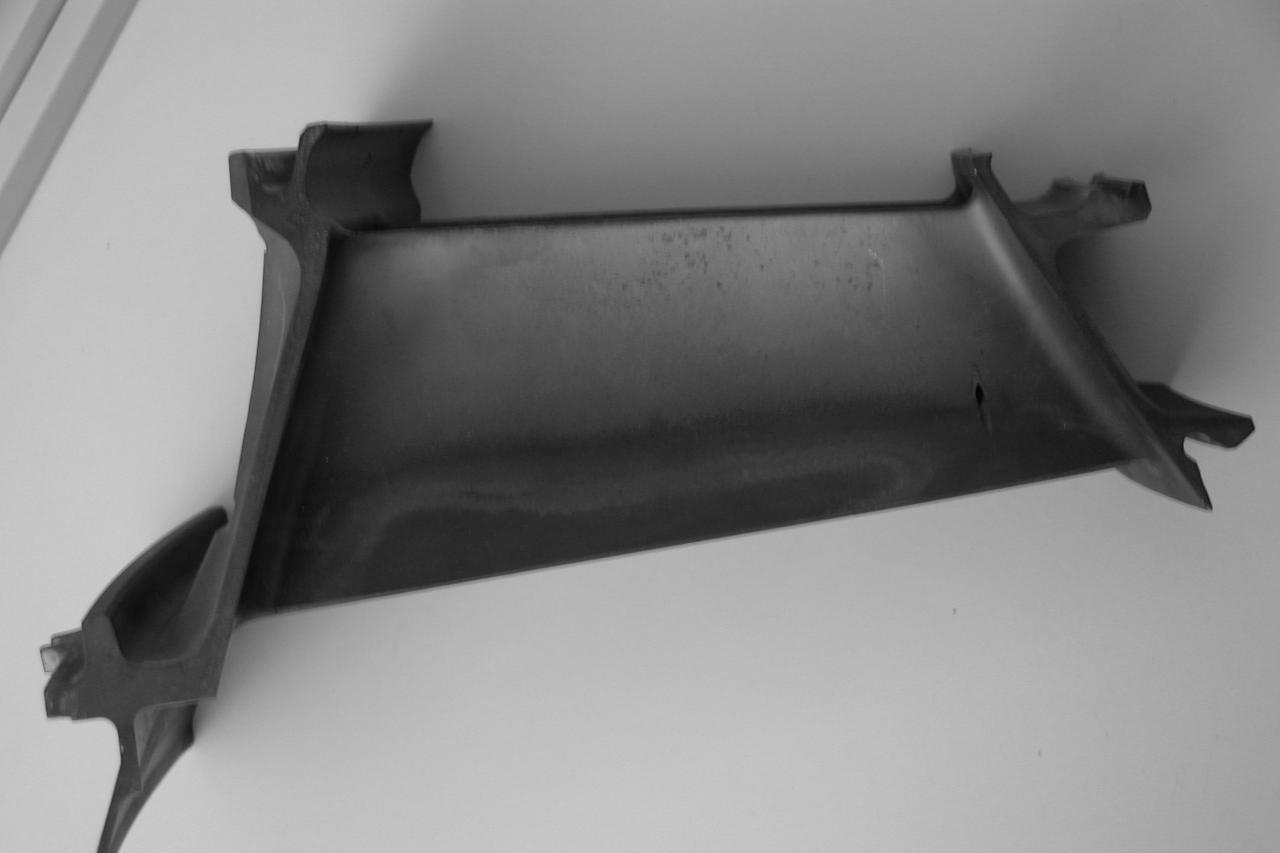
CMSX-4 उच्च-दबाव टरबाइन ब्लेड के लिए प्रमुख निर्माण चुनौतियाँ
कठोर रासायनिक संरचना नियंत्रण (Ni आधार, Cr ~6.5%, Co ~9%, Mo ~0.6%, Al ~5.6%, Ti ~1%, W ~6%, Ta ~6.5%, Re ~3%) γ' चरण को स्थिर करने के लिए।
सटीक एकल क्रिस्टल वृद्धि नियंत्रण [001] अभिविन्यास सुनिश्चित करने और अनाज सीमाओं को समाप्त करने के लिए।
सख्त आयामी सहनशीलता बनाए रखना (±0.03 mm) वायुगतिकीय दक्षता और यांत्रिक फिट के लिए महत्वपूर्ण।
सतह परिष्करण प्राप्त करना (Ra ≤1.6 µm) वायु प्रवाह को अनुकूलित करने और ड्रैग हानियों को कम करने के लिए।
CMSX-4 उच्च-दबाव टरबाइन ब्लेड के लिए मोनोक्रिस्टलाइन ढलाई प्रक्रिया
निर्माण प्रक्रिया में शामिल हैं:
मोम पैटर्न निर्माण: जटिल ब्लेड ज्यामिति के लिए ±0.1% आयामी स्थिरता वाले उच्च-सटीकता मोम मॉडल।
शेल निर्माण: तापीय प्रतिरोध के लिए यट्रिया-स्थिरित ज़िरकोनिया घोल का उपयोग करते हुए बहु-परत सिरेमिक शेल।
डीवैक्सिंग: ~150°C पर स्टीम ऑटोक्लेविंग शेल को क्षति पहुँचाए बिना मोम को साफ़ करके हटाती है।
वैक्यूम पिघलना और डालना: CMSX-4 मिश्र धातु को वैक्यूम (<10⁻³ Pa) के तहत ~1450°C पर पिघलाया जाता है ताकि संदूषण रोका जा सके।
एकल क्रिस्टल वृद्धि: एक पूर्ण [001] एकल क्रिस्टल प्राप्त करने के लिए तापीय प्रवणता के माध्यम से नियंत्रित वापसी (~3–5 mm/min)।
शेल हटाना और सीएनसी मशीनिंग: शेल हटाना, सटीक मशीनिंग और सतह पॉलिशिंग वायुगतिकीय और आयामी सटीकता प्राप्त करने के लिए।
टरबाइन ब्लेड के लिए निर्माण विधियों का तुलनात्मक विश्लेषण
प्रक्रिया | अनाज संरचना | सतह परिष्करण | आयामी सटीकता | यांत्रिक शक्ति | अधिकतम तापमान प्रतिरोध |
|---|---|---|---|---|---|
एकल क्रिस्टल इन्वेस्टमेंट कास्टिंग | एकल क्रिस्टल | उत्कृष्ट (Ra ≤1.6 µm) | बहुत उच्च (±0.03 mm) | श्रेष्ठ (~1350 MPa) | उत्कृष्ट (~1100°C) |
दिशात्मक ठोसीकरण | स्तंभकार अनाज | अच्छा (Ra ~3 µm) | उच्च (±0.05 mm) | बहुत अच्छा (~1270 MPa) | उत्कृष्ट (~1050°C) |
समअक्षीय ढलाई | यादृच्छिक अनाज | मध्यम (Ra ~3–5 µm) | मध्यम (±0.1 mm) | अच्छा (~1240 MPa) | उच्च (~980°C) |
CMSX-4 उच्च-दबाव टरबाइन ब्लेड के लिए इष्टतम निर्माण रणनीति
एकल क्रिस्टल इन्वेस्टमेंट कास्टिंग Ra ≤1.6 µm सतह परिष्करण, ±0.03 mm सटीकता प्राप्त करती है और अधिकतम क्रीप और थकान प्रतिरोध के लिए अनाज सीमाओं को समाप्त करती है।
दिशात्मक ठोसीकरण मजबूत यांत्रिक प्रदर्शन के साथ स्तंभकार अनाज संरचनाएं प्रदान करता है, लेकिन एकल क्रिस्टल भागों की तुलना में कम थकान प्रतिरोध।
समअक्षीय ढलाई एक कम लागत वाला समाधान प्रदान करती है लेकिन सीमित उच्च-तापमान क्रीप और थकान प्रतिरोध के साथ, जो इसे प्राथमिक टरबाइन ब्लेड के लिए अनुपयुक्त बनाता है।
CMSX-4 मिश्र धातु प्रदर्शन अवलोकन
गुण | मान | अनुप्रयोग प्रासंगिकता |
|---|---|---|
तन्य शक्ति | ~1350 MPa | अत्यधिक केन्द्रापसारक और तापीय भार का समर्थन करती है |
पराभव शक्ति | ~1180 MPa | निरंतर प्रतिबल के तहत उच्च परिचालन स्थिरता |
अधिकतम परिचालन तापमान | ~1100°C | आधुनिक उच्च-दबाव टरबाइन इनलेट स्थितियों के लिए उपयुक्त |
क्रीप प्रतिरोध | उत्कृष्ट | उच्च तापमान पर लंबे समय तक भार के तहत सेवा जीवन बढ़ाता है |
थकान शक्ति | ~700 MPa | चरम तापीय वातावरण में उच्च-चक्र थकान का विरोध करती है |
उच्च-दबाव टरबाइन ब्लेड के लिए CMSX-4 का उपयोग करने के लाभ
उच्च-तापमान शक्ति टरबाइन प्रवेश तापमान (~1100°C) पर ब्लेड अखंडता बनाए रखती है।
श्रेष्ठ क्रीप और थकान प्रतिरोध निरंतर उच्च-भार स्थितियों के तहत सेवा जीवन को महत्वपूर्ण रूप से बढ़ाता है।
उत्कृष्ट ऑक्सीकरण प्रतिरोध चरम दहन गैस एक्सपोजर के तहत सतह स्थिरता बनाए रखता है।
एकल क्रिस्टल संरचना अनाज सीमा विफलता तंत्र को समाप्त करती है, स्थायित्व और विश्वसनीयता को अधिकतम करती है।
CMSX-4 उच्च-दबाव टरबाइन ब्लेड के लिए पोस्ट-प्रोसेसिंग तकनीकें
हॉट आइसोस्टेटिक प्रेसिंग (HIP): ढलाई को सघन करती है, सरंध्रता को समाप्त करती है और थकान और क्रीप जीवन में सुधार करती है।
समाधान और एजिंग ताप उपचार: γ' चरण संरचना को परिष्कृत करता है, उच्च-तापमान यांत्रिक गुणों को अधिकतम करता है।
सटीक सीएनसी मशीनिंग: ±0.01 mm सहनशीलता और Ra ≤0.8 µm वायुगतिकीय सतह परिष्करण प्राप्त करती है।
सतह पॉलिशिंग और शॉट पीनिंग: थकान प्रतिरोध बढ़ाती है और वायुगतिकीय सतह गुणवत्ता में सुधार करती है।
टरबाइन ब्लेड के लिए निरीक्षण और गुणवत्ता आश्वासन
कोऑर्डिनेट मेजरिंग मशीन (CMM): वायुगतिकीय ब्लेड प्रोफाइल के लिए महत्वपूर्ण ±0.03 mm आयामी सटीकता सुनिश्चित करती है।
अल्ट्रासोनिक परीक्षण (UT): आंतरिक दोषों का पता लगाती है और ढलाई अखंडता सुनिश्चित करती है।
डाई पेनेट्रेंट परीक्षण (PT): 0.002 mm जितने छोटे सूक्ष्म सतह दरारों और त्रुटियों का स्थान निर्धारित करता है।
धातुकर्म विश्लेषण: एकल क्रिस्टल संरचना और γ' चरण स्थिरता की पुष्टि करता है।
उद्योग अनुप्रयोग और केस स्टडी
न्यूवे एयरोटेक द्वारा निर्मित CMSX-4 उच्च-दबाव टरबाइन ब्लेड का व्यापक रूप से उन्नत एयरोस्पेस इंजनों और औद्योगिक बिजली उत्पादन टर्बाइनों में उपयोग किया जाता है। एक हालिया एयरोस्पेस कार्यक्रम में, CMSX-4 ब्लेड ने 1080°C इनलेट तापमान पर 16,500 से अधिक उड़ान घंटे प्रदर्शित किए, पारंपरिक समअक्षीय ढले ब्लेड की तुलना में इंजन ओवरहाल अंतराल को 40% तक बढ़ाया।
अक्सर पूछे जाने वाले प्रश्न
न्यूवे एयरोटेक CMSX-4 उच्च-दबाव टरबाइन ब्लेड के लिए कौन सी आयामी सहनशीलता प्राप्त कर सकता है?
CMSX-4 टरबाइन ब्लेड निर्माण के लिए एकल क्रिस्टल ढलाई क्यों महत्वपूर्ण है?
टरबाइन ब्लेड अनुप्रयोगों के लिए CMSX-4 अन्य सुपरएलॉय की तुलना में कैसा है?
कौन से उद्योग सबसे अधिक सामान्यतः CMSX-4 टरबाइन ब्लेड का उपयोग करते हैं?
न्यूवे एयरोटेक CMSX-4 ब्लेड ढलाई में गुणवत्ता और स्थायित्व कैसे सुनिश्चित करता है?
