
पाउडर धातुकर्म भागों के लिए उन्नत सीएनसी मशीनिंग समाधान
परिचय
पाउडर धातुकर्म (पीएम) घटक, जिनकी विशेषता उनकी जटिल ज्यामिति और उच्च-घनत्व सूक्ष्मसंरचनाएं हैं, अक्सर विशेष मशीनिंग समाधानों की मांग करते हैं। उन्नत सुपरएलॉय सीएनसी मशीनिंग तकनीकों का उपयोग करके, न्यूवे एयरोटेक ±0.005 मिमी जितनी सटीक आयामी सहनशीलता प्राप्त करता है, यह सुनिश्चित करते हुए कि पीएम घटक पूरी तरह से कठोर एयरोस्पेस और औद्योगिक मानकों को पूरा करते हैं।
पीएम सामग्रियों के लिए अनुकूलित बहु-अक्ष सीएनसी मशीनिंग प्रणालियों को नियोजित करते हुए, न्यूवे एयरोटेक जटिल विशेषताओं और चुनौतीपूर्ण कठोरता स्तरों (एचआरसी 50-65) को प्रभावी ढंग से संभालता है, उच्च सतह परिष्करण (Ra ≤0.8 µm) और असाधारण घटक स्थिरता प्रदान करता है।
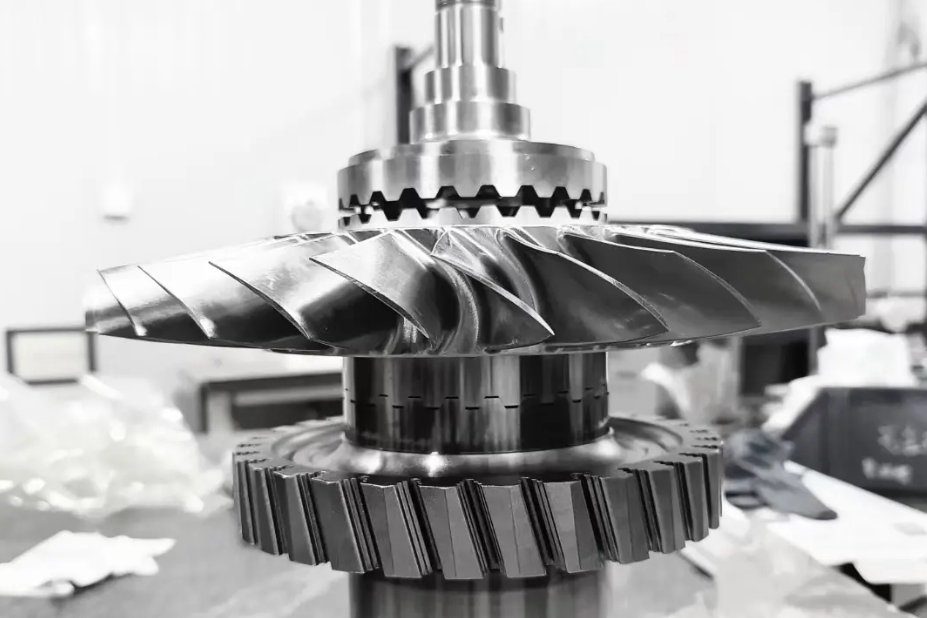
पीएम घटकों के लिए मुख्य सीएनसी मशीनिंग चुनौतियाँ
पाउडर धातुकर्म के माध्यम से उत्पादित घटकों, विशेष रूप से इनकोनेल 718, हैस्टेलॉय एक्स, और टाइटेनियम मिश्र धातुओं जैसे मिश्र धातुओं की मशीनिंग, अद्वितीय चुनौतियाँ प्रस्तुत करती है:
अत्यधिक उच्च सामग्री कठोरता और घिसाव प्रतिरोध (आमतौर पर एचआरसी 50-65), जो काटने के औजारों को तेजी से घिसती है।
सख्त आयामी सहनशीलता (±0.005 मिमी) और सतह परिष्करण (Ra ≤0.8 µm) बनाए रखना।
मशीनिंग-प्रेरित अवशिष्ट तनाव और सतह सूक्ष्म दरार को कम करना।
जटिल आंतरिक ज्यामिति और पेचीदा आकृतियों की सटीक मशीनिंग सुनिश्चित करना।
पीएम घटकों के लिए विस्तृत सीएनसी मशीनिंग प्रक्रिया
पाउडर धातुकर्म भागों के लिए उन्नत सीएनसी मशीनिंग में शामिल है:
सामग्री मूल्यांकन: अनुकूलित औजार और मशीनिंग पैरामीटर निर्धारित करने के लिए पीएम सूक्ष्मसंरचना और कठोरता का विश्लेषण।
बहु-अक्ष मशीनिंग: जटिल ज्यामिति, सख्त सहनशीलता (±0.005 मिमी) प्राप्त करने और पुनः स्थिति त्रुटियों को कम करने के लिए 5-अक्ष सीएनसी केंद्रों का उपयोग।
अनुकूलित औजार चयन: अति-कठोर पीएम सामग्रियों के लिए विशेष रूप से इंजीनियर कार्बाइड, सिरेमिक, या सीबीएन काटने वाले औजारों का उपयोग, औजार जीवन बढ़ाने और सतह क्षति को कम करने के लिए।
अनुकूली मशीनिंग: ताप उत्पादन, अवशिष्ट तनाव और औजार घिसाव को कम करने के लिए वास्तविक समय काटने के पैरामीटर समायोजन (गति: 40-120 मीटर/मिनट, फ़ीड: 0.01-0.15 मिमी/चक्कर)।
सटीक सतह परिष्करण: श्रेष्ठ सतह खुरदरापन (Ra ≤0.8 µm) प्राप्त करने के लिए अंतिम मशीनिंग पास करना, जो एयरोस्पेस और सटीक औद्योगिक अनुप्रयोगों के लिए महत्वपूर्ण है।
गुणवत्ता नियंत्रण निरीक्षण: आयामी सटीकता, सतह अखंडता और समग्र गुणवत्ता अनुपालन को मान्य करने के लिए सीएमएम और ऑप्टिकल मेट्रोलॉजी का उपयोग।
पीएम भागों के लिए सीएनसी विधियों की तुलना
सीएनसी विधि | सटीकता | परिष्करण (Ra) | औजार जीवन | जटिलता प्रबंधन | लागत दक्षता |
|---|---|---|---|---|---|
बहु-अक्ष सीएनसी मशीनिंग | ±0.005 मिमी | ≤0.8 µm | उच्च | उत्कृष्ट | मध्यम |
वायर ईडीएम मशीनिंग | ±0.003 मिमी | ≤0.4 µm | मध्यम | उत्कृष्ट | उच्च |
सीएनसी ग्राइंडिंग | ±0.002 मिमी | ≤0.2 µm | उच्च | मध्यम | उच्च |
पारंपरिक सीएनसी मिलिंग/टर्निंग | ±0.01 मिमी | ≤1.6 µm | कम | मध्यम | कम |
सीएनसी मशीनिंग चयन रणनीति
पीएम घटकों के लिए इष्टतम सीएनसी मशीनिंग विधियों का चयन करना शामिल है:
बहु-अक्ष सीएनसी मशीनिंग: जटिल ज्यामिति के लिए सर्वोत्तम जिसमें उच्च आयामी सटीकता (±0.005 मिमी) और तीव्र उत्पादन की आवश्यकता होती है।
वायर ईडीएम मशीनिंग: अत्यंत सख्त सहनशीलता (±0.003 मिमी), जटिल आंतरिक विशेषताओं और अति-कठोर पीएम सामग्रियों के लिए आदर्श।
सीएनसी ग्राइंडिंग: श्रेष्ठ सतह परिष्करण (≤0.2 µm Ra) और अति-सख्त आयामी सहनशीलता (±0.002 मिमी) प्राप्त करने के लिए उपयुक्त।
पारंपरिक सीएनसी मिलिंग/टर्निंग: मध्यम सटीकता आवश्यकताओं (±0.01 मिमी) और लागत-संवेदनशील परिदृश्यों के साथ सरल ज्यामिति के लिए कुशल।
पीएम मिश्र धातु प्रदर्शन मैट्रिक्स
पीएम मिश्र धातु | घनत्व (g/cm³) | तन्य शक्ति (MPa) | कठोरता (HRC) | थकान शक्ति (MPa) | विशिष्ट अनुप्रयोग |
|---|---|---|---|---|---|
8.19 | 1375 | 45-50 | 650 | टरबाइन डिस्क, एयरोस्पेस घटक | |
8.22 | 860 | 42-48 | 580 | दहनकक्ष लाइनर, औद्योगिक हीटर | |
4.43 | 950 | 36-42 | 550 | एयरोस्पेस संरचनाएं, प्रत्यारोपण | |
8.23 | 1275 | 48-54 | 600 | उच्च-प्रदर्शन टरबाइन ब्लेड | |
8.40 | 900 | 50-55 | 520 | वाल्व सीट, पंप घटक | |
8.44 | 965 | 35-40 | 500 | समुद्री फास्टनर, तेल फिटिंग |
पीएम मिश्र धातु चयन दिशानिर्देश
पीएम मिश्र धातुओं के चयन की रणनीतियों में शामिल हैं:
पीएम इनकोनेल 718: एयरोस्पेस टरबाइन डिस्क जिनमें उच्च शक्ति (1375 MPa) और उच्च तापमान पर उत्कृष्ट थकान प्रतिरोध की आवश्यकता होती है।
पीएम हैस्टेलॉय एक्स: दहनकक्ष लाइनर और औद्योगिक हीटर जिनमें श्रेष्ठ संक्षारण प्रतिरोध और मध्यम तन्य शक्ति (860 MPa) की मांग होती है।
पीएम टाइटेनियम TC4: हल्के एयरोस्पेस संरचनात्मक घटक और बायोमेडिकल प्रत्यारोपण जो शक्ति (950 MPa) और जैवसंगतता को प्राथमिकता देते हैं।
पीएम रेने 95: उच्च-प्रदर्शन टरबाइन ब्लेड जिनमें उच्च शक्ति (1275 MPa), थकान प्रतिरोध और श्रेष्ठ कठोरता (HRC 48-54) की आवश्यकता होती है।
पीएम स्टेलाइट 6: वाल्व सीट और पंप घटक जहाँ असाधारण घिसाव प्रतिरोध और कठोरता (HRC 50-55) महत्वपूर्ण हैं।
पीएम मोनेल K500: समुद्री और तेल उद्योग अनुप्रयोग जो संक्षारण प्रतिरोध, मशीनीकरण क्षमता और अच्छी तन्य शक्ति (965 MPa) पर जोर देते हैं।
आवश्यक पोस्ट-प्रोसेसिंग तकनीकें
सीएनसी-मशीनीकृत पीएम भागों के लिए महत्वपूर्ण पोस्ट-प्रोसेसिंग चरणों में शामिल हैं:
हॉट आइसोस्टेटिक प्रेसिंग (HIP): अवशिष्ट सरंध्रता को समाप्त करता है, ≥99.9% घनत्व प्राप्त करता है, यांत्रिक गुणों को बढ़ाता है।
सटीक सतह परिष्करण: ग्राइंडिंग और पॉलिशिंग जैसी तकनीकें श्रेष्ठ सतह गुणवत्ता (≤0.2 µm Ra) प्राप्त करती हैं।
पीवीडी कोटिंग्स: घिसाव प्रतिरोध बढ़ाती हैं और घर्षण कम करती हैं, भाग जीवन को काफी बढ़ाती हैं।
हीट ट्रीटमेंट: कस्टम सॉल्यूशन एनीलिंग और एजिंग चक्र सुधारित प्रदर्शन के लिए सूक्ष्मसंरचनाओं को अनुकूलित करते हैं।
एयरोस्पेस केस स्टडी: पीएम इनकोनेल 718 टरबाइन डिस्क
न्यूवे एयरोटेक ने एक एयरोस्पेस निर्माता को सटीक-मशीनीकृत पीएम इनकोनेल 718 टरबाइन डिस्क पहुंचाई, प्राप्त किया:
आयामी सटीकता: ±0.005 मिमी
थकान शक्ति: ~30% से सुधरी
सतह परिष्करण: Ra ≤0.5 µm
प्रमाणन: AS9100 मानकों के साथ पूर्ण अनुपालन
अक्सर पूछे जाने वाले प्रश्न
पाउडर धातुकर्म घटकों के लिए सीएनसी मशीनिंग क्यों आवश्यक है?
पीएम भागों के लिए कौन सी सीएनसी तकनीकें उच्चतम सटीकता प्रदान करती हैं?
कठोर पीएम सामग्रियों की मशीनिंग के दौरान आप औजार घिसाव का प्रबंधन कैसे करते हैं?
पाउडर धातुकर्म भागों पर सीएनसी मशीनिंग कौन से सतह परिष्करण प्राप्त कर सकती है?
पीएम घटकों के यांत्रिक गुणों को अनुकूलित करने वाली कौन सी पोस्ट-प्रोसेसिंग विधियाँ हैं? पीएम घटक?
