
Proveedor de Prensado Isostático en Caliente para Piezas Fundidas de Superaleación
Procesamiento HIP de Confianza para Piezas Fundidas de Superaleación de Alto Rendimiento
El Prensado Isostático en Caliente (HIP) es un proceso esencial posterior a la fundición para las piezas fundidas de superaleación de alta temperatura utilizadas en aplicaciones aeroespaciales, de generación de energía y de turbinas de gas industriales. Al aplicar alta presión y temperatura en una atmósfera inerte, el HIP elimina la porosidad interna, cura la microcontracción y mejora la vida a fatiga, haciendo que los componentes fundidos sean más robustos y listos para inspección.
Neway AeroTech es un proveedor especializado en HIP para piezas de superaleación fabricadas con materiales Inconel, aleaciones Rene, Hastelloy y monocristal CMSX. Nuestro servicio HIP da soporte a piezas de fundición a la cera perdida, reparaciones soldadas y componentes premecanizados, cumpliendo con los estándares AMS 2774 y de fabricantes de equipos originales (OEM) aeroespaciales.
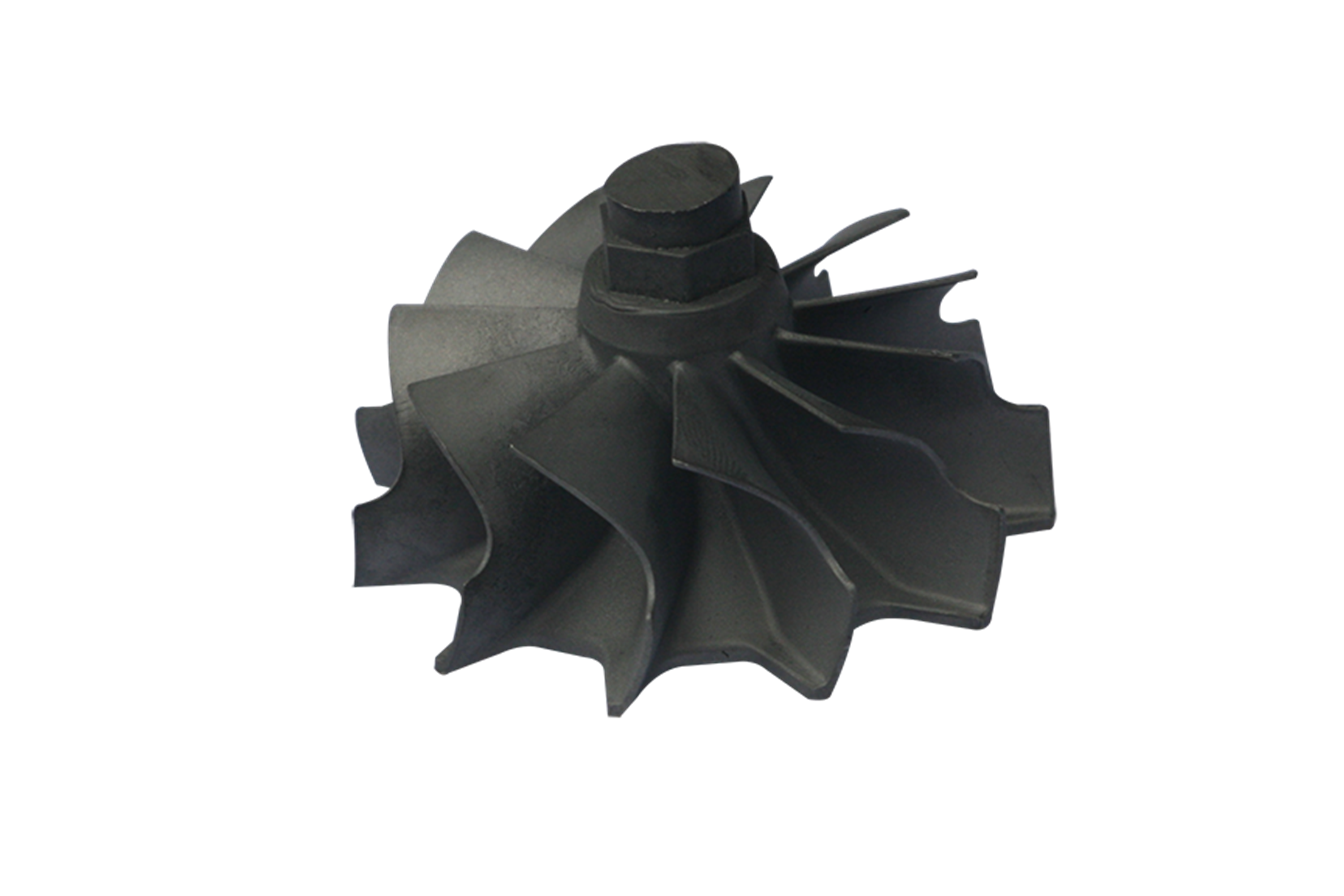
Lo que el HIP Logra en la Fundición de Superaleaciones
El HIP restaura la calidad de la fundición mejorando la densidad, la microestructura y la resistencia a la fatiga a alta temperatura, aspectos esenciales para álabes, paletas, cámaras de combustión y sellos.
Elimina huecos internos y microporosidad causados durante el enfriamiento en la fundición a la cera perdida al vacío
Aumenta la vida a fatiga y fluencia bajo ciclos térmicos sostenidos
Soporta el mecanizado posterior al HIP y la soldadura TIG sin deformación
Prepara superficies para una mejor adhesión de recubrimientos y control dimensional
El HIP se realiza típicamente antes del tratamiento térmico y del mecanizado CNC final.
Superaleaciones Comúnmente Procesadas por HIP
Aleación | Temperatura Máx. (°C) | Temperatura HIP (°C) | Aplicación |
|---|---|---|---|
950 | 1210 | Segmentos de tobera, piezas fundidas de álabes | |
1050 | 1230 | Álabes de turbina, cubiertas de paletas | |
1175 | 1170 | Carcasas de combustión, anillos de soporte | |
1140 | 1260 | Perfiles aerodinámicos de turbina de monocristal |
Todos los ciclos HIP se personalizan según las especificaciones de aleación del OEM y la geometría de la fundición.
Estudio de Caso: HIP de Piezas Fundidas de Tobera de Turbina en Inconel 713C
Antecedentes del Proyecto
Un cliente envió 240 segmentos de tobera equiaxiales de Inconel 713C para HIP. Cada pieza tenía un espesor de 8 mm con canales de refrigeración complejos. El HIP se realizó a 1210°C, 100 MPa durante 4 horas. Los rayos X y el MEB confirmaron la eliminación completa de la porosidad, y las piezas pasaron las pruebas ultrasónicas y la inspección dimensional con MMC.
Componentes e Industrias Típicamente Procesados por HIP
Modelo del Componente | Descripción | Aleación | Industria |
|---|---|---|---|
NGV-310 | Paleta guía de tobera con refrigeración por película | Rene 80 | |
HPC-400 | Carcasa de combustor con brida integral | Hastelloy X | |
BLD-710 | Álabe de primera etapa con raíz de árbol de abeto de 25 mm | CMSX-4 | |
EXH-580 | Paleta de escape con estructura de nervaduras cruzadas | Inconel 713C |
Todas las piezas fueron sometidas a HIP, tratamiento térmico, mecanizado y recubrimiento para servicio a ≥950°C.
Beneficios del HIP para Componentes de Superaleación Fundidos
Elimina >99% de la porosidad, mejorando la inspección ultrasónica y la resistencia a la fatiga de alto ciclo
Previene la propagación de grietas curando microhuecos y cerrando cavidades de contracción en los límites de grano
Mejora la estabilidad dimensional, crítica para el acabado CNC posterior al HIP
Mejora la fuerza de adhesión de los recubrimientos TBC posteriores
Restaura piezas reparadas por soldadura, permitiendo extender la vida útil de los componentes de turbina
Estándares y Parámetros de Procesamiento HIP
Rango de temperatura HIP: 1170–1300°C, dependiendo de la composición de la aleación
Rango de presión: 100–200 MPa en argón, cámara completamente cerrada
Duración del ciclo: 2–6 horas basado en el espesor de pared y los niveles de porosidad
Tasa de enfriamiento: ≤10°C/min para evitar tensiones residuales y distorsión
Inspección: Rayos X, MEB, MMC después del HIP para confirmar la efectividad
Resultados y Verificación
Ejecución del HIP
Las piezas fueron sometidas a HIP a 1210°C y 100 MPa durante 4 horas. El enfriamiento se controló a 5°C/min para prevenir sobreenvejecimiento o agrietamiento.
Procesamiento Posterior al HIP
Los álabes y paletas se sometieron a tratamiento térmico según AMS 5662, seguido de mecanizado CNC y opcionalmente recubrimiento TBC dependiendo de la aplicación final.
Inspección
La inspección por rayos X verificó el cierre completo de la porosidad. El MMC confirmó tolerancias de perfil dentro de ±0.008 mm. El análisis MEB validó la integridad del grano y la eliminación de huecos.
Preguntas Frecuentes
¿Qué grados de superaleación se benefician más del tratamiento HIP?
¿Es obligatorio el HIP antes del mecanizado o soldadura de piezas de turbina?
¿Qué estándares de calidad se utilizan para validar la efectividad del HIP?
¿Pueden realizar HIP en componentes de monocristal, equiaxiales y soldados?
¿Cuál es el tiempo de entrega típico para el procesamiento HIP?
