¿Cómo afecta la impresión 3D a los requisitos de postprocesado de piezas de superaleaciones?
Necesidades Únicas de Postprocesado Tras la Impresión 3D
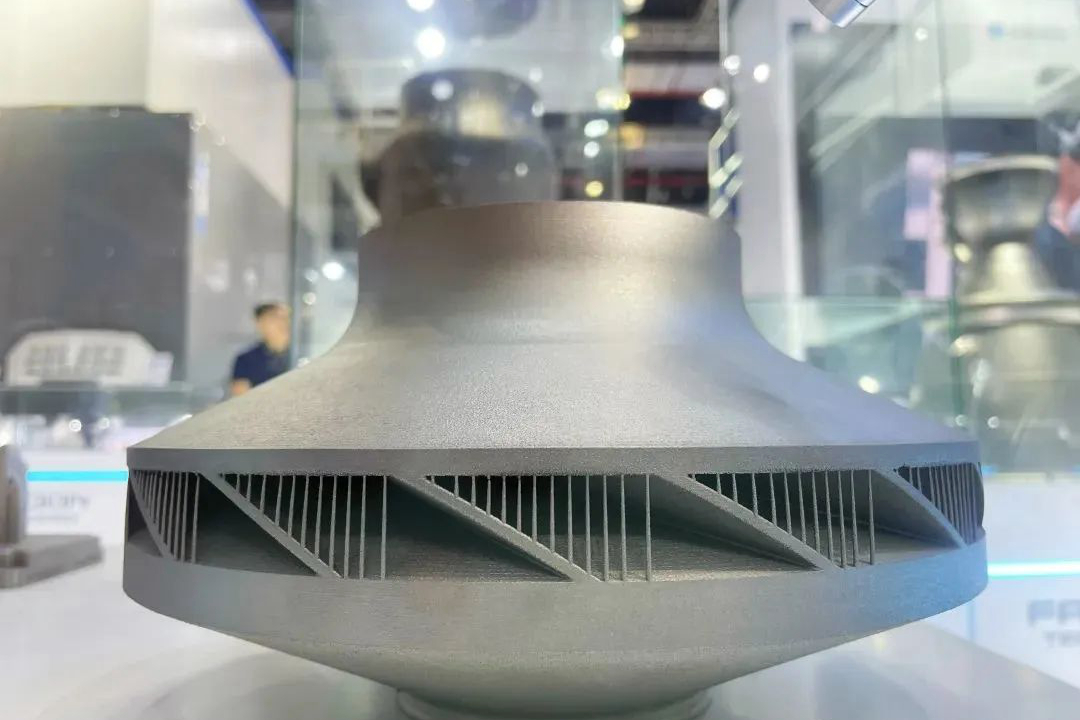
Los componentes de superaleación fabricados mediante impresión 3D de superaleaciones—como SLM o DMLS—presentan características microestructurales diferentes en comparación con las piezas fundidas o forjadas. La solidificación capa por capa introduce altas velocidades de enfriamiento y gradientes térmicos desiguales, lo que conduce a tensiones residuales, estructuras de grano anisotrópicas y posibles microfisuras. Por lo tanto, el postprocesado no es opcional—es obligatorio para lograr propiedades mecánicas de grado aeroespacial y energético.
A diferencia de la fundición a la cera perdida al vacío convencional, las piezas impresas en 3D a menudo requieren tratamiento térmico de alivio de tensiones, densificación por HIP y mecanizado de precisión para cumplir con las tolerancias dimensionales y los estándares de rendimiento.
Densificación y Alivio de Tensiones
La porosidad interna y los microhuecos ocurren naturalmente durante la fusión del polvo. La prensión isostática en caliente (HIP) se utiliza ampliamente para eliminar estos defectos, mejorando la densidad y la resistencia a la fatiga. El posterior tratamiento térmico restaura el equilibrio de fases y mejora el endurecimiento por precipitación. Esto es particularmente importante para grados a base de níquel como Inconel 718 o aleaciones a base de cobalto como Stellite 21, donde la estabilidad mecánica bajo carga cíclica depende de la uniformidad microestructural.
Las tensiones residuales generadas durante el enfriamiento rápido deben aliviarse antes de cualquier mecanizado para prevenir deformaciones o el inicio de fisuras durante el acabado final.
Acabado Superficial y Mecanizado
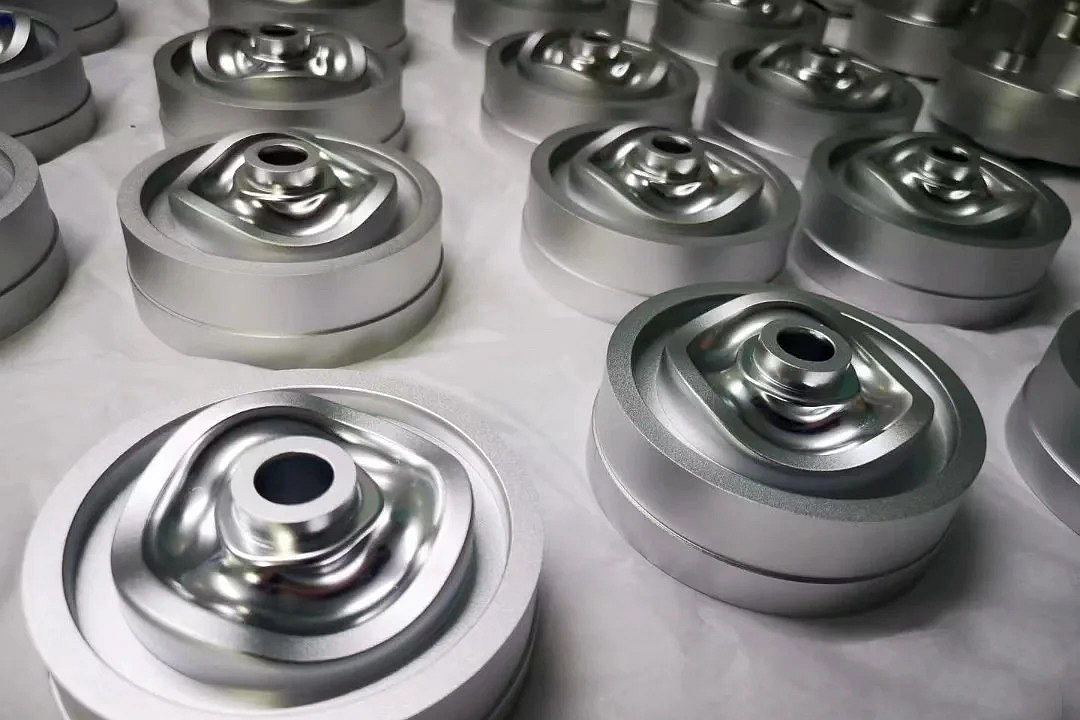
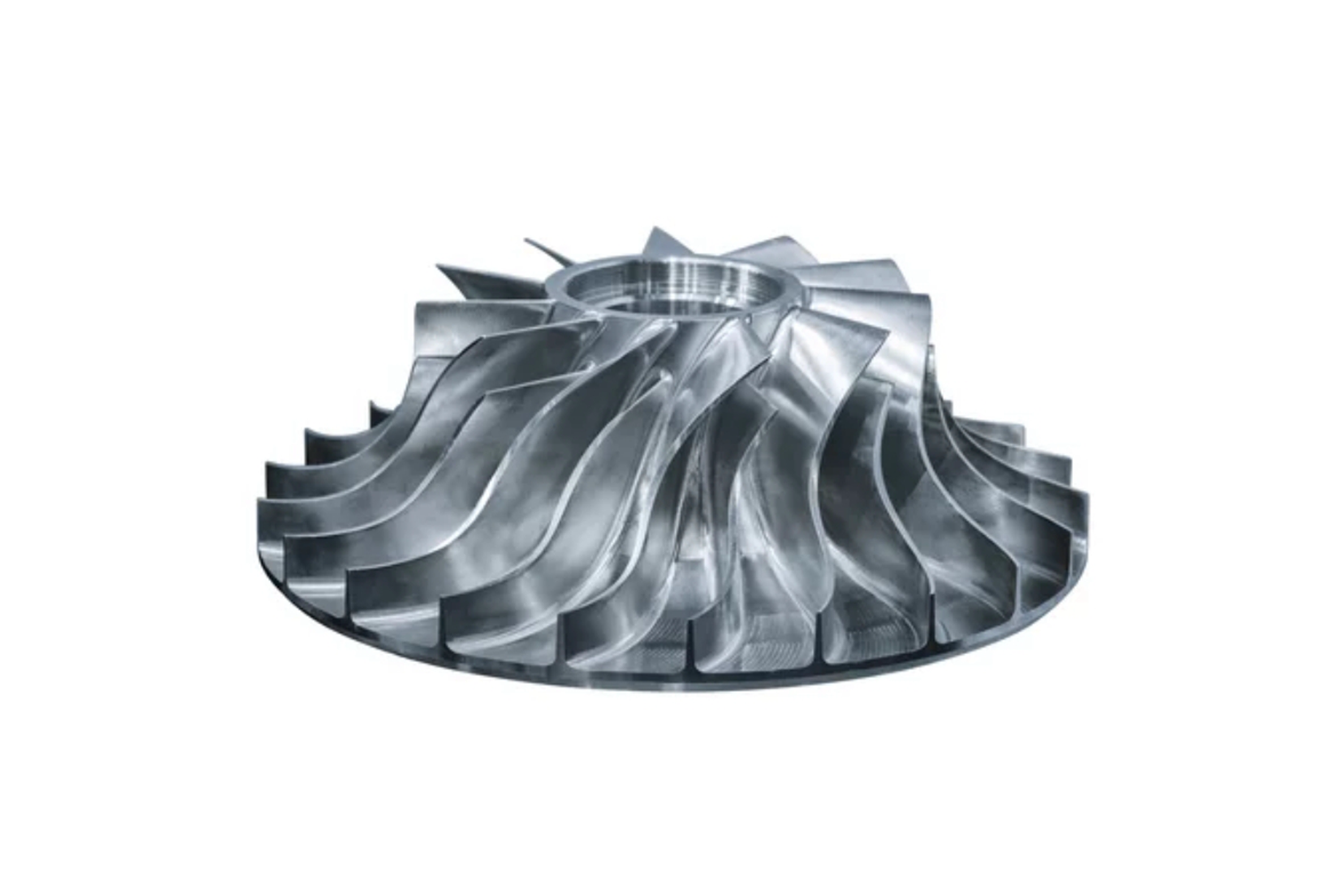
Las superficies tal como se imprimen suelen ser rugosas y pueden contener partículas de polvo parcialmente fundidas. Para aplicaciones críticas de precisión en aeroespacial y aviación y generación de energía, normalmente se requiere mecanizado CNC de superaleaciones para lograr la tolerancia dimensional y la precisión superficial. En ciertos diseños, técnicas de acabado como taladrado profundo y mecanizado por electroerosión (EDM) permiten la fabricación de canales internos y geometrías intrincadas que no se pueden mecanizar convencionalmente.
Se pueden aplicar recubrimientos funcionales como recubrimiento de barrera térmica (TBC) para mejorar la resistencia a la oxidación y al calor, especialmente para componentes de combustión y álabes de turbina.
Pruebas y Certificación
Dado que la fabricación aditiva crea microestructuras únicas, es esencial realizar pruebas y análisis de materiales rigurosos. La tomografía computarizada, la inspección por rayos X, las pruebas de dureza, la evaluación de fatiga y la verificación de fases garantizan que la pieza cumpla con los estándares de rendimiento. Solo después de las pruebas se puede aprobar la pieza para su uso en entornos de alto estrés como aplicaciones de petróleo y gas o militar y defensa.