
Proveedor Personalizado de Piezas Aeroespaciales de Superaleación Hastelloy para la Industria de la...
Introducción a la Fabricación de Componentes Aeroespaciales de Hastelloy
Las aleaciones Hastelloy son materiales críticos en la aviación, conocidas por su excepcional resistencia a la corrosión, su resistencia a altas temperaturas y su fiabilidad en condiciones ambientales extremas. Como proveedor líder, Neway AeroTech se especializa en la producción de componentes aeroespaciales personalizados de grado Hastelloy mediante técnicas de fabricación avanzadas, que incluyen fundición a la cera perdida al vacío y forja de precisión de superaleaciones.
Nuestra experiencia garantiza que los componentes precisos cumplan con los estrictos estándares de la aviación, optimizando el rendimiento y la vida útil de las piezas incluso en condiciones de funcionamiento severas. Con capacidades de última generación, Neway AeroTech ofrece soluciones personalizadas de Hastelloy que mejoran la eficiencia, reducen el tiempo de inactividad y respaldan los avances de la aviación de próxima generación.
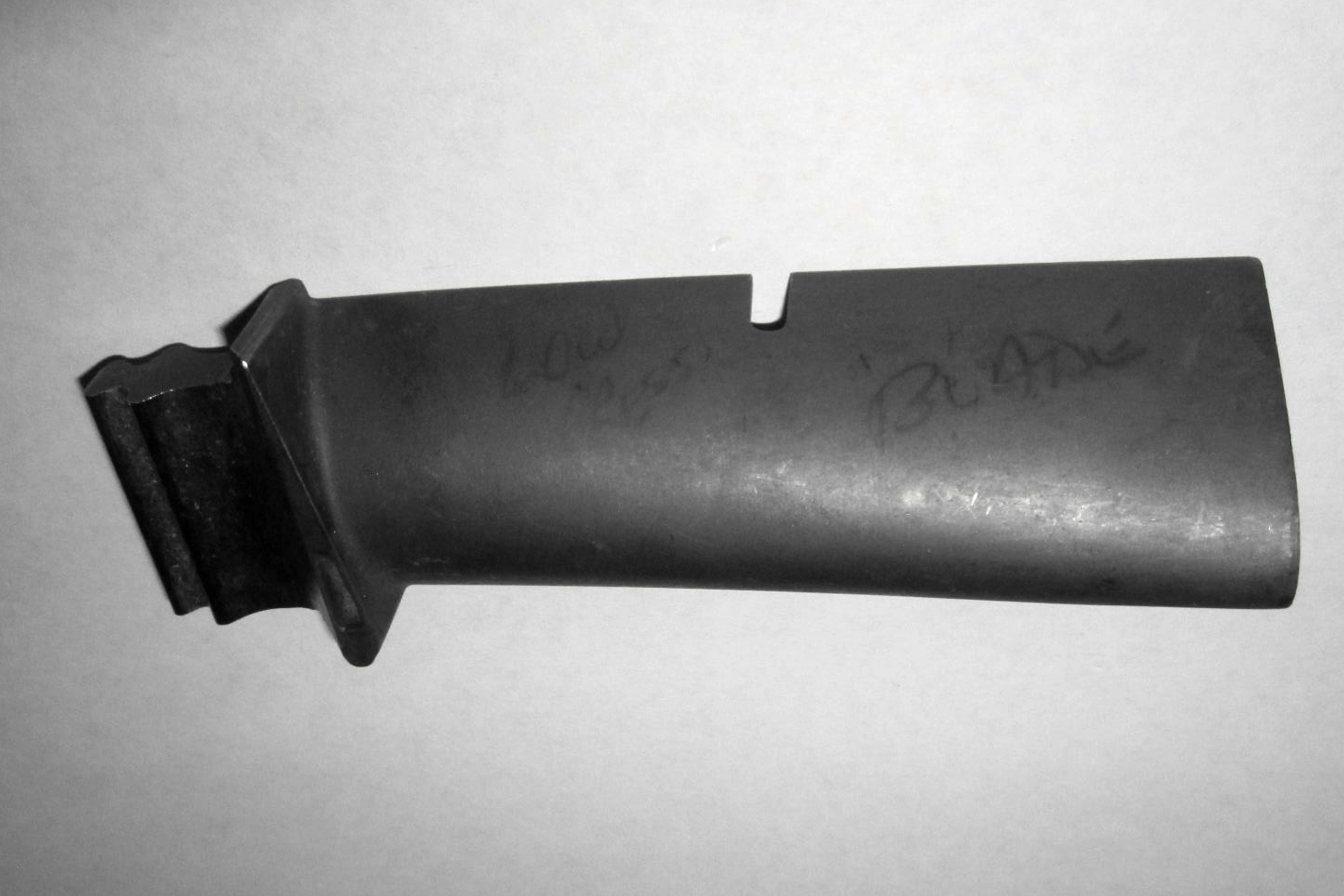
Desafíos de Fabricación para Componentes Aeroespaciales de Hastelloy
La fabricación de componentes de grado aeroespacial de Hastelloy implica superar importantes desafíos técnicos, que incluyen:
Rendimiento a Altas Temperaturas: Mantener la integridad estructural a temperaturas de funcionamiento de hasta 1150°C.
Resistencia a la Corrosión: Garantizar la durabilidad frente a entornos aeroespaciales agresivos, incluida la exposición a gases corrosivos y productos de combustión.
Dificultad de Mecanizado: Superar la baja maquinabilidad debido a las altas tasas de endurecimiento por trabajo, lo que requiere herramientas especializadas y parámetros de mecanizado precisos.
Estabilidad del Material: Evitar defectos microestructurales como porosidad, segregación o debilitamiento de los límites de grano durante la fundición o forja.
Procesos de Fabricación Avanzados para Piezas Aeroespaciales de Hastelloy
Fundición a la Cera Perdida al Vacío
Los modelos de cera replican con precisión las geometrías deseadas.
Los modelos se recubren con cerámica refractaria, formando moldes robustos.
La eliminación de la cera se produce a temperaturas de alrededor de 180°C mediante autoclave.
La fundición de la aleación Hastelloy fundida al vacío (≤0.01 Pa) garantiza la pureza.
El enfriamiento controlado (~50°C/hora) minimiza las tensiones residuales y la distorsión.
Forja de Precisión
Los tochos de Hastelloy se calientan a temperaturas de forja (950°C a 1150°C).
La forja se realiza utilizando matrices isotérmicas precisas para lograr una precisión dimensional superior.
El temple rápido y las tasas de enfriamiento controladas optimizan la microestructura, la resistencia y la resistencia a la fatiga.
Descripción Comparativa de los Métodos de Fabricación de Hastelloy
Proceso | Precisión Dimensional | Rugosidad Superficial | Velocidad de Producción | Capacidad de Complejidad |
|---|---|---|---|---|
Fundición a la Cera Perdida al Vacío | ±0.15 mm | Ra 3.2-6.3 µm | Moderada | Alta |
Forja de Precisión | ±0.10 mm | Ra 1.6-3.2 µm | Moderada | Moderada |
Mecanizado CNC | ±0.01 mm | Ra 0.8-3.2 µm | Moderada | Moderada |
Impresión 3D SLM | ±0.05 mm | Ra 6.3-12.5 µm | Rápida | Muy Alta |
Selección Estratégica de Procesos de Fabricación de Componentes Aeroespaciales de Hastelloy
Fundición a la Cera Perdida al Vacío: Óptima para formas complejas, volúmenes medios, manteniendo buena precisión (±0.15 mm) y rugosidad superficial de manera económica.
Forja de Precisión: Ideal para componentes estructuralmente exigentes que necesitan una resistencia mecánica y un acabado superficial superiores con una precisión dimensional de ±0.10 mm.
Mecanizado CNC: Preferido para requisitos de alta precisión, ofreciendo una precisión dimensional excepcional (±0.01 mm) y un excelente acabado superficial (Ra 0.8-3.2 µm).
Impresión 3D SLM: Excelente opción para estructuras complejas y ligeras, permitiendo prototipado rápido y canales internos intrincados con una precisión de ±0.05 mm.
Matriz de Rendimiento de Materiales Hastelloy para Aplicaciones Aeroespaciales
Material | Resistencia a la Tracción (MPa) | Límite Elástico (MPa) | Temperatura Máxima de Servicio (°C) | Resistencia a la Corrosión | Aplicación Aeroespacial |
|---|---|---|---|---|---|
795 | 385 | 1200 | Excepcional | Componentes de cámara de combustión | |
750 | 370 | 1100 | Excelente | Ductos de escape | |
690 | 310 | 1050 | Superior | Conjuntos de válvulas y accesorios | |
760 | 350 | 1000 | Excelente | Sujetadores estructurales de aviación | |
655 | 280 | 950 | Superior | Tubos de intercambiadores de calor | |
850 | 380 | 1100 | Excepcional | Componentes de turbinas de gas |
Criterios Óptimos de Selección de Aleaciones Hastelloy para la Aviación
Hastelloy X: Ideal para componentes de turbina de alta temperatura que exigen una resistencia excepcional a la oxidación hasta 1200°C.
Hastelloy C-276: Óptima para sistemas de escape que requieren una resistencia a la corrosión fiable e integridad mecánica a temperaturas de alrededor de 1100°C.
Hastelloy C-22: Adecuada para válvulas y accesorios aeroespaciales debido a su resistencia superior a la corrosión y estabilidad mecánica a 1050°C.
Hastelloy B-2: Material preferido para sujetadores de aviación que necesitan una resistencia fiable (350 MPa de límite elástico) y resistencia a la corrosión a 1000°C.
Hastelloy G-30: Elegida para intercambiadores de calor y sistemas de fluidos que exigen alta resistencia a la corrosión a temperaturas de hasta 950°C.
Hastelloy S: Excelente opción para piezas críticas de turbinas de gas, ofreciendo una resistencia a la tracción de 850 MPa y un rendimiento fiable hasta 1100°C.
Técnicas Críticas de Postprocesado para Piezas Aeroespaciales de Hastelloy
Prensado Isostático en Caliente (HIP): Mejora la densidad y elimina la porosidad interna, optimizando la resistencia a la fatiga a temperaturas de alrededor de 1200°C.
Recubrimiento de Barrera Térmica (TBC): Proporciona aislamiento térmico, reduciendo las temperaturas de los componentes en aproximadamente 200°C, esencial para componentes de turbina de alto rendimiento.
Mecanizado por Descarga Eléctrica (EDM): Ideal para crear características internas intrincadas con tolerancias de precisión de hasta ±0.005 mm.
Tratamiento Térmico: Optimiza la microestructura y mejora el rendimiento mecánico, crucial para componentes que operan a temperaturas extremas.
Caso de Estudio de la Industria: Componentes de Cámara de Combustión Aeroespacial de Hastelloy
Neway AeroTech entregó con éxito componentes personalizados de cámara de combustión de Hastelloy X utilizando fundición a la cera perdida al vacío, complementada con tratamiento térmico de precisión y HIP. Esto resultó en una estabilidad a alta temperatura mejorada, una resistencia superior a la corrosión y una precisión dimensional (±0.15 mm), extendiendo significativamente el ciclo de vida del componente.
Nuestro enfoque integral, aprovechando la experiencia en fabricación avanzada, permitió una producción rápida y el cumplimiento de estrictas certificaciones aeroespaciales, ofreciendo una fiabilidad inigualable en aplicaciones de aviación de hasta 1200°C.
Preguntas Frecuentes sobre la Fabricación de Componentes Aeroespaciales de Hastelloy
¿Qué certificaciones aeroespaciales posee su instalación de fabricación de Hastelloy?
¿Pueden manejar diseños personalizados y prototipado rápido para componentes aeroespaciales?
¿Qué procedimientos de garantía de calidad se utilizan durante la producción de piezas de Hastelloy?
¿Qué tratamientos de postprocesado mejoran el rendimiento de las piezas de Hastelloy para la aviación?
¿Ofrecen consultas técnicas para la selección de materiales Hastelloy y la optimización del diseño?
