
Piezas de Mezclador Hastelloy para Procesamiento Químico, Piezas de Válvula, Fundición a la Cera Per...
Introducción a los Componentes de Hastelloy para Procesamiento Químico
La industria de procesamiento químico se encuentra frecuentemente con entornos severos de corrosión y alta temperatura, lo que exige materiales robustos para mezcladores y válvulas. Neway AeroTech se especializa en la fundición a la cera perdida de precisión de componentes personalizados de Hastelloy, aprovechando aleaciones avanzadas como Hastelloy C-276 y Hastelloy B-2. Nuestra fundición de precisión garantiza una resistencia excepcional a productos químicos corrosivos, precisión dimensional e integridad mecánica esenciales para mezcladores y válvulas químicas de alto rendimiento.
Como expertos en fundición de aleaciones Hastelloy, proporcionamos soluciones a medida para componentes críticos en entornos químicos agresivos.
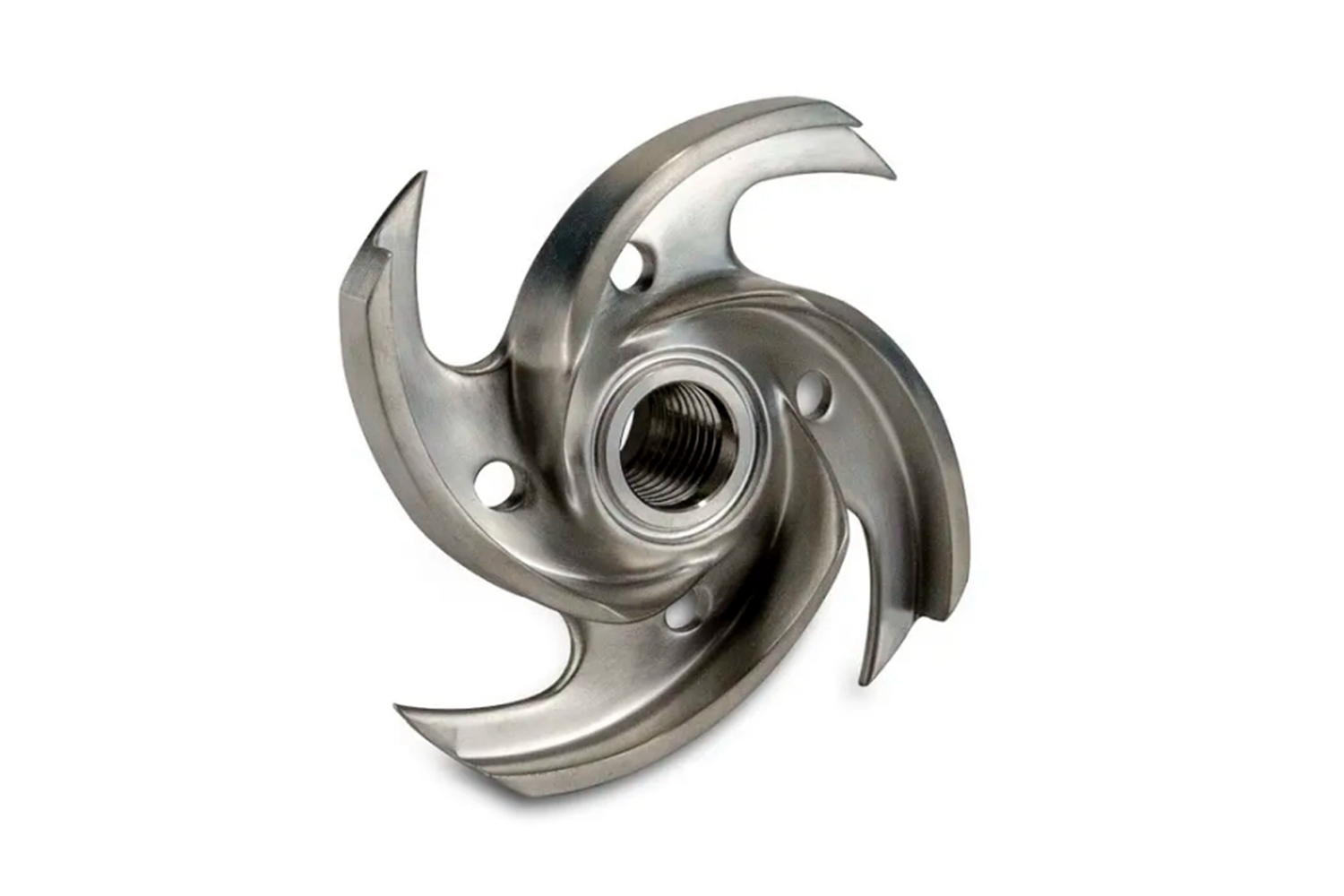
Desafíos Principales en la Fundición de Piezas de Mezclador y Válvula de Hastelloy
La fundición a la cera perdida de componentes de mezclador y válvula de Hastelloy presenta desafíos técnicos específicos:
Resistencia a la Corrosión: Garantizar la pureza de la aleación y una microestructura homogénea para resistir ácidos, álcalis y cloruros agresivos.
Precisión Dimensional: Lograr tolerancias estrechas dentro de ±0,15 mm, críticas para el sellado de válvulas y la eficiencia del mezclador.
Acabado Superficial: Mantener acabados suaves (Ra 3,2–6,3 µm) esenciales para la dinámica de fluidos y el rendimiento del sellado.
Integridad Microestructural: Controlar el tamaño de grano y minimizar defectos mediante fusión al vacío (<0,1 Pa de vacío).
Proceso de Fundición a la Cera Perdida de Hastelloy Explicado
Fabricación del Modelo de Cera
Modelos de cera de precisión formados con tolerancias dimensionales de ±0,1 mm para replicar geometrías intrincadas de componentes.
Formación de la Carcasa Cerámica
Carcasas cerámicas construidas con un espesor de 6–12 mm mediante recubrimiento de lodo en múltiples etapas para manejar Hastelloy fundido (~1350°C).
Fusión y Fundición al Vacío
Aleaciones Hastelloy fundidas mediante inducción al vacío (<0,1 Pa), evitando oxidación y contaminación.
El vertido controlado al vacío produce formas casi netas, minimizando los requisitos de mecanizado secundario.
Acabado Final
Carcasas cerámicas eliminadas mecánica o químicamente.
El mecanizado CNC de precisión refina las dimensiones hasta ±0,15 mm, logrando acabados superficiales de Ra 3,2–6,3 µm.
Comparación de Métodos de Fabricación para Piezas de Hastelloy
Proceso | Precisión | Acabado Superficial | Manejo de Complejidad | Eficiencia de Producción |
|---|---|---|---|---|
Fundición a la Cera Perdida | ±0,15 mm | Ra 3,2–6,3 µm | Alta | Moderada–Alta |
Mecanizado CNC | ±0,005 mm | Ra 0,8–1,6 µm | Moderada | Moderada |
Forja | ±0,2 mm | Ra 6,3–12,5 µm | Moderada | Alta |
Fabricación Aditiva (SLM) | ±0,10 mm | Ra 6,3–12,5 µm | Alta | Moderada |
Estrategia de Selección del Proceso de Fabricación
Fundición a la Cera Perdida: Óptima para paletas de mezclador complejas y cuerpos de válvula que requieren resistencia a la corrosión y tolerancias precisas (±0,15 mm).
Mecanizado CNC: Ideal para caras de sellado críticas y superficies de acoplamiento con precisión estricta (±0,005 mm).
Forja: Adecuada para ejes de mezclador de alta resistencia y componentes estructurales robustos de válvula con tolerancias más amplias (±0,2 mm).
Fusión Selectiva por Láser (SLM): Recomendada para la creación rápida de prototipos de geometrías internas complejas en mezcladores y válvulas.
Matriz de Rendimiento de Materiales de Aleación Hastelloy
Aleación | Resistencia a la Tracción | Límite Elástico | Resistencia a la Corrosión | Temperatura Máx. de Operación | Aplicación Típica |
|---|---|---|---|---|---|
750 MPa | 350 MPa | Excelente (Cloruros, Ácidos) | 1038°C | Válvulas, mezcladores en medios químicos severos | |
760 MPa | 350 MPa | Superior (Ácido Clorhídrico) | 1000°C | Mezcladores y válvulas químicos ácidos | |
690 MPa | 310 MPa | Superior (Productos Químicos Corrosivos) | 982°C | Reactores químicos, válvulas para medios agresivos | |
655 MPa | 280 MPa | Excelente (Ácidos mixtos, álcalis) | 1000°C | Ejes de mezclador, componentes internos de válvula | |
785 MPa | 385 MPa | Muy Buena (Oxidación a Alta Temperatura) | 1200°C | Válvulas de alta temperatura, mezcladores | |
700 MPa | 280 MPa | Excelente (Sales de fluoruro) | 1000°C | Mezcladores de procesamiento de sales de fluoruro, válvulas |
Estrategia de Selección de Aleación Hastelloy
Hastelloy C-276: Preferida para mezcladores y válvulas que manejan soluciones químicas agresivas ricas en cloruros y ácidas.
Hastelloy B-2: Ideal para equipos en entornos de ácido clorhídrico, garantizando una vida útil prolongada y confiabilidad.
Hastelloy C-22: Seleccionada para reactores químicos y válvulas versátiles debido a su robusta resistencia a productos químicos corrosivos mixtos.
Hastelloy G-30: Óptima para ejes y componentes internos de válvula sometidos a mezclas químicas complejas.
Hastelloy X: Elegida para válvulas y mezcladores que requieren resistencia combinada a la corrosión y oxidación a temperaturas elevadas.
Hastelloy N: Adecuada para aplicaciones que involucran entornos altamente corrosivos de sales de fluoruro.
Tecnologías Clave de Postprocesamiento
Tratamiento Térmico: Mejora la resistencia mecánica y la resistencia a la corrosión.
Prensado Isostático en Caliente (HIP): Elimina huecos internos para la integridad estructural.
Mecanizado CNC de Precisión: Logra tolerancias precisas (±0,005 mm) requeridas para superficies de sellado críticas.
Pasivación y Recubrimientos Superficiales: Mejora aún más la resistencia a la corrosión y la durabilidad.
Estudio de Caso de la Industria: Componentes de Mezclador y Válvula de Hastelloy
Neway AeroTech entregó recientemente mezcladores y componentes de válvula de Hastelloy C-276 a un cliente líder en procesamiento químico. Mediante fundición a la cera perdida avanzada y mecanizado de precisión, logramos una precisión dimensional de ±0,15 mm, una resistencia excepcional a la corrosión y propiedades mecánicas robustas (750 MPa de resistencia a la tracción). Estos componentes mejoraron significativamente la confiabilidad operativa y redujeron los costos de mantenimiento en condiciones de procesamiento químico extremadamente corrosivas.
Nuestra experiencia probada destaca nuestra ventaja competitiva en el suministro de componentes de Hastelloy de alta calidad.
Preguntas Frecuentes
¿Cuáles son sus plazos de entrega para componentes de mezclador y válvula de Hastelloy?
¿Ofrecen fundición de prototipos o pequeños volúmenes de componentes de Hastelloy?
¿Qué certificaciones de la industria cumplen sus fundiciones de Hastelloy?
¿Cómo garantizan la consistencia de la resistencia a la corrosión?
¿Pueden ayudar en la selección de materiales para aplicaciones químicas específicas?
