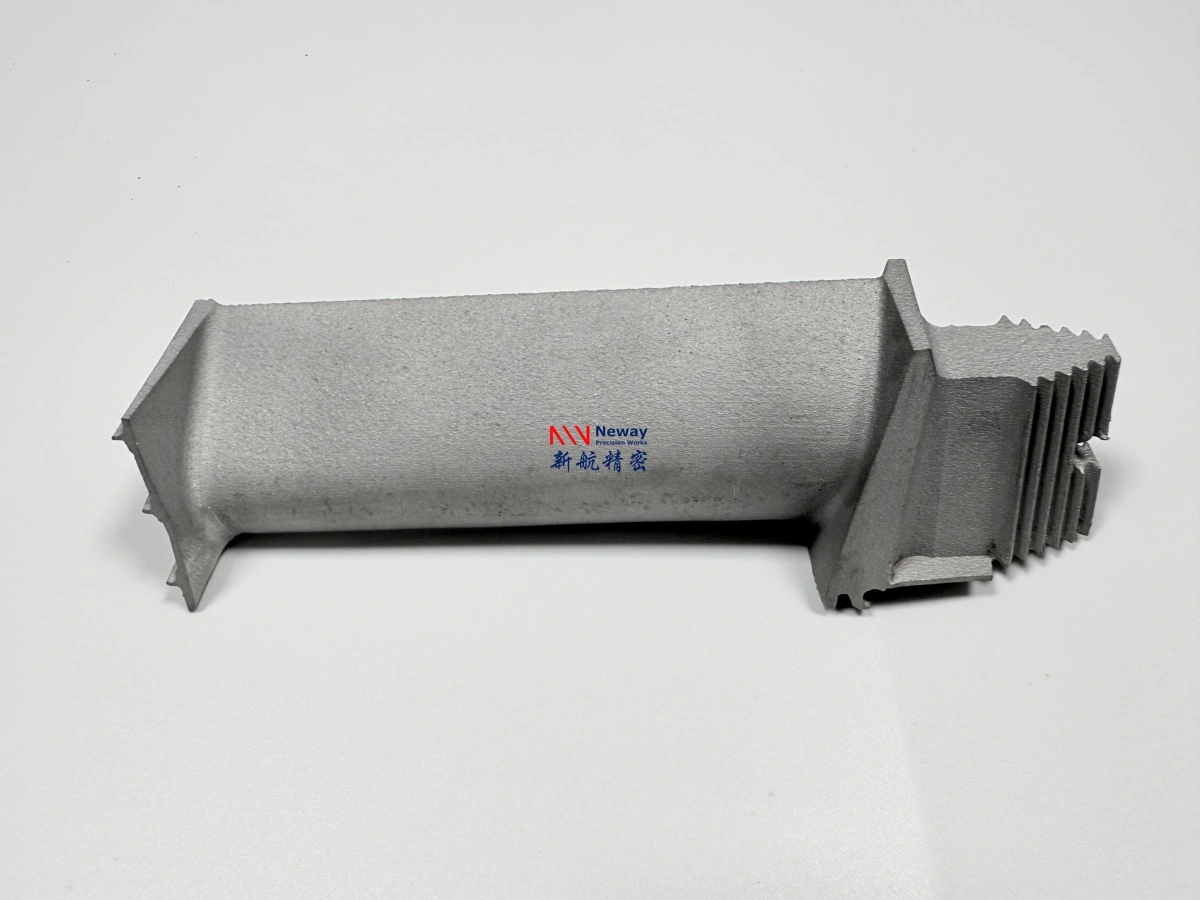
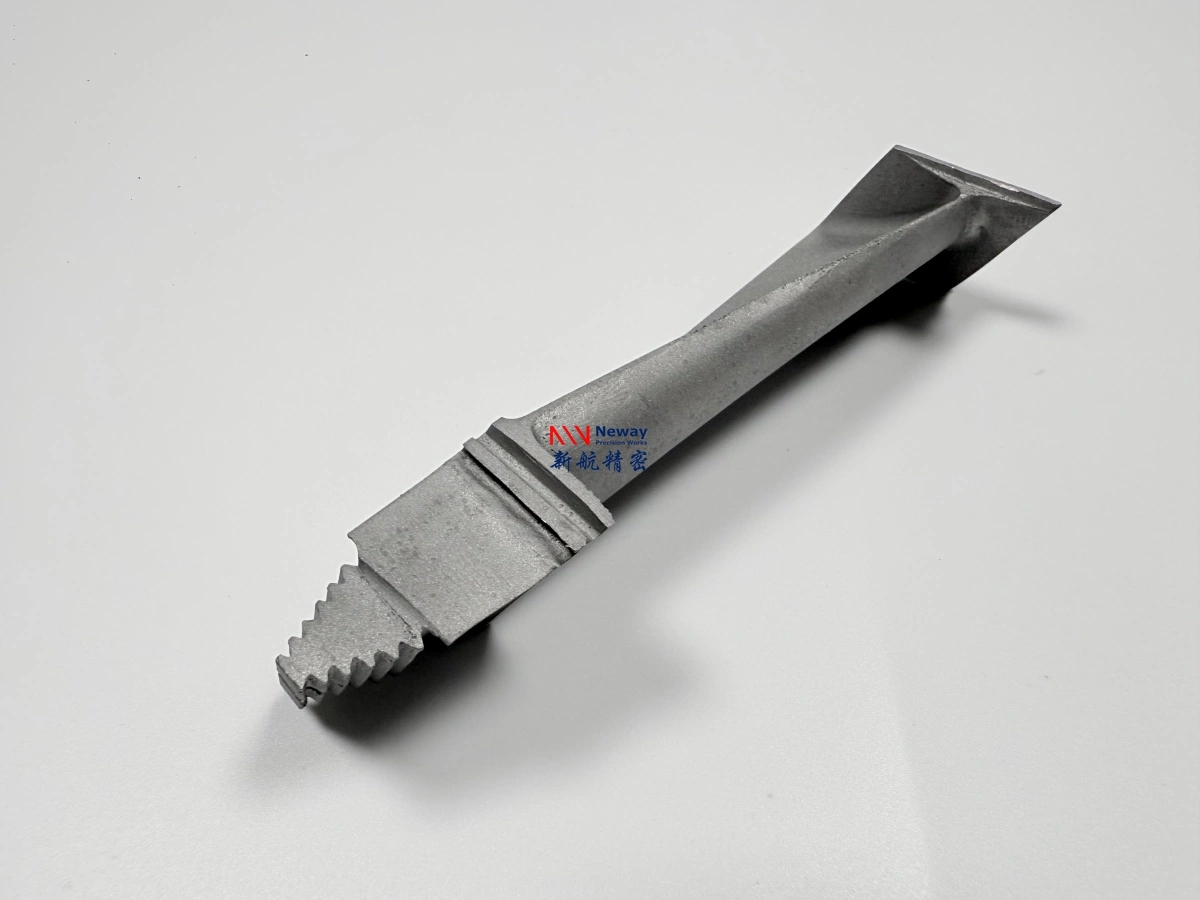
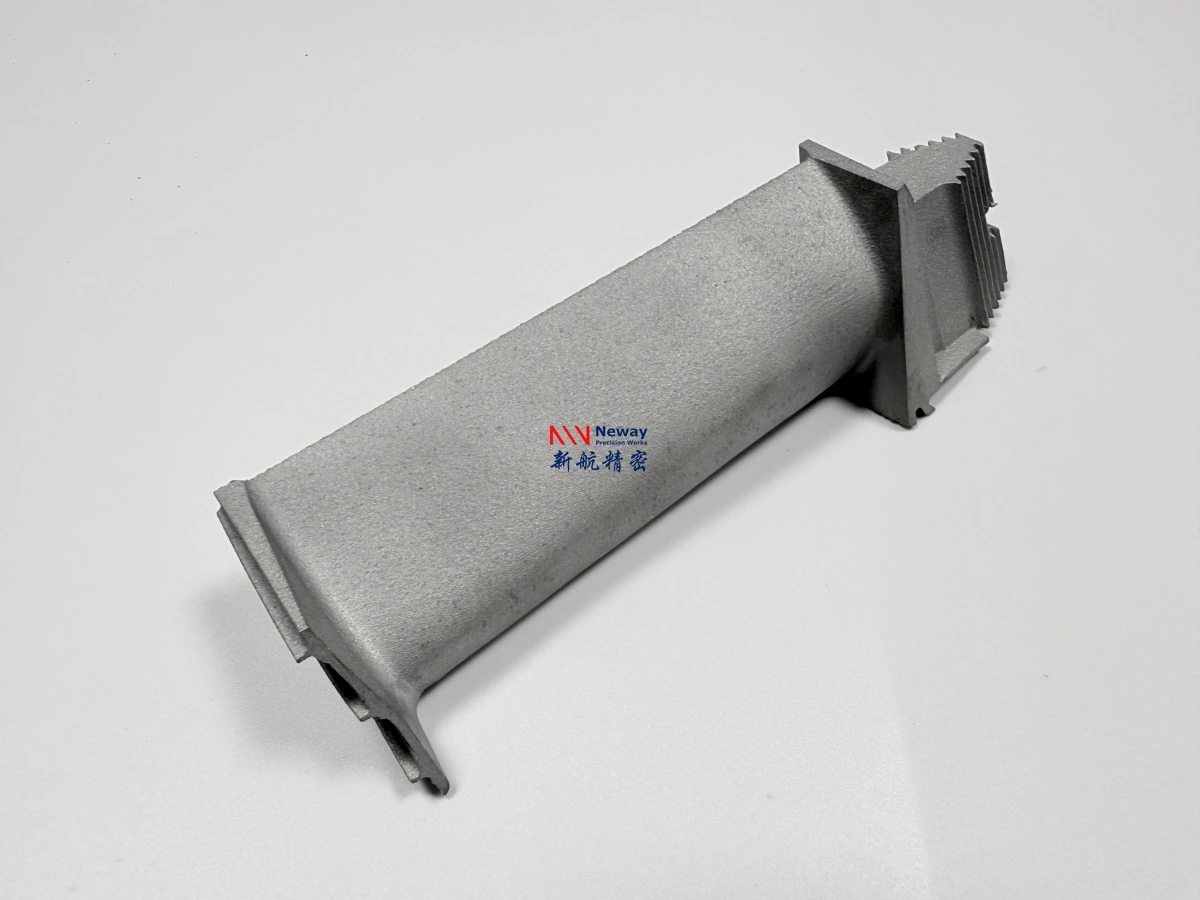
Superalloy Shroud and Heat Shield Casting for Hot Gas Path RFQs
Superalloy shroud and heat shield casting RFQs should define the hot gas path surface, attachment features, coating boundary, machining allowance, and inspection evidence before suppliers quote. These parts often look like simple curved tiles or segments, but the RFQ risk is in the surface that faces gas flow, the mounting geometry that controls fit, and the thermal movement that can appear after heat treatment or coating preparation. The buyer should specify whether the required supply is a cast blank, machined segment, coating-ready part, or finished component package.
NewayAeroTech can review shroud, heat shield, seal segment, liner, and related hot-section projects through vacuum investment casting, high-temperature superalloy casting, superalloy CNC machining, thermal barrier coating support, and material testing and analysis. The work is custom manufacturing from drawings, samples, and technical requirements, not standard spare-parts resale.
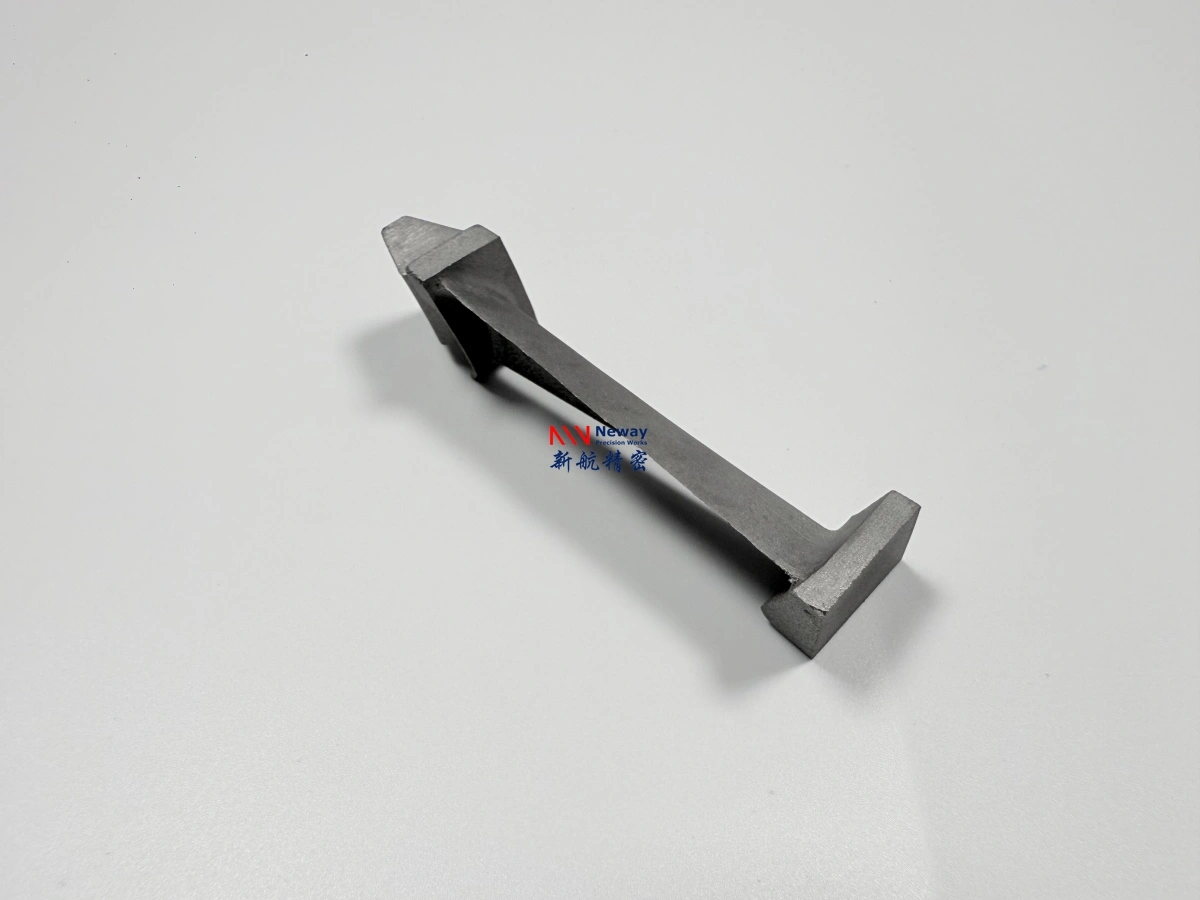
Hot Gas Path Surface Boundary
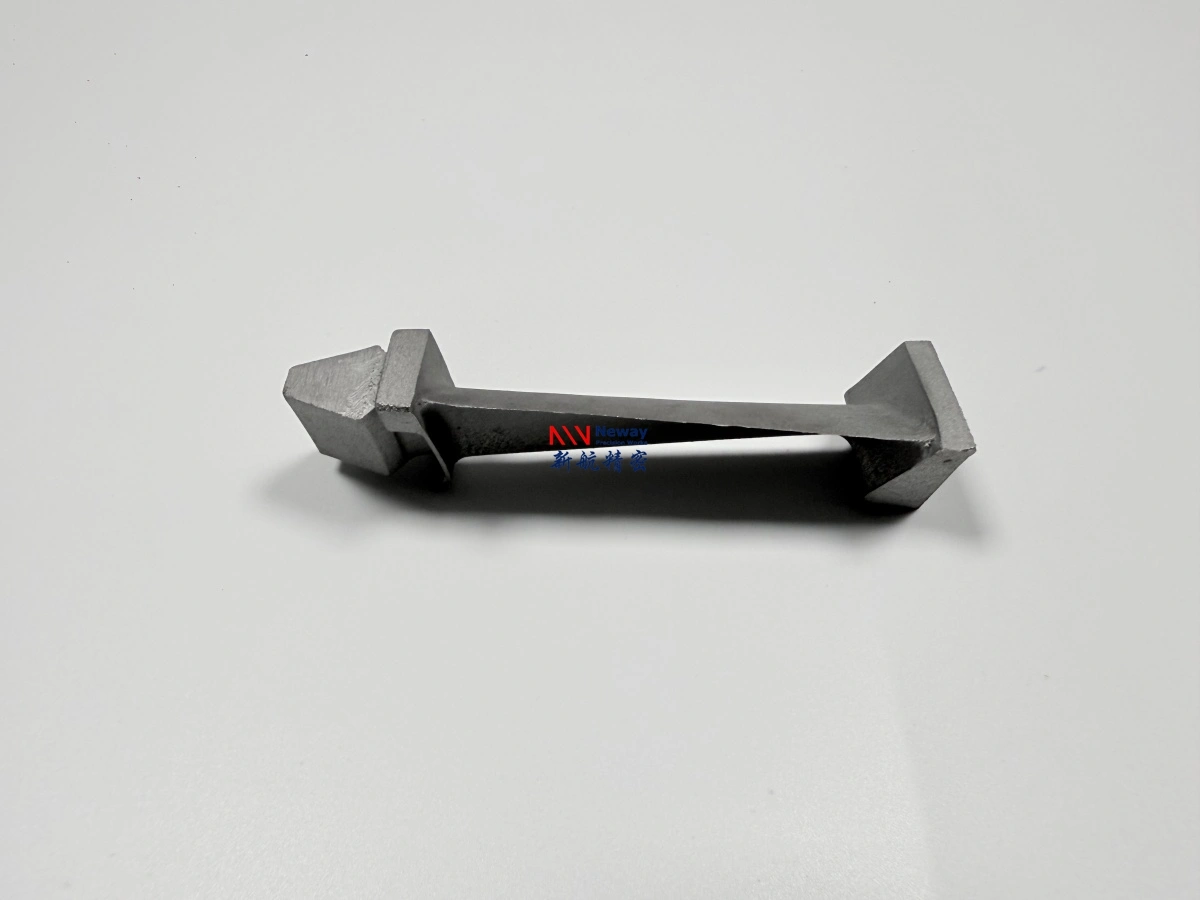
For this RFQ, buyers should first mark the surface that faces the hot gas path. On a shroud or heat shield, that surface may be a curved flow face, a thermal barrier coating face, a wear rub area, or a protected shield face that must remain stable after thermal processing. The supplier cannot judge casting route, surface stock, or inspection timing until the functional face is separated from mounting and non-critical surfaces.
The drawing should also show whether the gas-facing surface is supplied as-cast, machined, blended, grit-prepared, or coating-ready. Those delivery states require different stock allowances and quality checks. A coating-ready surface may need tighter control of oxide, contamination, edge condition, and surface preparation than a rough casting blank. If this boundary is missing, one supplier may quote a simple casting while another quotes a processed component.
Surface area | Manufacturing concern | RFQ instruction |
|---|---|---|
Gas-facing face | Surface condition, wall stability, and coating readiness. | State final condition and inspection timing. |
Rub or wear area | Stock allowance, edge damage risk, and final finishing. | Mark surfaces that require machining or controlled blending. |
Mounting side | Datums, bolt pads, hooks, slots, and assembly fit. | Define which features are final and which remain stock. |
Edges and corners | Cracking, chipping, casting feed, and coating edge control. | Identify fragile edges and acceptance expectations. |
Alloy and Casting Route Choice
Shroud and heat shield projects often use nickel-based or cobalt-based superalloys selected for high-temperature strength, oxidation resistance, hot-corrosion behavior, and castability. The buyer should state whether the alloy is fixed by the drawing or open for manufacturability review. If the alloy is fixed, the supplier should quote tooling, casting, heat treatment, machining, coating preparation, and inspection around that grade. If the alloy is open, the buyer should treat supplier comments as engineering input, not as automatic design approval.
Vacuum investment casting is commonly reviewed for complex hot-section segments because it can support curved surfaces, ribs, pads, bosses, and near-net features when geometry and alloy permit. Directional or single crystal routes are not automatically needed for every heat shield or shroud. The route should follow the component's thermal load, mechanical function, material requirement, and acceptance standard.
RFQ condition | Supplier review | Buyer decision |
|---|---|---|
Fixed alloy on drawing | Quote the approved grade and compatible process route. | Confirm material note, substitute rule, and delivery condition. |
Candidate alloy only | Comment on castability, machining, and post-process risk. | Approve final material through internal engineering review. |
Used sample supplied | Check wear, oxidation, coating residue, and distortion. | Decide whether the sample is reference or geometry authority. |
Coated surface required | Review base metal, surface preparation, and edge condition. | Define coating boundary and acceptance evidence. |
Geometry That Changes the Casting Quote
A shroud or heat shield quote should not be based only on outside dimensions. Segment curvature, wall thickness, ribs, slots, hooks, mounting pads, cooling holes, seal interfaces, and coating masks can all change tooling and process risk. A thin curved tile with several pads may distort differently from a heavy seal segment. A heat shield with many holes may need a different plan for casting, machining, EDM, or post-cast drilling.
Buyers should mark which features may be cast near net and which must be machined after heat treatment. Cast-in holes, slots, or thin lips may reduce machining but increase casting risk. Machined holes and final pads may be more predictable but require enough stock and stable datum surfaces. The supplier needs this decision before it can quote a realistic manufacturing route.
Machining Allowance and Datum Planning
Machining allowance is central to shroud and heat shield RFQs. The buyer should show final datums, mounting faces, hole positions, sealing surfaces, coating boundaries, and any features that must remain as-cast. If the part is supplied as a blank, the quote should still define allowance zones so downstream machining can clean up. If NewayAeroTech is responsible for final machining, the drawing should identify inspection dimensions and surfaces that control assembly fit.
Thermal processing can change the machining plan. Heat treatment, HIP, stress relief, or coating preparation may shift flatness, curvature, or hole alignment. Some features should be machined after thermal steps, while other datums may need rough preparation earlier. A good RFQ states the delivery state and lets the supplier sequence casting, thermal processing, machining, and inspection around that target.
Feature | Allowance question | Quote impact |
|---|---|---|
Mounting pads | Are pads final, rough, or left stock? | Changes machining time and CMM scope. |
Curved gas face | Is the surface as-cast, machined, or coating-ready? | Affects tooling, finishing, and inspection timing. |
Holes and slots | Cast, drilled, EDM, or buyer-machined? | Changes process sequence and tolerance risk. |
Edges and thin lips | How much stock can be removed safely? | Controls reject risk and first-article review. |
Coating Readiness and Post-Process Scope
Many heat shield and shroud projects need a surface prepared for coating, even when the coating itself is not included in the casting quote. The RFQ should identify whether the supplier is responsible for surface preparation, masking, grit preparation, cleaning, inspection before coating, or only the base casting. If the coating is applied by another supplier, NewayAeroTech still needs to know the required surface state and protected areas.
Post-processing may include heat treatment, HIP, surface finishing, local machining, cleaning, and inspection. The buyer should define hold points around these steps. FPI before coating can catch surface indications. CMM after heat treatment can confirm dimensional movement before final machining. X-ray or CT may be useful if wall thickness or internal quality influences the part's release. These records should be chosen for the component, not copied from a generic checklist.
Inspection Evidence for Shrouds and Heat Shields
Inspection evidence should connect directly to the part's function. A shroud segment may need CMM for mounting geometry, FPI on edges and machined faces, X-ray or CT for casting soundness around thick-to-thin transitions, and material verification when required by the drawing. A heat shield may need surface condition review, flatness checks, hole pattern inspection, and coating-readiness evidence. The buyer should name the release records and first-article records separately.
First-article inspection should answer whether the casting route can hold shape, stock, and surface quality before repeat production. If the first article shows distortion, edge cracks, insufficient stock, or surface conditions that prevent coating preparation, the buyer and supplier should decide whether to revise tooling, machining allowance, inspection timing, or sample quantity before ordering the next batch.
Inspection item | Shroud or heat shield risk | Buyer note |
|---|---|---|
CMM | Mounting pad, hole pattern, curvature, and datum fit. | List report dimensions that control assembly. |
FPI | Surface indications on edges, gas face, and machined zones. | Define inspection stage before or after finishing. |
X-ray or CT | Internal soundness, wall transition, and hidden casting risk. | Mark zones where internal quality matters. |
Coating-readiness review | Surface cleanliness, edge condition, and protected areas. | State whether coating is supplier or buyer scope. |
Non-OEM and MRO Sample Boundary
If the project starts from a used shroud or heat shield sample, the buyer should document the sample condition before reverse review. Hot gas path samples may show oxidation, coating loss, rub wear, deformation, cracks, deposits, or previous repair. A used sample should not be treated as final design geometry without buyer engineering approval. The RFQ should state which dimensions come from a drawing, which are measured from the sample, and which features are only visual references.
NewayAeroTech can review non-OEM custom manufacturing boundaries when the buyer provides drawings, samples, material requirements, and inspection expectations. The supplier can help assess manufacturability, but it should not be asked to claim original authorization or standard inventory status. This distinction protects the RFQ and keeps the project focused on custom manufacturing evidence.
RFQ Data for Shroud and Heat Shield Castings
Send the 2D drawing, 3D model, material grade, expected quantity, hot gas path surface map, coating boundary, delivery state, heat-treatment requirement, HIP requirement if any, machining surfaces, datum scheme, hole or slot method, inspection records, and first-article plan. If a sample is supplied, include photos of gas-facing surfaces, mounting features, coating residue, wear areas, and any known deformation.
NewayAeroTech can review superalloy shroud and heat shield casting when the buyer defines the functional surface, alloy requirement, route choice, machining allowance, post-process responsibility, and inspection evidence. A clear RFQ lets the supplier quote a hot gas path component package instead of a loose request for a curved superalloy casting. It also helps the buyer compare suppliers by route completeness, not only by unit price.
Related FAQs
What are the most commonly used alloys in gas turbine components?
How do manufacturing processes affect the performance of gas turbine components?
What post-processing methods are essential for gas turbine components?
What inspections are typically conducted to ensure quality in gas turbine components?
Which inspections support coating readiness and final acceptance?
Can vacuum-cast hot gas path parts be machined after heat treatment?