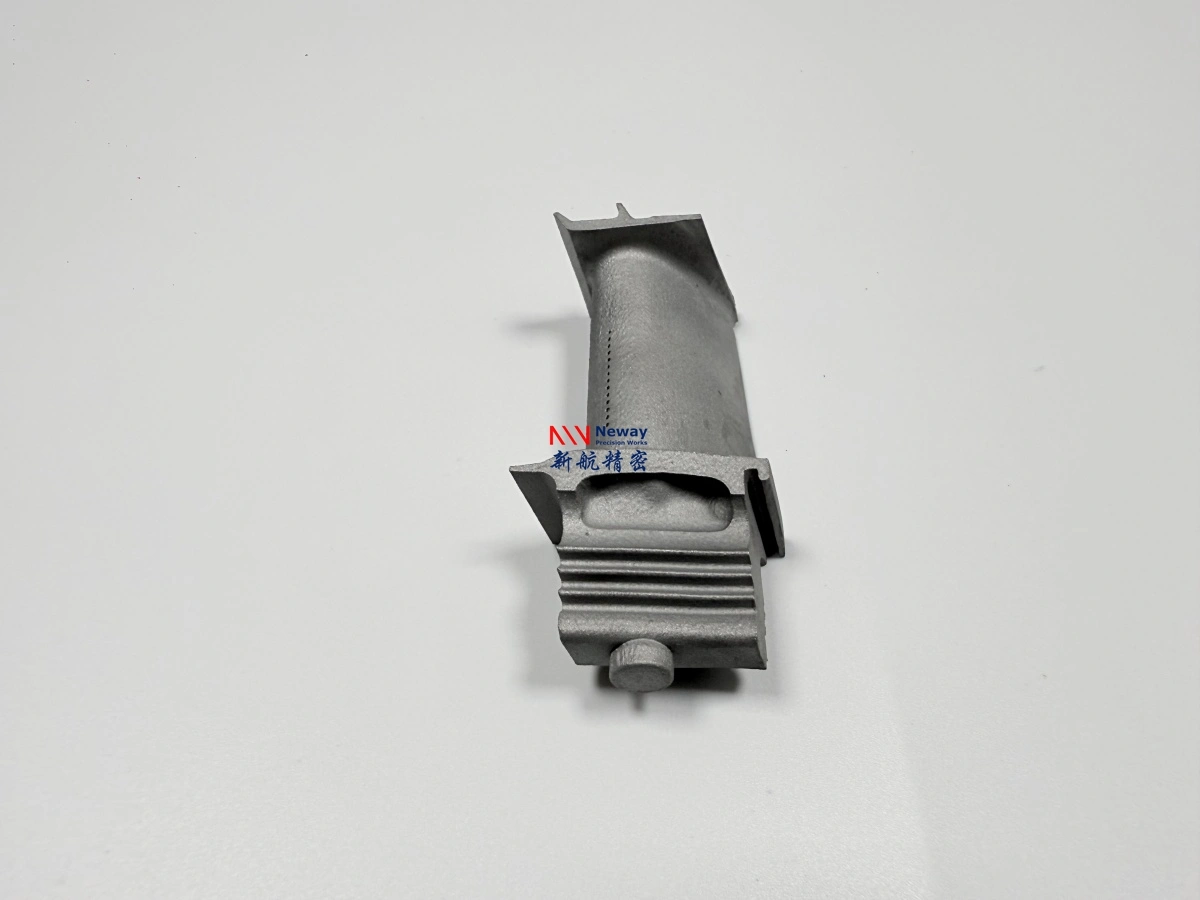
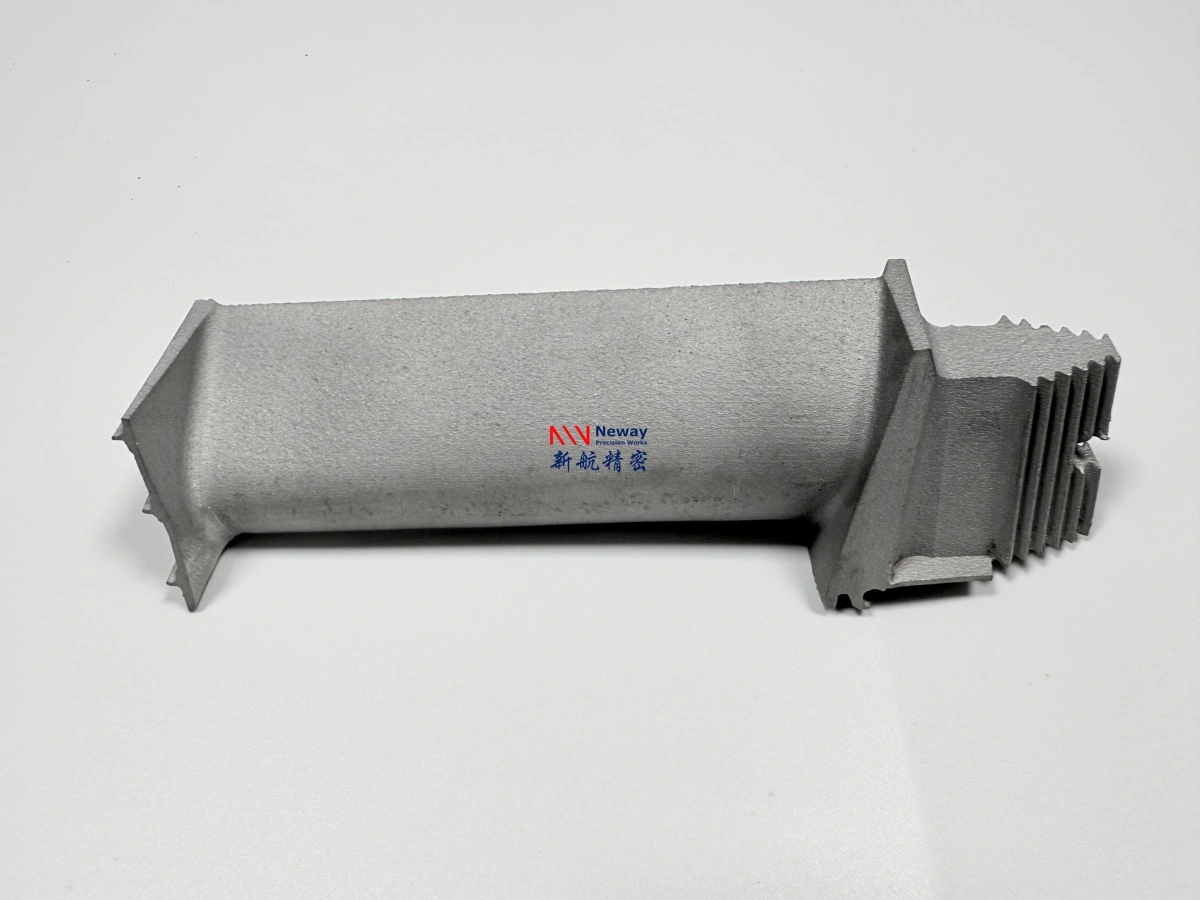
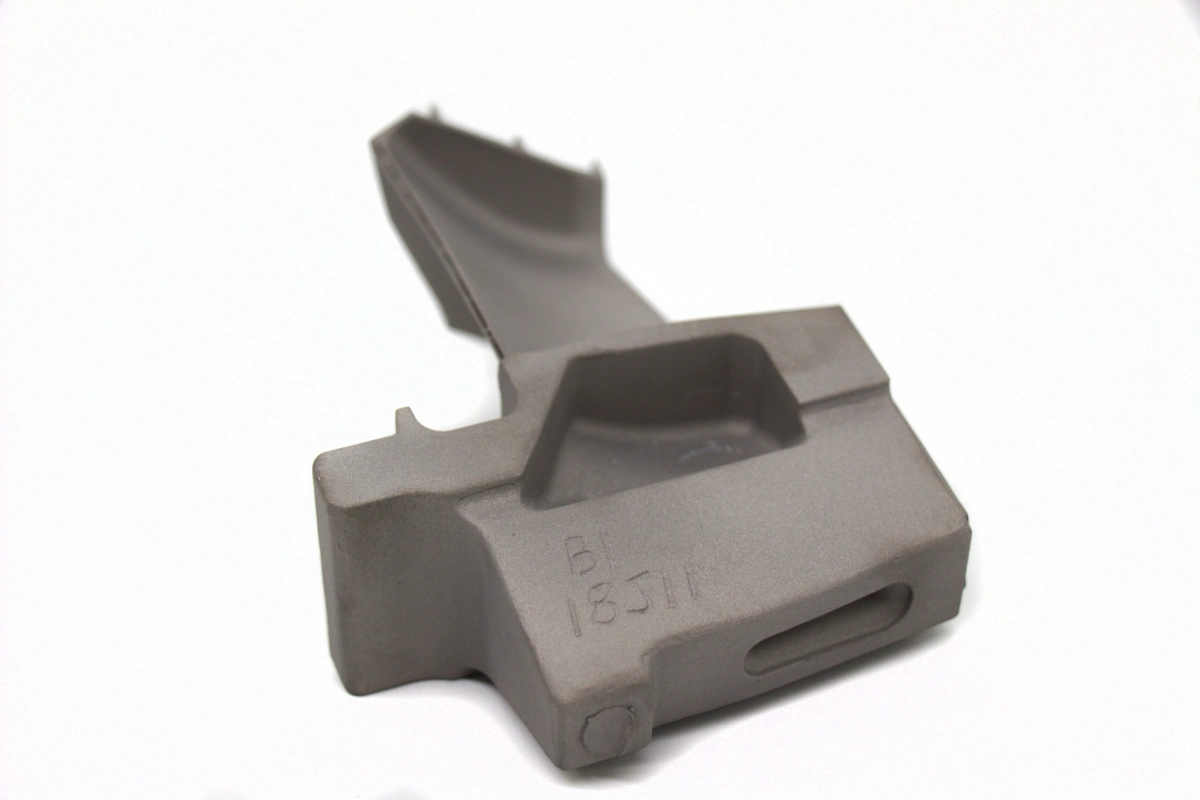
TBC Preparation for Superalloy Hot Section Parts Before Coating
A TBC RFQ should start before the coating booth. For turbine blades, vanes, shrouds, combustor liners, heat shields, transition pieces, and other hot-section parts, the coating result depends on the substrate condition, heat-treatment status, machining sequence, surface preparation, masking boundary, and inspection plan. Buyers get better quotations when they define whether NewayAeroTech is reviewing a cast part ready for coating, a CNC-machined hot gas path component, a semi-finished blank needing post-process work, or a used sample that first requires condition assessment.
NewayAeroTech can review thermal barrier coating TBC requirements together with superalloy post-process, heat treatment, vacuum investment casting, CNC machining, and inspection needs. The practical question is not only which top coat is desired. The buyer and supplier must agree on which surfaces are coated, which surfaces are masked, which interfaces stay uncoated, which dimensions are measured before and after coating, and which acceptance evidence is required for the project.
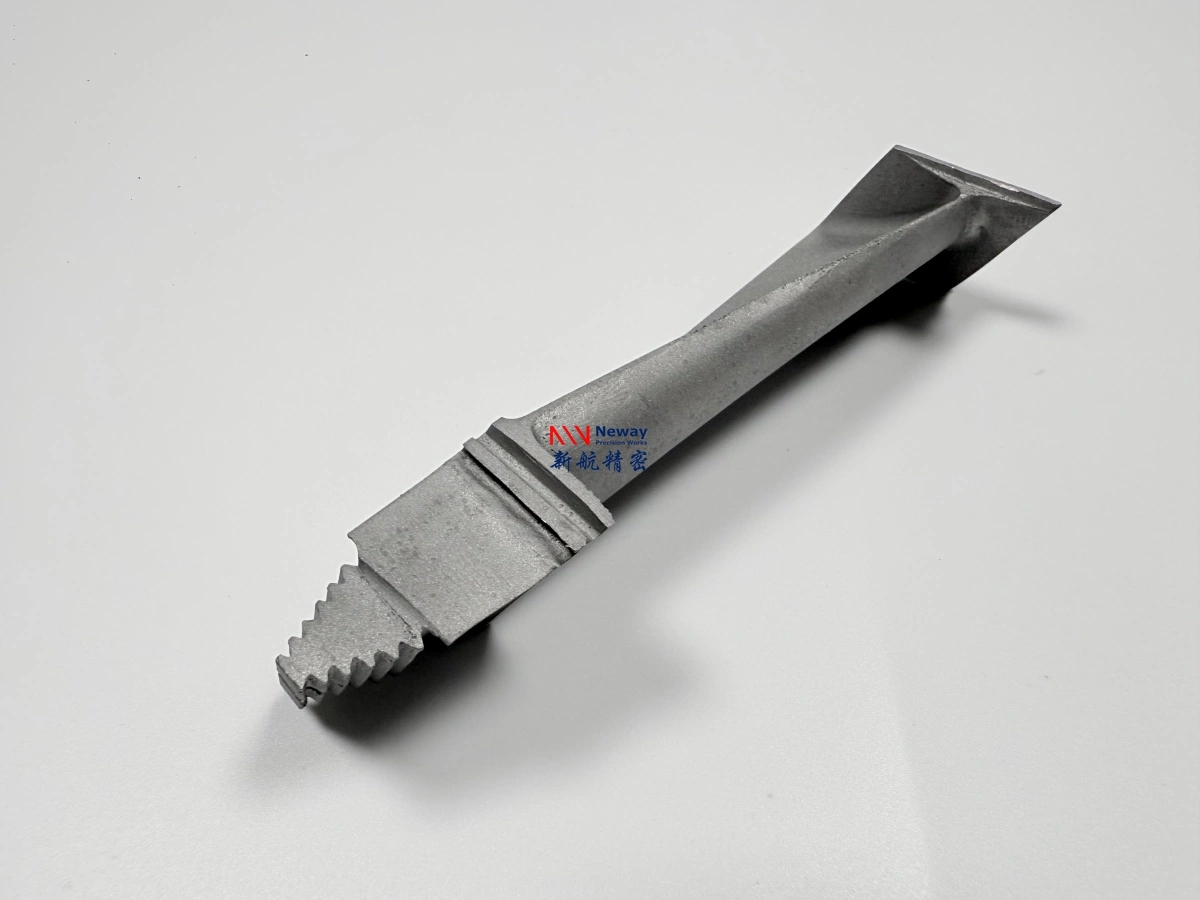
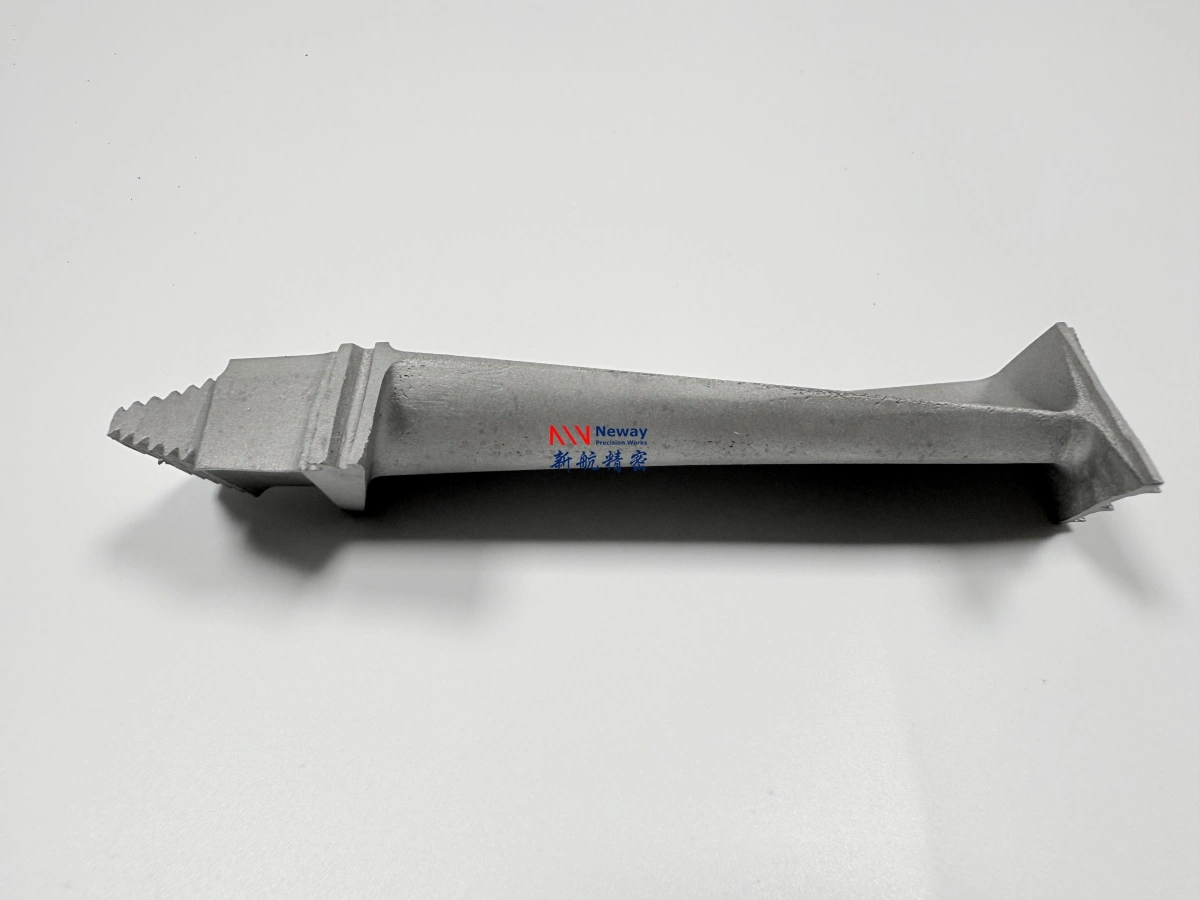
Substrate Condition Before TBC Release
The coating route begins with the metallic substrate. A superalloy part that still has casting skin, local porosity concerns, machining burrs, heat-treatment discoloration, or uncertain repair history is not ready for the same review as a clean finished component. For Inconel 738LC, Rene alloys, CMSX series, Hastelloy X, FSX-414, or other high-temperature alloys, the supplier needs to know whether the part is as-cast, HIP-treated, heat-treated, CNC-machined, EDM-machined, welded, or already stripped from previous coating. Each condition changes surface preparation and inspection risk.
Buyers should define the delivery state before asking for coating thickness or coating method. If NewayAeroTech is responsible only for TBC application, the incoming surface condition and acceptance records should be supplied by the buyer. If the project requires a combined route, the quote may include casting, machining, heat treatment, cleaning, masking, coating, and inspection. That difference changes responsibility for defects found after coating. A pore, crack, local mismatch, or oxidized surface discovered late may belong to the incoming part condition rather than the coating operation, so the RFQ should state who controls each upstream step.
Incoming part condition | Preparation question | Quotation risk if undefined |
|---|---|---|
As-cast hot-section component | Are casting defects, surface skin, and dimensional allowance already accepted? | Coating may be quoted before substrate acceptance is clear. |
CNC-machined turbine part | Are final dimensions measured before coating, and are coated dimensions required after coating? | Supplier and buyer may compare different dimensional states. |
Heat-treated or HIP-treated part | Are heat-treatment records, surface condition, and oxidation limits available? | Coating preparation may expose upstream process uncertainty. |
Used or stripped sample | Is the part being evaluated for repair, reference, or new manufacturing support? | Wear, coating residue, and deformation can be mistaken for design intent. |
Machining Surfaces and Masking Boundary
Hot-section parts normally contain both gas-path surfaces that may need coating and interfaces that must remain uncoated. Blade roots, platform contact faces, seal lands, bolt pads, datum pads, cooling-hole openings, flow-path edges, and assembly interfaces all need a clear masking or no-coat instruction. If the drawing says "apply TBC to gas path surface" without marking boundaries, the supplier still needs to know where coating stops, whether edge feathering is acceptable, and whether any surface must be protected for later machining or assembly.
Machining status changes the coating plan. A part that will be CNC-machined after coating requires different protection than a part machined to final dimension before coating. Cooling holes, slots, and seal surfaces can also be affected by overspray, blocked openings, or edge buildup. When the component has EDM or deep-hole-drilled features, buyers should state whether those features must remain open and whether post-coating inspection is required. A strong RFQ treats masking as an engineering boundary, not a shop preference.
Surface or feature | Coating preparation decision | Inspection evidence to request |
|---|---|---|
Gas-path airfoil or vane surface | Define coat zone, transition edge, and surface preparation state. | Visual review, thickness check, and surface-condition record when required. |
Root, seal, or attachment face | State whether the surface is masked, left bare, or machined later. | CMM or dimensional report before and after coating if the interface is critical. |
Cooling holes and slots | Protect openings and define whether cleaning or flow confirmation is needed. | Visual, borescope, or flow evidence tied to the drawing requirement. |
Datum pads and inspection references | Keep datum features stable for later measurement. | Report datum condition and any post-coating measurement method. |
Heat Treatment and Surface Preparation Data
Coating readiness depends on what happened to the part before coating. Heat treatment can affect oxide condition, residual stress, and surface cleaning requirements. HIP may be part of the upstream route for cast superalloy components. Welding or repair can create local areas that need separate review. CNC machining may leave sharp edges or burrs that should be addressed before coating. EDM can create local surface conditions that require buyer-specified acceptance. The supplier should not have to infer these conditions from a single coating note.
For this RFQ, buyers should provide the alloy grade, heat-treatment condition, upstream process records if available, and any surface-preparation specification. If the part is a turbine blade, vane, shroud, heat shield, or combustor liner, the gas-path environment and coating boundary should be connected to the part function. NewayAeroTech can review projects where coating preparation is part of a wider manufacturing route, including vacuum investment casting, machining, post-process work, and material testing and analysis. The buyer should identify which upstream records are required for its own quality system instead of asking for unsupported certification claims.
Coating Method Choice and Component Geometry
Buyers often ask about coating method before the component geometry is defined. APS, EB-PVD, or another coating route may be discussed depending on project requirements, but the supplier's first review should still look at component size, surface access, edge condition, coating zone, masking complexity, and post-coating inspection. A flat heat shield tile, a shroud segment, and an airfoil with cooling holes do not present the same coating access problem. The coating method also affects how buyers think about surface texture, edge buildup, local uniformity, and later assembly fit.
The RFQ should avoid unsupported performance promises. Instead of asking for absolute temperature reduction or fixed service life, buyers should state the intended operating environment, coating specification if available, base alloy, component type, and inspection evidence needed. NewayAeroTech can then review whether the requested coating work fits the part condition and whether additional manufacturing steps should be completed first. If the buyer has not yet selected a coating method, the RFQ can ask for a feasibility review based on geometry, alloy, surface condition, and project acceptance needs.
Component geometry | Coating planning issue | Buyer decision before RFQ release |
|---|---|---|
Turbine blade or bucket | Airfoil coverage, root masking, cooling-hole protection, and edge transitions. | Define coated zones and whether holes require post-coating confirmation. |
Nozzle guide vane or vane segment | Flow-path surfaces, platform boundaries, seal faces, and internal cooling access. | Mark no-coat zones and required dimensional inspection points. |
Shroud or heat shield | Large surface coverage, local contact faces, and coating transition edges. | State which side faces remain assembly interfaces. |
Combustor liner or transition piece | Curved surfaces, holes, slots, and distortion-sensitive areas. | Provide surface map, hole protection requirement, and inspection standard. |
Inspection Plan for Coating Readiness
Inspection should cover both readiness before coating and acceptance after coating. Before coating, buyers may need dimensional inspection, surface-condition review, FPI, cleanliness checks, and confirmation that machined interfaces are complete. After coating, the required evidence may include visual records, thickness checks, adhesion or quality checks if specified, CMM inspection on uncoated interfaces, and confirmation that cooling holes, slots, or seal areas remain usable. The exact package depends on the drawing and acceptance standard.
Do not treat TBC inspection as a single final report. If a defect appears after coating, the team may need to know whether it came from casting, machining, heat treatment, surface preparation, masking, or coating. A useful inspection plan therefore includes hold points: incoming part review, pre-coating surface review, masked-part check if required, post-coating visual and dimensional review, and final release documentation. This approach helps buyers compare quotations by evidence and responsibility, not only by coating price.
Inspection hold point | Purpose | Useful buyer instruction |
|---|---|---|
Incoming substrate review | Confirm that the part is suitable for coating preparation. | Provide drawing, alloy, process history, and unacceptable surface conditions. |
Pre-coating dimensional check | Protect interfaces, datum surfaces, and final assembly dimensions. | List surfaces requiring CMM or documented dimensional evidence. |
Masking review | Confirm no-coat areas before coating is applied. | Mark root, seal, hole, face, and datum boundaries on the drawing. |
Post-coating release | Confirm coating zones and final part readiness. | State required visual, thickness, dimensional, and opening checks. |
RFQ Package for TBC Preparation
A strong TBC preparation RFQ includes the 3D model, 2D drawing, alloy grade, component type, base manufacturing route, heat-treatment condition, machined delivery state, coating zone map, no-coat surfaces, masking notes, surface-preparation requirements, quantity, inspection standard, and required documentation. If the part is already manufactured, include photos and available inspection records. If the part is only being planned, identify whether NewayAeroTech should quote coating only or a complete route from casting and machining through coating readiness.
For hot-section components, NewayAeroTech can review TBC preparation for suitable custom superalloy projects based on drawings and technical requirements. The best inquiry states what the component is, which surfaces face hot gas, which surfaces must remain uncoated, which upstream processes are complete, and what evidence the buyer needs for release. Send drawings, models, material grade, coating boundary notes, masking requirements, quantity, and inspection expectations so the coating route can be reviewed before price comparison begins.
Related FAQs
What should be controlled before applying TBC to superalloy components?
Which materials are commonly discussed for hot-section coating projects?
Which inspections support coating readiness and final acceptance?
How does the choice of bond coat affect the overall performance of the TBC system?
What is the main difference in performance between APS and EB-PVD TBCs?