Small-Batch Superalloy Turbine Parts for Prototype Validation
Small-batch superalloy turbine parts are usually ordered to prove a material, casting route, machining allowance, cooling feature, coating interface, or inspection method before a buyer commits to repeat production. A prototype RFQ should not be treated as a normal batch order with a smaller quantity. The quotation needs a clear validation purpose, because a first lot for turbine blades, vanes, shrouds, heat shields, combustor hardware, or nozzle components may require extra route review and inspection evidence that would not appear in a simple unit-price request.
NewayAeroTech can review low-volume and prototype turbine component projects through vacuum investment casting, superalloy CNC machining, superalloy 3D printing support where suitable, and material testing and analysis. The work is custom manufacturing support for buyer validation, not a replacement for the buyer's final design approval, engine release, or production qualification process.
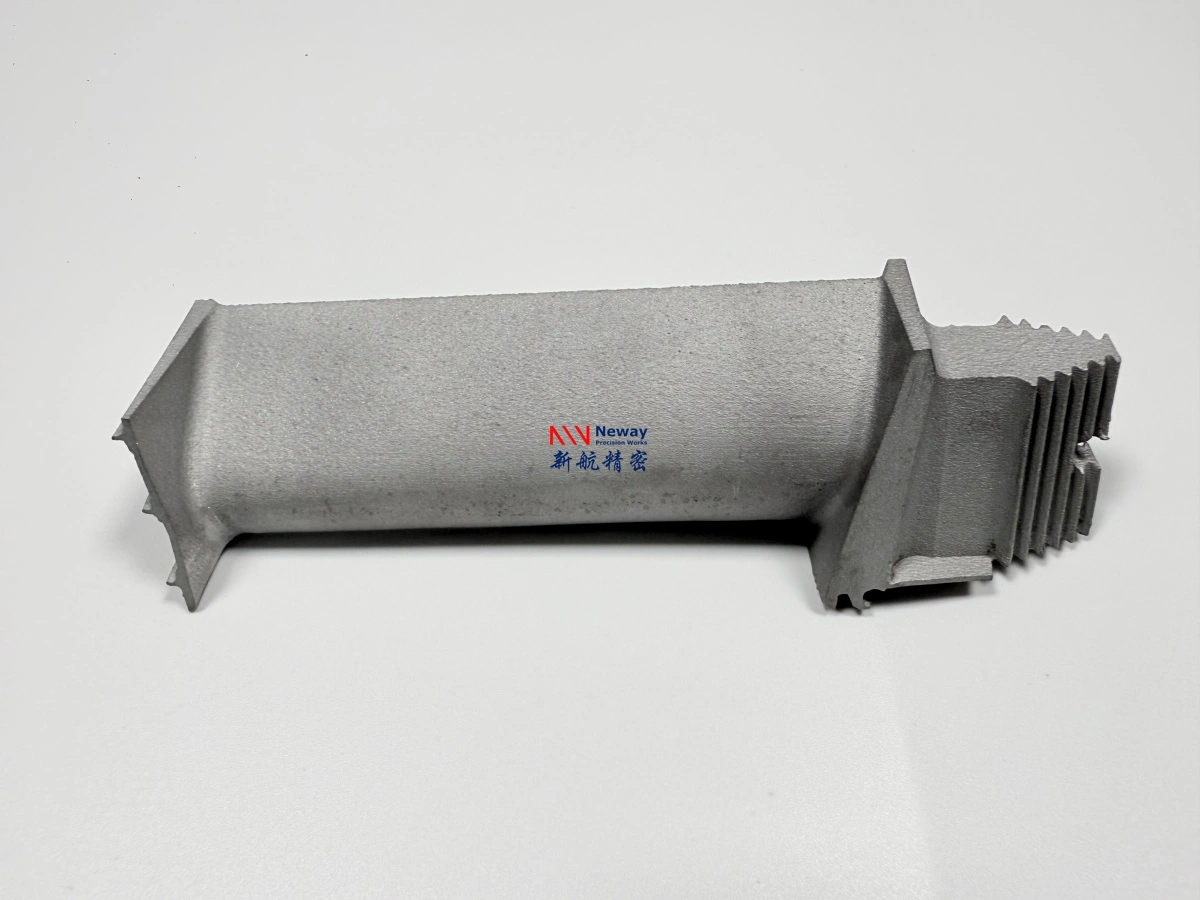
Prototype Boundary Before Production Tooling
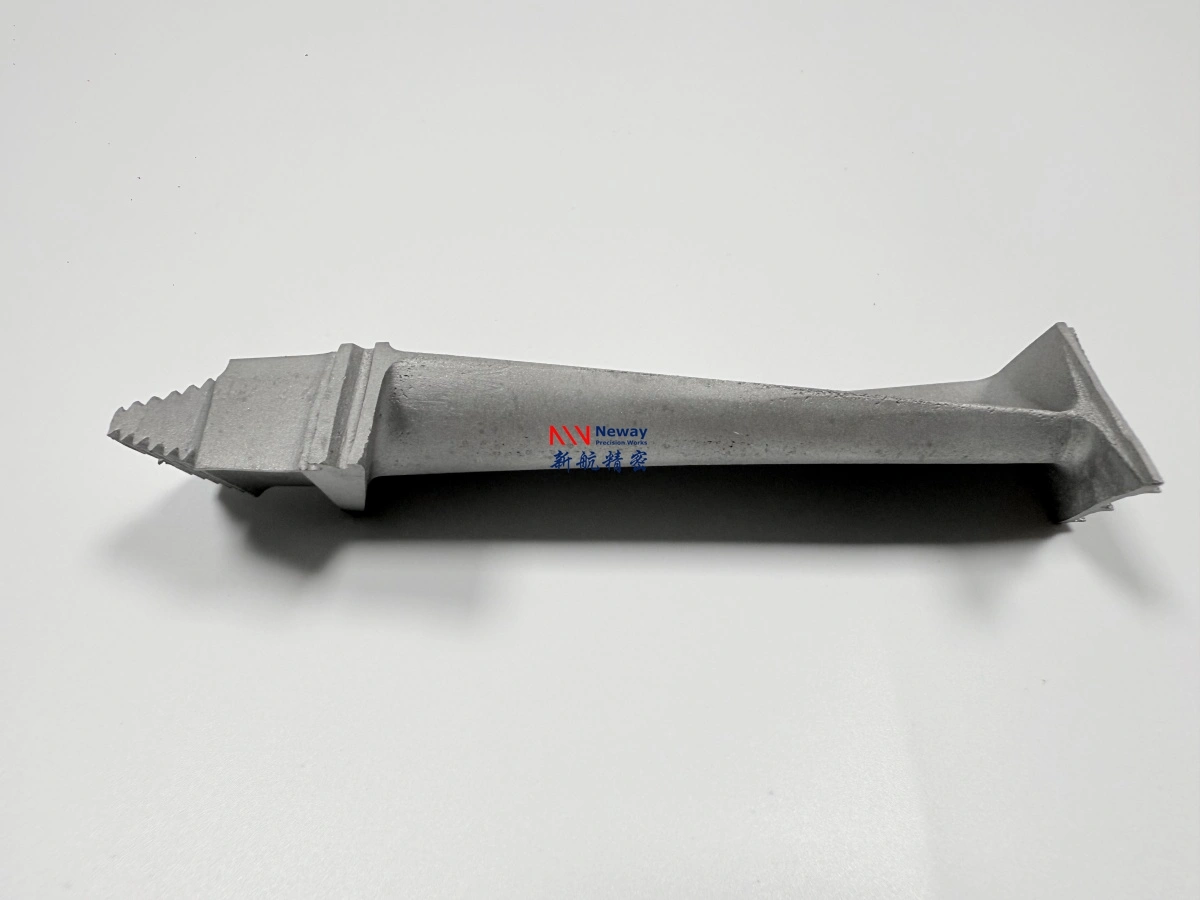
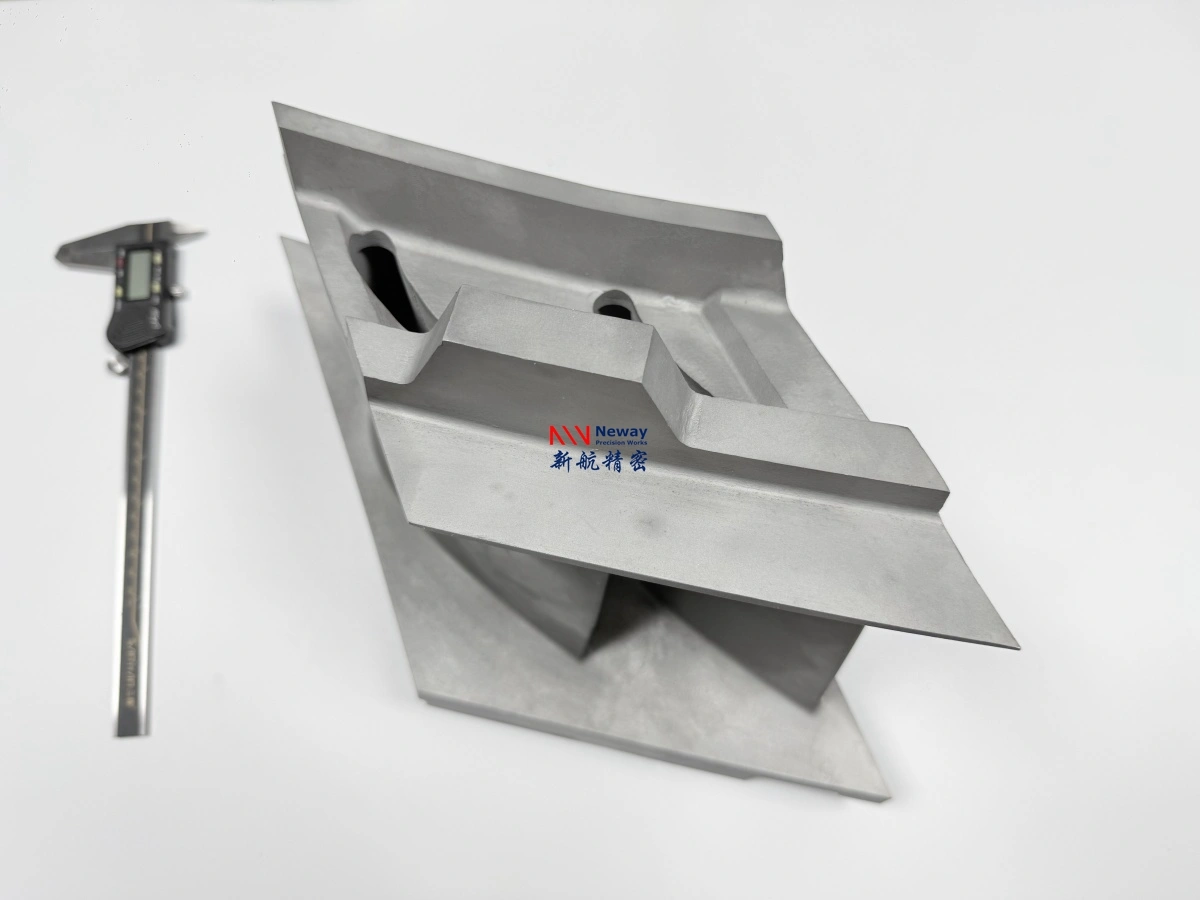
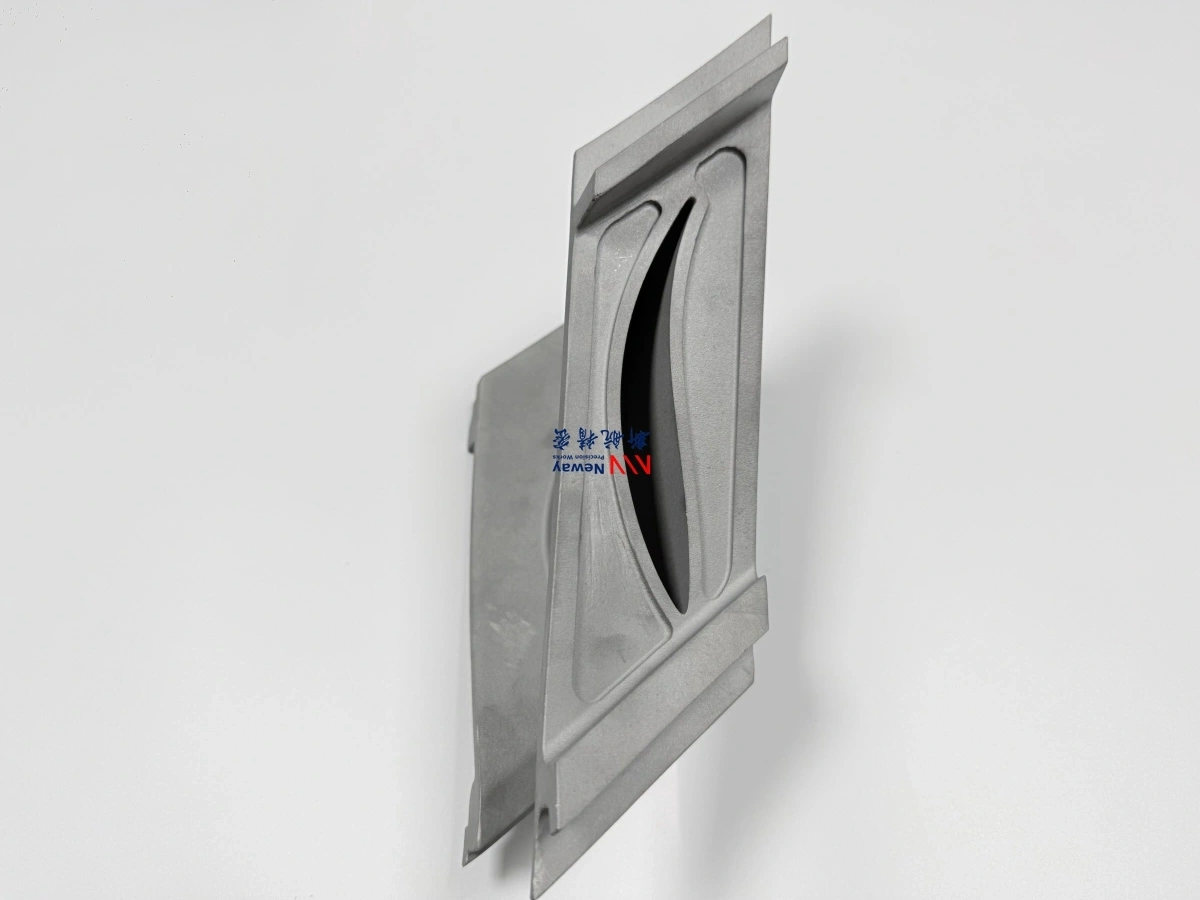
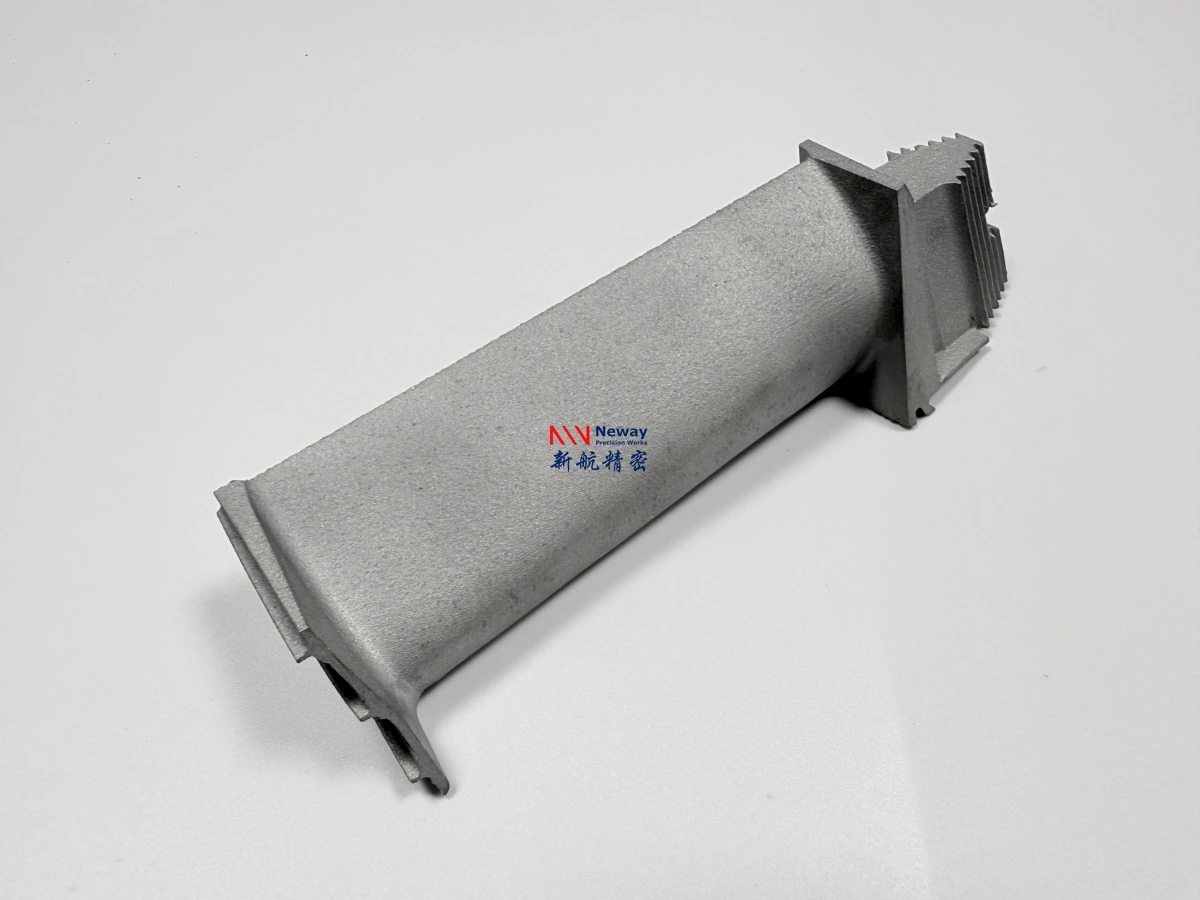
Buyers should first define what the prototype is supposed to prove. A turbine blade sample may test airfoil castability, root machining stock, cooling-feature feasibility, or a material route. A vane sample may test thin-wall ceramic-core behavior, platform distortion, seal-face machining, or X-ray acceptance. A shroud or heat shield sample may test casting shrinkage, coating-preparation surfaces, and assembly datums. Without that boundary, the supplier may quote a part that looks correct but does not answer the buyer's validation question.
The RFQ should also state whether the sample lot is only a casting blank, a semi-finished machining trial, or a ready-for-buyer-test component. Those delivery states require different tooling effort, process records, CMM reports, FPI timing, X-ray review, heat treatment, HIP, and final surface control. A low quantity does not remove the need to define the acceptance route.
Prototype purpose | Typical part example | RFQ decision before quote |
|---|---|---|
Castability check | Blade, vane, heat shield, or shroud with difficult wall transitions. | Confirm alloy, route, wall-risk zones, and required sample evidence. |
Machining allowance check | Blade root, platform, seal face, boss, flange, or datum pad. | Mark stock allowance, final surfaces, and CMM reporting points. |
Cooling or hole-feature trial | Airfoil passages, drilled holes, EDM slots, or liner hole patterns. | Define whether the supplier quotes holes, pilot features, or casting stock only. |
Inspection method trial | Thin-wall vane, cored casting, or high-value hot-section component. | Choose FPI, X-ray, CT, CMM, or metallography before sample release. |
Tooling and Pattern Choices for Low-Volume Castings
Small-batch RFQs often need a tooling discussion before price comparison. Hard tooling may fit repeat production or geometry that requires stable wax pattern control. Soft tooling, printed patterns, or prototype pattern routes may fit early validation when the buyer expects design changes after the first sample review. The lower entry cost can be useful, but the buyer should understand that prototype pattern choices may affect dimensional repeatability, surface condition, and the number of allowed design iterations.
NewayAeroTech can review whether a vacuum investment casting route should start with prototype tooling, a printed-pattern approach, or a more production-oriented tool. The decision should follow the part's wall thickness, feature detail, alloy, inspection requirement, quantity, and probability of design change. A prototype route is successful when it makes the next engineering decision clearer, not merely when it reduces the first quotation.
Pattern or tooling route | Where it may fit | Buyer caution |
|---|---|---|
Prototype tooling | Low-volume turbine castings with likely geometry updates after first article review. | Define how many design revisions the buyer expects. |
Printed pattern route | Early casting validation, complex prototype geometry, or rapid sample discussion. | Check surface condition, pattern stability, and dimensional expectation. |
Production-oriented tooling | Stable designs moving toward repeat batches. | Higher upfront effort may be justified only when the design is mature. |
Casting CNC HIP and Inspection Sequence for Samples
A prototype turbine part should be quoted as a route, not as an isolated casting. Vacuum casting may create the blank; heat treatment and HIP may be required by the drawing or validation plan; CNC machining may prepare datums, root faces, seal surfaces, or assembly interfaces; EDM or drilling may create cooling or flow features; inspection then confirms whether the sample answers the buyer's question. If the sequence is not defined, each supplier may assume a different delivery state.
Buyers should decide which evidence is needed at each hold point. X-ray or CT may be useful before machining a cored vane or blade. FPI may be required after casting and again after machining. CMM should be tied to datums and surfaces that affect buyer validation. Metallography or chemical analysis should be specified when material condition is part of the sample decision.
Route step | Prototype risk controlled | Useful evidence |
|---|---|---|
Vacuum casting | Fill, shrinkage, core position, wall thickness, and feature definition. | Casting review, X-ray or CT when required, and route notes. |
Heat treatment or HIP | Material condition and internal soundness expectations. | Process record and buyer-defined inspection after treatment. |
CNC machining | Datum, interface, root, seal, and assembly feature control. | CMM report for marked dimensions and machining allowance feedback. |
Final inspection | Sample acceptability before design freeze or small repeat batch. | FPI, dimensional report, material record, and open issue list. |
Cost and Schedule Drivers Buyers Should Define
Prototype cost is not controlled only by quantity. A two-piece sample order can be expensive when it needs new tooling, a difficult alloy, ceramic cores, thin-wall casting, HIP, multiple machining setups, FPI, X-ray, CT, CMM, and material testing. A ten-piece order can be more efficient when the geometry is stable and inspection is focused. Buyers get more useful quotations when they separate required validation evidence from optional evidence that may be added after the first review.
Schedule planning should also include buyer response time. If the supplier delivers a casting trial and the buyer takes several weeks to review section cuts, CMM data, or machining allowance, the next sample step cannot move forward cleanly. The RFQ should state who approves drawings, who accepts sample deviations, and whether the first article is allowed to trigger a controlled design update.
Sample quantity should include the parts consumed by validation. If one casting is sectioned for wall review, one is machined for datum verification, and one is held for buyer assembly or coating checks, the RFQ should not ask for only one deliverable part. A prototype batch can include witness coupons, extra castings for destructive inspection, or spare blanks for machining trials when the buyer wants evidence before freezing the design. Stating this at the quotation stage prevents confusion between shipped quantity and validation quantity.
First Article Evidence Before Production Release
The first article should not be judged only by whether the sample resembles the CAD model. Buyers should ask what evidence is needed before moving from prototype validation to a repeat batch. For turbine hot-section parts, that may include dimensional maps, casting defect review, orientation or grain checks when applicable, material identity, heat-treatment record, machining notes, and a list of unresolved manufacturing risks. The first article is a learning point for both sides.
NewayAeroTech can support custom sample manufacturing and inspection documentation, but the buyer should decide whether the sample passes its own design and application criteria. If a used sample or legacy part is supplied as reference, wear, oxidation, deformation, coating residue, or previous repair can distort the geometry. The RFQ should define whether the sample is only a reference or an approved source for reverse engineering.
RFQ Checklist for Small-Batch Turbine Parts
Send the 2D drawing, 3D model, material grade, component function, target quantity, prototype objective, delivery state, required machining, heat-treatment or HIP requirement, inspection scope, acceptance standard, and expected next step after sample review. If the buyer needs a comparison between casting, AM-assisted prototype route, and machining from stock, state that comparison clearly so the supplier can quote options instead of assuming one route.
A strong small-batch RFQ makes the supplier's work visible: route review, tooling decision, casting trial, post-processing, machining, and inspection evidence. It also makes the buyer's responsibility visible: design approval, acceptance criteria, application validation, and decision timing after the first article. That division gives the prototype a practical purpose before production investment increases.
Related FAQs
Why is rapid prototyping essential in gas turbine component production?
How can rapid prototyping enhance the development of turbine parts?
Which inspections are useful for vacuum-cast superalloy parts?
Can vacuum cast hot gas path parts be machined after heat treatment?
What are the most commonly used alloys in gas turbine components?
What inspections are typically conducted to ensure quality in gas turbine components?