How can rapid prototyping enhance the development of turbine parts?
Accelerating Innovation Through Rapid Prototyping
The development of modern turbine components demands precision, high-temperature capability, and quick iteration. The traditional manufacturing of complex superalloy components can take months due to the tooling, machining, and inspection cycles involved. In contrast, rapid prototyping enables engineers to validate designs in days, drastically shortening development timelines while maintaining material performance and structural fidelity.
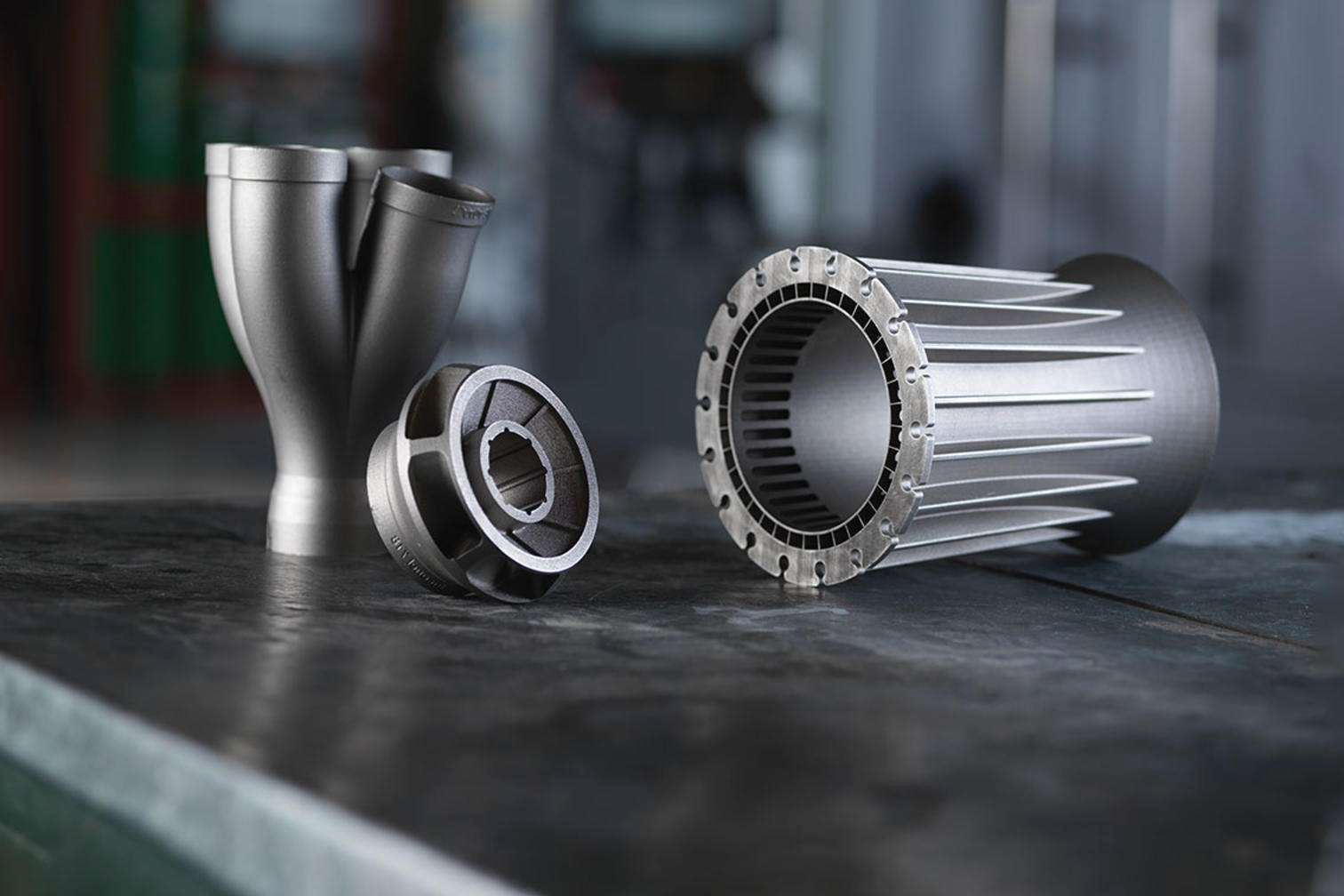
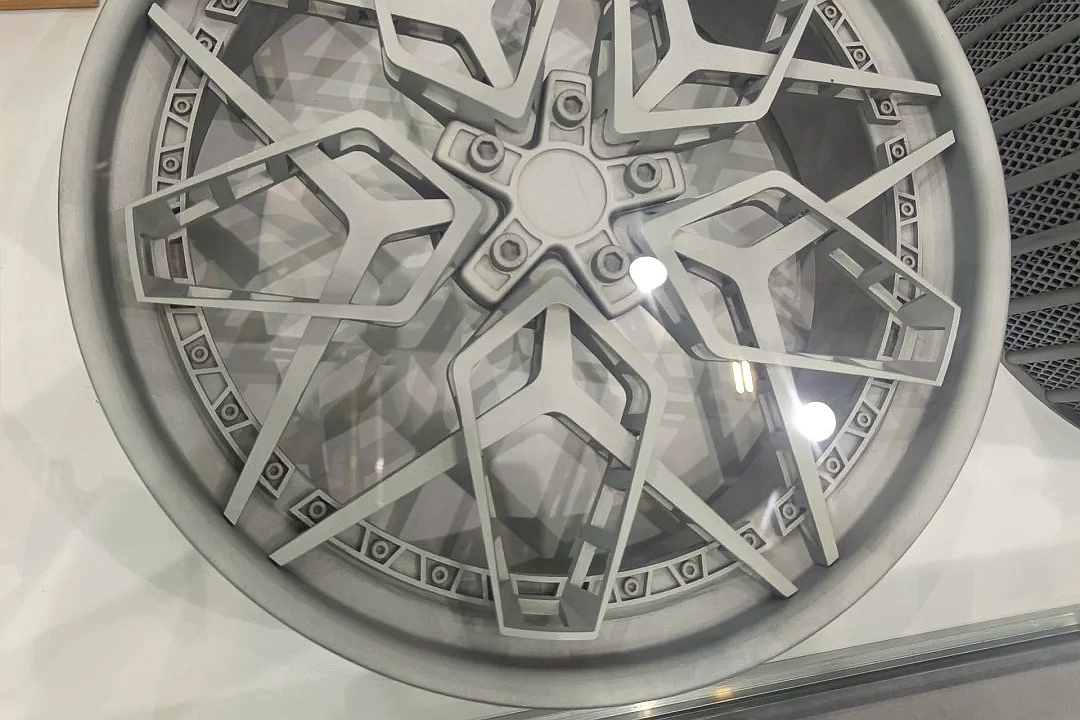
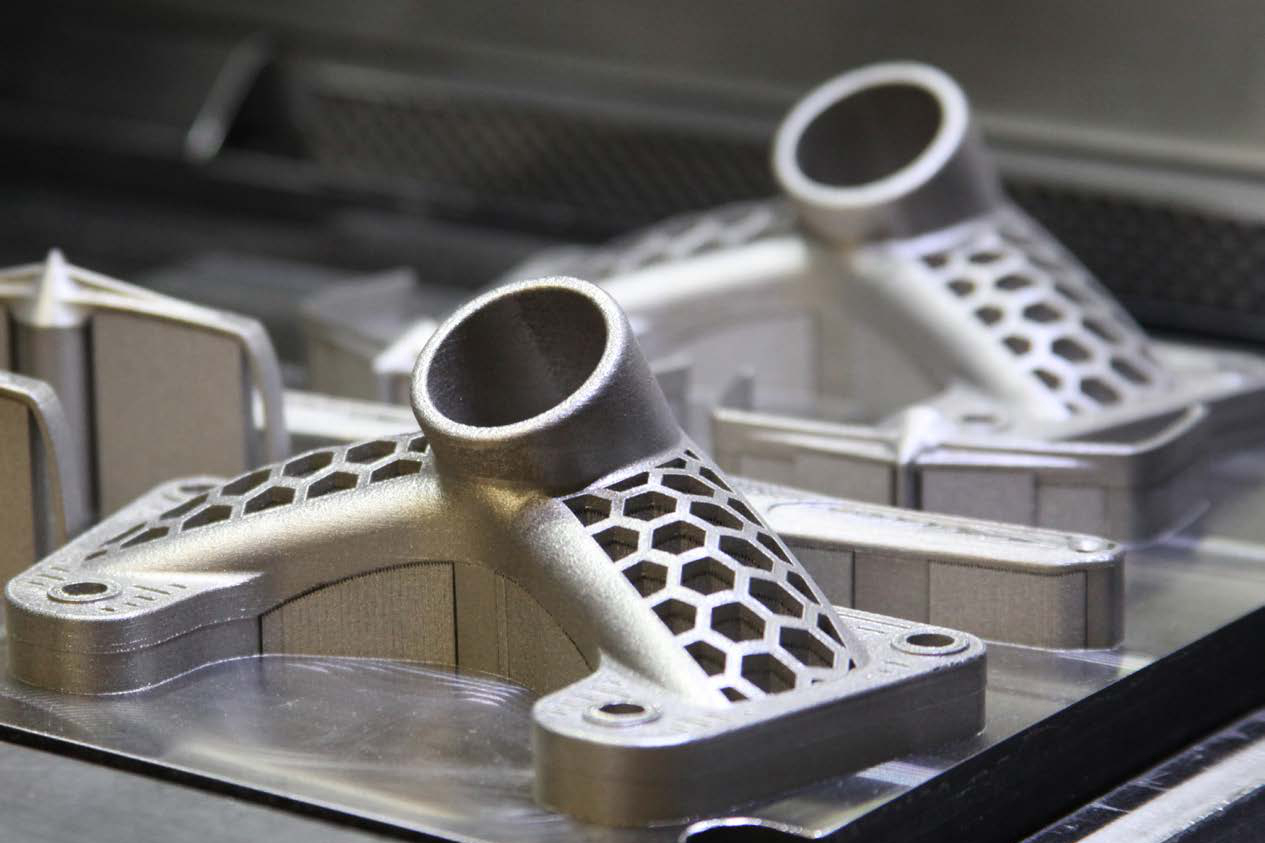
By leveraging advanced techniques such as superalloy 3D printing, engineers can fabricate intricate turbine geometries, cooling channels, and aerodynamic profiles that would be challenging to achieve with conventional casting or machining methods.
Design Flexibility and Material Optimization
One of the greatest advantages of rapid prototyping is the design freedom it offers. Using aluminum 3D printing or stainless steel 3D printing, engineers can produce low-cost functional prototypes for aerodynamic testing or fixture validation. For high-temperature components, materials such as Inconel 718, Rene 88, and Hastelloy X are used to replicate operational behavior during turbine simulation.
Rapid prototyping also enables iterative optimization—engineers can adjust cooling passage designs or weight distribution in turbine blades without incurring the expense of die rework. Once validated, these models transition seamlessly into production using superalloy precision forging or equiaxed crystal casting.
Enhancing Post-Process and Testing Efficiency
After prototype fabrication, components undergo essential processes such as hot isostatic pressing (HIP) and superalloy heat treatment to replicate production-level mechanical properties. This ensures that the prototype’s microstructure, creep resistance, and fatigue performance mirror those of final turbine components. Furthermore, integrating material testing and analysis provides real-time feedback for material optimization and structural refinement.
Industrial Applications
In the aerospace and aviation sector, rapid prototyping accelerates the development of turbine blades, vanes, and combustion chambers, allowing performance evaluation under simulated thermal conditions. In power generation and oil and gas industries, the technology supports prototype testing for high-efficiency turbine rotors and seals, improving energy output and reducing maintenance intervals.
Conclusion
Rapid prototyping transforms turbine development by bridging the gap between digital design and functional validation. Its ability to combine additive manufacturing precision with advanced post-processing makes it an indispensable tool for accelerating innovation, improving part reliability, and lowering development costs in high-performance energy systems.