Углеродное волокно, армированное нитью
Введение в материал
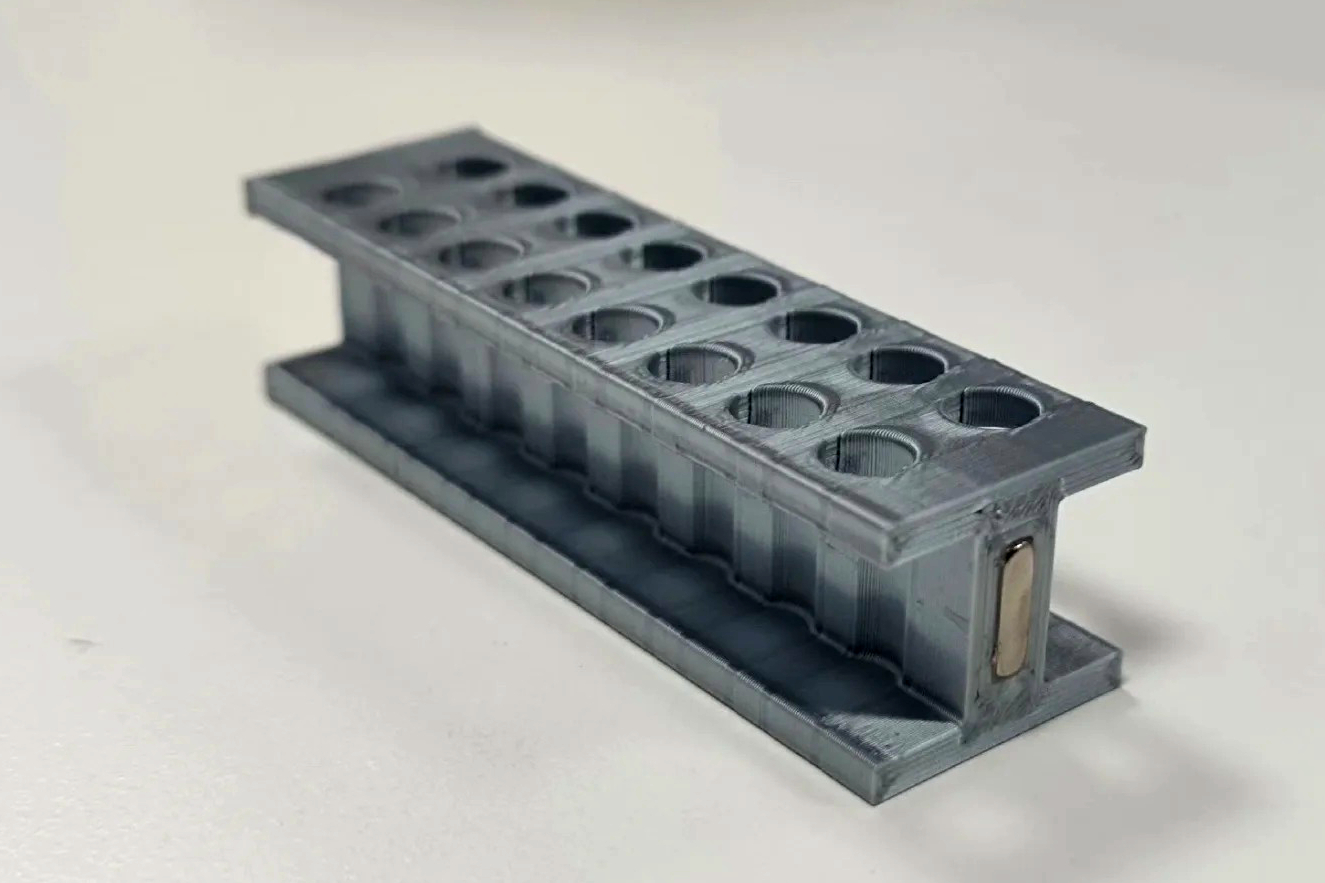
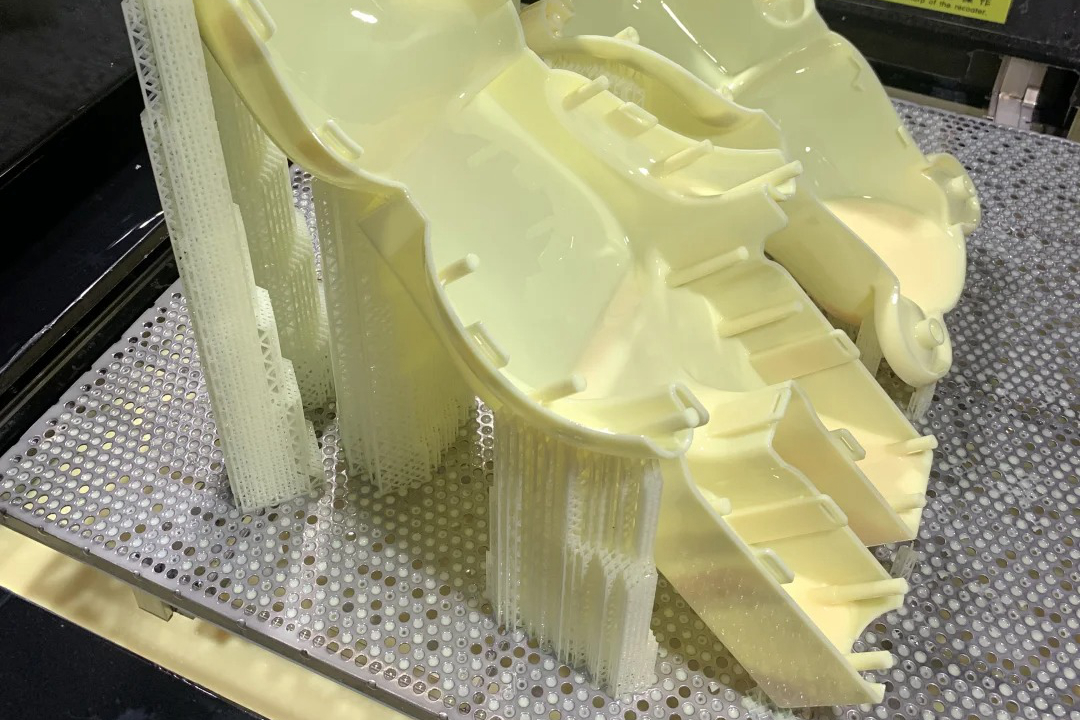
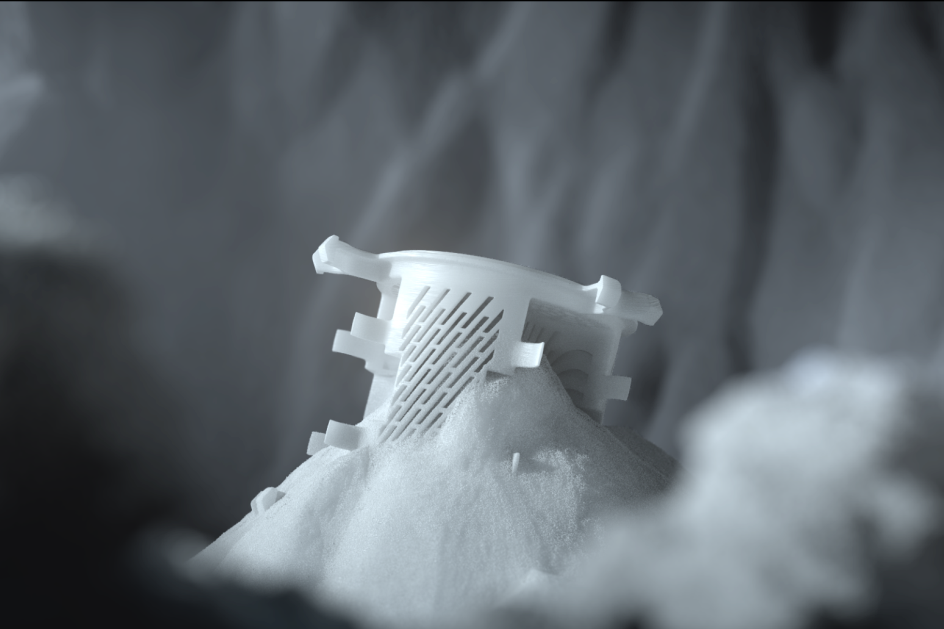
Нить, армированная углеродным волокном, представляет собой передовой композитный материал, разработанный для высокопроизводительной 3D-печати пластиком. Благодаря сочетанию термопластичной матрицы с мелко измельченными углеродными волокнами она обеспечивает значительно более высокую жесткость, прочность и стабильность размеров по сравнению со стандартными полимерами. Эта нить особенно подходит для функциональных прототипов, оснастки и приспособлений, конструкционных кронштейнов и легких конечных компонентов, где критически важны жесткость и термостойкость. При обработке в рамках промышленного сервиса 3D-печати от Neway AeroTech с оптимизированными параметрами построения нить, армированная углеродным волокном, обеспечивает отличную адгезию слоев, сниженное коробление и чистую матовую поверхность, скрывающую линии слоев. Низкая плотность композита обеспечивает превосходное отношение прочности к весу, что делает его идеальным для аэрокосмических, автоспортивных и автоматизированных компонентов, требующих облегченной конструкции без ущерба для механических характеристик.
Альтернативные варианты материалов
Когда требования проекта выходят за пределы оптимального рабочего окна нити, армированной углеродным волокном, доступны несколько альтернативных материалов. Для универсальных прототипов, где приоритетом являются простота печати и низкая стоимость, подходят стандартные термопласты, такие как PLA или PETG. Когда требуются более высокая ударная вязкость и ударопрочность, ненаполненные или стеклонаполненные нейлоновые нити обеспечивают лучшую пластичность и усталостную долговечность. Для применений, требующих экстремальной термостойкости и химической стойкости, более подходящими могут быть высокоэффективные полимеры, такие как PEEK, или другие передовые пластики. Там, где пластиковые композиты не могут обеспечить достаточную жесткость или рабочую температуру, металлические варианты, такие как 3D-печать алюминием или 3D-печать суперсплавами, обеспечивают прочность на уровне металлов и долгосрочную стабильность в условиях высоких нагрузок или высоких температур.
Международные эквиваленты / сопоставимые марки
Страна/Регион | Эквивалент / Сопоставимая марка | Конкретные коммерческие бренды | Примечания |
Глобально | PLA-CF (PLA, армированный углеродным волокном) | Bambu Lab PLA-CF, Elegoo PLA-CF, ColorFabb XT-CF20 | Легко печатается, высокая жесткость, подходит для общих инженерных прототипов. |
Глобально | PA6/PA12-CF (Нейлон-CF) | NylonX, PA6-CF20, PA12-CF инженерные нити | Высокая прочность на разрыв и температура тепловой деформации (HDT); идеально подходит для оснастки, кронштейнов и конструкционных деталей. |
Глобально | PETG-CF | Промышленные марки PETG-CF от основных производителей нитей | Сбалансированная жесткость и ударная вязкость; улучшенная химическая стойкость по сравнению с CF на основе PLA. |
Глобально | HTN/PEEK-CF | Высокотемпературный нейлон-CF и композиты PEEK-CF | Очень высокая термостойкость для требовательных промышленных компонентов и деталей под капотом. |
Глобально | Стандартные нити, армированные волокном | PA, PETG, PC, армированные стекловолокном | Альтернативное армирование там, где углеродное волокно не требуется или ограничено по стоимости. |
Цель разработки
Нить, армированная углеродным волокном, была разработана для устранения разрыва между легко печатаемыми термопластами и металлическими компонентами в функциональных применениях. Благодаря интеграции контролируемой доли коротких углеродных волокон в инженерные полимеры она значительно повышает жесткость, прочность на разрыв и термостойкость, сохраняя при этом пригодность для печати методом FFF/FDM. Материал предназначен для деталей, которые должны сохранять строгие допуски под нагрузкой, противостоять ползучести и сохранять стабильность размеров при повышенных температурах. Типичные случаи использования включают концевую оснастку, контрольные приспособления, конструкционные кронштейны, рамы дронов и легкие корпуса, выигрывающие от высокого отношения прочности к весу. Во многих ситуациях нить, армированная углеродным волокном, позволяет инженерам заменять традиционные детали из алюминия или листового металла печатными композитами, особенно в сочетании с оптимизированными параметрами печати нити, армированной углеродным волокном, и профессиональным контролем процесса от Neway AeroTech.
Химический состав
Компонент | Полимерная матрица | Углеродное волокно | Модификаторы ударной вязкости | Стабилизаторы / Добавки |
Типичное содержание (мас.%) | 60–80% (PLA, PA, PETG или другие термопласты) | 15–30% рубленого углеродного волокна | 0–5% (в зависимости от базового полимера) | ≤5% (модификаторы текучести, связующие агенты, красители, технологические добавки) |
Физические свойства
Свойство | Плотность | Температура тепловой деформации (HDT @ 0,45 МПа) | Теплопроводность | Электрическое поведение | Тепловое расширение |
Типичное значение | ~1,20–1,35 г/см³ (в зависимости от матрицы) | ~80–155°C для марок PLA-CF и PA-CF | ~0,25–0,40 Вт/м·К | Полуизолирующий; не предназначен как материал для защиты от электростатического разряда (ESD) | ~30–60 мкм/м·°C (ниже, чем у ненаполненных полимеров, благодаря углеродному волокну) |
Механические свойства
Свойство | Предел прочности при растяжении (XY) | Модуль упругости при растяжении | Относительное удлинение при разрыве | Предел прочности при изгибе | Модуль упругости при изгибе | Ударная вязкость |
Типичное значение | ~50–110 МПа | ~4 000–9 000 МПа | ~1,5–3,0% | ~90–150 МПа | ~6 000–10 000 МПа | ~8–20 кДж/м² (по Шарпи или Изоду с надрезом, в зависимости от марки) |
Ключевые характеристики материала
Высокая жесткость и твердость по сравнению со стандартными термопластами**, что обеспечивает поведение, подобное металлу, во многих применениях.
Превосходное отношение прочности к весу, позволяющее легкую замену алюминиевых кронштейнов и оснастки.
Улучшенная термостойкость; подходит для повышенных рабочих температур в пределах ограничений базового полимера.
Сниженное коробление и усадка благодаря сети углеродных волокон, повышающей стабильность размеров длинных деталей.
Матовая отделка поверхности, минимизирующая видимые линии слоев, обеспечивающая профессиональный и технический внешний вид.
Хорошая усталостная стойкость при повторяющихся нагрузках в оснастке, захватах и роботизированном инструменте.
Стабильные механические характеристики при печати в контролируемых условиях с использованием профессиональных систем 3D-печати пластиком.
Более низкий коэффициент теплового расширения по сравнению с ненаполненным полимером, улучшающий сопряжение с металлическими сборками.
Возможность механической обработки, сверления и нарезания резьбы после печати с использованием надлежащего инструмента, что позволяет применять стратегии гибридного производства.
Совместимость с различными базовыми смолами (PLA, PA, PETG, HTN), позволяющая настраивать баланс между ударной вязкостью и жесткостью.
Технологичность и постобработка
3D-печать FFF/FDM: основной процесс для нити, армированной углеродным волокном, с использованием промышленного сервиса 3D-печати от Neway AeroTech.
Оптимизированные параметры печати — контролируемая температура сопла, температура стола и циклы сушки для композитов с углеродным волокном.
Поддержка сложных геометрий, внутренних каналов и решетчатых структур, которые трудно обработать традиционными методами.
Постобработка механической обработкой: локальное фрезерование, сверление и зенкование для уточнения интерфейсов и элементов с критическими допусками.
Нарезание резьбы и резьбовые вставки: использование термически устанавливаемых или механически монтируемых вставок для создания надежных резьбовых соединений.
Прецизионная обрезка и шлифовка для уточнения кромок, удаления заусенцев и достижения заданной шероховатости поверхности.
Склеивание и сборка с другими полимерными или металлическими деталями с использованием конструкционных клеев или механических крепежных элементов.
Гибридные сборки, где печатные компоненты из углеродного волокна комбинируются с металлическими элементами, произведенными методом 3D-печати алюминием или литья титановых сплавов.
Подходящая поверхностная обработка
Последовательная шлифовка и дробеструйная обработка (где это уместно) для достижения гладких, однородных матовых текстур.
Грунтовка и окраска: нанесение грунтовок, способствующих адгезии, с последующим нанесением промышленных покрытий для цвета и УФ-защиты.
Покрытия прозрачным лаком для герметизации поверхности, улучшения химической стойкости и снижения выступа волокон в зонах высокого контакта.
Инфильтрация эпоксидной смолой или другими смолами отдельных участков для повышения твердости поверхности и снижения пористости.
Лазерная маркировка для высококонтрастных логотипов, идентификаторов деталей или серийных кодов на подходящих базовых полимерах.
Локальная герметизация кромок или резьбы для улучшения влагостойкости гигроскопичных базовых полимеров, таких как нейлон.
Распространенные отрасли и применения
Кронштейны, кабельные направляющие, крепления датчиков и некритичные для полета конструкционные компоненты для аэрокосмической и авиационной промышленности.
Оснастка и приспособления, внутренние кронштейны, зажимы под капотом и легкие корпуса для автомобильной промышленности.
Инструменты, контрольные приспособления и вспомогательные компоненты вблизи теплых зон для энергетики.
Концевые эффекторы роботов, захваты и кронштейны систем движения, требующие высокой жесткости и низкой массы.
Дроны, БПЛА и гоночные платформы, где жесткость и снижение веса напрямую влияют на производительность.
Компоненты промышленной автоматизации, испытательные приспособления и средства сборки, требующие повторяемой точности размеров.
Прототипы высокоэффективных спортивных товаров, индивидуальные крепления и механические подсборки, требующие быстрой итерации.
Когда выбирать этот материал
Требования высокой жесткости: когда детали должны быть значительно жестче, чем стандартные компоненты из PLA или PETG.
Функциональные несущие детали: подходит для конструкций, ориентированных на предел прочности при растяжении в диапазоне ~50–110 МПа (направление XY).
Конструкции, чувствительные к весу: идеально там, где легкие конструкции превосходят алюминий или сталь по производительности на уровне системы.
Среды с повышенной температурой: особенно при использовании композитов PA-CF или HTN-CF с HDT до ~150°C.
Стабильность размеров: рекомендуется для длинных, тонких или консольных деталей со строгими ограничениями по прогибу и короблению.
Жесткая оснастка и инструмент: отлично подходит для приспособлений, гнезд и измерительных калибров, требующих низкой ползучести при умеренных нагрузках.
Высокоцикловая усталость: подходит там, где компоненты подвергаются повторяющимся нагрузкам и разгрузкам во время производства или эксплуатации.
Быстрая замена металла: когда ограничения по срокам или стоимости делают композитную 3D-печать предпочтительнее обработки алюминия.
Изучить связанные блоги