
Завод изотермической штамповки компонентов турбонагнетателя из сплава TA10
Введение
TA10 — это передовой титановый сплав (Ti-6Al-2Sn-4Zr-2Mo), разработанный для обеспечения превосходной прочности при высоких температурах, стойкости к ползучести и усталостной долговечности. При пределе прочности на растяжение ~940 МПа и исключительной термической стабильности до 500°C, TA10 идеально подходит для высокоскоростных компонентов турбонагнетателей, подвергающихся экстремальным термическим циклам и центробежным силам.
В Neway AeroTech мы специализируемся на изотермической штамповке компонентов турбонагнетателей из сплава TA10, достигая мелкозернистой микроструктуры, превосходных механических свойств и точных размерных допусков для требовательных автомобильных, аэрокосмических и промышленных турбосистем.
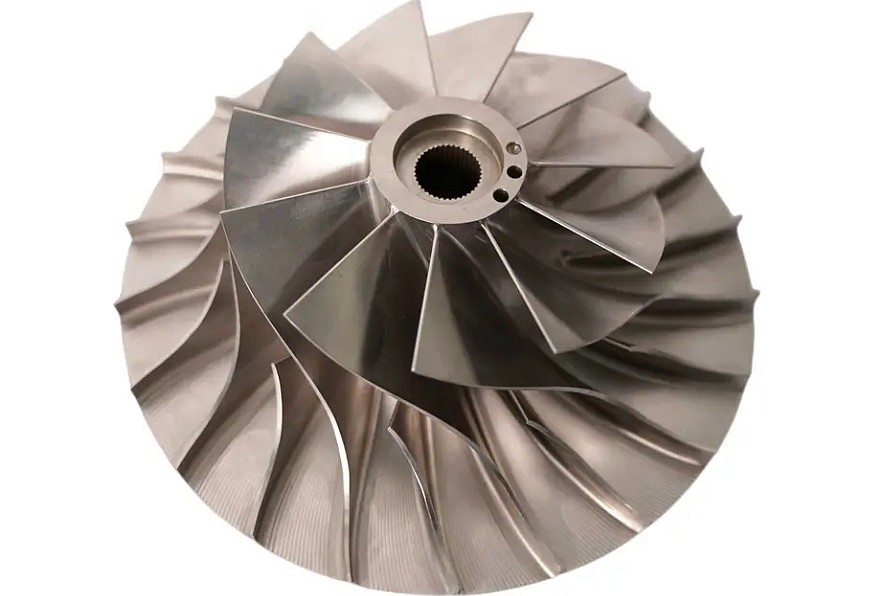
Ключевые производственные задачи для компонентов турбонагнетателя из сплава TA10
Сохранение химического состава (основа Ti, Al ~6%, Sn ~2%, Zr ~4%, Mo ~2%) для механической и термической стабильности.
Контроль измельчения зерна посредством изотермической штамповки при ~950–980°C для оптимизации стойкости к усталости и ползучести.
Достижение жестких размерных допусков (±0,02 мм) критически важно для аэродинамического баланса и эффективности турбонагнетателя.
Обеспечение превосходного качества поверхности (Ra ≤1,6 мкм) снижает сопротивление и улучшает производительность.
Процесс изотермической штамповки для компонентов турбонагнетателя из сплава TA10
Производственный процесс включает:
Подготовка заготовки: Высокочистые заготовки TA10, полученные методом ВАР, отбираются для химической однородности.
Изотермическая штамповка: Прецизионная штамповка при ~950–980°C при постоянной температуре штампа и заготовки для минимизации остаточных напряжений и достижения однородной мелкозернистой микроструктуры.
Контролируемое охлаждение: Медленное охлаждение для стабилизации микроструктуры и предотвращения укрупнения бета-зерен.
Закалка с растворением и старение (STA): Термический цикл оптимизирует распределение α+β фаз для прочности и вязкости.
Прецизионная обработка на станках с ЧПУ: Финальная обработка достигает аэродинамических профилей и жестких допусков, критически важных для балансировки ротора.
Финишная обработка поверхности: Полировка или дробеструйная обработка улучшают стойкость к усталости и целостность поверхности.
Сравнительный анализ методов производства турбокомпонентов
Процесс | Качество поверхности | Размерная точность | Механические свойства | Стойкость к высоким температурам | Уровень затрат |
|---|---|---|---|---|---|
Изотермическая штамповка + ЧПУ | Отличное (Ra ≤1,6 мкм) | Очень высокая (±0,02 мм) | Выдающиеся (~940 МПа) | Высокая (~500°C) | Умеренный |
Обычная штамповка | Хорошее (Ra ~3 мкм) | Высокая (±0,05 мм) | Очень хорошие (~900 МПа) | Высокая (~450°C) | Умеренный |
Литье по выплавляемым моделям + Механическая обработка | Умеренное (Ra ~5 мкм) | Умеренная (±0,1 мм) | Хорошие (~850 МПа) | Умеренная (~400°C) | Низкий |
Обработка на ЧПУ из заготовки | Отличное (Ra ≤0,8 мкм) | Очень высокая (±0,01 мм) | Отличные (~940 МПа) | Высокая (~500°C) | Высокий |
Оптимальная производственная стратегия для компонентов турбонагнетателя из сплава TA10
Изотермическая штамповка: Лучший способ производства легких, мелкозернистых, высокопрочных колес и лопаток турбонагнетателя с превосходной стойкостью к усталости и высоким температурам.
Обычная штамповка: Подходит для стандартных компонентов, где допустима несколько более низкая производительность.
Литье по выплавляемым моделям: Применяется для менее критичных или толстостенных компонентов.
Обработка на ЧПУ из заготовки: Используется для высокоиндивидуализированного, крайне высокоточного мелкосерийного производства.
Обзор характеристик сплава TA10
Свойство | Значение | Актуальность для применения |
|---|---|---|
Предел прочности на растяжение | ~940 МПа | Долговечность компонентов турбонагнетателя при высоких нагрузках и скоростях |
Предел текучести | ~880 МПа | Сопротивляется деформации под действием центробежных напряжений |
Максимальная рабочая температура | ~500°C | Подходит для работы турбонагнетателя при повышенных температурах |
Предел усталостной прочности | ~510 МПа | Увеличивает срок службы компонента при циклическом нагружении |
Плотность | 4,55 г/см³ | Малый вес для улучшенного ускорения и отклика |
Преимущества использования сплава TA10 для компонентов турбонагнетателя
Исключительное отношение прочности к весу улучшает раскрутку турбонагнетателя и снижает инерцию.
Высокая термостойкость сохраняет механические свойства до 500°C при длительной нагрузке.
Превосходная стойкость к усталости и ползучести обеспечивает более длительный эксплуатационный ресурс.
Отличная коррозионная стойкость выдерживает горячие выхлопные газы и агрессивные среды.
Технологии последующей обработки компонентов турбонагнетателя из сплава TA10
Горячее изостатическое прессование (ГИП): Уплотняет штампованные детали, устраняя остаточную микропористость и повышая усталостную долговечность.
Закалка с растворением и старение (STA): Улучшает микроструктуру для максимизации прочности и пластичности.
Прецизионная обработка на станках с ЧПУ: Завершает аэродинамические профили и критические посадочные поверхности с точностью ±0,01 мм.
Полировка поверхности или дробеструйная обработка: Улучшает стойкость к усталости и аэродинамическую гладкость поверхности.
Контроль и обеспечение качества компонентов турбонагнетателя
Координатно-измерительная машина (КИМ): Обеспечивает соблюдение размерных допусков в пределах ±0,02 мм для критических поверхностей.
Ультразвуковой контроль (УЗК): Обнаруживает внутренние дефекты и несплошности.
Капиллярный контроль (ПВК): Выявляет поверхностные трещины размером до 0,002 мм.
Металлографический анализ: Подтверждает соответствие размера зерна и микроструктуры аэрокосмическим стандартам.
Отраслевое применение и пример из практики
Компоненты турбонагнетателя из сплава TA10, производимые компанией Neway AeroTech, широко используются в высокопроизводительных автомобильных турбонагнетателях, вспомогательных силовых установках (ВСУ) в аэрокосмической отрасли и передовых промышленных турбосистемах. В недавнем аэрокосмическом проекте штампованные турбинные колеса из сплава TA10 достигли увеличения срока службы на 20% по сравнению с обычными деталями из сплава Ti-6Al-4V при непрерывной работе при 480°C, что значительно повысило надежность системы и сократило интервалы технического обслуживания.
Часто задаваемые вопросы
Какой размерной точности достигает Neway AeroTech для компонентов турбонагнетателя из сплава TA10?
Почему изотермическая штамповка идеальна для производства колес турбонагнетателя из сплава TA10?
Как сплав TA10 сравнивается с традиционными титановыми сплавами в условиях работы турбонагнетателя?
Какие отрасли получают наибольшую выгоду от компонентов турбонагнетателя из сплава TA10?
Как Neway AeroTech обеспечивает усталостную прочность и термостойкость в штампованных деталях из сплава TA10?
