
Aplicação de Revestimento Térmico de Barreira por Plasma em Pás de Aviação
Introdução
As pás de turbina de aviação modernas são expostas a temperaturas dos gases de combustão superiores a 1100°C—muito acima dos pontos de fusão mesmo de superligas avançadas como CMSX-4, PWA 1484 e Rene N5. Para garantir durabilidade a longo prazo, resistência à oxidação e eficiência do motor, essas pás são protegidas usando Revestimentos Térmicos de Barreira Aplicados por Plasma (TBCs). Esta tecnologia permite que os motores operem em temperaturas de entrada da turbina (TIT) mais altas, aumentando a relação empuxo-peso e reduzindo o consumo específico de combustível.
Como fornecedor especializado em revestimentos aeroespaciais, aplicamos TBCs de alto desempenho em pás de turbina de cristal único e solidificação direcional, garantindo conformidade com as especificações de revestimento do fabricante de equipamento original (OEM) e requisitos de desempenho térmico.
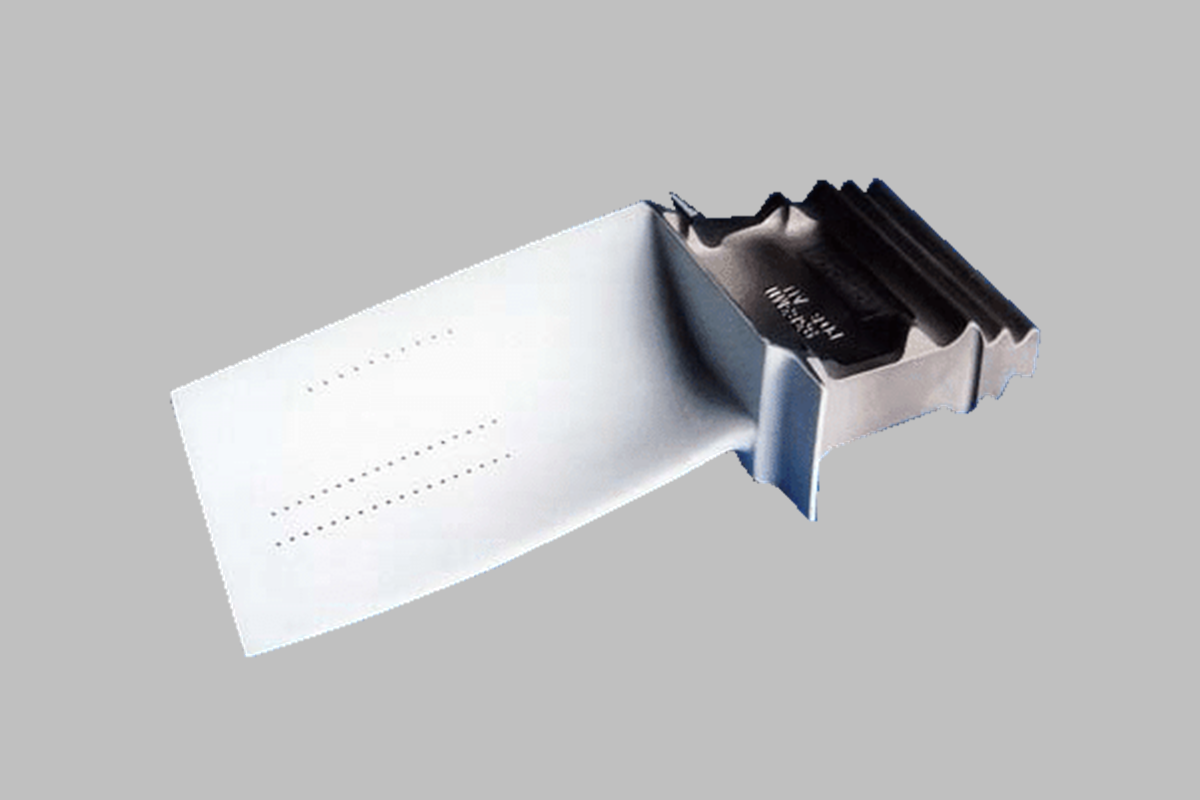
Por que o TBC por Plasma é Crítico para Pás de Aviação
As pás de turbina de aviação experimentam:
Temperaturas de entrada da turbina (TIT) acima de 1100°C
Fadiga térmica de ciclos repetidos de partida-parada
Oxidação e corrosão a quente de misturas ar-combustível queimadas
Fadiga de alto ciclo (HCF) e deformação por fluência
Os TBCs aplicados por pulverização de plasma reduzem as temperaturas superficiais em 100–200°C, protegendo o substrato da oxidação e retardando o início da falha por fluência e fadiga.
Arquitetura do Sistema TBC
Camada | Material | Função |
|---|---|---|
Camada de Ligação | NiCrAlY ou PtAl (via HVOF ou plasma) | Melhora a adesão e resistência à oxidação |
Camada Superior | Zircônia Estabilizada com Ítria (YSZ) 7–8% em peso | Fornece isolamento térmico e conformidade de deformação |
A espessura total normalmente varia entre 200–350 μm, otimizada por geometria da pá e requisitos do OEM.
Substratos Compatíveis para TBC por Plasma
Revestimos uma variedade de pás de aviação de superliga SX e DS, incluindo:
CMSX-4 – Pás de turbina de primeiro estágio em motores GE, Rolls-Royce e Safran
PWA 1484 – Usada em motores F119/F135 e turbofans de alto desempenho
Rene N5/N6 – Aplicada em pás de seção quente militar e comercial
IN738LC / Rene 80 – Pás fundidas usadas em unidades auxiliares e projetos de turbina iniciais
Cada substrato passa por preparação de superfície rigorosa, garantindo adesão ideal e compatibilidade microestrutural.
Processo de Aplicação de TBC por Plasma
1. Preparação da Superfície
As pás são jateadas e limpas para remover oxidação e contaminação.
A rugosidade superficial é controlada para adesão da camada de ligação.
2. Deposição da Camada de Ligação
Camadas de ligação NiCrAlY ou PtAl são aplicadas usando HVOF ou pulverização de plasma de baixa pressão (LPPS).
Espessura da camada de ligação: 75–125 μm.
3. Aplicação da Camada Superior de YSZ
YSZ é depositada usando Pulverização de Plasma Atmosférica (APS) ou Deposição Física por Vapor de Feixe de Elétrons (EB-PVD).
A estrutura do revestimento é otimizada para tolerância à deformação e baixa condutividade térmica.
4. Condicionamento Pós-Revestimento
Tratamento térmico ou selagem podem ser aplicados para melhorar a resistência à descamação e corresponder ao comportamento de ciclagem térmica do motor.
Principais Benefícios do TBC por Plasma para Pás de Aviação
Benefício | Descrição |
|---|---|
Isolamento Térmico | Reduz a temperatura do metal em até 200°C |
Resistência à Fluência | Atrasa o amolecimento e deformação do material sob calor contínuo |
Proteção contra Oxidação | Limita o crescimento de TGO e a formação de escamas superficiais durante uso prolongado em alta temperatura |
Vida Útil à Fadiga Térmica | Melhora a resistência à fissuração sob aquecimento e resfriamento cíclicos |
Eficiência do Motor | Permite TIT mais altas e reduz o consumo de combustível por saída de empuxo |
Padrões e Validação de Revestimento Aeroespacial
Nossos revestimentos são aplicados e testados para atender às especificações do motor OEM e aeroespaciais:
GE C50TF26
PWA 36945
Rolls-Royce RPS 661
ASTM C633 (Teste de Adesão)
SAE AMS 4981/4984 (Ligas Base)
Testes Incluem:
Medição de Espessura do Revestimento (±10 μm)
Teste de Choque Térmico (até 1000 ciclos a 1150°C)
Análise de Microestrutura por SEM
Caracterização do Crescimento de TGO
Resistência à Adesão ≥30 MPa
Exemplos de Aplicação
Pás CMSX-4 GE9X: TBC EB-PVD aplicado para estabilidade de ciclagem térmica em motores comerciais de ultra-alto bypass
Pás PWA 1484 F135: TBC APS usado para atender requisitos de prontidão para missão em jatos militares furtivos
Palhetas CMSX-4 Trent 1000: Revestimentos cerâmicos de alta adesão para maior durabilidade em aeronaves de longo curso
Pás HPT CF6-80C2 (Rene N5): Sistemas de barreira térmica permitem programas de atualização de motores legados
Perguntas Frequentes
Qual é a espessura típica do TBC aplicado por plasma para pás de aviação?
Como a APS se compara com a EB-PVD em termos de resistência à fadiga térmica?
O TBC pode ser reaplicado após a reforma ou revisão da pá?
Quais são os sinais de falha do TBC durante a operação do motor?
Por quanto tempo as pás revestidas com TBC podem operar a 1150–1200°C?
