316L
Introdução ao Material
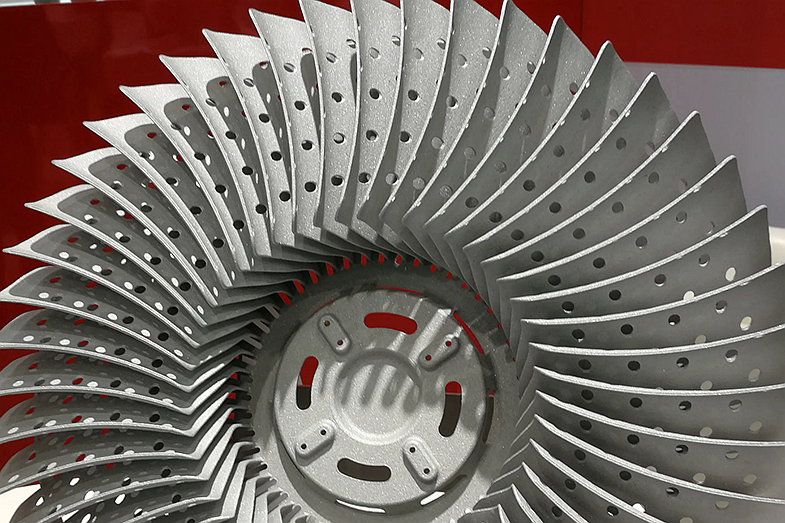
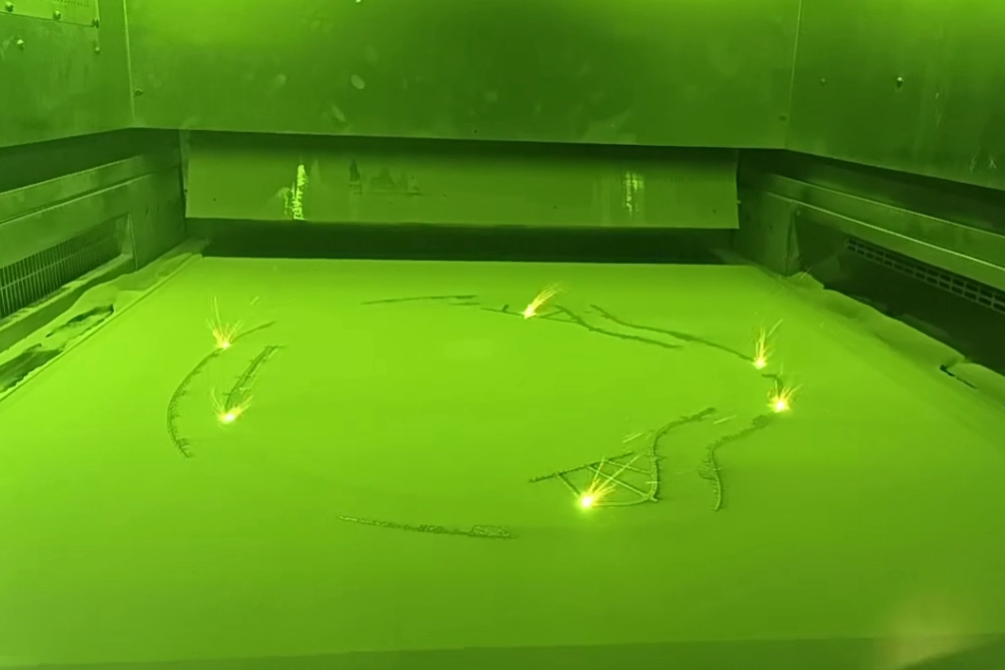
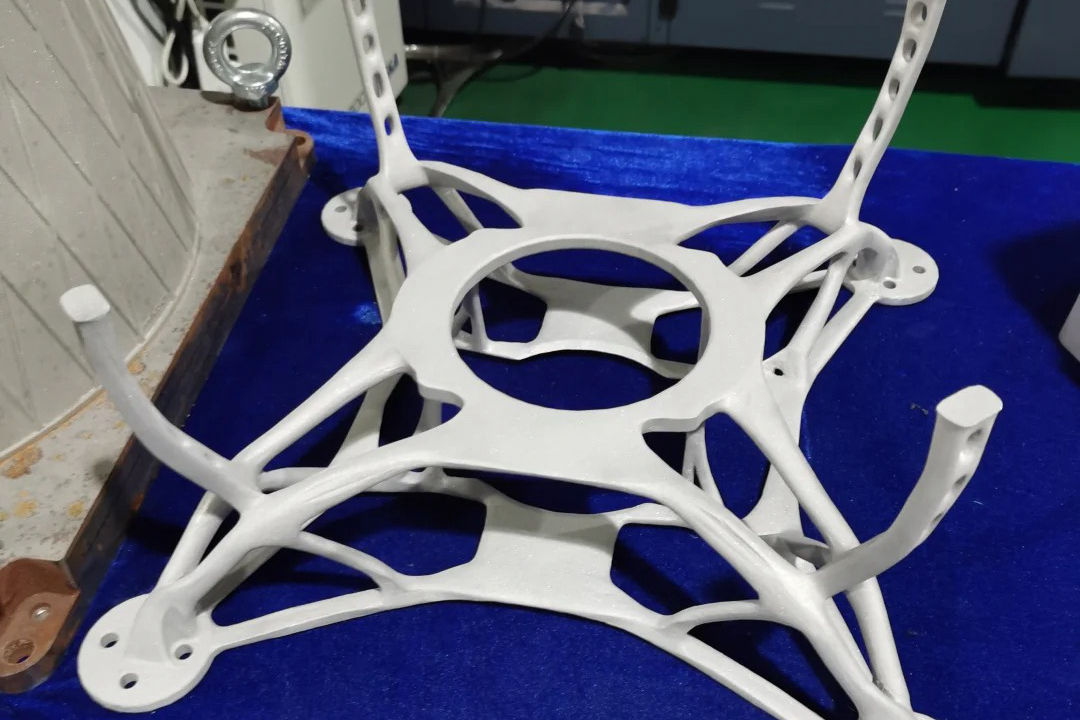
O 316L é um aço inoxidável austenítico conhecido por sua excepcional resistência à corrosão, excelente ductilidade e alta tenacidade. Na manufatura aditiva, o 316L tornou-se um dos metais mais utilizados devido ao seu comportamento de fusão estável, forte desempenho mecânico e capacidade de produzir peças totalmente densas com microestruturas finas. Através da impressão 3D em aço inoxidável, os componentes em 316L são produzidos com alta precisão dimensional e porosidade mínima, tornando o material adequado para aplicações exigentes no processamento químico, dispositivos médicos, estruturas marinhas, equipamentos alimentícios e maquinário industrial. Seu baixo teor de carbono melhora a soldabilidade e minimiza o risco de precipitação de carbetos, garantindo resistência à corrosão a longo prazo em ambientes hostis. Com os recursos avançados de fusão em leito de pó da Neway, as peças impressas em 316L oferecem excelente desempenho para prototipagem, componentes funcionais e produção em pequenos lotes.
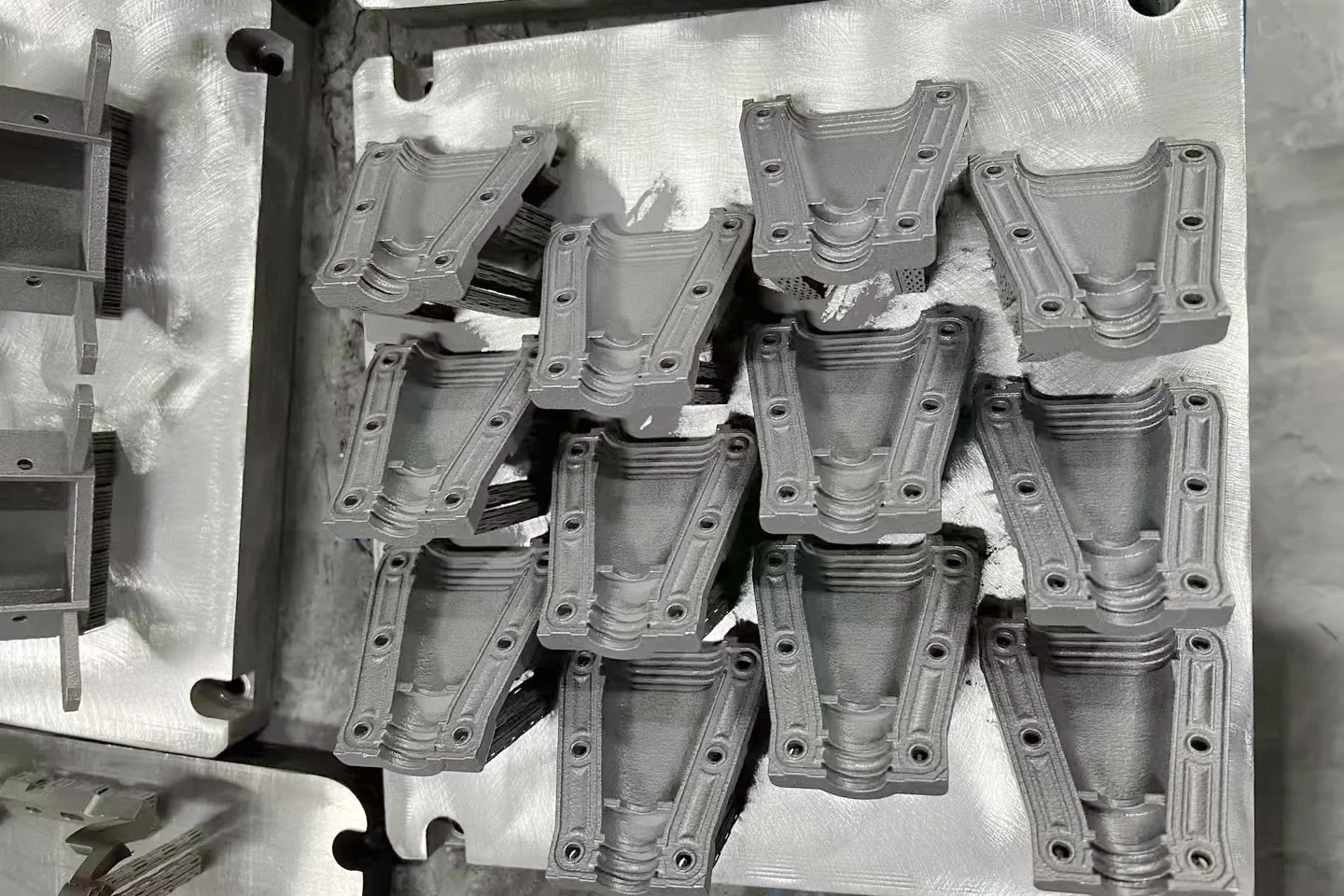
Tabela de Nomenclatura Internacional
Região / Norma | Nomenclatura / Designação |
|---|---|
EUA (ASTM) | 316L |
Europa (EN) | X2CrNiMo17-12-2 |
China (GB) | 022Cr17Ni12Mo2 |
Japão (JIS) | SUS316L |
Alemanha (DIN) | 1.4404 |
Opções de Materiais Alternativos
Aços inoxidáveis e ligas alternativas podem ser escolhidos dependendo da resistência requerida, do ambiente de corrosão ou do desempenho térmico. Para peças que exigem maior resistência, o aço inoxidável 17-4 PH, disponível através da impressão 17-4 PH, fornece dureza superior e capacidades de tração após tratamento de envelhecimento. Para aplicações de alta temperatura e resistentes à oxidação, superligas à base de níquel impressas através da impressão 3D de superligas podem ser mais adequadas. Se a eficiência de custos for uma prioridade, o aço inoxidável 304 produzido via impressão 3D oferece resistência à corrosão semelhante em ambientes moderados. Para aplicações de ferramentas e matrizes, o aço ferramenta fornece maior dureza e resistência ao desgaste. Essas alternativas apoiam os engenheiros no equilíbrio entre resistência, desempenho contra corrosão e requisitos de fabricação.
Intenção de Projeto do 316L
O 316L foi originalmente projetado para oferecer resistência superior à corrosão em ambientes ricos em cloretos, mantendo excelente tenacidade e durabilidade. Seu baixo teor de carbono previne a precipitação de carbetos durante a soldagem, garantindo resistência a longo prazo à corrosão intergranular. A adição de molibdênio aumenta a resistência à corrosão por pites e em fendas, especialmente em água do mar, equipamentos de processamento químico e ambientes úmidos. Com o crescimento da manufatura aditiva de metais, o 316L tornou-se um material ideal para impressão 3D devido à sua excelente soldabilidade, comportamento térmico estável e capacidade de atingir densidade quase total com fusão a laser em leito de pó. A intenção de projeto para aplicações de impressão 3D foca na produção de geometrias complexas, estruturas de treliça finas, canais de resfriamento otimizados e peças que requerem integridade estrutural e resistência à corrosão em vários ambientes industriais.
Composição Química (% em peso)
Elemento | % em peso |
|---|---|
Cr | 16,0–18,0 |
Ni | 10,0–14,0 |
Mo | 2,0–3,0 |
Mn | ≤2,0 |
Si | ≤1,0 |
C | ≤0,03 |
P | ≤0,045 |
S | ≤0,03 |
Fe | Equilíbrio |
Propriedades Físicas
Propriedade | Valor |
|---|---|
Densidade | 7,98 g/cm³ |
Faixa de Fusão | 1370–1400 °C |
Condutividade Térmica | 16 W/m·K |
Resistividade Elétrica | 74 μΩ·cm |
Módulo de Elasticidade | 193 GPa |
Coeficiente de Expansão Térmica | 16×10⁻⁶ /K |
Propriedades Mecânicas (AM + Tratamento Térmico)
Propriedade | Valor |
|---|---|
Resistência à Tração Última | 550–650 MPa |
Limite de Escoamento | 450–500 MPa |
Alongamento | 35–45% |
Dureza | 150–200 HV |
Resistência à Fadiga | Moderada a alta |
Tenacidade ao Impacto | Excelente |
Características do Material
O aço inoxidável 316L oferece excelente resistência à corrosão, tornando-o ideal para componentes expostos à água do mar, ambientes ácidos e processamento químico. Sua microestrutura austenítica garante ductilidade e tenacidade excepcionais, mesmo em baixas temperaturas. A liga exibe soldabilidade excepcional e mantém a integridade estrutural após ciclos térmicos repetidos, reduzindo o risco de trincas e distorções. Na impressão 3D, as microestruturas finas do 316L aumentam a resistência, fornecem propriedades mecânicas uniformes e garantem porosidade mínima. A liga é altamente resistente à corrosão por pites, em fendas e geral, tornando-a um material preferido para aplicações marinhas, de processamento de alimentos, farmacêuticas e médicas. Sua combinação de dureza, ductilidade e resistência à corrosão permite que opere de forma confiável em condições onde outros aços inoxidáveis podem falhar. O 316L impresso também exibe excelente qualidade superficial, suportando designs intrincados, paredes finas, estruturas de treliça e geometrias leves sem sacrificar a durabilidade.
Desempenho do Processo de Fabricação
O 316L desempenha-se excepcionalmente bem na manufatura aditiva de metais devido ao seu comportamento estável da poça de fusão, boa condutividade térmica e capacidade de suportar solidificação rápida. A fusão em leito de pó produz componentes densos e de alta qualidade com microestruturas consistentes e excelente desempenho mecânico. O tratamento térmico homogeneiza ainda mais a microestrutura e melhora as propriedades de alívio de tensões. Além da manufatura aditiva, o 316L é compatível com a fundição de precisão a vácuo para formas complexas, mas a manufatura aditiva oferece melhor precisão dimensional para geometrias intrincadas. A usinagem é relativamente direta devido à tenacidade e ductilidade da liga, embora o desgaste da ferramenta deva ser gerenciado. Para operações de acabamento de precisão, a usinagem CNC de superligas pode ser utilizada para atingir tolerâncias extremamente apertadas. Para canais internos profundos ou estruturas tubulares, a perfuração de furos profundos é uma solução eficaz. A usinagem por descarga elétrica (EDM) é útil para alcançar transições afiadas ou cavidades internas complexas. A forte soldabilidade do 316L suporta a manufatura híbrida, permitindo que peças impressas sejam integradas perfeitamente em montagens maiores sem comprometer a resistência à corrosão.
Pós-processamento Aplicável
O tratamento térmico de alívio de tensões é comumente aplicado para estabilizar microestruturas e reduzir tensões internas. A HIP realizada via Compactação Isostática a Quente melhora significativamente a densidade e a resistência à fadiga. Tratamentos de superfície, como eletropolimento, passivação, usinagem e jateamento, melhoram tanto o acabamento superficial quanto o desempenho contra corrosão. A verificação de qualidade através de testes e análise de materiais garante precisão dimensional, resistência à corrosão e conformidade com padrões grau alimentício ou médico quando necessário.
Aplicações Comuns
O 316L é amplamente utilizado em equipamentos de processamento químico, carcaças resistentes à corrosão, componentes de tubulação, trocadores de calor, válvulas, suportes e montagens estruturais que requerem durabilidade a longo prazo. Em ambientes marinhos, é usado para componentes expostos à água do mar devido à sua forte resistência ao ataque de cloretos. A liga também é prevalente na indústria médica para instrumentos cirúrgicos, componentes ortopédicos e implantes personalizados, aproveitando a limpeza e precisão alcançáveis através da manufatura aditiva. Na automação industrial, robótica e equipamentos de processamento de alimentos, o aço inoxidável 316L oferece excelente higiene, resistência à corrosão e tolerância ao desgaste. Além das aplicações industriais, o aço inoxidável 316L impresso em 3D é usado em produtos de consumo de alto padrão, peças mecânicas personalizadas, joias e protótipos funcionais que requerem uma combinação de apelo estético e robustez mecânica.
Quando Escolher o 316L
Selecione o 316L quando a resistência à corrosão for um requisito primário, particularmente em ambientes com alto teor de cloretos, acidez ou umidade. É ideal para componentes que requerem uma combinação de tenacidade, ductilidade e confiabilidade estrutural. O 316L é o material preferido ao fabricar peças que devem suportar produtos químicos agressivos, exposição à água do mar ou condições rigorosas de higiene. Selecione o 316L para geometrias complexas que se beneficiam da impressão 3D, incluindo estruturas de treliça, canais de resfriamento, carcaças de paredes finas e componentes funcionais personalizados. Quando a soldabilidade é essencial ou quando a manufatura híbrida é necessária, o 316L desempenha-se excepcionalmente bem. No entanto, se for necessária resistência muito alta ou desempenho em altas temperaturas, alternativas como superligas de níquel ou aços inoxidáveis endurecidos por precipitação podem ser mais apropriadas.
Explorar blogs relacionados