Compostos intermetálicos de titânio-alumínio
Introdução ao Material
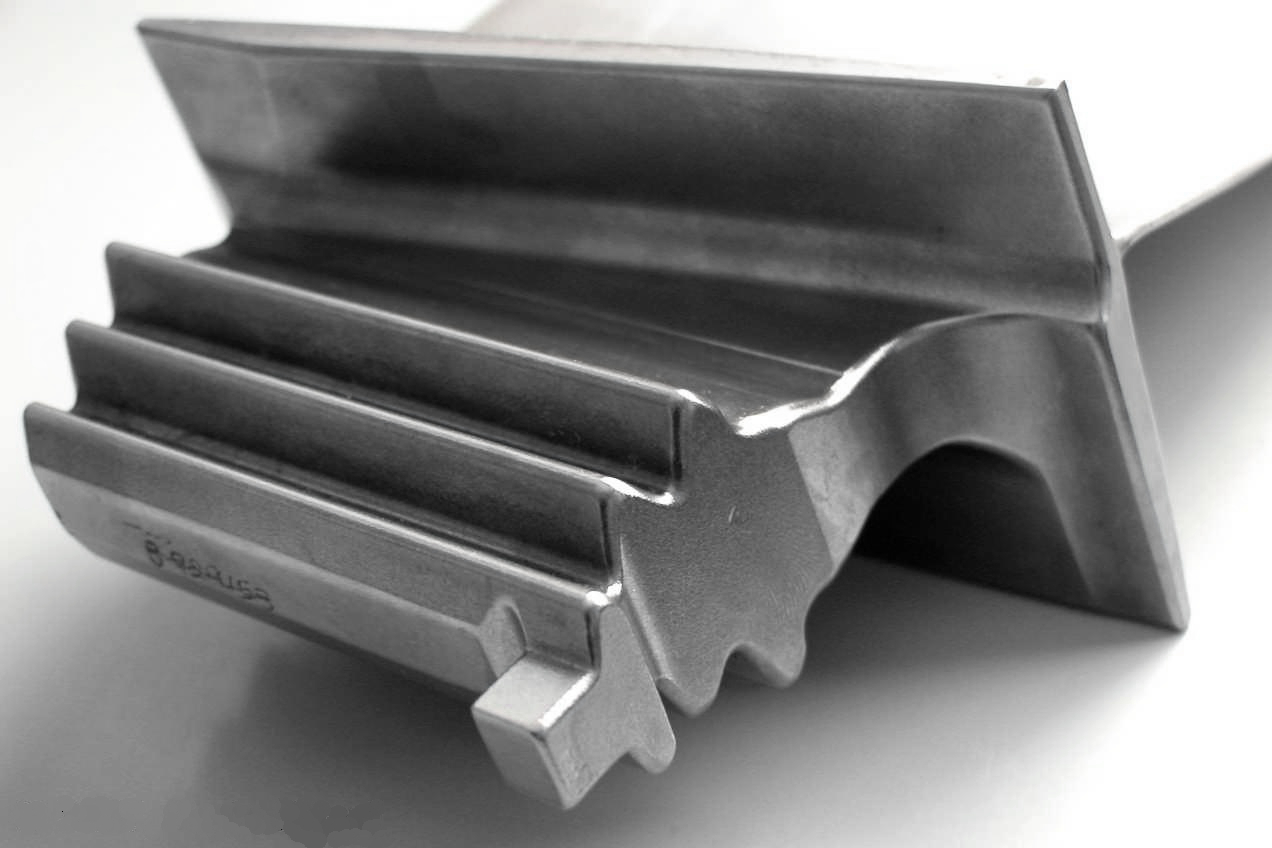
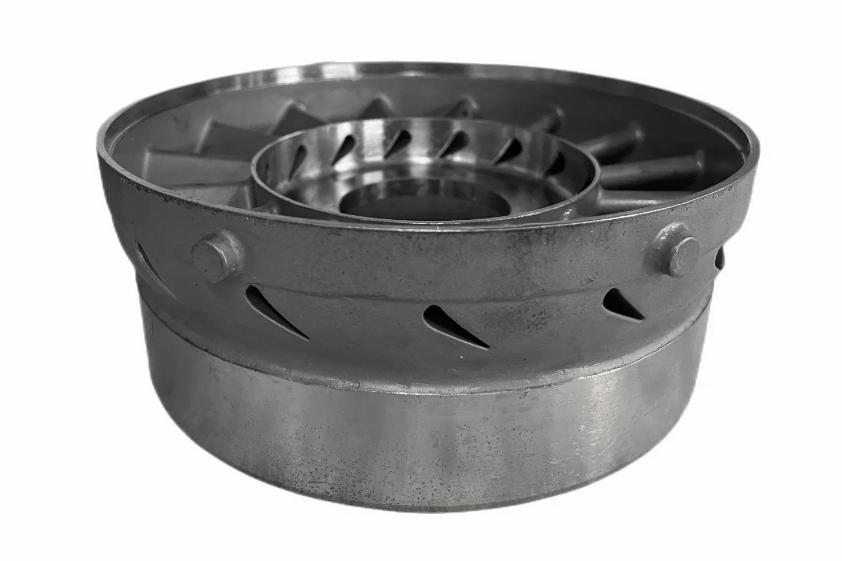
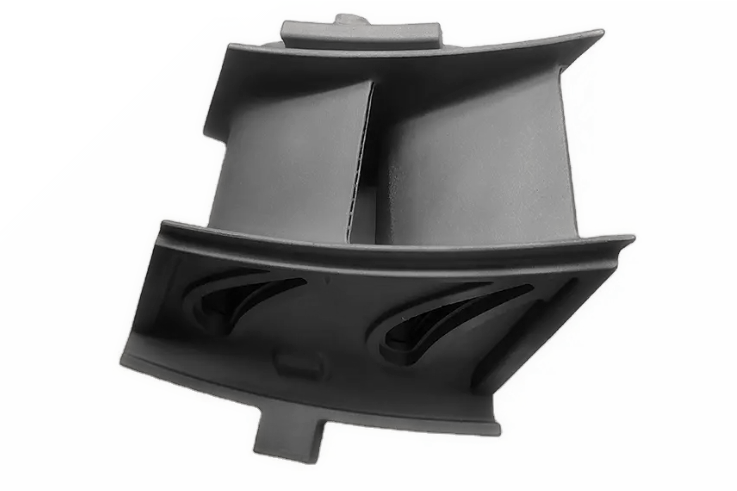
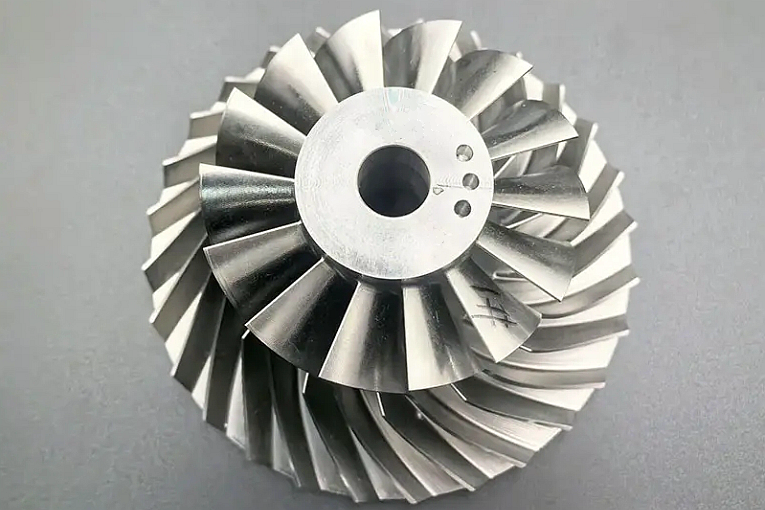
Os compostos intermetálicos de titânio-alumínio (comumente ligas TiAl ou γ-TiAl) são uma classe de materiais avançados, leves e de alta temperatura que combinam as vantagens das ligas de titânio e dos intermetálicos semelhantes a cerâmicas. Sua microestrutura única — consistindo principalmente nas fases γ-TiAl e α2-Ti3Al — proporciona uma relação resistência-peso excepcional, excelente resistência à oxidação e alta rigidez em temperaturas de até ~750–850°C. Essas propriedades tornam o TiAl uma alternativa atraente às superligas à base de níquel para componentes onde a redução de peso é crítica. Através da plataforma de fundição por cera perdida de alta precisão da Neway AeroTech, os intermetálicos de titânio-alumínio podem ser produzidos com excelente precisão dimensional, microestrutura fina e porosidade controlada, utilizando técnicas de fusão e solidificação controladas a vácuo. Quando combinados com design de sistema de alimentação otimizado e parâmetros de processo personalizados, as peças fundidas em TiAl oferecem desempenho confiável em turbinas aeroespaciais, rodas de turbocompressores automotivos e componentes estruturais de alta temperatura, onde tanto a resistência ao calor quanto a eficiência de massa são cruciais.
Opções Alternativas de Materiais
Dependendo das condições de serviço, vários materiais alternativos podem ser considerados. Para pás de turbina de extremamente alta temperatura ou componentes de câmara de combustão que excedem a estabilidade térmica do TiAl, superligas fundidas à base de níquel ou materiais monocristalinos fornecem maior resistência ao fluência. Para condições químicas agressivas ou corrosivas, as ligas Hastelloy e as ligas Monel oferecem proteção superior contra corrosão. Em aplicações que requerem superfícies resistentes e duráveis, as ligas Stellite à base de cobalto podem ser preferidas. Para peças estruturais gerais de alta resistência e custo-benefício onde não é necessária resistência extrema ao calor, os aços fundidos fornecem uma alternativa econômica. Quando se requer extrema resistência e baixo peso em temperaturas abaixo de 500–600°C, ligas de titânio de alto grau podem superar o TiAl devido à sua melhor ductilidade e conformabilidade.
Equivalentes Internacionais / Graus Comparáveis
País/Região | Grau Equivalente / Comparável | Marcas Comerciais Específicas | Notas |
EUA (ASTM) | Ti-48Al-2Cr-2Nb (liga GE 48-2-2) | GE 48-2-2, RTI TiAl | Grau TiAl mais utilizado para rodas de turbocompressor. |
Europa (EN/DIN) | Intermetálicos Ti-Al (variados) | G5 TiAl, ligas TiAl de fornecedores aeroespaciais da UE | Comum para pás de turbina e estágios de turbina de baixa pressão. |
Japão (JIS) | Ligas fundidas à base de TiAl | Ligas turbo TiAl da Toshiba | Utilizadas para turbinas automotivas e industriais. |
ISO | Padrões intermetálicos γ-TiAl | Materiais TiAl certificados ISO | Cobre faixas de composição e desempenho em alta temperatura. |
China (GB/YB) | Ti-(43–48)Al-(2–3)Cr-(1–2)Nb | TiAl doméstico de grau aeroespacial | Utilizado para pás de turbina, rotores e peças resistentes ao calor. |
Neway AeroTech | Compostos intermetálicos de titânio-alumínio | Otimizados para fundição por cera perdida a vácuo e componentes de grau aeroespacial. |
Propósito de Design
Os compostos intermetálicos de titânio-alumínio foram projetados para reduzir o peso em componentes rotativos ou estruturais de alta temperatura sem comprometer a resistência térmica ou a resistência à oxidação. Sua densidade (~4,0 g/cm³) é aproximadamente metade da das ligas à base de níquel, proporcionando benefícios substanciais de desempenho em motores de turbina aeroespaciais e turbocompressores automotivos. A estrutura intermetálica ordenada do sistema de ligas permite a retenção de rigidez e dureza em temperaturas elevadas, enquanto adições de cromo e nióbio melhoram a resistência à oxidação e a estabilidade ao fluência. Projetado para fundição por cera perdida de precisão, o TiAl suporta fabricação near-net-shape com capacidade de paredes finas, geometrias internas leves e requisitos mínimos de usinagem. Essas ligas são ideais para componentes onde rotação em alta velocidade, tensão térmica cíclica e eficiência de massa são críticos para o desempenho do sistema.
Composição Química
Elemento | Titânio (Ti) | Alumínio (Al) | Nióbio (Nb) | Cromo (Cr) | Boro (B) | Outros |
Típico (%) | 45–50 | 45–48 | 1–3 | 1–3 | 0,01–0,1 | Si, Mn, impurezas em traços |
Propriedades Físicas
Propriedade | Valor |
Densidade | ~3,9–4,2 g/cm³ |
Faixa de Fusão | ~1450–1500°C |
Condutividade Térmica | ~7–10 W/m·K |
Condutividade Elétrica | ~1–2% IACS |
Expansão Térmica | ~11–13 µm/m·°C |
Propriedades Mecânicas
Resistência à Tração | ~700–900 MPa |
Limite de Escoamento | ~450–600 MPa |
Alongamento | ~1–2% |
Dureza | ~30–40 HRC |
Resistência em Alta Temperatura | Excelente até ~750–850°C |
Características Principais do Material
Relação resistência-peso extremamente alta, superando muitas superligas avançadas numa base normalizada por massa.
Estabilidade térmica e rigidez superiores em temperaturas elevadas de até ~80°C.
Excelente resistência à oxidação e à corrosão a quente devido a camadas protetoras de óxido ricas em Al.
O design leve melhora drasticamente a eficiência em sistemas de turbinas aeroespaciais e automotivas.
Excelente fundibilidade sob condições controladas de fundição por cera perdida a vácuo, permitindo paredes finas e geometrias complexas.
A baixa densidade reduz as forças centrífugas em partes rotativas, aumentando a vida útil do componente.
Alta resistência à fadiga em temperaturas elevadas, especialmente em componentes de turbocompressores e turbinas.
Redução significativa na expansão térmica em comparação com ligas à base de níquel, melhorando a estabilidade dimensional.
A baixa condutividade térmica reduz a transferência de calor para componentes adjacentes.
Bem adequado para aplicações que requerem inércia mínima e alta velocidade de rotação.
Fabricabilidade e Pós-Processamento
Fundição por cera perdida a vácuo: Essencial para TiAl devido à reatividade com o oxigênio; garante metalurgia limpa e baixa porosidade.
Design preciso de sistema de alimentação e molde adaptado à baixa ductilidade e faixa estreita de solidificação do TiAl.
Prensagem Isostática a Quente (HIP): Melhora a resistência à fadiga e elimina microporosidade em partes rotativas críticas.
Tratamento térmico: Estabiliza a microestrutura e aumenta a resistência ao fluência.
Técnicas avançadas de usinagem necessárias para o TiAl frágil — frequentemente dependendo de EDM para recursos intrincados.
Acabamento e retificação em alta velocidade são utilizados para interfaces de turbina com tolerâncias apertadas.
Inspeção não destrutiva através de testes e análise de materiais garante a integridade da fundição e a uniformidade microestrutural.
Processos de revestimento podem ser adicionados para proteção aprimorada contra oxidação em ambientes de temperatura extrema.
Tratamento de Superfície Adequado
Revestimentos de Barreira Térmica (TBC) para aplicações em turbinas e câmaras de combustão.
Revestimentos de alumineto por difusão para aumentar a resistência à oxidação.
Jateamento de granalha para melhorar o desempenho à fadiga.
Retificação de precisão para raízes de pás de turbina e interfaces de fixação.
Tratamentos térmicos de alívio de tensão para reduzir a sensibilidade a microfissuras.
Inspeção metalográfica detalhada suportada por testes e análise.
Indústrias e Aplicações Comuns
Aeroespacial e aviação: Pás de turbina de baixa pressão, rodas de compressor e componentes estruturais da seção quente.
Automotivo: Rodas de turbocompressor para motores a gasolina e diesel de alto desempenho.
Geração de energia: Componentes rotativos leves em turbinas a gás.
Energia: Partes rotativas de alta temperatura em sistemas de energia avançados.
Defesa: Peças leves e resistentes ao calor para sistemas de propulsão e aeroespaciais.
Máquinas industriais que requerem componentes de alta velocidade, leves e de alta temperatura.
Quando Escolher Este Material
Aplicações sensíveis ao peso: Perfeito quando a redução de massa melhora significativamente a eficiência (ex.: rotores de turbina, rodas de turbocompressor).
Ambientes de alta temperatura: Adequado para operação contínua a 600–800°C.
Alta velocidade de rotação: Forças centrífugas reduzidas melhoram a durabilidade e reduzem danos por fadiga.
Atmosferas oxidantes: Excelente resistência devido à formação de camada protetora de óxido rica em Al.
Estruturas complexas de parede fina: Ideal quando a fundição por cera perdida é necessária para geometria fina e baixa massa.
Onde se deseja substituir superligas: Desempenha bem em temperaturas intermediárias com metade da densidade das ligas à base de níquel.
Sistemas críticos à fadiga: Fornece alta estabilidade sob carregamento cíclico de longo prazo.
Aplicações que requerem características de inércia melhoradas: Resposta rápida e ganhos de eficiência em equipamentos rotativos.
Explorar blogs relacionados