Como a Metalurgia do Pó Melhora a Dissipação de Calor do Disco da Turbina
Uniformidade Microestrutural Superior
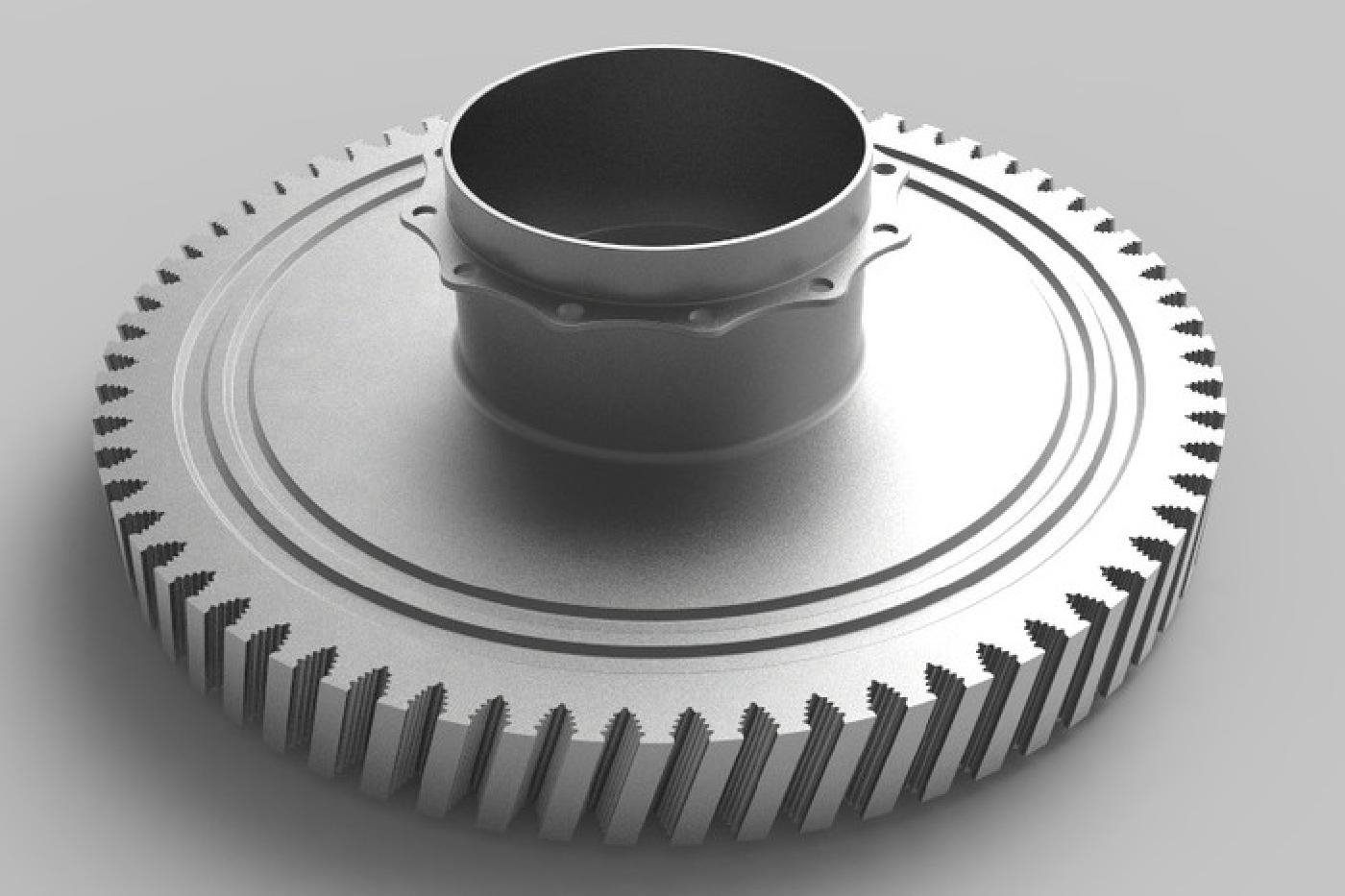
A metalurgia do pó melhora fundamentalmente a dissipação de calor do disco da turbina através de sua capacidade de criar uma microestrutura excepcionalmente uniforme e de grão fino. Na fundição tradicional, elementos como tungstênio e rênio em superligas avançadas podem segregar durante a solidificação, criando zonas localizadas com condutividade térmica variável. O processo de metalurgia do pó produz partículas de pó solidificadas rapidamente com química homogênea, que são então consolidadas via Pressão Isostática a Quente (HIP). Isso resulta em um disco com propriedades térmicas isotrópicas, permitindo que o calor se dissipe uniformemente por todo o componente, em vez de ficar preso em zonas segregadas de baixa condutividade.
Engenharia de Contornos de Grão Aprimorada
A estrutura de grão fina e uniforme alcançada através da metalurgia do pó fornece uma densidade maior de contornos de grão, que servem como vias eficientes para condução de calor. Essa microestrutura refinada, frequentemente otimizada com um tratamento térmico controlado, facilita uma transferência mais rápida de energia térmica da região mais quente do furo para o aro mais frio do disco da turbina. Para materiais como FGH96 ou FGH97, isso se traduz em gradientes térmicos reduzidos e temperaturas máximas de operação mais baixas, aumentando diretamente a resistência do disco à fadiga térmica e ao fluência.
Eliminação de Defeitos para Fluxo de Calor sem Obstáculos
Defeitos internos, como porosidade ou inclusões, atuam como barreiras ao fluxo de calor, criando pontos quentes locais. A combinação de pó atomizado por gás e subsequente consolidação HIP praticamente elimina esses vazios internos, criando um material quase teoricamente denso. Esse caminho sem obstáculos para condução de fônons (calor) garante a máxima difusividade térmica. Isso é crítico em discos de turbina aeroespaciais, onde a dissipação eficiente de calor do núcleo para o aro resfriado por ar de refrigeração é essencial para manter a resistência do material e prevenir o escoamento.
Possibilitando Composições de Liga para Estabilidade Térmica
A metalurgia do pó permite o uso de composições altamente ligadas, como aquelas ricas em formadores de gama-prime (γ'), que são difíceis ou impossíveis de processar via metalurgia de lingote convencional sem severa segregação. Essas ligas avançadas não apenas possuem alta resistência, mas também mantêm estabilidade térmica e condutividade superiores em temperaturas elevadas. A capacidade de dispersar uniformemente essas fases de fortalecimento por toda a matriz via metalurgia do pó garante que o disco mantenha desempenho térmico consistente, mesmo sob as cargas térmicas extremas e cíclicas experimentadas na seção de alta pressão de uma turbina a gás moderna.