Por que a prototipagem é importante na fabricação de conjuntos de sistemas de bombeamento?
Validação Funcional do Desempenho Hidráulico
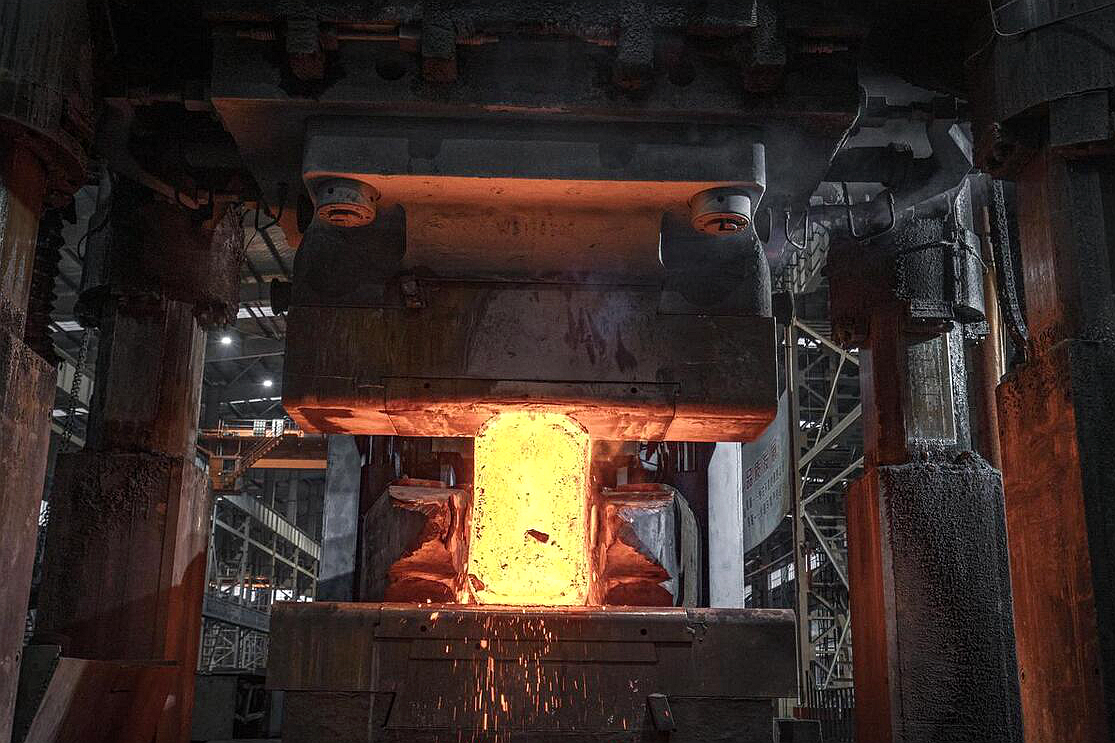
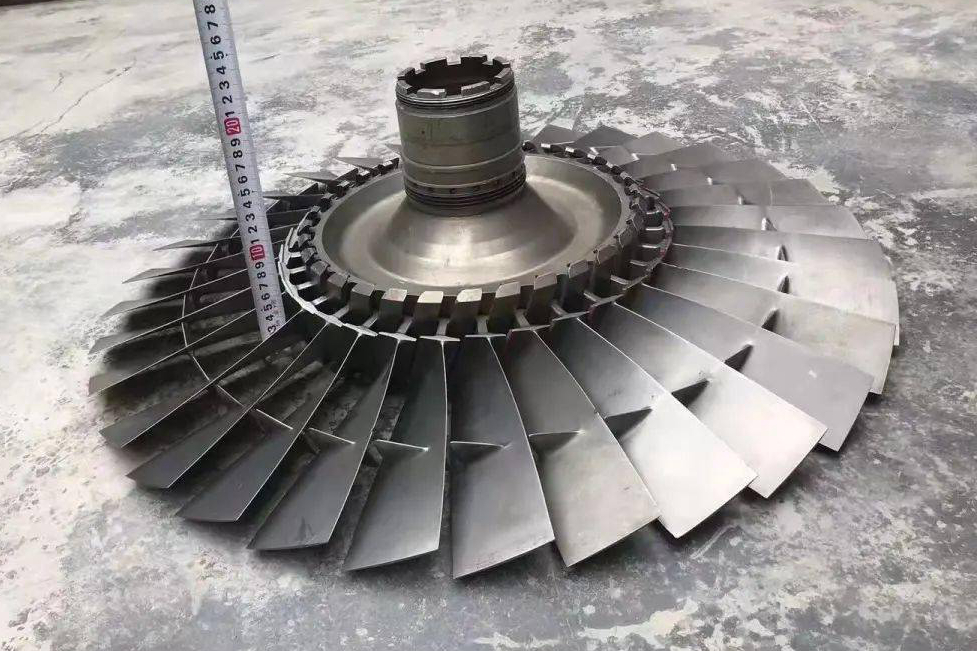
A prototipagem é crucial na fabricação de sistemas de bombeamento porque permite a validação empírica do desempenho hidráulico muito antes da produção em massa. A dinâmica dos fluidos computacional (CFD) pode prever o desempenho, mas um protótipo físico de um impulsor ou voluta fornece dados definitivos sobre vazões, altura manométrica, altura de sucção positiva líquida (NPSH) e eficiência. Isso é especialmente vital para projetos complexos que utilizam forjamento de precisão ou impressão 3D de superliga, onde desvios sutis na geometria das pás podem impactar drasticamente o desempenho de cavitação e a eficácia geral do sistema em aplicações marítimas e de petróleo e gás.
Identificação e Resolução de Defeitos de Fabricação
A fase de prototipagem atua como um teste crítico para o próprio processo de fabricação. Ela ajuda a identificar defeitos potenciais, como porosidade em peças fundidas, tensões internas em forjados ou imprecisões dimensionais em peças usinadas. Ao analisar um protótipo, os fabricantes podem refinar os parâmetros do processo para fundição por cera perdida a vácuo ou otimizar os caminhos da ferramenta para subsequente usinagem CNC. Esta análise proativa de defeitos evita a replicação de falhas em uma produção completa, economizando tempo e custos significativos associados ao retrabalho ou sucata.
Avaliação da Compatibilidade de Materiais e Resistência ao Desgaste
Os conjuntos de bombeamento lidam com polpas abrasivas, produtos químicos corrosivos e fluidos de alta temperatura. Um protótipo funcional fabricado com o material final pretendido, como Stellite 6 para anéis de desgaste ou Inconel 625 para serviço corrosivo, permite testes reais de compatibilidade de materiais e desgaste. Isso valida que a liga selecionada pode suportar o ambiente operacional específico, garantindo longevidade e prevenindo falhas prematuras em sistemas críticos de processamento químico.
Verificação da Montagem e da Capacidade de Manutenção
Além do componente individual, a prototipagem permite o teste de todo o conjunto. Ela verifica o encaixe entre o carcaço, o impulsor, o eixo e as vedações, e verifica possíveis problemas de interferência que podem não ser aparentes nos modelos CAD. Também permite que os engenheiros avaliem a facilidade de montagem, desmontagem e manutenção — fatores-chave para reduzir o tempo de inatividade em ambientes industriais. Esta etapa garante que o produto final não seja apenas de alto desempenho, mas também prático de instalar e manter em campo.