Como o WAAM se compara aos métodos tradicionais em custo e eficiência?
Comparação de Custo e Eficiência: WAAM vs Métodos Tradicionais
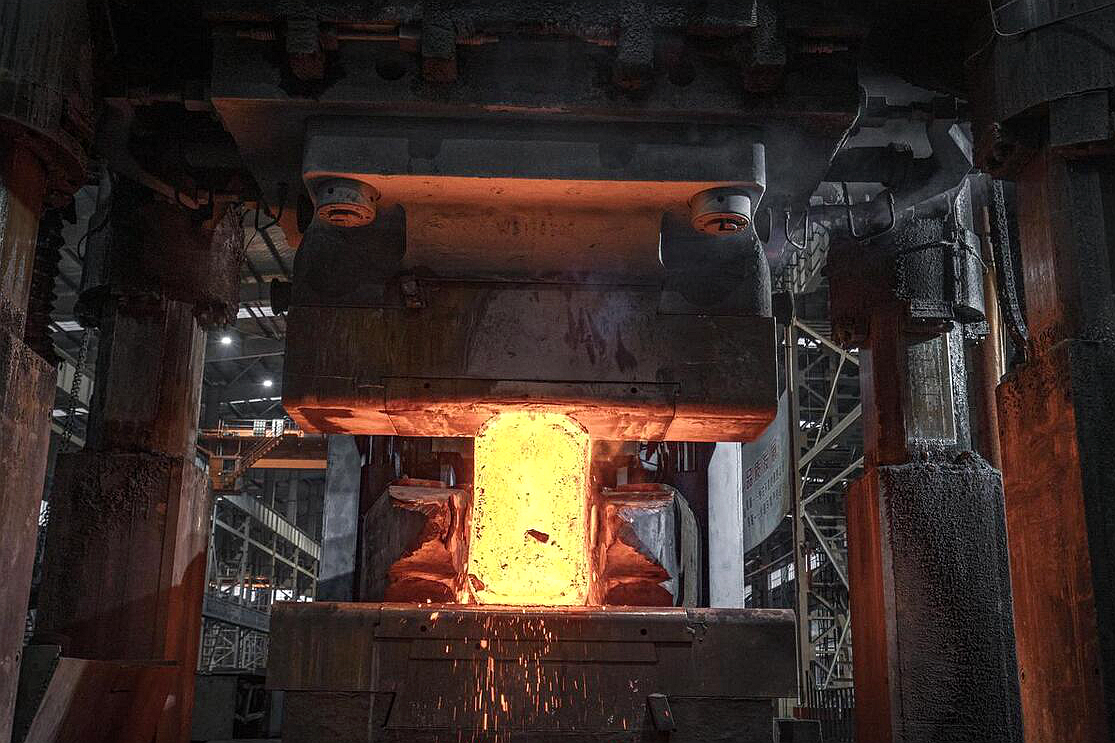
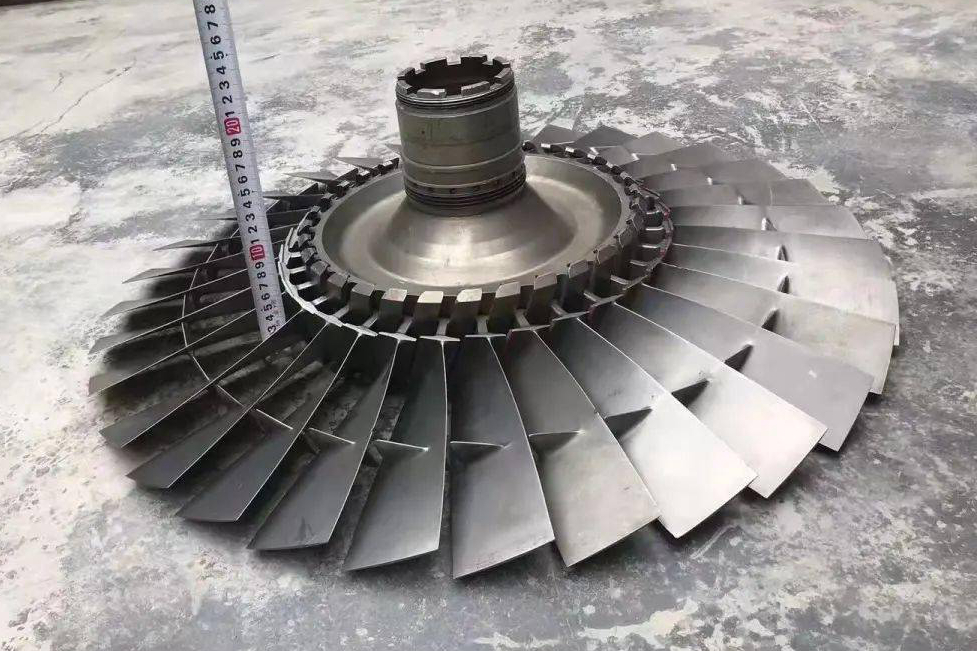
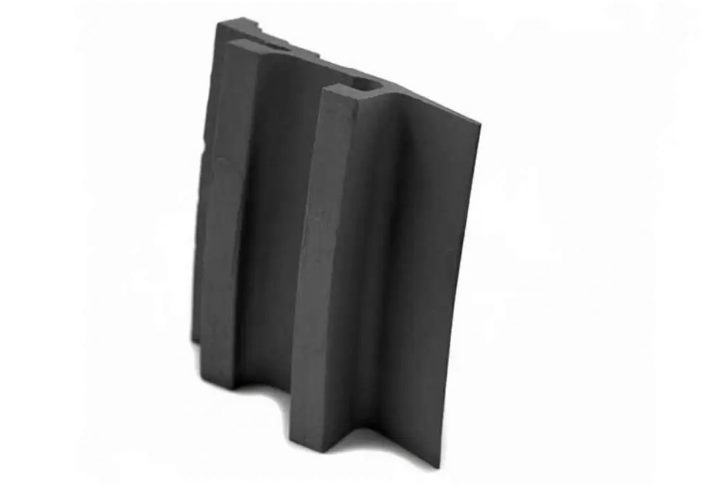
A Fabricação Aditiva por Arco (WAAM) melhora significativamente a relação custo-benefício em comparação com métodos convencionais como forjamento, fundição e usinagem subtrativa. A usinagem tradicional de superligações como Inconel 718 frequentemente envolve a remoção de 70–90% do material de um tarugo, resultando em alto desperdício e tempos de ciclo mais longos. Em contraste, o WAAM constrói peças quase-líquidas com até 90% de utilização de material, minimizando o consumo de matéria-prima e reduzindo o custo de produção.
As despesas com ferramentas e moldes também são eliminadas. Para grandes ou complexas estruturas aeroespaciais que exigiriam configurações caras de fundição de precisão, o WAAM permite a fabricação direta a partir de modelos CAD, reduzindo drasticamente o tempo de entrega. Quando combinado com processos posteriores, como usinagem CNC de superligações ou tratamento térmico, a precisão dimensional final e as propriedades mecânicas podem atender aos padrões aeroespaciais.
Tempo de Entrega e Flexibilidade de Produção
O WAAM é particularmente rentável para produção de baixo volume ou sob encomenda, onde os métodos tradicionais exigiriam ferramentas e configurações extensas. Ele também permite o redesenho de componentes e a prototipagem rápida sem custos adicionais de ferramentas. Em indústrias de alto valor, como aeroespacial e geração de energia, o WAAM permite que os engenheiros integrem estruturas leves e canais internos, reduzindo tanto as etapas de montagem quanto o tempo de usinagem.
Com controle de processo adequado e validação de qualidade usando testes e análises de materiais, o WAAM pode alcançar resultados repetíveis, oferecendo um custo de produção por peça menor em comparação com as rotas de fabricação tradicionais.