
Fornecedor de Componentes Personalizados em Superliga Hastelloy para Petróleo e Gás
Introdução às Superligas Hastelloy em Aplicações de Petróleo e Gás
As superligas Hastelloy, conhecidas por sua resistência superior à corrosão e excepcional estabilidade mecânica, são críticas em ambientes exigentes da indústria de petróleo e gás, especialmente aqueles envolvendo fluidos altamente corrosivos e temperaturas elevadas. A Neway AeroTech se destaca na fabricação de componentes personalizados em Hastelloy, aproveitando processos de fundição por cera perdida a vácuo de precisão e avançados de fundição por solidificação direcional.
Nós nos especializamos em fornecer componentes de liga Hastelloy adaptados precisamente para aplicações de petróleo e gás, garantindo desempenho confiável e vida útil estendida mesmo sob condições operacionais agressivas.
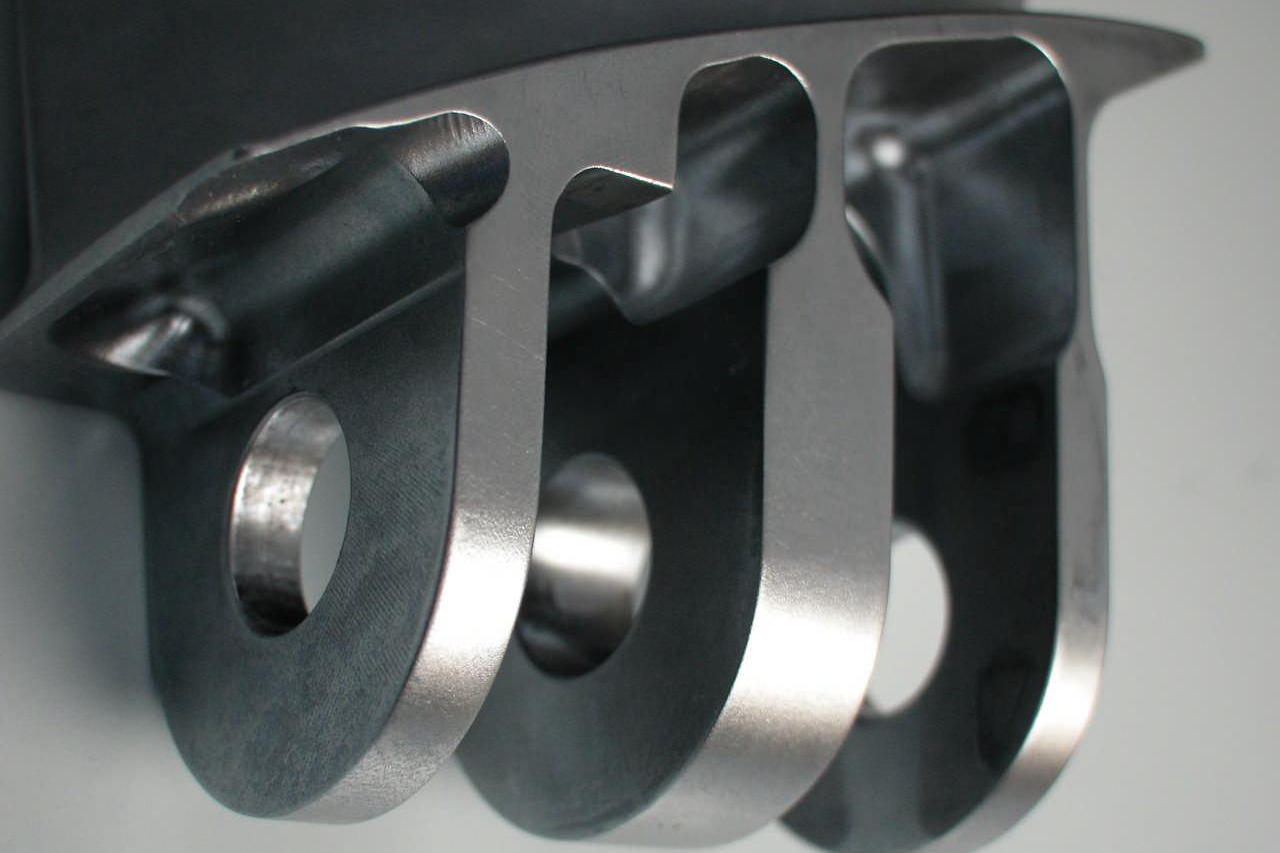
Desafios de Fabricação para Componentes de Superliga Hastelloy
A fabricação de componentes Hastelloy envolve desafios específicos:
Resistência Extrema à Corrosão: Manter a estabilidade em ambientes agressivos com cloretos, ácidos sulfúricos e sulfeto de hidrogênio (H₂S).
Estabilidade Térmica: Garantir a integridade do material em temperaturas operacionais de até 1200°C.
Fabricação de Precisão: Alcançar geometrias complexas com tolerâncias tão apertadas quanto ±0,10 mm.
Problemas de Usinabilidade: Abordar a baixa condutividade térmica e as características de endurecimento por trabalho rápido do Hastelloy, complicando os processos de usinagem.
Processos Detalhados de Fabricação de Componentes Hastelloy
Fundição por Cera Perdida a Vácuo
Modelos de cera de precisão reproduzem com exatidão geometrias complexas dos componentes.
Múltiplas camadas cerâmicas formam moldes robustos; a cera é removida a aproximadamente 180°C.
Ligas Hastelloy fundidas sob condições de vácuo (<0,01 Pa), alcançando pureza material superior.
Resfriamento controlado (~35°C/hora) minimiza tensões residuais, garantindo estabilidade dimensional.
Fundição por Solidificação Direcional
Solidificação sob gradientes térmicos controlados (20–50°C/cm) alinha as estruturas de grão.
Estruturas de grão direcionais melhoram significativamente a resistência ao fluência e a vida à fadiga.
Taxas de resfriamento lentas (25–35°C/hora) reduzem a porosidade e melhoram a integridade interna.
Visão Comparativa dos Processos de Fabricação Hastelloy
Processo | Precisão Dimensional | Acabamento Superficial | Eficiência | Capacidade de Complexidade |
|---|---|---|---|---|
Fundição por Cera Perdida a Vácuo | ±0,15 mm | Ra 3,2–6,3 µm | Moderada | Alta |
Solidificação Direcional | ±0,20 mm | Ra 6,3–12,5 µm | Moderada | Moderada |
Usinagem CNC | ±0,01 mm | Ra 0,8–3,2 µm | Moderada | Moderada |
Impressão 3D SLM | ±0,05 mm | Ra 6,3–12,5 µm | Alta | Muito Alta |
Estratégia de Seleção de Processo de Fabricação para Componentes Hastelloy
Fundição por Cera Perdida a Vácuo: Ideal para componentes complexos que requerem estruturas internas precisas e tolerâncias apertadas (~±0,15 mm).
Fundição por Solidificação Direcional: Preferida para maior resistência ao fluência e à fadiga devido às estruturas de grão direcionais, com precisão dimensional de ±0,20 mm.
Usinagem CNC: Adequada para tarefas de acabamento de precisão, alcançando tolerâncias dimensionais apertadas (~±0,01 mm).
Impressão 3D SLM: Ideal para prototipagem rápida e geometrias internas complexas, fornecendo precisão de ±0,05 mm.
Matriz de Desempenho de Materiais para Ligas Hastelloy em Petróleo e Gás
Material | Resistência à Tração (MPa) | Limite de Escoamento (MPa) | Temp. Máx. Operacional (°C) | Resistência à Corrosão | Aplicações Típicas |
|---|---|---|---|---|---|
790 | 365 | 1038 | Excepcional | Válvulas, tubulações, tubos | |
760 | 350 | 870 | Excepcional | Trocadores de calor, reatores | |
900 | 350 | 1200 | Excelente | Câmaras de combustão, queimadores | |
800 | 400 | 1093 | Superior | Componentes de cabeça de poço, sensores | |
690 | 300 | 800 | Excepcional | Sistemas de injeção química | |
775 | 380 | 980 | Excelente | Vasos resistentes à corrosão |
Estratégia de Seleção de Material para Componentes Hastelloy
Hastelloy C-276: Selecionado para tubulações e tubos devido à excepcional resistência à corrosão em temperaturas de até 1038°C.
Hastelloy B-2: Preferido para trocadores de calor e reatores que requerem excelente resistência à corrosão por ácido clorídrico até 870°C.
Hastelloy X: Ideal para aplicações relacionadas à combustão devido à alta estabilidade térmica e resistência à oxidação a 1200°C.
Hastelloy C-22: Ideal para componentes de cabeça de poço e sensores que necessitam de resistência superior à corrosão por pites e sob tensão a 1093°C.
Hastelloy G-30: Recomendado para sistemas de injeção química que lidam com ambientes ácidos, garantindo excelente resistência à corrosão até 800°C.
Hastelloy N: Adequado para vasos e aplicações de contenção, fornecendo resistência à corrosão em alta temperatura até 980°C.
Tecnologias-Chave de Pós-processamento para Componentes Hastelloy
Prensagem Isostática a Quente (HIP): Elimina porosidade e melhora propriedades mecânicas a ~1200°C e ~150 MPa.
Tratamento Térmico: Melhora as microestruturas da liga, melhorando significativamente o desempenho mecânico e a resistência à corrosão.
Usinagem por Descarga Elétrica (EDM): Fornece usinagem de alta precisão com exatidão de ±0,005 mm para geometrias complexas.
Revestimento de Barreira Térmica (TBC): Oferece proteção térmica, reduzindo as temperaturas superficiais operacionais em aproximadamente 200°C.
Estudo de Caso da Indústria: Componentes de Válvula e Tubulação Hastelloy C-276
A Neway AeroTech fabricou válvulas e componentes de tubulação personalizados em Hastelloy C-276 para instalações de campos petrolíferos offshore, utilizando fundição por cera perdida a vácuo e tratamento HIP. Os componentes entregues alcançaram precisão dimensional (±0,15 mm), notável resistência à corrosão e excepcional durabilidade mecânica em ambientes offshore agressivos.
Nossos processos de produção avançados, rigorosos padrões de garantia de qualidade e conhecimento especializado em materiais resultaram em componentes que superam de forma confiável as expectativas da indústria em termos de durabilidade e desempenho.
Perguntas Frequentes sobre Fabricação de Componentes Hastelloy
Qual é o prazo de produção típico para componentes Hastelloy personalizados?
Vocês podem gerenciar produção em pequenos lotes e prototipagem rápida para peças Hastelloy?
Quais padrões de qualidade e certificações da indústria se aplicam aos seus produtos Hastelloy?
Quais métodos de pós-processamento vocês recomendam para melhorar a resistência à corrosão do Hastelloy?
Vocês oferecem suporte técnico para seleção de liga Hastelloy e design de componentes?
