
Fábrica de Fundição de Cristal Único de Pás de Turbina em Liga à Base de Níquel CMSX-6
Introdução
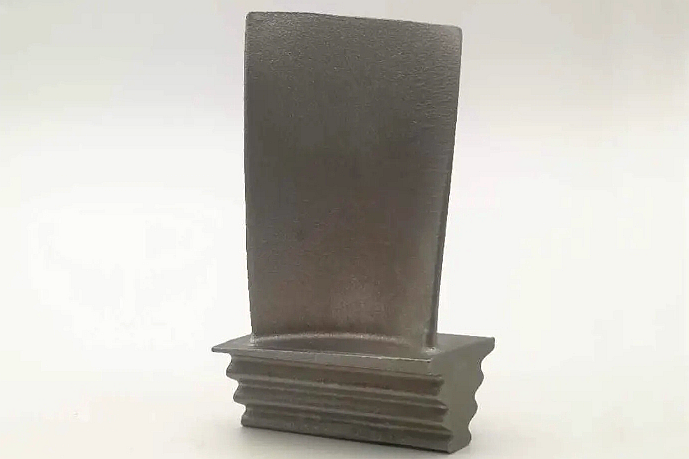
As ligas à base de níquel, como a CMSX-6, oferecem estabilidade excepcional em altas temperaturas e resistência superior à fadiga, tornando-as ideais para aplicações em pás de turbina. Utilizando técnicas avançadas de fundição de cristal único, a Neway AeroTech alinha precisamente as estruturas cristalinas, maximizando a eficiência do componente e a vida útil sob condições operacionais severas, comuns em sistemas de propulsão aeroespacial e turbinas a gás industriais.
A Neway AeroTech é especializada na fundição de cristal único de CMSX-6, aproveitando controles de processo rigorosos e padrões de qualidade rigorosos. Nossa experiência garante que as pás de turbina ofereçam desempenho excepcional, integridade estrutural e confiabilidade, mesmo nos ambientes térmicos exigentes dos motores aeroespaciais modernos e instalações de geração de energia.
Principais Desafios de Fabricação para a Liga CMSX-6
Alta temperatura de fusão (~1350°C) requer controle térmico preciso.
Solidificação direcional precisa para evitar defeitos de grão.
Minimização da microporosidade e tensões internas nas peças fundidas.
Alcançar rigorosa precisão dimensional dentro de tolerâncias de ±0,05 mm.
Visão Geral do Processo de Fundição de Cristal Único CMSX-6
O procedimento de fundição de cristal único CMSX-6 envolve:
Criação do Modelo de Cera: Moldes de cera de alta precisão produzidos por moldagem por injeção.
Formação da Casca Cerâmica: Aplicação de múltiplas camadas de suspensão cerâmica e areia, cuidadosamente secas e curadas.
Remoção da Cera (Desceragem): Processo em autoclave a aproximadamente 150°C, preservando a integridade da casca cerâmica.
Fusão e Fundição a Vácuo: Liga CMSX-6 fundida sob condições de vácuo (<10⁻³ Pa) seguida de resfriamento direcional controlado a ~4-6°C/minuto.
Crescimento do Cristal Único: Um cristal semente inicia o crescimento controlado de cristal único ao longo das direções cristalográficas preferenciais, tipicamente <001>.
Análise Comparativa das Técnicas de Fabricação
Processo | Estrutura de Grão | Resistência à Tração (MPa) | Resistência ao Fluência | Anisotropia | Nível de Custo |
|---|---|---|---|---|---|
Fundição de Cristal Único | Cristal único | Excelente (~1070 MPa) | Superior | Alta (diretividade otimizada) | Alto |
Solidificação Direcional | Grãos colunares | Muito Bom (~950 MPa) | Alta | Moderada (resistência direcional) | Moderado |
Fundição Equiaxial | Policristalino aleatório | Bom (~830 MPa) | Moderada | Baixa (propriedades uniformes) | Baixo |
Metalurgia do Pó | Grão fino | Excelente (~1200 MPa) | Muito Alta | Baixa (grão fino consistente) | Muito Alto |
Estratégia de Seleção do Processo de Fundição de Pás de Turbina
A fundição de cristal único é ideal para aplicações que exigem máxima resistência ao fluência e alta resistência à fadiga em temperaturas de até ~1140°C.
A fundição direcional de superliga é adequada para pás que necessitam de propriedades confiáveis a custos ligeiramente menores, apropriada para temperaturas em torno de 1100°C.
A fundição equiaxial de superliga oferece produção econômica para aplicações sob temperaturas operacionais menos severas (~1050°C).
A metalurgia do pó é ideal para discos de turbina de alta tensão, exigindo resistências à tração acima de 1200 MPa e resistência excepcional à fadiga a custos premium.
Matriz de Desempenho da Liga CMSX-6
Liga | Temp. Máx. de Serviço (°C) | Resistência à Tração (MPa) | Resistência ao Fluência | Resistência à Oxidação |
|---|---|---|---|---|
1140 | 1070 | Excelente em temperaturas altas sustentadas | Estabilidade de oxidação superior a 1100°C+ | |
1150 | 1100 | Superior para temperaturas extremas | Resistência à oxidação de longo prazo excepcional | |
1100 | 1080 | Alta resistência ao fluência | Excelente durabilidade à oxidação | |
1150 | 1150 | Superior sob alta tensão | Resistência à oxidação excepcional | |
980 | 980 | Muito boa para usos em temperaturas moderadas | Boa resistência à oxidação | |
1140 | 1120 | Otimizado para aplicações aeroespaciais | Excelente estabilidade em condições oxidativas |
Racional para a Seleção do Material CMSX-6
CMSX-6 é ideal para pás de turbina que necessitam de excelente resistência ao fluência e resistência à oxidação em temperaturas de serviço próximas a 1140°C.
CMSX-8 se destaca em demandas térmicas mais altas (1150°C), equilibrando resistência, resistência à oxidação e durabilidade ao fluência de longo prazo.
CMSX-4 oferece desempenho forte e confiável em temperaturas de serviço ligeiramente mais baixas (~1100°C), amplamente escolhida para motores aeroespaciais.
Rene N5 oferece desempenho de primeira linha em aplicações de propulsão aeroespacial, maximizando resistência e resistência ao fluência (~1150°C).
Inconel 738 é economicamente eficaz para aplicações em torno de 980°C, oferecendo propriedades equilibradas a custos de fabricação reduzidos.
PWA 1484 aborda especificamente motores a jato aeroespaciais, garantindo resistência excepcional ao fluência e estabilidade térmica (~1140°C).
Técnicas Essenciais de Pós-processamento
Prensagem Isostática a Quente (HIP): Elimina microporosidade a ~1150°C e 100 MPa, melhorando significativamente a vida útil à fadiga.
Revestimento de Barreira Térmica (TBC): Zircônia estabilizada com ítria cerâmica (~250 µm), reduzindo a temperatura da superfície em ~150°C.
Usinagem CNC de Precisão: Alcança tolerâncias dimensionais apertadas dentro de ±0,01 mm, críticas para o encaixe da pá de turbina.
Usinagem por Descarga Elétrica (EDM): Fabricação de precisão de características intrincadas da pá com precisão de ±0,005 mm.
Aplicações da Indústria e Análise de Caso
As pás de turbina de cristal único CMSX-6 produzidas pela Neway AeroTech são amplamente utilizadas em motores aeroespaciais e turbinas a gás. Notavelmente, as pás fabricadas para uma turbina a gás aeroespacial operando consistentemente a 1100°C alcançaram aproximadamente 20% de vida útil estendida em comparação com ligas convencionais, demonstrando desempenho superior ao fluência e resistência à oxidação.
Perguntas Frequentes
Quais tolerâncias dimensionais a Neway AeroTech pode alcançar com peças fundidas de pás de turbina CMSX-6?
Como a fundição de cristal único melhora a vida útil das pás de turbina da liga CMSX-6?
Quais tecnologias de pós-processamento a Neway AeroTech aplica às pás de turbina CMSX-6?
Qual é a temperatura máxima operacional recomendada para pás de turbina CMSX-6?
Como a Neway AeroTech garante o controle de qualidade na fabricação de pás de turbina CMSX-6?
