
हैस्टेलॉय सी-4 वैक्यूम इन्वेस्टमेंट कास्टिंग मरीन इंजन घटक फैक्टरी
परिचय
हैस्टेलॉय सी-4, एक निकल-क्रोमियम-मोलिब्डेनम सुपरएलॉय, 1035°C तक के तापमान पर समुद्री जल संक्षारण और ऑक्सीकरण वातावरण के प्रति असाधारण प्रतिरोध प्रदान करता है। हमारी फैक्टरी महत्वपूर्ण मरीन इंजन घटकों का उत्पादन करने के लिए उन्नत वैक्यूम इन्वेस्टमेंट कास्टिंग तकनीकों का उपयोग करती है, जो ±0.1 मिमी के भीतर आयामी सटीकता प्राप्त करती है, जो गंभीर परिचालन स्थितियों का सामना करने के लिए डिज़ाइन किए गए हैं।
सटीक कास्टिंग प्रौद्योगिकी और कठोर गुणवत्ता मानकों का लाभ उठाकर, हमारे हैस्टेलॉय सी-4 मरीन घटक मरीन उद्योग के भीतर मांग वाले अनुप्रयोगों के लिए मजबूत प्रदर्शन प्रदान करते हैं।
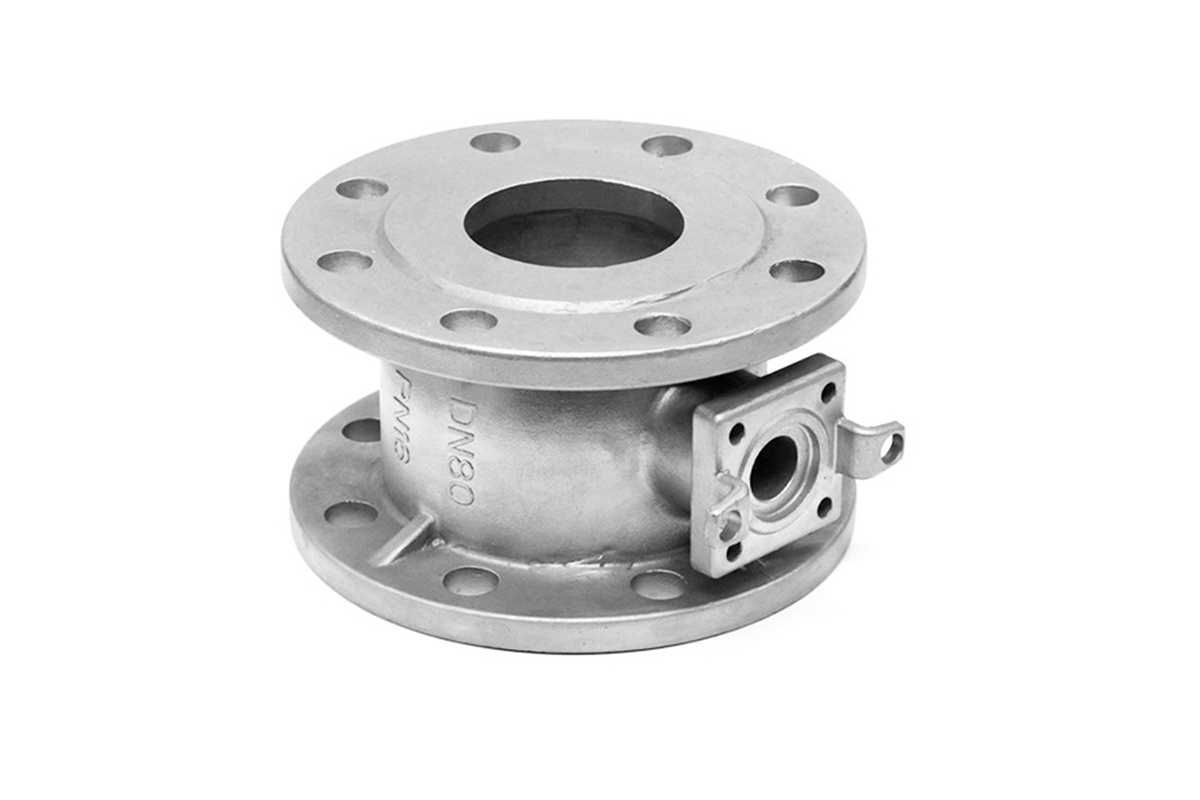
मुख्य प्रौद्योगिकी: हैस्टेलॉय सी-4 की वैक्यूम इन्वेस्टमेंट कास्टिंग
हमारी वैक्यूम इन्वेस्टमेंट कास्टिंग प्रौद्योगिकी में नियंत्रित तापमान (लगभग 1400°C) पर वैक्यूम (≤10⁻³ टॉर) के तहत हैस्टेलॉय सी-4 मिश्रधातु को पिघलाना शामिल है, जो न्यूनतम ऑक्सीकरण और संदूषण सुनिश्चित करता है। यह प्रक्रिया अत्यधिक समान सूक्ष्म संरचनाएं और अनाज आकार (आमतौर पर 0.5–2 मिमी) प्राप्त करती है, जिससे गैस छिद्रता जैसे दोषों को 1% से नीचे तक काफी कम किया जाता है। सटीक मोल्ड तैयारी उच्च-प्रदर्शन मरीन इंजन भागों के लिए ±0.1 मिमी के आयामी सहनशीलता की गारंटी देती है।
हैस्टेलॉय सी-4 की सामग्री विशेषताएं
हैस्टेलॉय सी-4 मिश्रधातु समुद्री संक्षारण, जिसमें क्लोराइड-प्रेरित प्रतिबल संक्षारण दरार शामिल है, के प्रति उत्कृष्ट प्रतिरोध प्रदर्शित करती है। प्रमुख गुणों में शामिल हैं:
गुण | मान |
|---|---|
पिघलने की सीमा | 1325–1370°C |
घनत्व | 8.64 ग्राम/सेमी³ |
तन्य शक्ति (कमरे का तापमान) | 690 एमपीए |
उपज शक्ति (कमरे का तापमान) | 310 एमपीए |
बढ़ाव | ≥35% |
तापीय विस्तार गुणांक | 11.5 µm/m°C |
संक्षारण प्रतिरोध | उत्कृष्ट (समुद्री जल, Cl⁻) |
ये गुण हैस्टेलॉय सी-4 को संक्षारक और तापीय रूप से मांग वाली परिस्थितियों में काम करने वाले महत्वपूर्ण मरीन इंजन घटकों के लिए एक आदर्श सामग्री के रूप में स्थापित करते हैं।
केस स्टडी: हैस्टेलॉय सी-4 मरीन इंजन घटक
परियोजना पृष्ठभूमि
एक अग्रणी वैश्विक मरीन इंजन निर्माता को समुद्री जल संक्षारण, ऑक्सीकरण और तापीय थकान के प्रतिरोधी उच्च-अखंडता वाले घटकों की आवश्यकता थी। हमारी फैक्टरी ने वैक्यूम इन्वेस्टमेंट कास्टिंग के माध्यम से सटीक हैस्टेलॉय सी-4 मरीन इंजन भागों का उत्पादन किया, जो मरीन-ग्रेड ASTM B575 और ISO गुणवत्ता मानकों का अनुपालन करते हैं। घटकों को 800°C से अधिक निरंतर सेवा तापमान पर निरंतर संचालन के लिए अनुकूलित किया गया था।
विशिष्ट मरीन इंजन घटक मॉडल और अनुप्रयोग
टर्बोचार्जर टरबाइन आवास: मरीन डीजल इंजनों में उच्च-तापमान समुद्री जल वातावरण के लिए डिज़ाइन किए गए सटीक-ढले हुए हैस्टेलॉय सी-4 घटक।
एग्जॉस्ट गैस रीसर्कुलेशन (ईजीआर) घटक: मरीन प्रोपल्शन सिस्टम में उत्सर्जन को नियंत्रित करने के लिए वैक्यूम-कास्ट संक्षारण-प्रतिरोधी भाग, जो 750°C से अधिक तापमान पर काम करते हैं।
मरीन हीट एक्सचेंजर भाग: आक्रामक क्लोराइड-युक्त समुद्री जल अनुप्रयोगों में स्थायित्व के लिए अनुकूलित कस्टम कास्ट भाग, तापीय चक्रण के तहत संरचनात्मक अखंडता बनाए रखते हैं।
मरीन ईंधन इंजेक्शन नोजल असेंबली: सटीक-ढले हुए घटक जो ऑक्सीकरण और संक्षारण का प्रतिरोध करते हैं, मरीन डीजल इंजनों में विश्वसनीय ईंधन वितरण प्रदर्शन सुनिश्चित करते हैं।
ये घटक मरीन प्रोपल्शन और सहायक प्रणालियों की विश्वसनीयता, प्रदर्शन और जीवनकाल में काफी सुधार करते हैं।
मरीन इंजन घटक निर्माण समाधान
कास्टिंग प्रक्रिया हैस्टेलॉय सी-4 मरीन इंजन घटकों का उत्पादन वैक्यूम इन्वेस्टमेंट कास्टिंग का उपयोग करके किया जाता है, जिसमें मोल्ड को 950–1100°C के बीच तापमान पर पूर्व-गर्म किया जाता है। लगभग 1400°C पर सटीक वैक्यूम पिघलने से मिश्रधातु की शुद्धता सुनिश्चित होती है और संदूषक समाप्त हो जाते हैं, जिसके परिणामस्वरूप ±0.1 मिमी के भीतर सहनशीलता बनाए रखते हुए दोष-मुक्त कास्टिंग प्राप्त होती है।
पोस्ट-प्रोसेसिंग कास्टिंग के बाद, घटक लगभग 100 एमपीए के दबाव और 1150°C के निकट तापमान पर हॉट आइसोस्टेटिक प्रेसिंग (एचआईपी) से गुजरते हैं ताकि अवशिष्ट छिद्रता (<1%) को समाप्त किया जा सके, जिससे समान घनत्व और इष्टतम यांत्रिक गुण सुनिश्चित होते हैं।
सतह उपचार संक्षारण प्रतिरोध बढ़ाने और घटक के जीवनकाल को बढ़ाने के लिए, कास्टिंग विशेष सतह उपचारों से गुजरती है, जिसमें ASTM B912 मानकों के अनुसार इलेक्ट्रोपोलिशिंग और पैसिवेशन शामिल हैं, जिससे समुद्री संक्षारण के प्रति प्रतिरोध में काफी सुधार होता है।
परीक्षण और निरीक्षण व्यापक परीक्षण प्रोटोकॉल में आंतरिक अखंडता सत्यापन के लिए डिजिटल एक्स-रे रेडियोग्राफिक निरीक्षण, ASTM E164 मानकों के अनुसार अल्ट्रासोनिक निरीक्षण, और तन्य परीक्षण के माध्यम से यांत्रिक प्रदर्शन सत्यापन शामिल हैं। धातुविज्ञानीय परीक्षण सूक्ष्म संरचनात्मक अनुपालन को मरीन-ग्रेड विनिर्देशों के साथ सुनिश्चित करता है।
मरीन इंजन घटकों की मुख्य निर्माण चुनौतियां
हैस्टेलॉय सी-4 से मरीन इंजन घटकों का उत्पादन करने में कई प्रमुख चुनौतियां पेश आईं:
जटिल ज्यामिति के लिए ±0.1 मिमी सहनशीलता के भीतर आयामी सटीकता को नियंत्रित करना।
क्लोराइड-युक्त समुद्री वातावरण में सुसंगत संक्षारण प्रतिरोध सुनिश्चित करना।
अनुकूलित वैक्यूम कास्टिंग और एचआईपी प्रसंस्करण के माध्यम से आंतरिक दोषों और छिद्रता को 1% से नीचे न्यूनतम करना।
परिणाम और सत्यापन
हमारे वितरित हैस्टेलॉय सी-4 मरीन घटकों ने सभी निर्दिष्ट प्रदर्शन और गुणवत्ता मानदंडों को पूरा किया या उससे अधिक किया:
आंतरिक छिद्रता स्तर लगातार 1% से नीचे, एक्स-रे और अल्ट्रासोनिक निरीक्षण के माध्यम से पुष्टि की गई।
व्यापक समुद्री जल विसर्जन परीक्षणों के माध्यम से उत्कृष्ट संक्षारण प्रतिरोध सत्यापित किया गया जो ASTM G48 मानकों को पूरा करता है।
सत्यापित यांत्रिक गुण, 690 एमपीए की तन्य शक्ति और ≥35% बढ़ाव प्राप्त किया, जो मरीन उद्योग मानकों के साथ पूरी तरह से अनुपालन करता है।
अक्सर पूछे जाने वाले प्रश्न
हैस्टेलॉय सी-4 मरीन इंजन भागों के लिए वैक्यूम इन्वेस्टमेंट कास्टिंग क्यों चुनें?
समुद्री पर्यावरणीय परिस्थितियों के तहत हैस्टेलॉय सी-4 कैसा प्रदर्शन करता है?
मरीन घटकों की गुणवत्ता सुनिश्चित करने के लिए कौन सी विशिष्ट परीक्षण विधियां हैं?
क्या मरीन इंजन भागों को विशिष्ट ग्राहक विनिर्देशों के अनुसार अनुकूलित किया जा सकता है?
हैस्टेलॉय सी-4 संक्षारण प्रतिरोध बढ़ाने के लिए कौन से सतह उपचार उपलब्ध हैं?
