
इनकोनेल मिश्रधातु टर्बाइन ब्लेड सुपरएलॉय दिशात्मक कास्टिंग फैक्ट्री
दिशात्मक कास्टिंग के साथ इनकोनेल टर्बाइन ब्लेड का परिचय
दिशात्मक ठोसीकरण कास्टिंग का उपयोग करके निर्मित टर्बाइन ब्लेड उच्च-तापमान वाले वातावरण में उत्कृष्ट यांत्रिक प्रदर्शन प्रदान करते हैं। न्यूवे एयरोटेक इनकोनेल मिश्रधातु टर्बाइन ब्लेड के लिए एक अग्रणी फैक्ट्री है, जो दिशात्मक कास्टिंग तकनीक का उपयोग करके सटीक घटकों का उत्पादन करती है ताकि संरेखित कण संरचनाएं बनाई जा सकें जो क्रीप प्रतिरोध, थकान जीवन और तापीय स्थिरता में काफी सुधार करती हैं।
हमारी उन्नत फाउंड्री प्रक्रियाएं एयरोस्पेस, ऊर्जा और औद्योगिक टर्बाइन निर्माताओं को गर्म-खंड अनुप्रयोगों के लिए तैयार किए गए उच्च-प्रदर्शन इनकोनेल ब्लेड के साथ समर्थन प्रदान करती हैं।
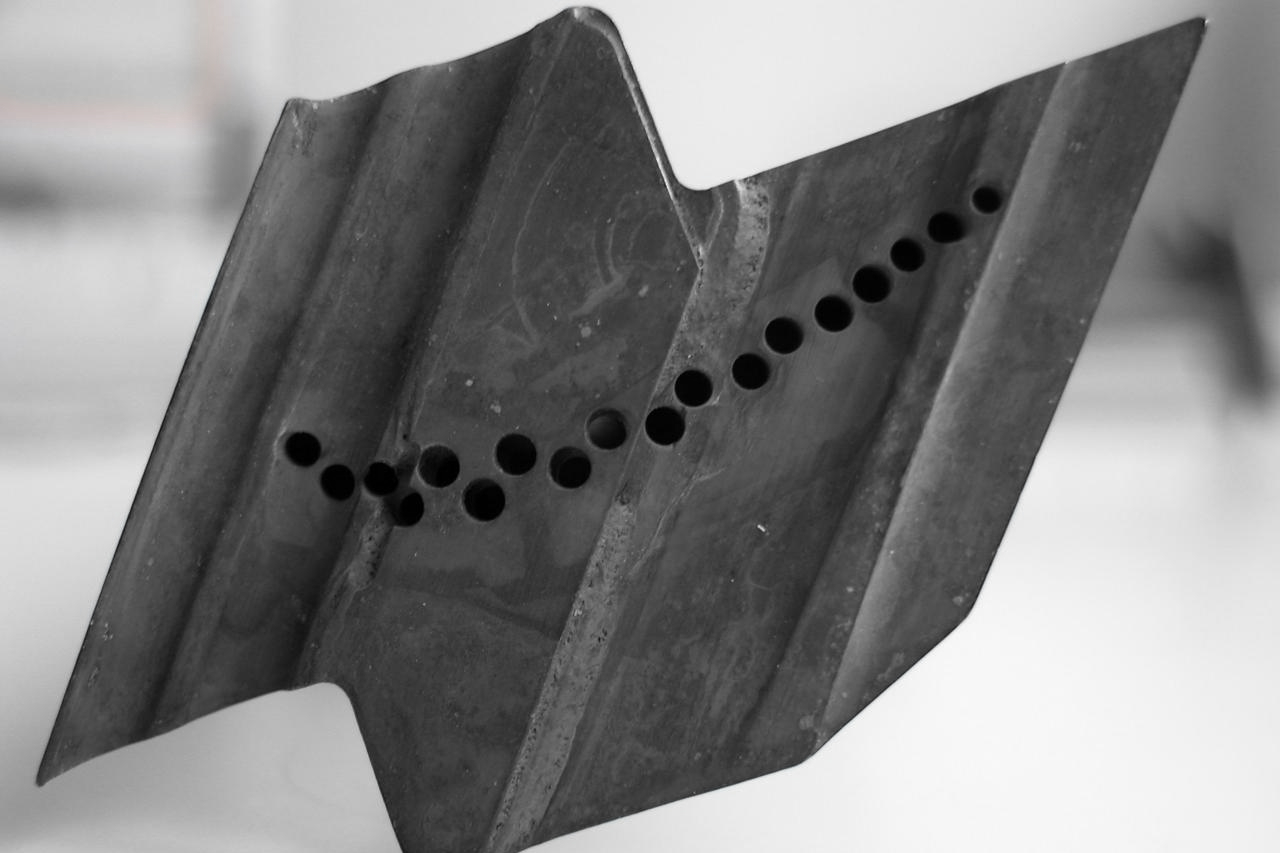
इनकोनेल टर्बाइन ब्लेड के लिए दिशात्मक कास्टिंग क्यों?
दिशात्मक कास्टिंग नियंत्रित तापीय प्रवणता के तहत ब्लेड को नीचे से ऊपर की ओर ठोस करती है, जिससे संरेखित स्तंभकार कण उत्पन्न होते हैं। यह समान-अक्षीय कास्टिंग की तुलना में यांत्रिक गुणों को बढ़ाता है:
क्रीप शक्ति में सुधार: तनाव की दिशा के समानांतर संरेखित कण सीमाएं उच्च तापमान के तहत विरूपण को कम करती हैं।
थकान जीवन में वृद्धि: अनुप्रस्थ कण सीमाओं को समाप्त करने से दरार आरंभ और प्रसार कम हो जाता है।
तापीय थकान प्रतिरोध में वृद्धि: स्तंभकार कण चक्रीय तापीय तनाव को अधिक प्रभावी ढंग से सहन करते हैं।
मुख्य कास्टिंग चुनौतियाँ और समाधान
चुनौती | हमारा समाधान |
|---|---|
कण असंरेखण | सटीक तापीय प्रवणता नियंत्रण (3–6°C/mm) और मोल्ड वापसी दरें |
छिद्रता और संकुचन | हॉट आइसोस्टेटिक प्रेसिंग (HIP) आंतरिक रिक्तियों को समाप्त करने के लिए |
आयामी सहनशीलता (±0.10 mm) | सीएनसी फिनिशिंग के साथ सटीक वैक्स पैटर्न और सिरेमिक मोल्ड डिजाइन |
ऑक्सीकरण और संदूषण | स्वच्छ कास्टिंग सुनिश्चित करने के लिए <0.1 Pa पर वैक्यूम इंडक्शन मेल्टिंग |
दिशात्मक कास्टिंग के लिए पेश किए जाने वाले इनकोनेल मिश्रधातु
मिश्रधातु | तन्य शक्ति | अधिकतम तापमान | कण प्रकार | अनुप्रयोग |
|---|---|---|---|---|
1000 MPa | 980°C | दिशात्मक | पावर टर्बाइन ब्लेड और वेन्स | |
1240 MPa | 980°C | दिशात्मक | गैस टर्बाइन एयरफॉइल | |
1250 MPa | 980°C | दिशात्मक | टर्बाइन नोजल और ब्लेड | |
1350 MPa | 1000°C | दिशात्मक | भारी-शुल्क औद्योगिक टर्बाइन ब्लेड | |
1250 MPa | 1050°C | दिशात्मक | टर्बाइन ब्लेड, डिस्क |
दिशात्मक कास्टिंग प्रक्रिया अवलोकन
वैक्स पैटर्न निर्माण
±0.05 mm सटीकता के साथ बने उच्च-सटीकता वाले वैक्स मॉडल।
सिरेमिक शेल निर्माण
बहु-परत घोल (8–12 mm) के साथ बना मोल्ड, >1400°C पिघले हुए इनकोनेल मिश्रधातुओं को संभालने में सक्षम।
वैक्यूम मेल्टिंग और दिशात्मक ठोसीकरण
इनकोनेल मिश्रधातु को वैक्यूम में <0.1 Pa पर पिघलाया जाता है।
दिशात्मक कण वृद्धि को बढ़ावा देने के लिए नियंत्रित गति से तापीय प्रवणता क्षेत्र (~3–6°C/mm) के माध्यम से मोल्ड वापस लिया जाता है।
कास्टिंग के बाद की कार्रवाइयाँ
रूट और टिप फीचर्स के लिए शेल हटाना और सीएनसी मशीनिंग।
HIP उपचार छिद्रता को समाप्त करता है।
हीट ट्रीटमेंट यांत्रिक गुणों को अनुकूलित करता है।
आंतरिक दोषों और कण सत्यापन के लिए अंतिम NDT निरीक्षण।
दिशात्मक रूप से कास्ट किए गए इनकोनेल ब्लेड के लाभ
समान-अक्षीय ब्लेड की तुलना में 2–3× लंबा क्रीप जीवन
950–1050°C निरंतर संचालन पर उत्कृष्ट प्रदर्शन
चक्रीय भार और तापीय झटके के तहत बढ़ी हुई विश्वसनीयता
आगे के तापीय संरक्षण के लिए थर्मल बैरियर कोटिंग्स (TBC) के साथ संगत
उदाहरण अनुप्रयोग: गैस टर्बाइन के लिए इनकोनेल 738 दिशात्मक ब्लेड
न्यूवे एयरोटेक ने हाल ही में एक वाणिज्यिक गैस टर्बाइन परियोजना के लिए इनकोनेल 738 दिशात्मक कास्ट टर्बाइन ब्लेड वितरित किए। ब्लेड को स्तंभकार कण संरचना के साथ कास्ट किया गया था, HIP-उपचारित किया गया था, और ±0.08 mm सहनशीलता के लिए CNC-फिनिश किया गया था। फील्ड परीक्षणों ने 5,000-घंटे के परीक्षण चक्रों में क्रीप जीवन में 40% की वृद्धि और कम तापीय थकान विफलता की पुष्टि की।
अक्सर पूछे जाने वाले प्रश्न
आप इनकोनेल मिश्रधातुओं में अधिकतम किस आकार के ब्लेड को दिशात्मक रूप से कास्ट कर सकते हैं?
क्या आप दिशात्मक कास्ट ब्लेड के लिए HIP और हीट ट्रीटमेंट सेवाएं प्रदान करते हैं?
क्या आप इनकोनेल टर्बाइन ब्लेड के लिए प्रोटोटाइप और कम-मात्रा वाले बैच का उत्पादन कर सकते हैं?
दिशात्मक कण संरचना को सत्यापित करने के लिए आप किन निरीक्षण विधियों का उपयोग करते हैं?
दिशात्मक कास्ट टर्बाइन ब्लेड ऑर्डर के लिए विशिष्ट लीड समय क्या है?
