
उच्च-तापमान मिश्रधातु टरबाइन ब्लेड समदैशिक क्रिस्टल कास्टिंग कंपनी
टरबाइन ब्लेड्स के लिए समदैशिक क्रिस्टल कास्टिंग का परिचय
औद्योगिक गैस टर्बाइन (आईजीटी), समुद्री प्रणोदन और बिजली उत्पादन में संचालित टरबाइन ब्लेड्स को उत्कृष्ट थर्मल थकान प्रतिरोध, उच्च-तापमान शक्ति और कास्टिंग लचीलापन की आवश्यकता होती है। न्यूवे एयरोटेक एक विशेष समदैशिक क्रिस्टल कास्टिंग कंपनी है जो उन्नत वैक्यूम इन्वेस्टमेंट कास्टिंग का उपयोग करके सटीक उच्च-तापमान मिश्रधातु टरबाइन ब्लेड्स का उत्पादन करती है। इन्कोनेल 713सी, रेनी 77, और हैस्टेलॉय एक्स जैसी मिश्रधातुओं में हमारी विशेषज्ञता सटीक विनिर्देशों के अनुसार ढाले गए टिकाऊ, उच्च-प्रदर्शन ब्लेड्स सुनिश्चित करती है।
हम ओईएम और टियर-1 आपूर्तिकर्ताओं को शक्ति, विश्वसनीयता और लागत-प्रभावशीलता के लिए अनुकूलित समदैशिक टरबाइन ब्लेड्स के कुशल, स्केलेबल उत्पादन के साथ समर्थन करते हैं।
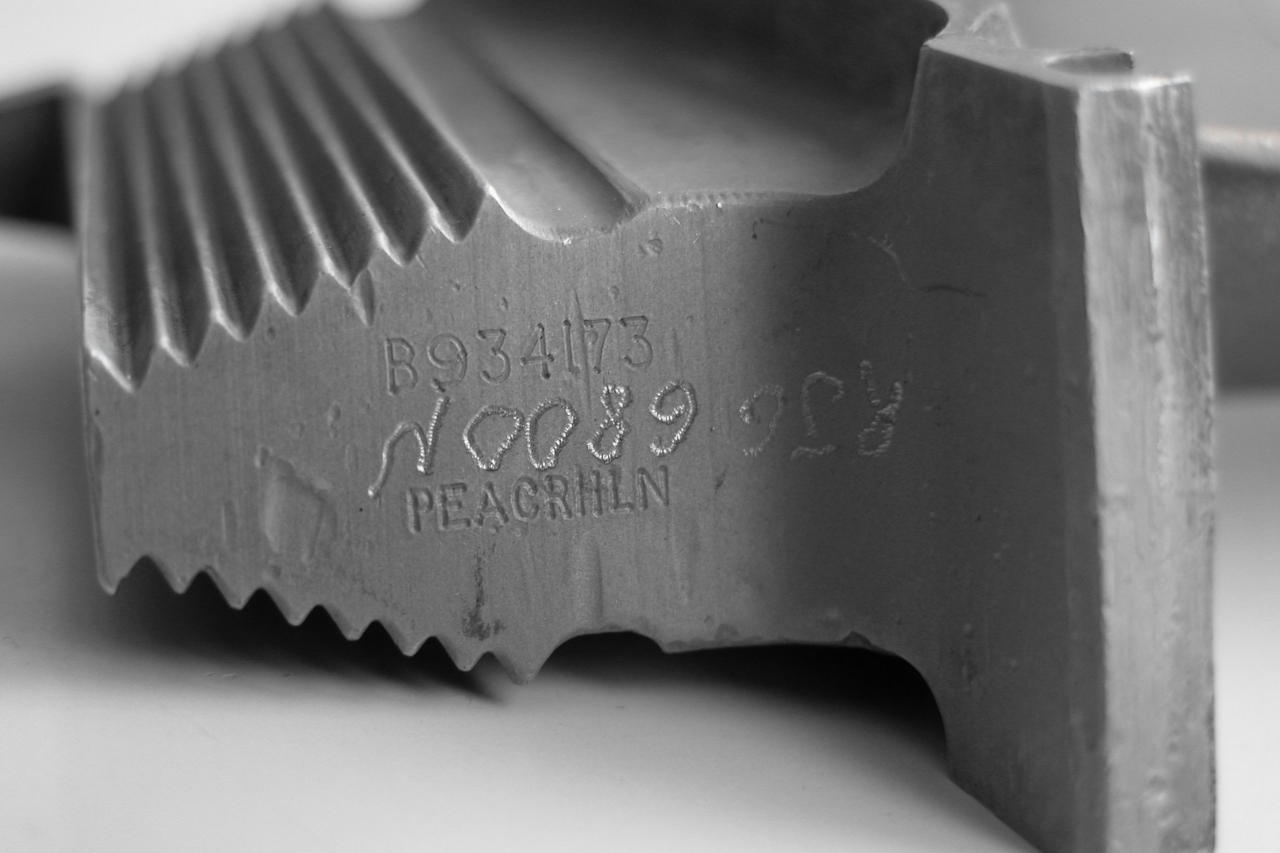
टरबाइन ब्लेड्स की समदैशिक कास्टिंग में प्रमुख चुनौतियाँ
समदैशिक क्रिस्टल कास्टिंग का उपयोग करके टरबाइन ब्लेड्स का उत्पादन करने में कई विनिर्माण चुनौतियाँ शामिल हैं:
थर्मल तनाव प्रबंधन: यह सुनिश्चित करना कि चक्रीय उच्च-तापमान लोडिंग के तहत मिश्रधातु थकान शक्ति बनाए रखे।
आयामी सटीकता: रूट फिट्स, प्लेटफॉर्म इंटरफेस और ब्लेड टिप क्लीयरेंस के लिए कड़े सहनशीलता (±0.15 मिमी) प्राप्त करना।
सरंध्रता नियंत्रण: नियंत्रित ठोसीकरण और वैकल्पिक एचआईपी प्रसंस्करण के माध्यम से आंतरिक रिक्तियों को कम करना।
जटिल ज्यामिति कास्टिंग: शीतलन छिद्रों, फिलेट्स और पतली ट्रेलिंग एज को सटीक रूप से बनाना।
समदैशिक क्रिस्टल कास्टिंग प्रक्रिया अवलोकन
मोम पैटर्न निर्माण
उच्च-सटीकता वाले मोम पैटर्न ±0.05 मिमी सटीकता के साथ बनाए जाते हैं, जो ब्लेड एयरफॉइल और रूट संरचनाओं की प्रतिकृति बनाते हैं।
सिरेमिक शेल मोल्ड निर्माण
स्लरी-डिप्ड सिरेमिक शेल (8–12 मिमी मोटे) 1600°C तक के तापमान को सहने के लिए बनाए जाते हैं।
वैक्यूम इंडक्शन पिघलना और डालना
ऑक्सीकरण और गैस फंसने से बचने के लिए सुपरएलॉय को वैक्यूम (<0.1 पा) के तहत पिघलाया जाता है।
नियंत्रित परिस्थितियों में मोल्ड भरा जाता है; कई न्यूक्लिएशन साइटों से ठोसीकरण की अनुमति देकर समदैशिक दाने बनते हैं।
कास्टिंग के बाद के संचालन
शेल हटाना, ब्लास्टिंग और रफ मशीनिंग।
सरंध्रता और संकुचन दोषों को दूर करने के लिए हॉट आइसोस्टेटिक प्रेसिंग (एचआईपी)।
गामा/गामा' फेज वितरण को अनुकूलित करने के लिए हीट ट्रीटमेंट।
रूट स्लॉट्स, टिप्स और श्राउड्स को अंतिम रूप देने के लिए सीएनसी मशीनिंग।
टरबाइन ब्लेड्स के लिए कास्टिंग विधियों की तुलना
कास्टिंग प्रकार | दाना संरचना | अधिकतम तापमान क्षमता | लागत | यांत्रिक शक्ति | अनुप्रयोग फोकस |
|---|---|---|---|---|---|
समदैशिक कास्टिंग | यादृच्छिक (सूक्ष्म दाने) | ~950–1000°C | कम–मध्यम | अच्छा | बिजली, समुद्री, औद्योगिक |
दिशात्मक कास्टिंग | संरेखित स्तंभाकार | ~1050°C | मध्यम | बहुत अच्छा | मध्य-चरण आईजीटी और एयरोस्पेस |
एकल क्रिस्टल कास्टिंग | एकल दाना | ~1150–1200°C | उच्च | उत्कृष्ट | एयरोस्पेस एचपीटी, उन्नत आईजीटी |
उच्च-तापमान मिश्रधातु प्रदर्शन मैट्रिक्स
मिश्रधातु | तन्य शक्ति | उपज शक्ति | अधिकतम तापमान | संक्षारण प्रतिरोध | अनुप्रयोग क्षेत्र |
|---|---|---|---|---|---|
1000 एमपीए | 850 एमपीए | 980°C | उत्कृष्ट | आईजीटी ब्लेड्स और वेन्स | |
1200 एमपीए | 840 एमपीए | 1000°C | उत्कृष्ट | औद्योगिक उपयोग के लिए टरबाइन ब्लेड्स | |
785 एमपीए | 385 एमपीए | 1200°C | बहुत अच्छा | ऑक्सीकरण-प्रवण वातावरण | |
1240 एमपीए | 930 एमपीए | 980°C | उत्कृष्ट | गैस टर्बाइन स्टेटर/रोटर ब्लेड्स | |
1250 एमपीए | 950 एमपीए | 950°C | बहुत अच्छा | टर्बो मशीनरी टरबाइन ब्लेड्स | |
1300 एमपीए | 950 एमपीए | 980°C | उत्कृष्ट | पावर टर्बाइन हॉट सेक्शन |
मिश्रधातु चयन रणनीति
इन्कोनेल 713सी: उत्कृष्ट कास्टेबिलिटी और संतुलित शक्ति वाले सामान्य-उद्देश्य आईजीटी ब्लेड्स के लिए सर्वोत्तम।
रेनी 77: श्रेष्ठ थकान और क्रीप शक्ति की आवश्यकता वाले समदैशिक टरबाइन घटकों के लिए चुना जाता है।
हैस्टेलॉय एक्स: उच्च तापमान (>1000°C) पर अत्यधिक ऑक्सीकरण वाले वातावरण के लिए आदर्श।
इन्कोनेल 738 / रेनी 80: उच्च लोड और तापमान आवश्यकताओं वाले उन्नत टरबाइन चरणों में पसंदीदा।
निमोनिक 105: उच्च-प्रदर्शन पावर सिस्टम में टर्बो मशीनरी ब्लेड्स के लिए उपयुक्त।
कास्टिंग के बाद की प्रौद्योगिकियाँ
एचआईपी (हॉट आइसोस्टेटिक प्रेसिंग): सूक्ष्म-सरंध्रता को समाप्त करता है और थकान प्रतिरोध को बढ़ाता है।
सॉल्यूशन और एज हार्डनिंग: यांत्रिक शक्ति के लिए गामा प्राइम फेज को अनुकूलित करता है।
सीएनसी मशीनिंग: रूट्स, प्लेटफॉर्म्स और श्राउड्स के लिए ±0.01 मिमी तक सटीक फिनिशिंग प्रदान करता है।
अविनाशी परीक्षण (एनडीटी): एक्स-रे, अल्ट्रासोनिक और डाई पेनेट्रेंट निरीक्षण के माध्यम से कास्टिंग गुणवत्ता सुनिश्चित करता है।
उद्योग केस स्टडी: समदैशिक इन्कोनेल 713सी टरबाइन ब्लेड उत्पादन
न्यूवे एयरोटेक ने हाल ही में एक वैश्विक औद्योगिक गैस टर्बाइन ओईएम के लिए इन्कोनेल 713सी समदैशिक टरबाइन ब्लेड्स की आपूर्ति की। वैक्यूम इन्वेस्टमेंट कास्टिंग, एचआईपी और सीएनसी फिनिशिंग का उपयोग करके, हमने 980°C पर निरंतर संचालन के लिए ±0.10 मिमी के भीतर आयामी सटीकता, एकसमान दाने का आकार और उत्कृष्ट यांत्रिक शक्ति प्राप्त की। फील्ड परीक्षण ने पुरानी कास्टिंग्स की तुलना में घटक जीवन में 30% की वृद्धि की पुष्टि की।
अक्सर पूछे जाने वाले प्रश्न
समदैशिक टरबाइन ब्लेड्स के लिए आपकी उत्पादन क्षमता क्या है?
समदैशिक ब्लेड अनुप्रयोगों के लिए आप कौन से सुपरएलॉय की सिफारिश करते हैं?
समदैशिक कास्टिंग्स के लिए विशिष्ट सहनशीलता सीमा क्या है?
क्या आप एचआईपी और हीट ट्रीटमेंट जैसी कास्टिंग के बाद की प्रक्रियाएं प्रदान करते हैं?
क्या आप नए टरबाइन ब्लेड डिजाइनों के लिए कस्टम टूलिंग में मदद कर सकते हैं?
