
कोबाल्ट मिश्रधातु परमाणु भाग विशेष मिश्रधातु ढलाई आपूर्तिकर्ता
कोबाल्ट मिश्रधातु परमाणु घटक ढलाई का परिचय
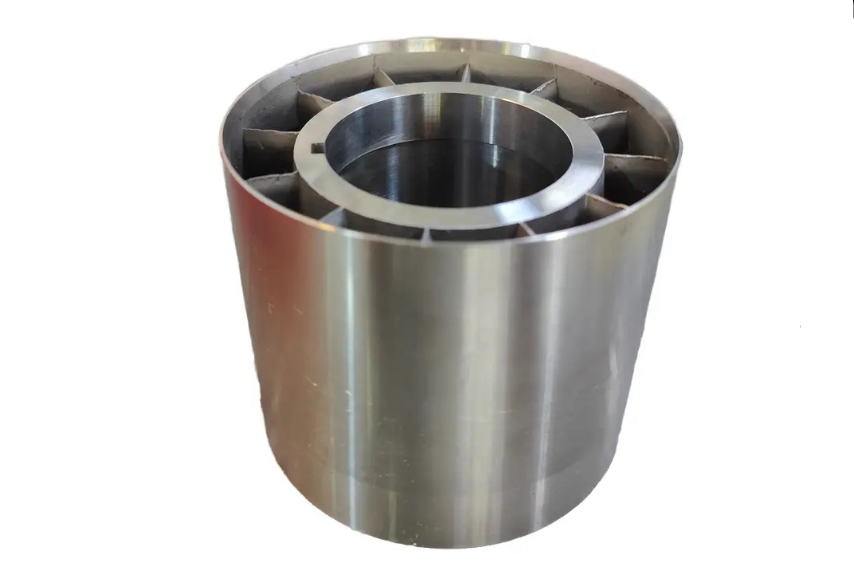
कोबाल्ट-आधारित मिश्रधातु अपने उत्कृष्ट घर्षण प्रतिरोध, संक्षारण प्रतिरोध और विकिरण तथा उच्च-तापमान परिस्थितियों में तापीय स्थिरता के कारण परमाणु ऊर्जा उद्योग में व्यापक रूप से उपयोग किए जाते हैं। न्यूवे एयरोटेक एक विशेष विशेष मिश्रधातु ढलाई आपूर्तिकर्ता है जो कोबाल्ट मिश्रधातु परमाणु भाग का उपयोग करके सटीक वैक्यूम इन्वेस्टमेंट कास्टिंग प्रदान करता है। हम स्टेलाइट 6, स्टेलाइट 21, और स्टेलाइट 25 जैसी सिद्ध कोबाल्ट-आधारित सामग्रियों का उपयोग करके वाल्व सीट, पंप वियर रिंग, नियंत्रण रॉड गाइड ट्यूब और बेयरिंग सतह जैसे महत्वपूर्ण घटकों का निर्माण करते हैं।
हमारी ढलाई कठोर परमाणु-ग्रेड मानकों को पूरा करती है और रिएक्टर आंतरिक, कोर समर्थन प्रणालियों और सहायक परमाणु उपकरणों में उपयोग की जाती है।
परमाणु अनुप्रयोगों के लिए कोबाल्ट मिश्रधातु के लाभ
विकिरण स्थिरता: कोबाल्ट मिश्रधातु न्यूट्रॉन विकिरण के तहत न्यूनतम भंगुरता के साथ यांत्रिक गुणों को बनाए रखते हैं।
घर्षण प्रतिरोध: नियंत्रण रॉड ड्राइव और वाल्व घटकों में स्लाइडिंग और रोटेटिंग संपर्क सतहों के लिए आदर्श।
संक्षारण प्रतिरोध: बोरेटेड पानी, भाप और उच्च-दबाव शीतलक सहित आक्रामक वात��वरण का सामना करते हैं।
तापीय स्थिरता: 500°C से अधिक तापमान पर ताकत और कठोरता बनाए रखते हैं।
सामान्य कोबाल्ट-आधारित मिश्रधातु जो हम ढालते हैं
मिश्रधातु | कठोरता (HRC) | तन्य शक्ति | अधिकतम तापमान | मुख्य गुण | विशिष्ट परमाणु अनुप्रयोग |
|---|---|---|---|---|---|
43–45 | ~860 MPa | 850°C | घर्षण और संक्षारण प्रतिरोधी | वाल्व सीट, बुशिंग, पंप स्लीव | |
35–40 | ~730 MPa | 850°C | मजबूत, संक्षारण-प्रतिरोधी | नियंत्रण रॉड गाइड स्लीव, वाल्व | |
20–35 | ~930 MPa | 980°C | उत्कृष्ट कठोरता, कम घिसाव | रिएक्टर आंतरिक, बोल्टिंग हार्डवेयर | |
51–55 | ~960 MPa | 750°C | अत्यधिक घर्षण प्रतिरोध | हार्डफेसिंग रिंग, बेयरिंग सतह |
कोबाल्ट मिश्रधातु परमाणु घटकों के लिए सटीक ढलाई प्रक्रिया
मोम पैटर्न निर्माण
जटिल वाल्व, गाइड और सील घटकों के लिए ±0.05 मिमी सटीकता के साथ इंजेक्शन-मोल्डेड मोम मॉडल तैयार किए जाते हैं।
सिरेमिक शेल मोल्डिंग
~1450°C पर �ोबाल्ट मिश्रधातु की वैक्यूम कास्टिंग के लिए पैटर्न के चारों ओर बहु-परत सिरेमिक शेल (8–12 मिमी) बनाया जाता है।
वैक्यूम इंडक्शन पिघलना और ढलाई
मिश्रधातु को वैक्यूम (<0.1 Pa) के तहत पिघलाया जाता है और ऑक्सीकरण या गैस छिद्रता से बचने के लिए निष्क्रिय परिस्थितियों में डाला जाता है।
ढलाई के बाद की प्रक्रियाएं
शेल हटाना, सीएनसी फिनिशिंग, छिद्रता हटाने के लिए एचआईपी, और आवश्यकतानुसार हीट ट्रीटमेंट।
निरीक्षण और प्रमाणन
संरचनात्मक अखंडता और परमाणु-ग्रेड मानकों के अनुपालन के लिए एक्स-रे, अल्ट्रासोनिक और डाई पेनेट्रेंट परीक्षण सहित गैर-विनाशकारी परीक्षण (एनडीटी)।
विशिष्ट कोबाल्ट मिश्रधातु परमाणु घटक जो हम आपूर्ति करते हैं
रिएक्टर शीतलक प्रणालियों के लिए वाल्व सीट और डिस्क
नियंत्रण रॉड ड्राइव स्लीव और गाइड बुशिंग
पंप वियर रिंग और शाफ्ट स्लीव
रिएक्टर दबाव पात्र सील
कोर समर्थन वियर पैड और ब्रैकेट
इंस्ट्रुमेंटेशन समर्थन फिक्स्चर
केस स्टडी: परमाणु भाप आपूर्ति प्रणाली के लिए स्टेलाइट 6 वाल्व सीट
न्यूवे एयरोटेक ने एक दबावयुक्त जल रिएक्टर (पीडब्ल्यूआर) प्राथमिक लूप के लिए सटीक-ढली हुई स्टेलाइट 6 वाल्व सीट की आपूर्ति की। घटकों को वैक्यूम कास्ट, एचआईपी-उपचारित और सीएनसी-फिनिश किया गया था ±0.10 मिमी तक। परीक्षण ने बोरेटेड पानी के वातावरण में उत्कृष्ट घर्षण प्रतिरोध और पहले के फोर्ज्ड संस्करणों की तुलना में लंबी सेवा जीवन की पुष्टि की। ग्राहक ने बेहतर रखरखाव अंतराल और कम डाउनटाइम की सूचना दी।
अक्सर पूछे जाने वाले प्रश्न
आप परमाणु-ग्रेड घटकों के लिए कौन सी कोबाल्ट मिश्रधातु आपूर्ति करते हैं?
क्या आप एएसएमई या एएसटीएम परमाणु सामग्री विनिर्देशों को पूरा कर सकते हैं?
क्या आप प्रतिस्थापन परमाणु भागों के लिए छोटे-बैच ढलाई प्रदान करते हैं?
परमाणु प्रमाणन के लिए आप कौन सी निरीक्षण और परीक्षण प्रक्रियाओं का उपयोग करते हैं?
क्या आप स्टेलाइट घटकों के लिए सामग्री चयन और डिजाइन अनुकूलन में सहायता कर सकते हैं?
