
ऑटोमोटिव टर्बोचार्जर डिस्क टाइटेनियम वैक्यूम इन्वेस्टमेंट कास्टिंग फैक्ट्री
टाइटेनियम टर्बोचार्जर डिस्क कास्टिंग का परिचय
ऑटोमोटिव टर्बोचार्जर डिस्क अत्यधिक परिस्थितियों में काम करती हैं, जिनके लिए उच्च शक्ति, तापीय स्थिरता और थकान प्रतिरोध वाली हल्की सामग्री की आवश्यकता होती है। न्यूवे एयरोटेक, एक विशेष टाइटेनियम वैक्यूम इन्वेस्टमेंट कास्टिंग फैक्ट्री, उन्नत कास्टिंग प्रक्रियाओं का उपयोग करके सटीक इंजीनियर ऑटोमोटिव टर्बोचार्जर डिस्क का निर्माण करती है। Ti-6Al-4V (TC4) जैसे उच्च प्रदर्शन वाले मिश्र धातुओं का उपयोग करते हुए, हम टर्बोचार्जर डिस्क वितरित करते हैं जो विशेष रूप से मांग वाले ऑटोमोटिव टर्बोचार्जिंग अनुप्रयोगों के लिए तैयार की गई हैं।
हमारी सटीक कास्टिंग क्षमताएं हमें ऑटोमोटिव क्षेत्र में एक अग्रणी फैक्ट्री के रूप में स्थापित करती हैं।
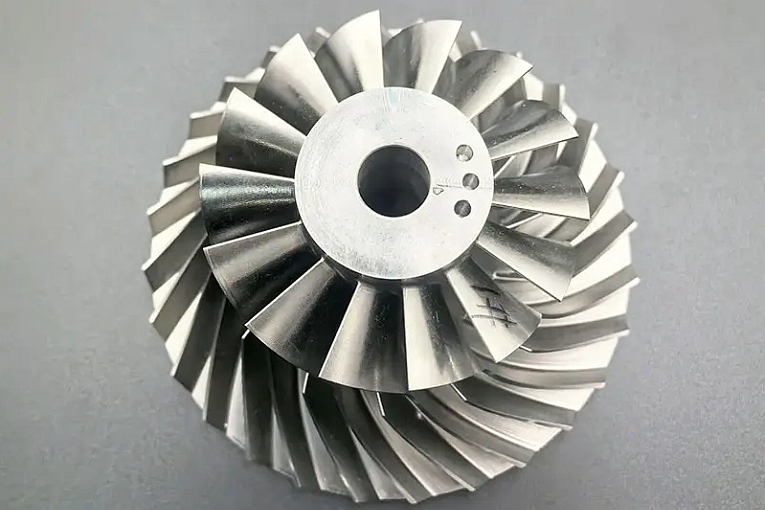
टाइटेनियम टर्बोचार्जर डिस्क कास्टिंग में मुख्य चुनौतियाँ
टाइटेनियम टर्बोचार्जर डिस्क की सटीक कास्टिंग में कई चुनौतियाँ प्रस्तुत करती है:
उच्च प्रतिक्रियाशीलता: टाइटेनियम 600°C से अधिक तापमान पर ऑक्सीजन के साथ आक्रामक रूप से प्रतिक्रिया करता है, जिसके लिए विशेष वैक्यूम कास्टिंग वातावरण (<0.1 Pa) की आवश्यकता होती है।
आयामी सटीकता: ±0.15 मिमी की कड़ी सहनशीलता और जटिल ब्लेड ज्यामिति प्राप्त करना।
सामग्री अखंडता: 0.2% से कम सरंध्रता और सुसंगत यांत्रिक गुण सुनिश्चित करना।
थकान प्रतिरोध: टर्बोचार्जर डिस्क को तेज तापमान उतार-चढ़ाव और 150,000 आरपीएम से अधिक घूर्णन गति से चक्रीय तनावों का सामना करना चाहिए।
टाइटेनियम वैक्यूम इन्वेस्टमेंट कास्टिंग प्रक्रिया
वैक्स पैटर्न निर्माण
सटीक मोल्ड वैक्स पैटर्न बनाते हैं जो टर्बोचार्जर डिस्क की सटीक ज्यामिति की नकल करते हैं।
±0.1 मिमी के भीतर पैटर्न सटीकता आयामी स्थिरता सुनिश्चित करती है।
शेल निर्माण
वैक्स पैटर्न के चारों ओर सिरेमिक शेल परतें बनाई जाती हैं, शेल अखंडता बनाए रखने के लिए नियंत्रित सुखाने के चरणों के साथ।
शेल मोटाई आमतौर पर 6–12 मिमी होती है ताकि पिघले हुए टाइटेनियम (~1700°C) का सामना कर सके।
वैक्यूम पिघलना और कास्टिंग
वैक्यूम इंडक्शन मेल्टिंग टाइटेनियम की शुद्धता सुनिश्चित करती है और ऑक्सीकरण को रोकती है (दबाव <0.1 Pa)।
वैक्यूम के तहत नियंत्रित डालना लगभग-नेट आकार प्राप्त करता है, पोस्ट-मशीनिंग को कम करता है।
शेल हटाना और फिनिशिंग
शेल को यांत्रिक या रासायनिक रूप से हटाया जाता है।
सटीक सीएनसी फिनिशिंग Ra 3.2–6.3 µm की सतह खुरदरापन और ±0.15 मिमी के भीतर महत्वपूर्ण आयाम प्राप्त करती है।
टर्बोचार्जर डिस्क निर्माण विधियों की तुलना
निर्माण विधि | सटीकता | सतह परिष्करण | जटिलता संभालना | उत्पादन दक्षता |
|---|---|---|---|---|
वैक्यूम इन्वेस्टमेंट कास्टिंग | ±0.15 मिमी | Ra 3.2–6.3 µm | उच्च | मध्यम–उच्च |
सीएनसी मशीनिंग | ±0.005 मिमी | Ra 0.8–1.6 µm | मध्यम–उच्च | मध्यम |
चयनात्मक लेजर मेल्टिंग (SLM) | ±0.10 मिमी | Ra 6.3–12.5 µm | उच्च | मध्यम |
फोर्जिंग | ±0.2 मिमी | Ra 6.3–12.5 µm | मध्यम | उच्च |
निर्माण प्रक्रिया चयन रणनीति
वैक्यूम इन्वेस्टमेंट कास्टिंग: जटिल टर्बोचार्जर डिस्क आकृतियों के लिए इष्टतम, अच्छी सटीकता (±0.15 मिमी) के साथ, मध्यम-से-उच्च मात्रा में लागत-प्रभावी रूप से उत्पादित।
सीएनसी मशीनिंग: श्रेष्ठ सटीकता (±0.005 मिमी) और सतह परिष्करण प्राप्त करने के लिए आदर्श, विशेष रूप से महत्वपूर्ण सहनशीलता वाले भागों के लिए।
चयनात्मक लेजर मेल्टिंग (SLM): रैपिड प्रोटोटाइपिंग और जटिल आंतरिक शीतलन चैनलों को शामिल करने वाले डिजाइनों के लिए उपयुक्त।
टाइटेनियम फोर्जिंग: उच्च-मात्रा वाले निर्माण के लिए कुशल जहां थोड़ी कम सटीकता (±0.2 मिमी) पर उत्कृष्ट यांत्रिक गुण स्वीकार्य हैं।
टाइटेनियम मिश्र धातु प्रदर्शन मैट्रिक्स
मिश्र धातु | तन्य शक्ति | उपज शक्ति | अधिकतम तापमान | थकान प्रतिरोध | ऑटोमोटिव अनुप्रयोग |
|---|---|---|---|---|---|
950 MPa | 880 MPa | 400°C | उत्कृष्ट | टर्बोचार्जर डिस्क | |
1050 MPa | 960 MPa | 450°C | श्रेष्ठ | उच्च प्रदर्शन टर्बोचार्जर डिस्क | |
900 MPa | 830 MPa | 400°C | उत्कृष्ट | संरचनात्मक टर्बोचार्जर घटक | |
1100 MPa | 1030 MPa | 480°C | असाधारण | उच्च-तनाव घूर्णन भाग | |
1150 MPa | 1050 MPa | 500°C | उत्कृष्ट | प्रीमियम टर्बोचार्जर डिस्क | |
980 MPa | 900 MPa | 420°C | उत्कृष्ट | संक्षारण-प्रतिरोधी टर्बो घटक |
सामग्री चयन रणनीति
Ti-6Al-4V (TC4): मानक टर्बोचार्जर डिस्क के लिए आदर्श जिन्हें विश्वसनीय यांत्रिक गुण और हल्की निर्माण की आवश्यकता होती है।
Ti-6Al-2Sn-4Zr-2Mo: उच्च तापीय स्थिरता (450°C तक) और श्रेष्ठ शक्ति (1050 MPa तन्य) की मांग वाली डिस्क के लिए चुना जाता है।
Ti-5Al-2.5Sn: उत्कृष्ट थकान प्रतिरोध की आवश्यकता वाले लागत-प्रभावी ऑटोमोटिव अनुप्रयोगों के लिए उपयुक्त।
Ti-6Al-6V-2Sn: उच्च तापमान पर असाधारण शक्ति (1100 MPa तन्य) की ����श्यकता वाले उच्च प्रदर्शन घूर्णन भागों के लिए इष्टतम।
Ti-6Al-2Sn-4Zr-6Mo: अंतिम शक्ति (1150 MPa तन्य) और तापीय प्रदर्शन (500°C) की आवश्यकता वाले प्रीमियम अनुप्रयोगों के लिए चुना जाता है।
Ti-6Al-7Nb: मजबूत थकान प्रतिरोध की आवश्यकता वाले संक्षारक वातावरण में टर्बोचार्जर घटकों के लिए अनुशंसित।
मुख्य पोस्ट-प्रोसेसिंग प्रौद्योगिकियाँ
हीट ट्रीटमेंट: यांत्रिक गुणों को बढ़ाता है, थकान प्रतिरोध में सुधार करता है।
हॉट आइसोस्टेटिक प्रेसिंग (HIP): आंतरिक सरंध्रता को दूर करता है, संरचनात्मक अखंडता सुनिश्चित करता है।
सीएनसी मशीनिंग फिनिशिंग: सटीक आयामी सहनशीलता (±0.005 मिमी) और बेहतर सतह परिष्करण (Ra 0.8 µm) प्राप्त करता है।
डायनेमिक बैलेंसिंग: कंपन को कम करता है, उच्च-गति घूर्णन प्रदर्शन के लिए आवश्यक।
उद्योग केस स्टडी: सटीक कास्ट टाइटेनियम टर्बोचार्जर डिस्क
न्यूवे एयरोटेक ने हाल ही में एक अग्रणी ऑटोमोटिव टर्बोचार्जर निर्माता के लिए वैक्यूम इन्वेस्टमेंट कास्टिंग का उपयोग करके सटीक टाइटेनियम टर्बोचार्जर डिस्क का निर्माण किया। उन्नत कास्टिंग प्रौद्योगिकी, कठोर HIP उपचार और सटीक सीएनसी मशीनिंग का लाभ उठाते हुए, हमने असाधारण आयामी सटीकता (±0.15 मिमी), हल्की शक्ति और श्रेष्ठ थकान प्रदर्शन प्राप्त किया, जो ग्राहक विनिर्देशों को काफी पार कर गया।
हमारी उन्नत क्षमताएं हमें एक प्रमुख टाइटेनियम टर्बोचार्जर डिस्क कास्टिंग फैक्ट्री के रूप में हमारी स्थिति की पुष्टि करती हैं�
अक्सर पूछे जाने वाले प्रश्न
वैक्यूम इन्वेस्टमेंट कास्ट टाइटेनियम टर्बोचार्जर डिस्क के लिए आपका उत्पादन लीड टाइम क्या है?
क्या आप प्रोटोटाइप या छोटी मात्रा वाली कास्टिंग परियोजनाओं को समायोजित कर सकते हैं?
आपकी टाइटेनियम टर्बोचार्जर डिस्क कौन से उद्योग प्रमाणन और गुणवत्ता मानकों को पूरा करती हैं?
क्या आप उपयुक्त टाइटेनियम मिश्र धातुओं के चयन में तकनीकी सहायता प्रदान करते हैं?
आप कास्ट टर्बोचार्जर डिस्क की गुणवत्ता और विश्वसनीयता कैसे सुनिश्चित करते हैं?
