
Piezas de aluminio impresas en 3D de alto rendimiento para aplicaciones industriales
Introducción a la impresión 3D industrial en aluminio
La impresión 3D en aluminio permite a los fabricantes producir piezas ligeras y complejas con alta resistencia mecánica, resistencia a la corrosión y rendimiento térmico. En Neway Aerotech, ofrecemos componentes de aluminio impresos en 3D para sectores industriales que incluyen automatización, energía, electrónica y maquinaria pesada.
Nuestro uso de procesos SLM y WAAM permite una producción rentable de piezas funcionales de aluminio con relaciones resistencia-peso optimizadas y una mayor libertad geométrica.
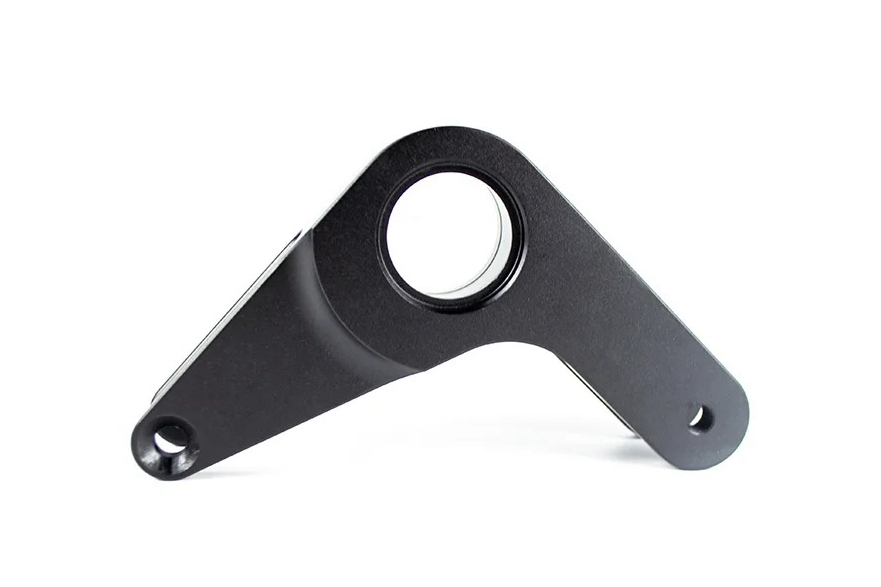
Aplicaciones industriales clave de la impresión 3D en aluminio
1. Sistemas de energía
La impresión 3D en aluminio permite la creación de intercambiadores de calor ligeros, canales de refrigeración personalizados y carcasas a presión para sistemas de almacenamiento y conversión de energía.
Material: AlSi10Mg
Beneficio: Conductividad térmica de hasta 170 W/m·K y tolerancia a la presión de 5–7 MPa
2. Automatización industrial
Las carcasas de sensores complejos, soportes y efectores finales robóticos se fabrican con alta rigidez y baja masa para un rendimiento a alta velocidad.
Característica: Integración de canales de cableado e interfaces de montaje en un único cuerpo impreso
Precisión: ±0,05 mm con acabado CNC para una alta repetibilidad
3. Útiles y accesorios
Las piezas de aleación de aluminio se utilizan para plantillas personalizadas, moldes y accesorios de posicionamiento, reduciendo significativamente el tiempo de entrega y el peso.
Ejemplo: Bloques de útiles impresos mediante WAAM de hasta 1,2 m de longitud
Reducción del tiempo de entrega: Hasta un 60 % en comparación con bloques mecanizados por CNC
4. Carcasas electrónicas
Las carcasas impresas proporcionan un excelente blindaje EMI y control térmico para la electrónica industrial y los sistemas de sensores.
Acabado superficial: Ra < 3,2 μm alcanzable después del chorreado con perlas
Personalización: Paredes de celosía, aletas de refrigeración y puertos de conectores impresos en una sola operación
Aleaciones de aluminio comunes y sus propiedades
Aleación | UTS (MPa) | Alargamiento (%) | Conductividad (W/m·K) | Aplicación clave |
|---|---|---|---|---|
AlSi10Mg | 460–520 | 5–12 | 150–170 | Carcasas de energía, soportes aeroespaciales |
AlSi9Cu3 | 280–330 | 2–5 | 120–140 | Carcasas electrónicas, disipadores de calor |
AlMgSc (Scalmalloy®) | >500 | >10 | ~130 | Componentes estructurales de alto rendimiento |
Caso de estudio: carcasa de aluminio impresa en 3D para láser industrial de alta potencia
Antecedentes del proyecto
Un fabricante de óptica de alta precisión requería una carcasa de aluminio personalizada para una unidad de láser de fibra de alta potencia. La carcasa necesitaba características de montaje con tolerancias ajustadas, estructuras de disipación de calor y reducción de peso.
Proceso de fabricación
Tecnología utilizada: Fusión selectiva por láser (SLM)
Material: AlSi10Mg
Parámetros de construcción: Capas de 30 μm, entorno de gas inerte, láser de 500 W
Geometría: Paredes internas con aletas, salientes de sujetadores integrados, interfaces de montaje óptico
Postprocesamiento
Tratamiento térmico: 320 °C × 2 horas para alivio de tensiones
Mecanizado CNC: Precisión de ±0,01 mm en las superficies de acoplamiento
Anodizado: Mayor resistencia a la corrosión y mejora de la emisividad térmica
Inspección y validación
Escaneo 3D: Verificación de la conformidad dimensional
END por rayos X: Confirmación de la ausencia de vacíos internos
Pruebas térmicas: La temperatura superficial se mantuvo < 70 °C bajo una carga térmica de 200 W en un entorno cerrado
Resultado e impacto
La carcasa impresa en 3D redujo el número de piezas en un 40 % mediante la integración funcional y disminuyó el peso del sistema en un 35 %. El diseño térmico mejorado extendió la vida útil de los componentes y permitió una integración compacta del sistema en espacios restringidos.
Preguntas frecuentes
¿Qué aleaciones de aluminio son las mejores para componentes industriales funcionales impresos en 3D?
¿Cómo garantizan que los canales internos en las piezas de aluminio impresas estén libres de defectos?
¿Se pueden utilizar útiles de aluminio impresos en 3D en entornos industriales de alta tensión?
¿Qué tratamientos superficiales están disponibles para piezas aditivas de aluminio?
¿Qué tolerancias se pueden lograr en las características mecanizadas de piezas de aluminio impresas en 3D?
