¿Cómo ayuda WAAM a las industrias que necesitan piezas grandes de superaleaciones de alto rendimient...
Revolucionando la Producción de Componentes a Gran Escala
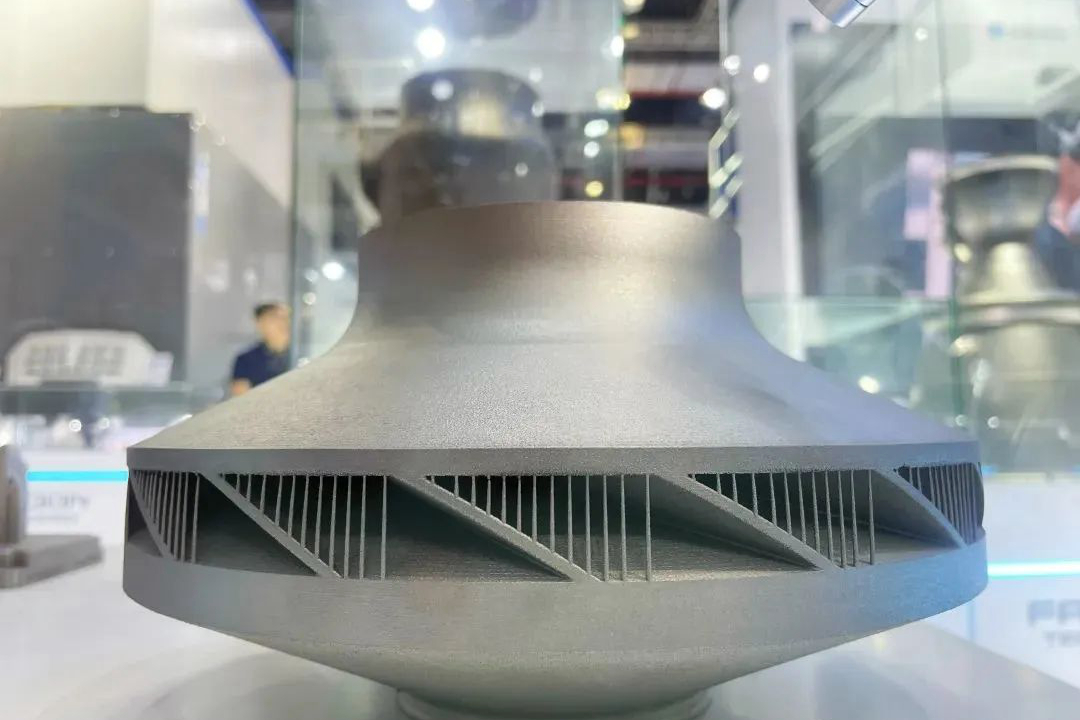
La Fabricación Aditiva por Arco de Alambre (WAAM) aborda limitaciones fundamentales en la fabricación tradicional de grandes componentes de superaleaciones al permitir la fabricación digital directa de estructuras masivas que superan varios metros. A diferencia de métodos convencionales como la forja o la fundición que requieren equipos de capital y herramientas enormes, WAAM construye piezas capa por capa utilizando sistemas robóticos de soldadura por arco. Este enfoque elimina la necesidad de grandes prensas de forja o instalaciones de fundición, haciendo económicamente viable la producción de grandes componentes de superaleaciones a base de níquel para aplicaciones en aeroespacial, energía, y petróleo y gas que de otro modo serían poco prácticos o prohibitivamente caros.
Eficiencia de Material Inigualable y Reducción de Costos
WAAM logra una eficiencia de material extraordinaria con relaciones de compra-a-vuelo cercanas a 1.5:1 en comparación con 10:1 o más para el mecanizado a partir de palanquillas forjadas. Esto es particularmente significativo para superaleaciones costosas como Inconel 718 o Hastelloy X, donde los costos del material dominan el precio del componente. La tecnología reduce los plazos de entrega en un 50-70% para componentes grandes únicos al eliminar la fabricación de herramientas y simplificar la cadena de suministro. Para industrias que requieren piezas grandes personalizadas o de bajo volumen, WAAM proporciona ahorros de costos dramáticos mientras mantiene las propiedades mecánicas requeridas para aplicaciones de alta temperatura.
Propiedades Superiores Mediante Deposición Controlada
WAAM produce componentes de superaleaciones con excelentes propiedades mecánicas a través de una gestión térmica controlada y un tratamiento térmico posterior a la construcción especializado. El proceso crea una estructura de solidificación direccional fina que, cuando se combina con Prensado Isostático en Caliente (HIP), logra una densidad superior al 99.5% y propiedades mecánicas comparables a los materiales forjados. La tecnología permite la deposición de múltiples materiales dentro de un solo componente, permitiendo a los ingenieros adaptar las propiedades a regiones específicas, como superficies resistentes al desgaste en elementos estructurales, creando características de rendimiento optimizadas imposibles con la fabricación convencional.
Habilitando Libertad de Diseño y Consolidación de Piezas
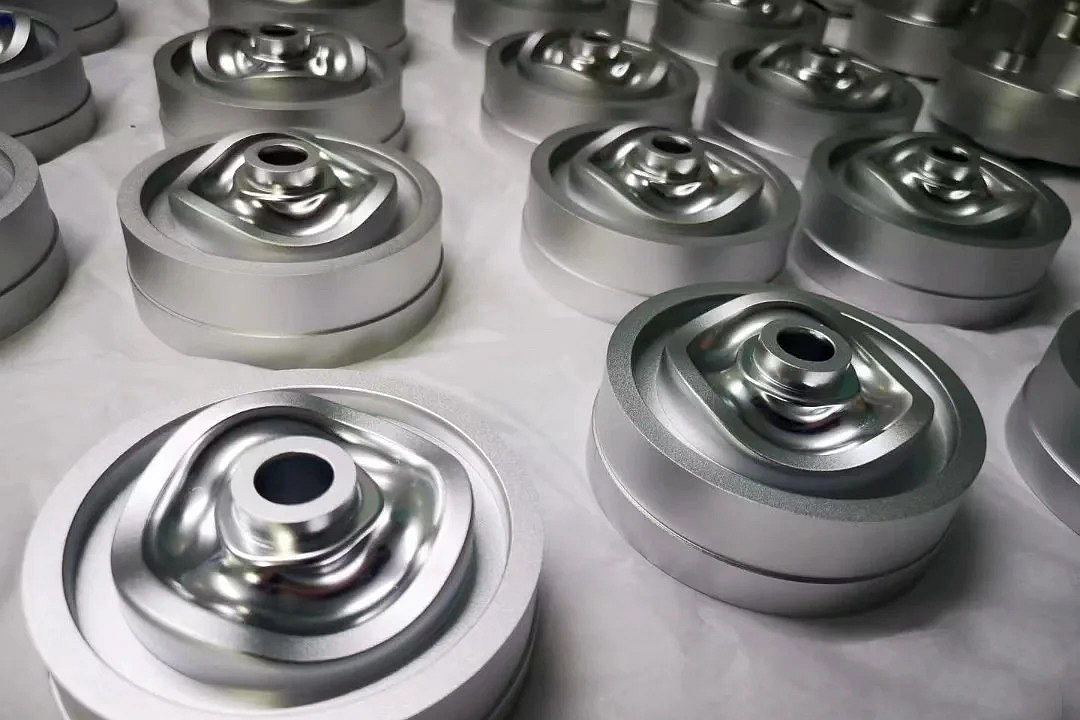
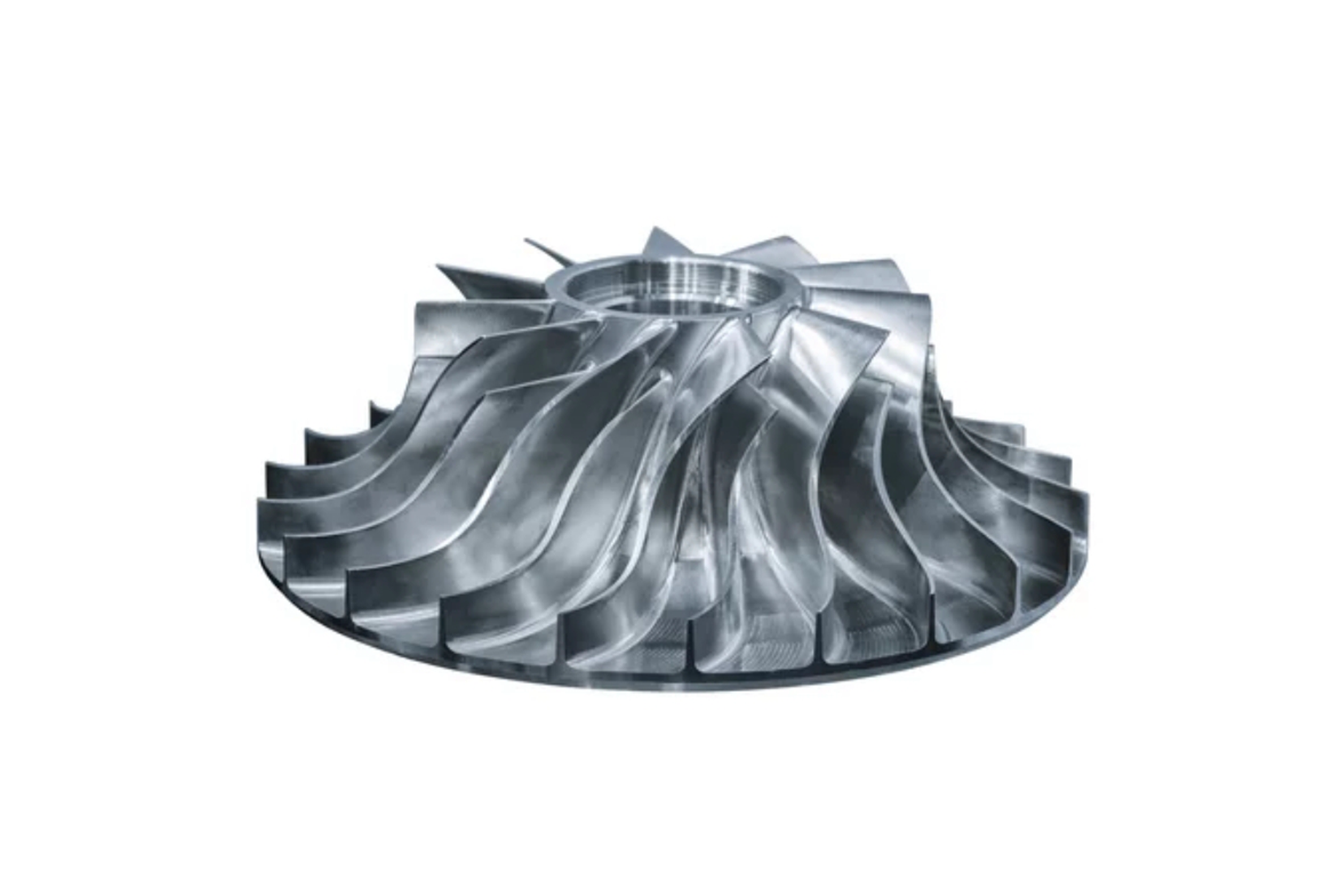
WAAM libera a los diseñadores de las restricciones de fabricación, permitiendo estructuras optimizadas topológicamente que reducen el peso manteniendo la resistencia. La tecnología permite consolidar ensamblajes complejos en componentes únicos, eliminando uniones y puntos potenciales de falla. Para grandes componentes estructurales en turbinas de generación de energía o sistemas de propulsión de cohetes, WAAM permite canales de refrigeración integrados, características de montaje y estructuras de refuerzo que serían imposibles con métodos tradicionales. Tras la deposición, el mecanizado CNC de precisión garantiza que las superficies críticas cumplan con las tolerancias estrictas para el ensamblaje y la operación.
Transformando las Operaciones de Reparación y Mantenimiento
WAAM revoluciona la reparación y renovación de componentes de superaleaciones de alto valor en equipos industriales, extendiendo la vida útil al 20-40% del costo de reemplazo. La tecnología permite la deposición precisa de materiales de superaleaciones coincidentes en áreas desgastadas o dañadas de rotores de turbinas, válvulas grandes y otros equipos críticos. Esta capacidad reduce drásticamente el tiempo de inactividad y el desperdicio de material mientras mantiene la integridad metalúrgica y la certificación del componente original, particularmente valiosa para equipos heredados donde las piezas de repuesto pueden no estar disponibles o requerir largos plazos de entrega.