¿En qué industrias se utiliza más comúnmente la SLA y cuáles son sus aplicaciones clave?
Descripción general de la adopción en la industria
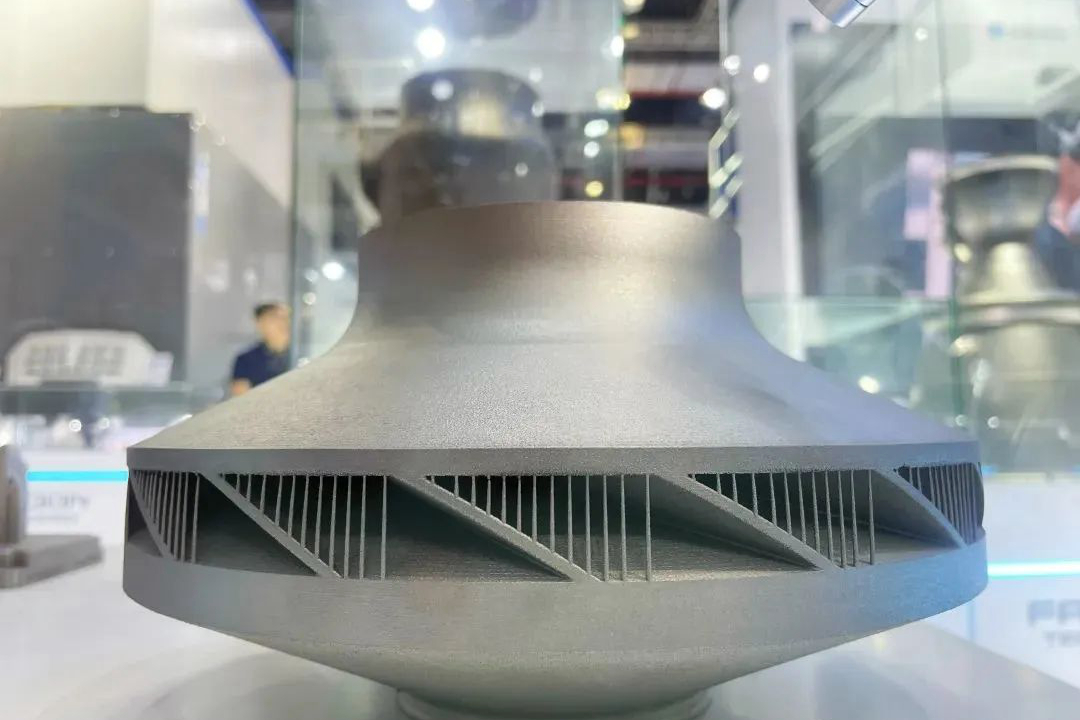
La estereolitografía (SLA) se utiliza ampliamente en industrias que requieren prototipos de alta precisión, acabados superficiales finos y geometrías complejas. Su capacidad para producir componentes suaves y dimensionalmente precisos la convierte en un método de prototipado rápido preferido en sectores como la aeroespacial y aviación, donde los ingenieros dependen de maquetas detalladas para la evaluación aerodinámica, la validación del ensamblaje y la integración de sistemas. La idoneidad de la SLA para componentes de paredes delgadas y microcaracterísticas también beneficia a las industrias que trabajan con estructuras intrincadas y tolerancias ajustadas.
Sectores médico, de consumo y de precisión
En el campo médico y sanitario, la SLA se utiliza frecuentemente para modelos anatómicos, bandejas dentales, guías quirúrgicas y carcasas de dispositivos debido a sus opciones de resina biocompatible y alta precisión. El sector farmacéutico, estrechamente relacionado con las aplicaciones farmacéuticas y alimentarias, se beneficia de la capacidad de la SLA para producir prototipos sanitarios y altamente detallados para equipos y componentes de embalaje. Los fabricantes de electrónica de consumo utilizan la SLA para validar carcasas de productos, diseños ergonómicos y micromecanismos antes de pasar a la producción en masa mediante moldeo o mecanizado.
Aplicaciones de ingeniería y funcionales
Para aplicaciones de ingeniería, la SLA proporciona prototipos funcionales utilizados en pruebas de ajuste de forma, evaluación de canales de fluidos y verificación mecánica ligera. En industrias como la automotriz y la de energía, la tecnología respalda las iteraciones de diseño en etapas tempranas, ayudando a los fabricantes a reducir los ciclos de desarrollo y perfeccionar la integración de sistemas antes de fabricar prototipos metálicos mediante mecanizado CNC o servicios de impresión 3D.
Ventajas de alto detalle y personalización
Las industrias que requieren características de gran detalle, como la microfluídica, la óptica y las herramientas personalizadas, dependen de la SLA por su excepcional suavidad superficial y capacidad para formar cavidades internas intrincadas. Dado que las resinas SLA pueden replicar incluso variaciones geométricas sutiles, el proceso es ideal para modelos de apariencia, estudios ergonómicos y patrones maestros utilizados en moldeo. Cuando se combina con resinas de grado de ingeniería, la SLA también respalda pruebas funcionales limitadas, permitiendo a los fabricantes cerrar la brecha entre el diseño inicial y la producción a gran escala.