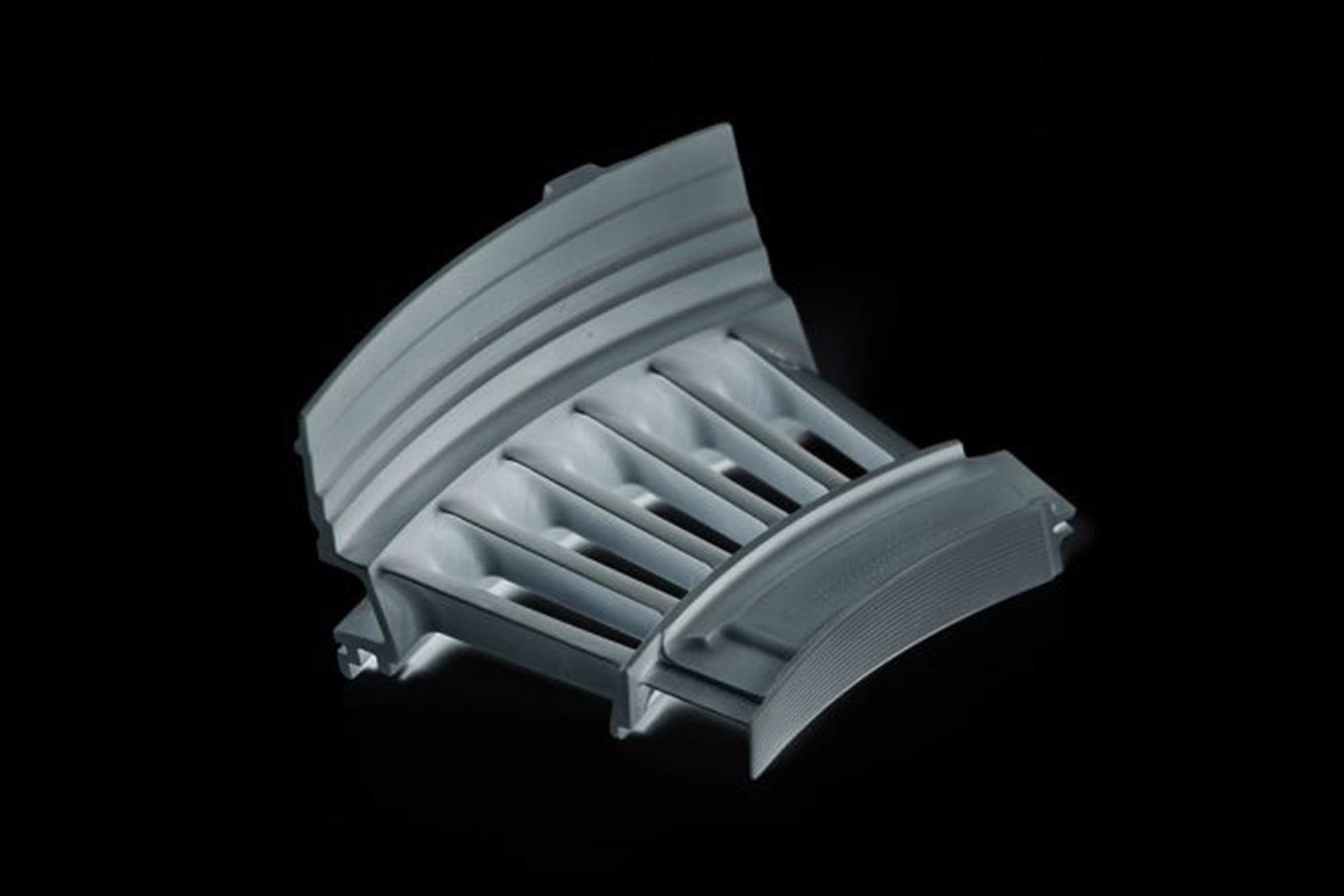
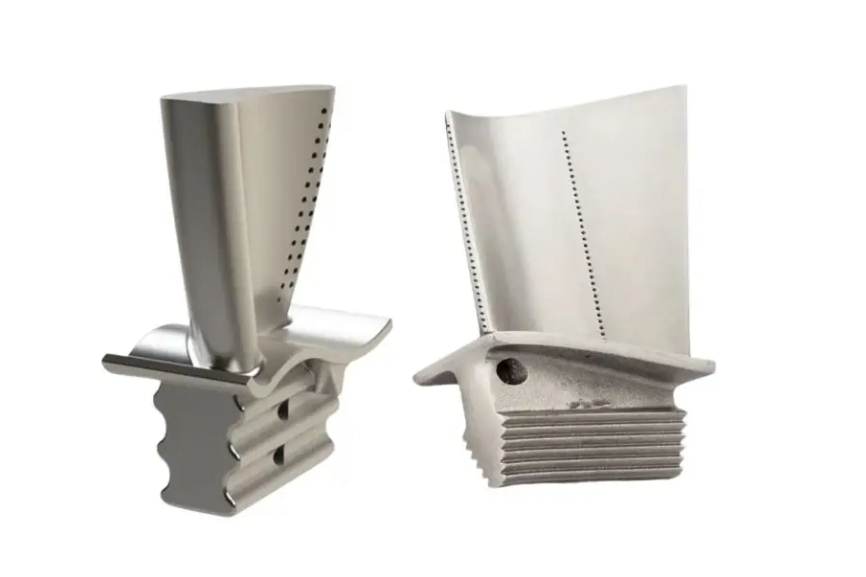
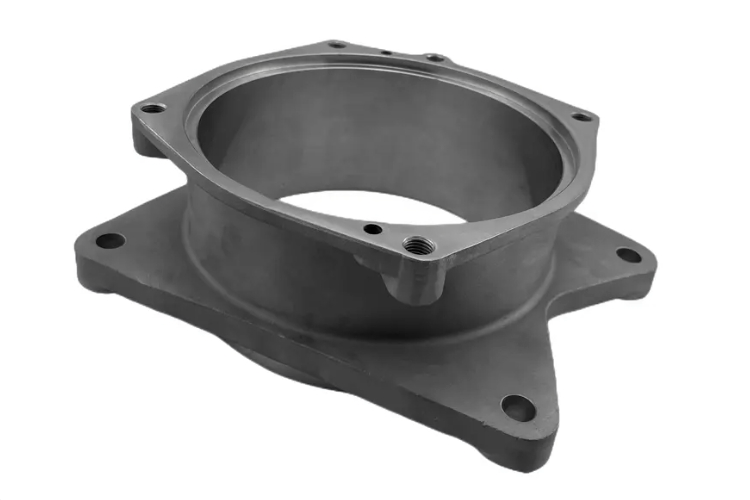
Precision Metal Units for Hydroelectric Power Plant Fabrication Service
A hydroelectric power plant precision-metal-unit RFQ should define the water-contact environment, wear surface, sealing or bearing interface, alloy grade, machining requirement, post-process condition, and inspection evidence before a supplier quotes. Custom units may include pump or valve components, seal rings, sleeves, guide pieces, wear inserts, brackets, shaft-adjacent fittings, and maintenance tooling used around hydroelectric power plant equipment. NewayAeroTech can review drawing-based corrosion-resistant and wear-resistant alloy parts when buyers provide drawings, models, material requirements, quantity, surface condition, and acceptance criteria.
Hydroelectric parts are not driven by hot-gas temperature like turbine hot-section components. The practical problems are water erosion, cavitation-prone surfaces, corrosion, contact wear, dimensional fit, and plant maintenance schedules. A supplier quote should show the blank route, machining sequence, heat treatment or surface processing, cleaning, and inspection records. That separates a rough metal part from a component ready for plant fabrication or maintenance use.
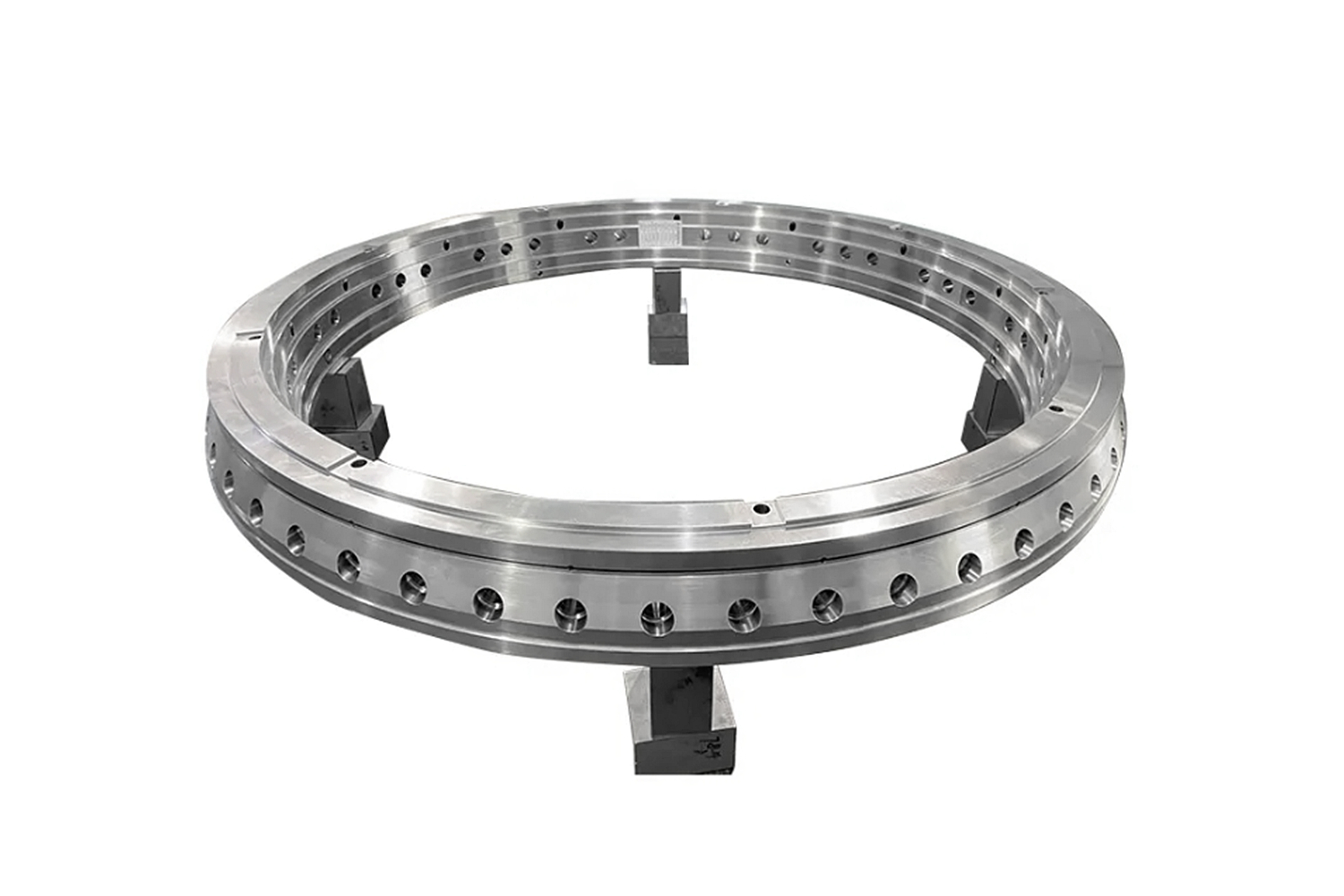
Define Water-Contact Surfaces and Assembly Interfaces
Buyers should mark every surface that contacts water, slurry, seals, bearings, shafts, or mating housings. A wear sleeve needs different review from a structural bracket. A valve insert needs seat geometry and corrosion-facing surface control. A guide piece may need arc or profile accuracy. A maintenance fixture may need repeatable contact rather than fluid exposure. The part function should be clear before alloy selection or machining route is discussed.
When a replacement sample is provided, service wear should be separated from design geometry. Cavitation marks, erosion grooves, corrosion pits, blended repair edges, and worn seal faces can explain field history. They should not be copied into the new component unless the buyer approves them. NewayAeroTech can review the sample as a manufacturing reference while the customer controls final drawing authority.
Component type | Main hydroelectric RFQ risk | Data to define |
Wear sleeve or insert | Erosion, cavitation marks, surface finish, material compatibility | Fluid-contact surface, alloy grade, finish, and inspection method. |
Valve or pump component | Seat fit, bore alignment, corrosion exposure | Bore tolerance, seat geometry, material records, and post-process scope. |
Guide or support piece | Profile accuracy, mounting fit, water-side corrosion | Datum plan, surface finish, CMM report, and cleaning requirement. |
Maintenance fixture | Repeatable location, contact marks, handling wear | Held part, contact surfaces, reuse expectation, and acceptance check. |
Select Alloys Around Corrosion, Erosion, and Wear
Material selection should match the water chemistry, velocity, wear condition, and customer specification. Inconel 625, Inconel 718, Hastelloy grades, Stellite grades, stainless alloys, and other corrosion-resistant or wear-resistant materials may be reviewed depending on the drawing. Cobalt-based alloys may fit local wear areas. Nickel-based alloys may be selected where corrosion resistance and strength are both needed. Final grade approval should remain with the buyer or design authority.
NewayAeroTech can support corrosion-resistant alloy casting, Inconel alloy, Hastelloy alloy, and Stellite alloy component review when the drawings and operating environment support those choices. The RFQ should include approved equivalents, chemistry records, and required test reports.
Alloy decision | Where it matters | Buyer input needed |
Nickel corrosion-resistant alloy | Water-contact surfaces, valve components, inserts, and sleeves | Water chemistry, grade, heat treatment, and material records. |
Cobalt or wear-resistant alloy | Seats, rubbing zones, cavitation-prone surfaces | Contact surface, mating material, final grinding, and inspection method. |
Stainless or special alloy | General plant hardware when specification permits | Approved grade, corrosion exposure, and machining tolerance. |
Customer-specified material | Legacy hydroelectric unit components and maintenance replacements | Drawing revision, equivalent rule, and documentation requirement. |
Route selection should also consider replacement urgency. For one or two maintenance parts, machining from approved stock may be practical even if material waste is higher. For repeated wear inserts or complex guides, a casting route may reduce waste after tooling is justified. If the buyer expects future repeat orders, the RFQ should state that forecast so the supplier can discuss tooling, fixture, and inspection repeatability instead of pricing only the first piece.
Choose Manufacturing Route by Geometry and Quantity
The route should be selected from geometry, quantity, and finished interfaces. Vacuum investment casting can be reviewed for complex guides, inserts, curved components, or near-net alloy shapes. Superalloy CNC machining may dominate sleeves, rings, valve parts, flanges, threads, bores, and seal faces. Forged or wrought blanks may fit high-strength machined components when the drawing favors a solid blank route.
The quote should show whether the supplier includes blank production, rough machining, heat treatment, final machining, deburring, cleaning, and inspection. Hydroelectric replacement projects often begin with small quantities, so tooling cost and first-article review should be visible. If a cast route is selected, machining allowance and NDT should be stated. If a fully machined route is selected, stock condition and final inspection should be stated.
Post-Process Scope Should Control Surface Durability
Post-processing can decide whether a hydroelectric component resists wear and corrosion after machining. Heat treatment may stabilize the alloy condition. Surface finishing, polishing, passivation, coating preparation, or hard-facing compatibility may be needed for fluid-contact or wear-facing surfaces. NewayAeroTech can review superalloy heat treatment and post-process requirements when the buyer defines the final surface condition.
The RFQ should state whether surfaces may be as-machined, polished, coated, hard-faced, or cleaned to a specified condition. A seal face may require a different finish from a mounting bracket. A water-contact surface may require burr removal and visual inspection. A replaceable wear insert may need final grinding or lapping after any surface process. These steps should be in the quote before price approval.
Post-process item | Hydroelectric component surface | Quote control |
Heat treatment | High-strength sleeves, rings, and fittings | Required condition, timing, and record package. |
Polishing or grinding | Seal faces, seats, wear inserts, and bores | Surface finish, final machining sequence, and inspection method. |
Cleaning or passivation | Water-contact and corrosion-facing surfaces | Cleaning rule, packaging condition, and visual acceptance. |
Coating or hard-facing preparation | Erosion-prone or rubbing surfaces | Boundary, masking, final finish, and whether application is included. |
Replacement projects should include a sample boundary review. A worn hydroelectric component may show cavitation pits, rub marks, corrosion, field grinding, or distorted bolt holes. NewayAeroTech can use those signs to understand service condition, but the buyer should decide whether final geometry comes from the old sample, the drawing, or a revised model. That decision should be made before machining programs and inspection points are fixed.
Inspection Should Address Fit, Surface Condition, and Material Records
Inspection should prove the part can fit and survive its intended service condition. CMM reporting may be needed for bores, flange faces, bolt patterns, grooves, profiles, and mating faces. Surface roughness checks may be needed for seal or bearing interfaces. FPI or DPI can review surface-connected indications where required. Chemical analysis, heat lot traceability, hardness, metallography, and heat treatment records may be requested by the drawing or purchase specification.
NewayAeroTech can support material testing and analysis for custom hydroelectric alloy units. Buyers should define whether a first article requires full dimensional and material reports, and whether repeat pieces can use sampled inspection. If the project is maintenance-related, inspection should also confirm that sample-derived dimensions were not copied from worn geometry.
First-article review should confirm both fit and surface condition. Buyers should review bore reports, seal-face finish, material documents, post-process records, and any deviations before releasing a batch. A part can meet the alloy requirement but still fail at a seal, bearing, or mating face if that interface was not inspected.
Commercial comparison should separate alloy procurement, casting or blank preparation, machining, post-process work, cleaning, inspection, and packaging. Hydroelectric plant parts often carry hidden cost in surface finishing and documentation, especially when they are replacement items. A route-based response prevents buyers from comparing a rough blank with a finished component.
NewayAeroTech is a fit for custom metal units where drawings, sample references, alloy requirements, and inspection expectations are available. The fit is weaker for commodity fabrication, full turbine system repair responsibility, or catalog spare-part resale. If the buyer needs only a machined insert, sleeve, or wear component, that limited scope should be clear in the quotation.
RFQ Checklist for Hydroelectric Precision Metal Units
Send the 2D drawing, 3D model, material grade, water-contact environment, component function, quantity, bore and seal details, surface finish, heat treatment, coating or hard-facing note, inspection standard, report requirements, and sample photos if available. Mark fluid-contact surfaces, wear zones, seal faces, bolt patterns, grooves, bores, and any areas where corrosion or cavitation is visible on the old part.
Ask the supplier to return a route plan, blank source, included operations, post-process scope, inspection deliverables, exclusions, and open engineering questions. NewayAeroTech can review the package and suggest a custom manufacturing route for precision metal units used in hydroelectric power plant fabrication or maintenance service. Include packaging, marking, and receiving-inspection needs when plant logistics require part-level traceability.
Related FAQs
What are the most common superalloys used in hydroelectric power unit components?
Why is post-processing crucial for hydroelectric power unit durability?
What are the most commonly used superalloys for wear-resistant pump assemblies?
What is the role of CNC machining in producing superalloy valve assemblies?
What post-processing techniques are used to improve the quality of superalloy valve components?
For hydroelectric power plant alloy-unit RFQs, define the water-contact surface, wear or corrosion risk, machining interfaces, post-process condition, and inspection evidence before comparing suppliers. NewayAeroTech can support drawing-based custom precision metal component manufacturing.