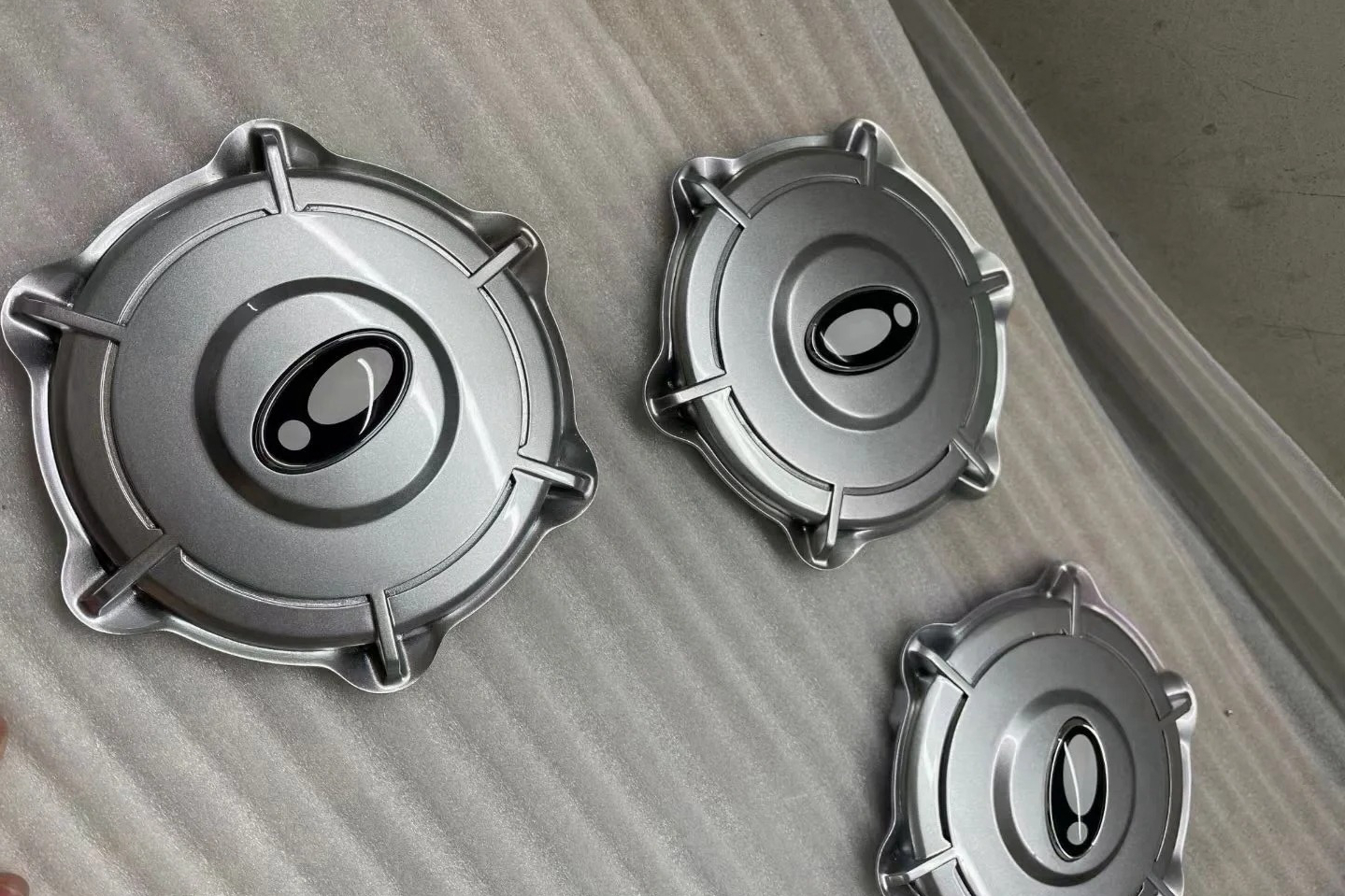
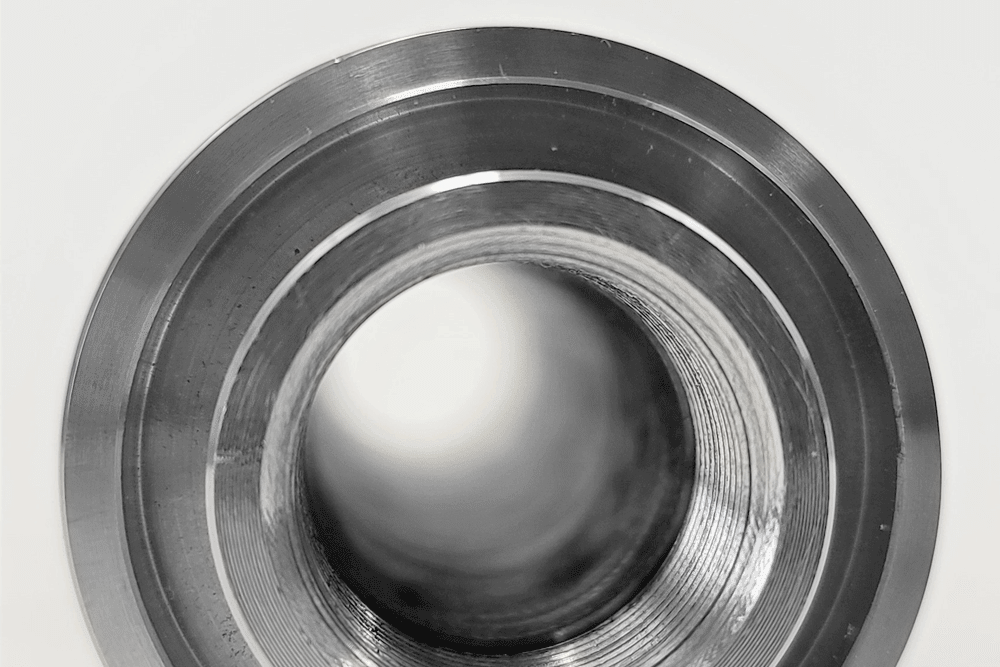
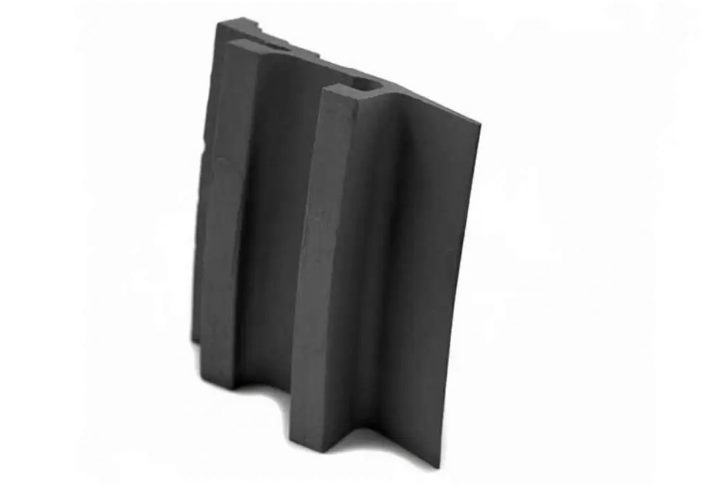
Heat-Resistant Alloy Fixtures for Heat Exchanger Manufacturing Facility
A heat-exchanger fixture RFQ should define the part being held, contact surfaces, thermal-cycle exposure, alloy grade, dimensional stability requirement, and inspection evidence before price comparison begins. Fixtures used for tube positioning, brazing, welding, heat treatment, assembly, inspection, or repeated production handling do not all need the same material or route. NewayAeroTech can review custom heat-resistant alloy fixtures for heat exchanger manufacturing facilities when buyers provide drawings, 3D models, fixture function, batch size, working temperature, surface contact rules, and acceptance criteria.
The buyer should treat the fixture as process equipment with a job, not as a simple metal block. A fixture that locates thin tubes must protect contact marks and alignment. A fixture used in a furnace must resist distortion and scaling. A fixture for welding or brazing must allow access, cleaning, and repeated clamping. The quotation should show how material, machining, post-process, and inspection decisions support that specific manufacturing step.
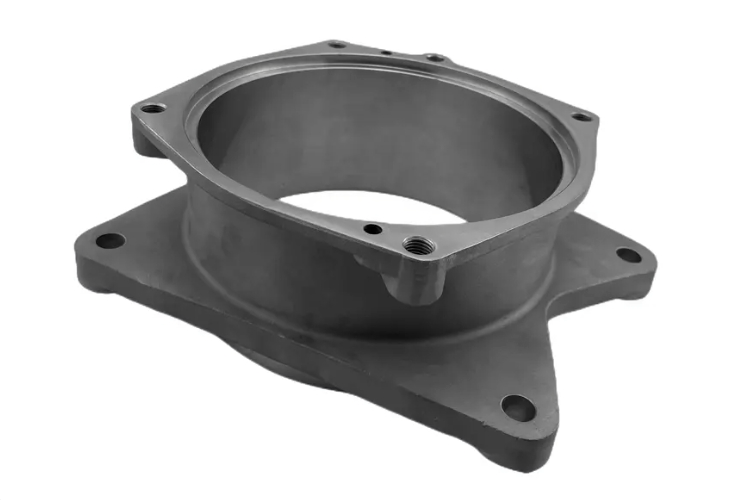
Define the Fixture Job Before Choosing Alloy or Route
The first RFQ question is what the fixture must control. Some heat-exchanger fixtures position tubes, plates, fins, or headers during assembly. Others hold components during welding, brazing, heat treatment, coating, or inspection. Contact pressure, thermal expansion, repeated loading, and fixture cleanup differ for each job. A supplier cannot choose a stable route until the buyer identifies the held part, contact surfaces, allowed marks, locating datums, and expected reuse cycle.
If the fixture is replacing an existing tool, sample photos and wear marks are useful, but they should be separated from final design geometry. A worn locating pin, warped support surface, or oxidized clamp face can explain failure history; it should not automatically become the new manufacturing baseline. The buyer should approve which geometry is functional, which geometry is wear damage, and which surfaces must be improved for the next fixture set.
Fixture job | Main RFQ risk | Data the supplier needs |
Tube or fin positioning | Contact marks, spacing, alignment, and repeatability | Part geometry, contact allowance, datum scheme, and inspection method. |
Brazing or furnace support | Thermal distortion, oxidation, scaling, and cleanup | Working temperature range, cycle count, alloy grade, and surface condition. |
Welding fixture | Access, clamping force, distortion, and spatter protection | Weld path, clearance, clamping points, and post-use cleaning requirement. |
Inspection or assembly fixture | Repeat location, gauge surface, and wear resistance | Critical dimensions, reference datums, surface finish, and calibration expectation. |
Choose Heat-Resistant Alloys for Contact, Cycle, and Cleanup
Material selection should follow fixture duty. Inconel 600, Inconel 625, Inconel 718, Hastelloy X, Haynes 188, Stellite grades, and selected stainless or nickel-based alloys may be reviewed depending on heat, corrosion, wear, and cleaning conditions. A furnace fixture may need oxidation resistance and dimensional stability. A clamping insert may need wear resistance. A tube-positioning fixture may need a surface condition that does not damage the heat-exchanger component.
NewayAeroTech can support heat-resistant alloy casting and custom alloy route review for fixture projects. If the buyer has an approved material list, it should be included in the RFQ. If the material is open, NewayAeroTech can propose candidate grades for buyer approval, with notes on casting feasibility, machining difficulty, heat treatment, surface finish, and expected inspection records.
Fixture surface | Material review emphasis | RFQ information |
Hot support face | Oxidation resistance and dimensional stability | Temperature, cycle count, furnace atmosphere, and allowed scale condition. |
Clamping or locating face | Wear, galling, and contact marking | Held material, contact pressure, surface finish, and replacement expectation. |
Cleaning-exposed surface | Corrosion, residue, and surface roughness | Cleaning method, chemicals if known, and post-clean inspection. |
Gauge or inspection datum | Dimensional repeatability and low wear | Tolerance, calibration rule, and CMM or gauge report requirement. |
Select Casting, Machining, or Additive Prototyping From Geometry
Fixture manufacturing route should follow geometry and quantity. Vacuum investment casting can be reviewed for complex heat-resistant supports, cradles, curved contact forms, and near-net alloy shapes. Superalloy CNC machining may be better for datum-heavy locating plates, precision slots, pins, pockets, and reference surfaces. Superalloy 3D printing may support a prototype fixture or complex contact geometry before a repeatable batch route is approved.
The supplier should state the blank route, machining stock, finishing operations, and inspection basis. For a cast fixture, the buyer should ask how much surface machining is included and whether radiographic inspection or FPI is required. For a fully machined fixture, the buyer should ask about stock material, heat treatment, distortion control, and CMM reporting. For a printed prototype, the buyer should ask whether the route is for fit review only or intended for repeated heat-cycle use.
Thermal Distortion and Machining Sequence Need Early Review
Heat-exchanger fixtures may be exposed to repeated furnace cycles, welding heat, brazing cycles, or hot cleaning. Thermal distortion can move contact faces, pin locations, tube spacing, and reference datums. Heat treatment or stress relief may be required before final machining. NewayAeroTech can review superalloy heat treatment and process sequencing when the buyer defines the working environment.
The safest sequence is usually defined around final datum surfaces. Rough machining may create stock, heat treatment may stabilize the blank, and final machining may establish locating faces, holes, slots, or contact surfaces. If a fixture is cast, machining allowance must be enough to clean up contact surfaces without removing required geometry. If the fixture is machined from plate or bar, the supplier should consider residual stress and part movement during roughing.
Sequence question | Why it affects fixture quality | What to confirm in the quote |
Heat treatment before final machining | Controls movement of high-temperature alloy blanks | Included condition, sequence, and final inspection after machining. |
Cast allowance on contact faces | Prevents as-cast variation from affecting held parts | Stock allowance, cleanup surfaces, and CMM points. |
Roughing and finishing split | Reduces distortion in large or asymmetric fixtures | Fixture setup, datum transfer, and final surface finish. |
Replaceable wear inserts | Controls cost when only contact areas wear | Insert material, fit, replacement boundary, and inspection. |
Post-Process Requirements Should Match the Manufacturing Facility
A heat-exchanger manufacturing facility may require fixtures to arrive cleaned, marked, passivated, polished, oxidation-resistant, or ready for coating. Surface treatment should be tied to the fixture job. A furnace fixture may prioritize scale control and cleaning. A brazing fixture may need surfaces that do not contaminate the workpiece. A welding fixture may need spatter-resistant or replaceable contact areas. NewayAeroTech can review superalloy post-process scope when those details are included in the RFQ.
Buyers should state whether the fixture is disposable, repairable, or expected to support repeated production batches. They should also define marking, packaging, and cleaning expectations. These details affect price less visibly than alloy grade, but they can decide whether the fixture can go directly into a controlled manufacturing area.
Inspection Should Prove Contact Geometry and Material Condition
Fixture inspection should focus on the surfaces that touch, locate, clamp, or measure the heat-exchanger component. CMM reporting may be needed for datum faces, pin locations, slots, and contact profiles. Surface roughness checks may be needed where the fixture contacts tubes or thin sheet. FPI or visual inspection may be relevant for cast or welded fixture elements. Material evidence, hardness, heat-treatment records, and chemical analysis may be required when the buyer specifies controlled alloy condition.
NewayAeroTech can support material testing and analysis as part of custom fixture supply. The buyer should identify which dimensions must be reported, whether the fixture needs a first-article inspection report, and whether repeat fixtures require full or sampled inspection. A supplier quote that names these deliverables is easier to compare than one that only says inspection included.
First-article review is valuable when the fixture will be repeated across a production cell. The first article should confirm held-part fit, contact marks, datum repeatability, thermal-cycle behavior if tested, and whether any cleanup or polishing changes the locating surface. If the fixture design includes replaceable inserts, the buyer should define whether inserts are inspected separately or only after assembly into the fixture body.
RFQ Checklist for Heat-Exchanger Fixture Projects
Send the fixture drawing, 3D model, held-part drawing if available, material grade or approved material list, working temperature, cycle count, quantity, contact surface rules, surface finish, heat treatment requirement, cleaning or coating note, inspection standard, and sample photos if the fixture is being replaced. Mark contact faces, pins, slots, clamps, datum surfaces, replaceable inserts, and areas exposed to furnace atmosphere or cleaning media.
Ask the supplier to return a route plan, blank source, machining sequence, heat treatment, post-process scope, inspection reports, exclusions, and open engineering questions. NewayAeroTech can review the package and propose a custom manufacturing route for heat-resistant alloy fixtures used in heat exchanger manufacturing facilities.
Related FAQs
What are heat exchanger fixtures, and why are they important in manufacturing?
Which superalloys are commonly used for manufacturing heat exchanger fixtures?
How does vacuum investment casting benefit heat exchanger fixture production?
What quality control measures are used in the production of heat exchanger fixtures?
What superalloys are most commonly used for manufacturing heat exchanger valve assemblies?
How does vacuum investment casting improve the quality of heat exchanger components?
How does 3D printing affect the manufacturing process for heat exchanger units?
For heat-exchanger fixture RFQs, define the fixture job, contact surfaces, thermal cycles, alloy requirement, post-process expectations, and inspection evidence. NewayAeroTech can support custom heat-resistant alloy fixture manufacturing based on drawings and facility requirements.