What superalloys are most commonly used for manufacturing heat exchanger valve assemblies?
Thermal Resistance and Corrosion Protection as Core Requirements
Heat exchanger valve assemblies are exposed to extreme thermal gradients, high pressures, and corrosive environments, particularly in energy, power generation, and chemical processing plants. Therefore, the choice of material must combine high-temperature strength, oxidation resistance, and excellent corrosion resistance. Superalloys such as Inconel, Hastelloy, Monel, Stellite, and Nimonic are widely used due to their balanced thermal and chemical stability.
Inconel Family – High-Temperature Structural Strength
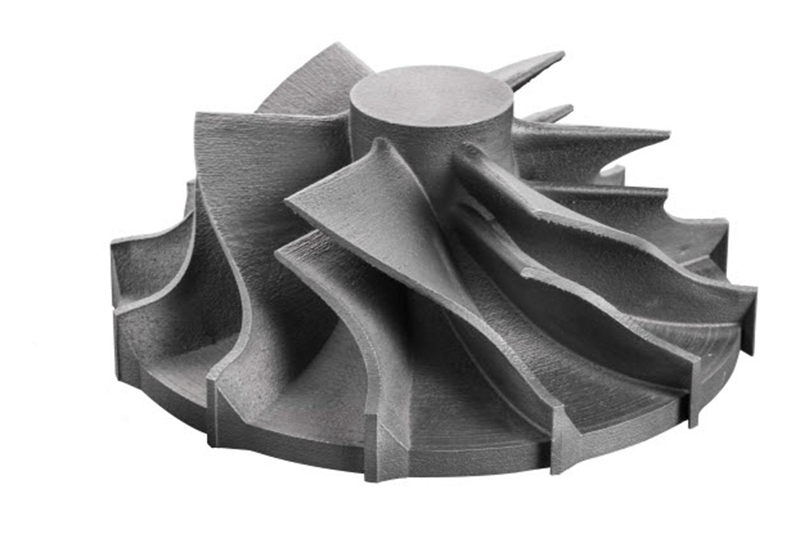
Inconel 625, Inconel 718, and Inconel 800H are among the most preferred choices for valve bodies and stems. These nickel-chromium-based alloys maintain their tensile and creep strength up to 700–800°C, while their chromium and molybdenum content enhances oxidation and chloride resistance. They are commonly produced via vacuum investment casting or superalloy precision forging to ensure homogeneity and mechanical consistency.
Hastelloy Family – Superior Resistance to Corrosive Media
For chemical and heat exchanger systems handling acidic or oxidizing media, Hastelloy C-22 and Hastelloy C-276 are standard options. These alloys resist localized corrosion such as pitting and crevice attack in chloride-rich solutions. Post-processing techniques such as hot isostatic pressing (HIP) and heat treatment refine the grain structure, ensuring durability and sealing performance in harsh conditions.
Monel and Stellite – Wear and Erosion Resistance
Monel K500 combines excellent corrosion resistance with high mechanical strength, making it suitable for valve trim and seat components exposed to saline and brine environments. For abrasive and high-velocity steam or gas flows, Stellite 6 and Stellite 21 offer cobalt-based hardness and galling resistance, minimizing wear under repeated actuation cycles.
Process Integration and Industry Applications
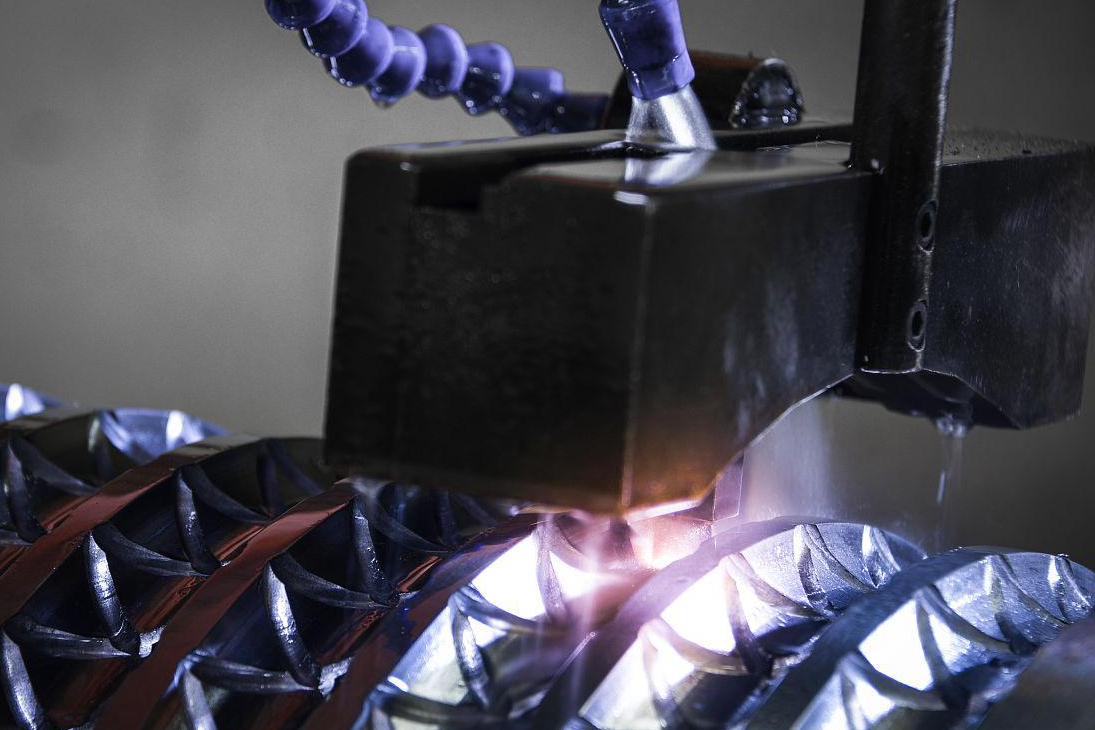
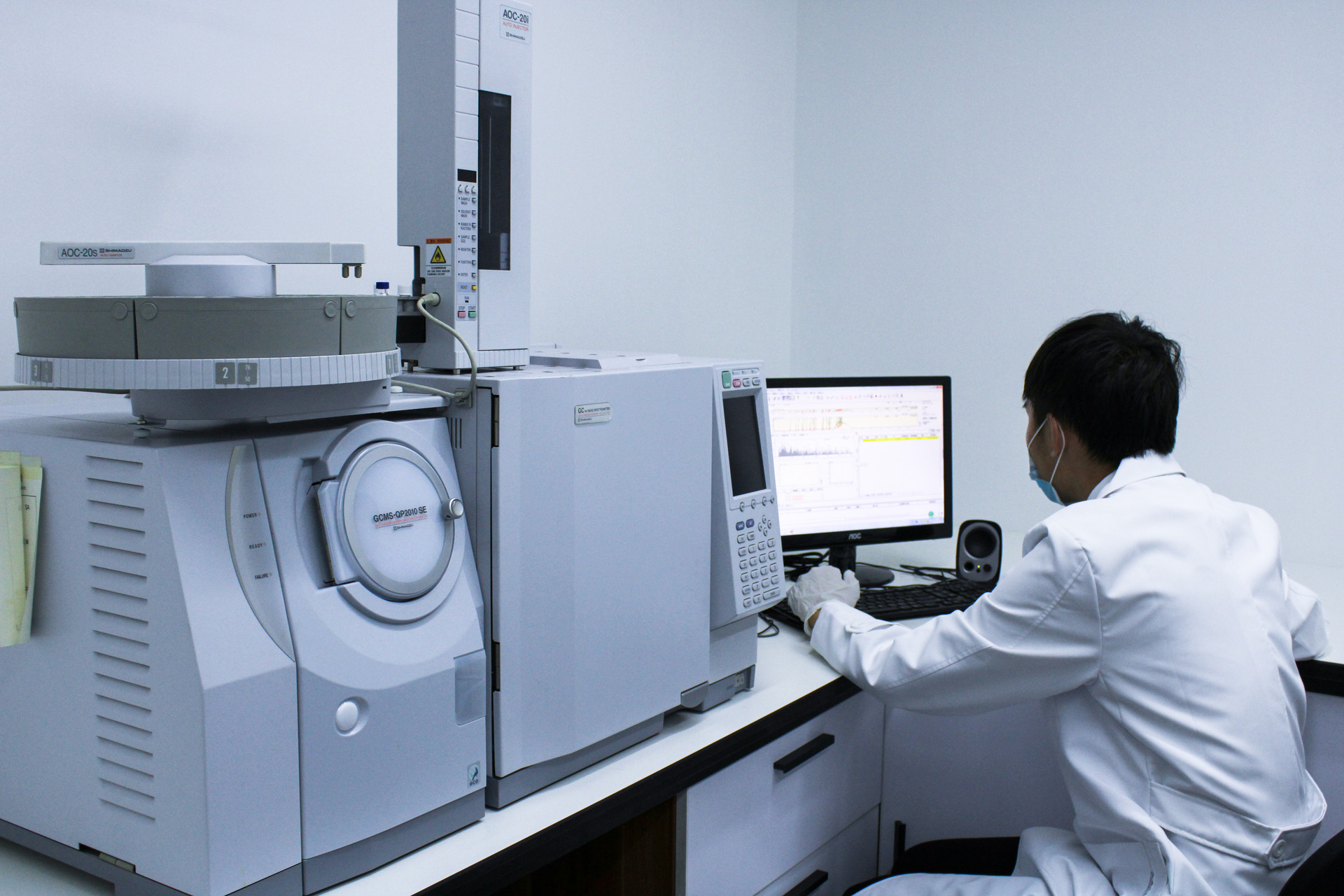
The manufacturing of superalloy valve assemblies integrates superalloy CNC machining, electrical discharge machining (EDM), and material testing and analysis to ensure precision and material traceability. These valves serve critical functions in power generation, chemical processing, and energy industries, where long-term reliability under combined thermal and chemical stress is essential.