How does 3D printing affect the manufacturing process for heat exchanger units?
Redefining Design Freedom and Geometric Complexity
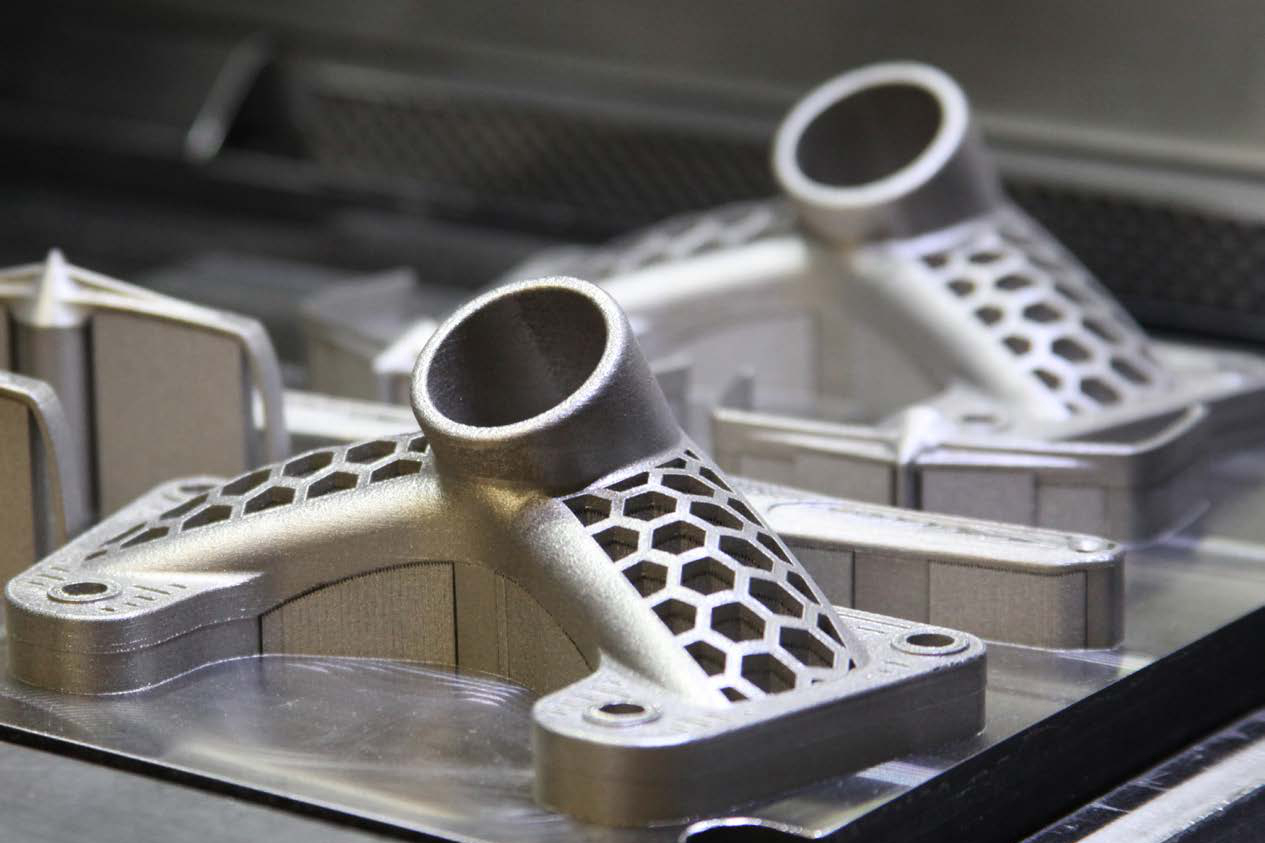
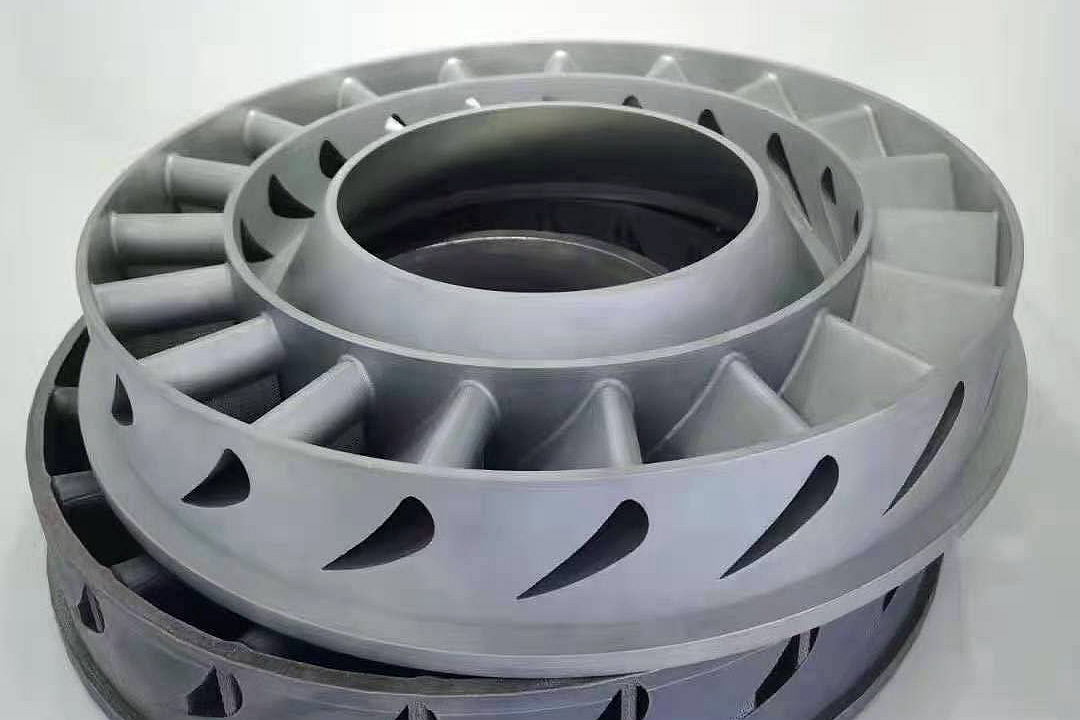
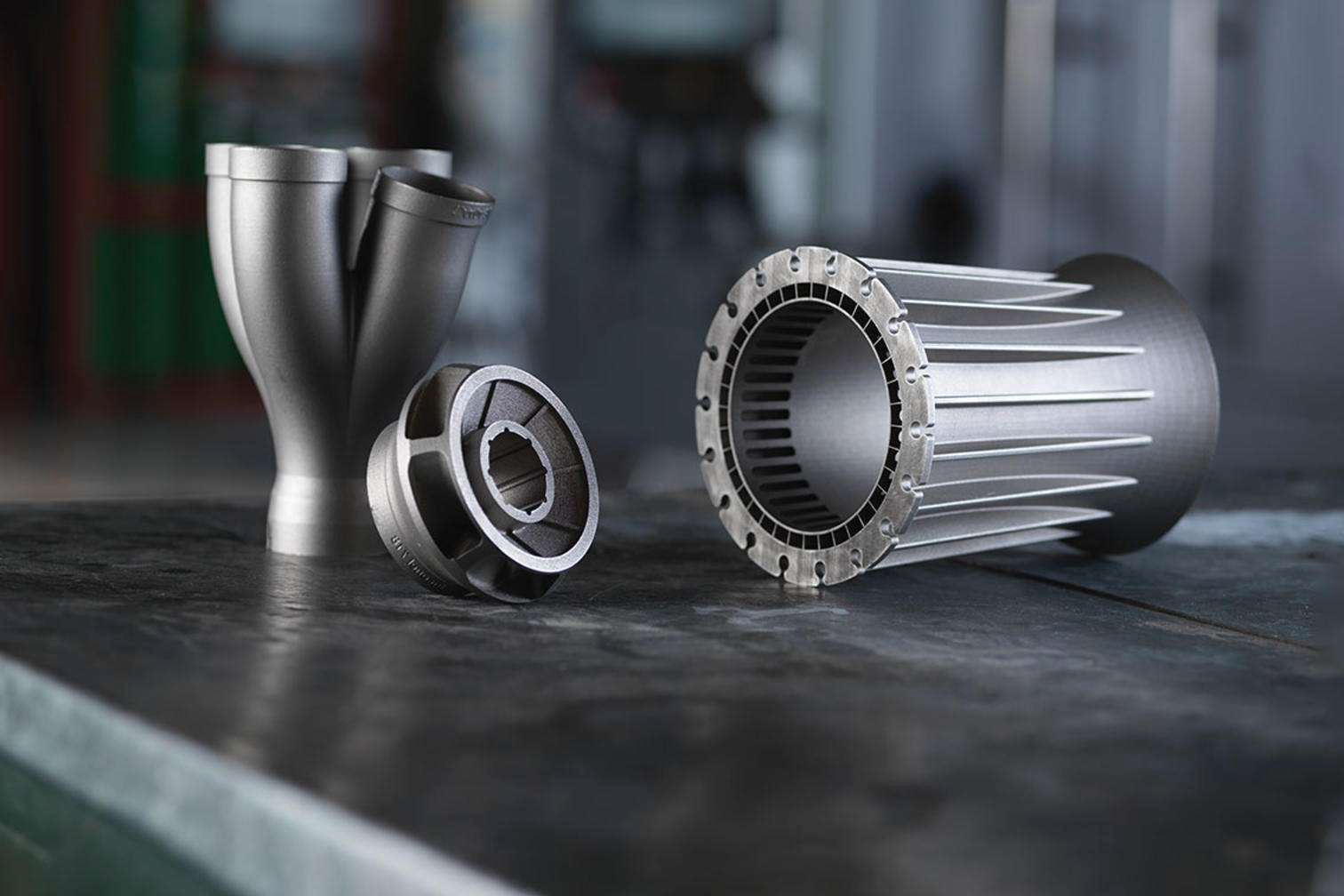
Additive manufacturing, particularly superalloy 3D printing, enables intricate internal geometries impossible to achieve with traditional subtractive or casting processes. For heat exchangers, this translates to optimized flow channels, lattice structures, and thin walls that significantly enhance heat transfer efficiency while reducing material use. Techniques such as aluminum 3D printing and stainless steel 3D printing are often employed for lightweight, corrosion-resistant exchanger cores used in aerospace and energy systems.
Streamlining Prototyping and Production Cycles
Traditional vacuum investment casting or forging processes require complex tooling, molds, and lead times. By adopting 3D printing service, engineers can rapidly iterate design variations, perform functional testing, and move directly to production. This shortens development cycles from months to weeks, enabling faster validation for high-performance units in aerospace and aviation or power generation environments. The digital workflow also supports on-demand part manufacturing, which reduces inventory costs and material waste.
Enhanced Thermal and Structural Efficiency
Additive manufacturing offers superior control over microstructure and porosity, particularly when utilizing materials such as Inconel 625, Hastelloy X, or Ti-6Al-4V. These materials offer exceptional high-temperature strength and oxidation resistance—vital for exchangers exposed to turbine exhaust or reactor cooling loops. When combined with hot isostatic pressing (HIP) and superalloy heat treatment, 3D-printed components achieve full density and uniform mechanical performance, meeting or exceeding the standards of conventionally cast parts.
Integration of Multi-Material and Surface Optimization
3D printing enables the fabrication of hybrid structures, where internal sections are constructed from high-conductivity alloys like AlSi10Mg, while outer shells utilize corrosion-resistant materials such as Hastelloy C-22. Post-processing steps including thermal barrier coating (TBC) and superalloy CNC machining ensure fine-tuned surface properties and dimensional precision. This hybrid approach significantly enhances fatigue resistance, fouling behavior, and long-term reliability in harsh media, such as those found in chemical or marine applications.
Expanding Industrial Applications
Industries such as energy, oil and gas, and marine benefit from the weight savings, corrosion performance, and design adaptability of additively manufactured heat exchangers. For advanced superalloy parts manufacturing, the convergence of digital design, precision additive layering, and post-process enhancement enables engineers to achieve compact, high-performance solutions suited for next-generation turbines, condensers, and cooling systems.